Best Boat Cover for an Oklahoma Reservoir
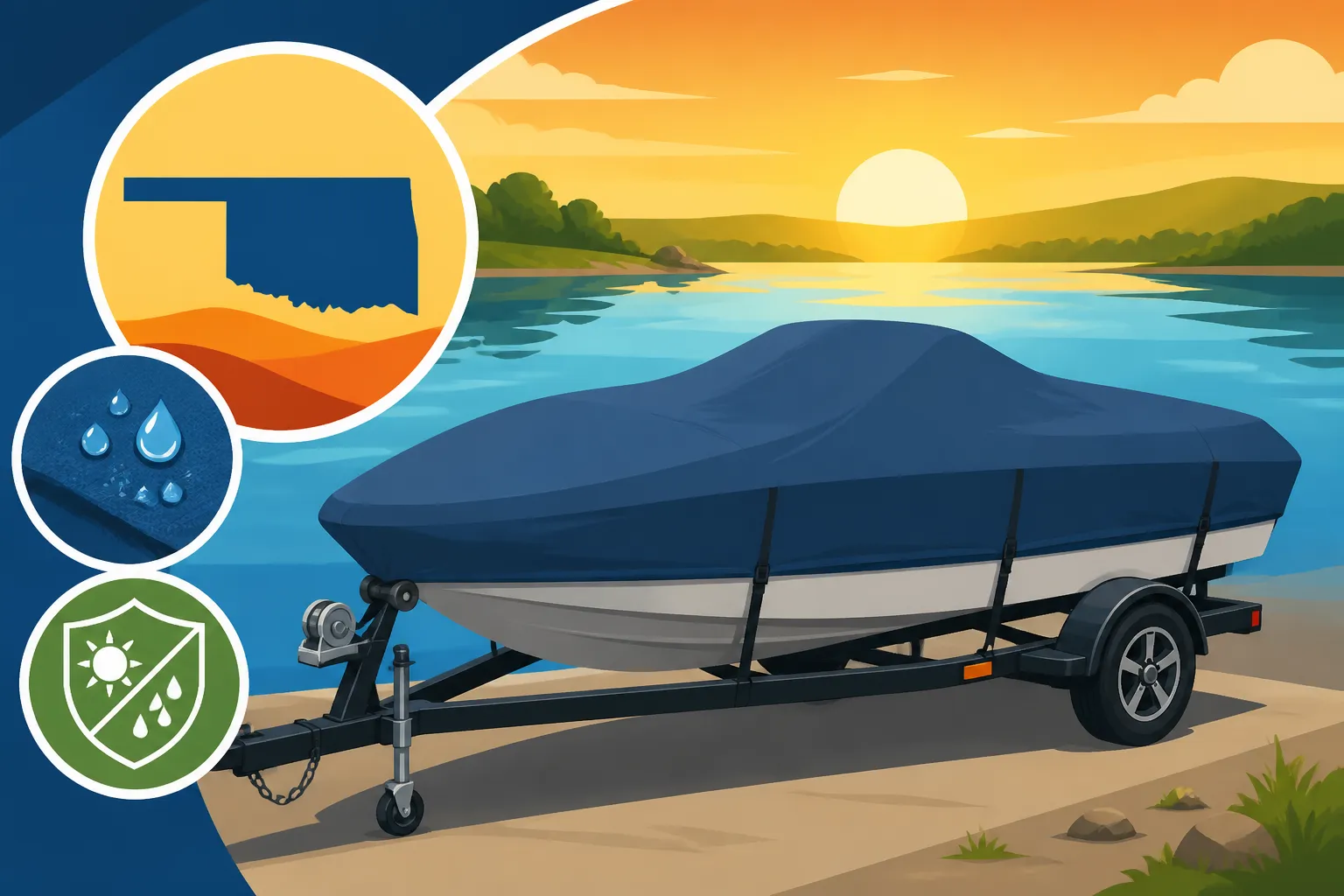
Leaving your beloved boat exposed to the unpredictable Oklahoma weather is like leaving your car keys in the ignition at the gas station – it's just asking for trouble! Our reservoirs throw everything at our vessels, from scorching summer sun and torrential downpours to relentless winds and even hailstones. This guide is all about helping you understand why a good boat cover isn't just an accessory, but a vital piece of protection, and how to choose the best one for your precious investment on an Oklahoma reservoir.
Why a Quality Boat Cover is Non-Negotiable for Oklahoma Reservoirs
Let's face it, owning a boat in Oklahoma is a dream for many, offering countless hours of relaxation and excitement on our beautiful lakes like Texoma, Eufaula, and Grand Lake. But with that joy comes responsibility, and a major one is protecting your investment from the elements. Ignoring a quality boat cover is a common mistake that can lead to costly damage and a significantly shorter lifespan for your vessel. It’s not just about keeping the rain out; it’s about a comprehensive defense against everything Mother Nature (and even some pesky critters) can throw at it.
Battling the Elements: Sun, Rain, and Wind
Oklahoma's weather patterns are, to put it mildly, intense. We experience all four seasons with gusto, and each one brings its own set of challenges for an unprotected boat. The summer sun, for example, can be brutal, with UV rays fading gel coats, cracking upholstery, and degrading sensitive electronics over time. Imagine leaving your boat baking under the relentless July sun at Lake Murray all season long; it's a recipe for a dull finish and brittle vinyl seats.
Then there's the rain. Our thunderstorms can appear out of nowhere, dumping inches of water in a short period. Without a proper cover, your boat can become a giant bathtub, collecting water that can lead to mildew, rot, and even damage to electrical systems. And let's not forget the wind, especially common on our larger, open reservoirs. A poorly secured or flimsy cover will just become a kite, flapping violently and potentially scratching your boat's finish while offering no protection at all. Protecting against these harsh conditions is paramount for anyone spending time on the water, whether you're targeting bass or just cruising.
Protecting Your Investment: More Than Just Cosmetics
Beyond the obvious aesthetic damage, a good boat cover acts as a crucial barrier for the internal workings and structural integrity of your vessel. Water intrusion, even from persistent mist, can get into compartments, causing corrosion on wiring, rusting of metal components, and saturating sensitive areas like carpet or foam. This unseen damage can lead to electrical failures, mold growth, and a generally unhealthy environment for your boat, which significantly impacts its resale value down the line.
Think about the long-term cost. A quality cover might seem like an upfront expense, but it's a fraction of the cost you'd incur for replacing faded upholstery, repairing electrical shorts, or mitigating extensive mold. It extends the life of your boat's finish, preserves the functionality of its components, and keeps the interior looking fresh. This foresight is especially important if you're planning on keeping your boat for many years, as a well-preserved vessel holds its value much better.
Critters and Debris: Unwanted Guests
It's not just the weather you're up against; our natural environment around Oklahoma's reservoirs is full of life that can find your boat an appealing shelter. Spiders love to set up webs in every nook and cranny, leaving behind unsightly messes. Birds can perch and leave droppings that are corrosive to finishes if not cleaned promptly. Even small rodents, looking for a warm, dry place, can chew through wires or upholstery, causing serious and expensive damage.
Leaves, pollen, dust, and other environmental debris are also constant threats. They settle on surfaces, get into crevices, and can clog drains. Over time, this buildup can contribute to staining, block critical ventilation, and generally make your boat a less inviting place to be. A sturdy boat cover acts as the first line of defense against these unwanted intrusions, keeping your boat clean and ready for your next adventure. Many savvy anglers will also consider other essential protective measures, especially if their boat is stored outside, like a good quality Best Boat Storage and Cover Gear for Oklahoma Weather.
Types of Boat Covers: Finding Your Perfect Match
When you start looking for a boat cover, you'll quickly realize there's a whole world of options out there. It's not a one-size-fits-all situation, and what works best for a small jon boat might be completely inadequate for a large pontoon or a high-performance bass boat. Understanding the differences between custom-fit, semi-custom, and universal covers is key to making an informed decision that truly meets your boat's needs and your budget.
Custom-Fit Covers: The Gold Standard
Custom-fit boat covers are, as the name suggests, tailor-made for your specific boat's make, model, and year. They are crafted to hug every curve, contour, and feature of your vessel, including trolling motors, depth finders, and swim platforms. This precise fit provides the absolute best protection, minimizing flapping in high winds and offering superior defense against water, UV rays, and debris. They usually come with integrated support poles and robust tie-down straps, ensuring a taut fit that sheds water effectively.
The benefits are clear: maximum protection, extended boat life, and a sleek appearance. However, this level of precision comes at a higher price point compared to other options. You're paying for the meticulous measurements, design, and often, premium materials. If you plan to keep your boat for many years, or if you frequently store it outdoors for extended periods on windy lakes like Grand Lake O' the Cherokees, a custom cover is an investment that truly pays off in peace of mind and boat preservation. You can often find reputable marine shops or online specialists that create these bespoke covers.
Semi-Custom Styled-to-Fit Covers: A Popular Middle Ground
Semi-custom, or "styled-to-fit" covers, strike a fantastic balance between cost and protection, making them a very popular choice for many Oklahoma boat owners. These covers are designed to fit a range of boats within a particular style (e.g., V-hull runabouts, center console fishing boats, pontoon boats) and length range, taking into account common accessories. They aren't as precise as a custom cover, but they offer a significantly better fit than a universal option.
You'll find these covers made from durable, marine-grade materials that provide excellent water resistance and UV protection. They typically feature elastic hems and a system of straps and buckles to cinch the cover down, reducing flapping and allowing for decent water runoff. For most recreational anglers and boaters on reservoirs like Lake Eufaula, a good quality semi-custom cover from a brand found at Bass Pro Shops can offer excellent protection without breaking the bank. It's a smart choice if you want strong defense against the elements but don't need the absolute exactness of a custom job.
Universal Runabout Covers: Entry-Level Protection
Universal, or "runabout" style covers, are the most affordable and readily available option. These covers are designed to fit a very broad range of boat shapes and sizes, often advertised with large length and beam ranges. While they are easy to find and budget-friendly, their "one-size-fits-many" approach means the fit will be much looser and less precise than semi-custom or custom options.
Because of their looser fit, universal covers are more prone to flapping in the wind, which can cause wear spots and allow water to pool. They also tend to have fewer tie-down points, making them less secure in strong gusts, a common occurrence on exposed Oklahoma waters. While they offer basic protection against sun and rain, they are generally best suited for short-term storage, trailering, or for boats that are kept under a covered dock or in a garage. If you’re looking for a quick and easy option, perhaps for a small fishing boat you keep sheltered most of the time, browsing for a universal cover on Amazon might be a starting point. However, for serious outdoor exposure, it's wise to consider an upgrade.
| Cover Type | Fit Accuracy | Protection Level | Wind Resistance | Price Range | Best Use Case |
|---|---|---|---|---|---|
| Custom-Fit | Exact | Excellent | Superior | High | Long-term outdoor storage, harsh climates, maximum preservation |
| Semi-Custom | Good | Very Good | Good | Medium | General outdoor storage, trailering, balanced protection |
| Universal | Loose | Basic | Fair | Low | Short-term, sheltered storage, emergency protection |
Key Features to Look for in an Oklahoma Reservoir Boat Cover
Choosing the right type of cover is just the first step. Once you've decided between custom, semi-custom, or universal, you need to dive into the specifics of what makes a cover truly effective, especially for the unique demands of an Oklahoma reservoir. It’s all about the details – from the fabric it’s made from to how securely it fastens down and how it allows your boat to breathe. Overlooking these features can turn what you thought was a protective cover into a source of frustration or even damage.
Material Matters: Durability and Breathability
The fabric of your boat cover is its armor, and not all armor is created equal. You'll primarily find covers made from marine-grade polyester, acrylic, or blends. Polyester is a popular choice due to its excellent strength, tear resistance, and often, a water-repellent coating. Acrylic, while generally more expensive, offers superior UV resistance, color retention, and breathability, making it fantastic for long-term sun exposure. No matter the material, look for high denier counts (e.g., 600D, 1200D), which indicate a thicker, more durable fabric.
Breathability is just as crucial as water resistance. A cover that traps moisture underneath can lead to mildew and mold, which are not only unsightly but can also damage your boat's interior and create unpleasant odors. Many quality covers incorporate vents or use breathable fabrics to allow air circulation while still shedding water. This balance of waterproofing and breathability is vital for preventing problems, particularly in our humid Oklahoma summers. A cover made with inferior material might save you a few dollars upfront, but it's likely to degrade quickly under the Oklahoma sun and elements, meaning you'll be buying a replacement sooner than you'd like.
Secure Fastening Systems: Staying Put in a Storm
Oklahoma is no stranger to high winds, especially on open water or during severe weather. A boat cover is only as good as its fastening system. Look for covers with robust, adjustable straps that run underneath the hull and cinch tightly. Heavy-duty buckles, often made of durable plastic or metal, are essential to prevent snapping under stress. Many quality covers will also feature a strong elastic cord sewn into the hem for a snug fit around the boat's perimeter.
Some covers include integrated webbing systems that distribute tension evenly across the cover, preventing pressure points and potential tearing. Without a secure fastening system, even a top-tier fabric can fail to protect your boat. Imagine a sudden microburst hitting your boat docked at Keystone Lake; a flimsy tie-down will see your cover ripped off and potentially sailing across the water, leaving your boat exposed. Always opt for covers that emphasize strong, reliable tie-downs. For safe boating practices, ensuring your cover is secure is as important as having Oklahoma Life Jacket and PFD Rules for Boaters understood and followed.
Support Systems and Ventilation: Preventing Puddles and Mildew
A common problem with boat covers, especially in areas with heavy rain like Oklahoma, is water pooling. When water collects on a flat or sagging cover, it can create a heavy puddle that stretches the fabric, compromises its waterproofing, and can even cause the cover to collapse. This is where a good support system comes in. Look for covers that include, or are compatible with, support poles, arches, or vent systems designed to create a "tent" effect, allowing water to run off smoothly.
Beyond preventing puddles, these support systems often integrate ventilation features. Vents, whether they are fabric flaps or mesh panels, are critical for allowing air to circulate under the cover. This airflow helps to prevent the buildup of condensation, which can lead to mold and mildew, especially in the warm, humid conditions prevalent around our lakes and rivers. Proper ventilation ensures that your boat's interior stays dry and fresh, rather than becoming a petri dish for mildew. A well-ventilated cover contributes to the overall longevity and health of your boat, just like maintaining proper Oklahoma Boat Registration and Titling Rules Explained contributes to legal boating.
Caring for Your Boat Cover: Extending Its Lifespan
Even the best boat cover isn't indestructible. Just like you wouldn't expect your boat's engine to run perfectly forever without maintenance, your cover needs a little love and attention to continue doing its job effectively. Proper care extends its lifespan, ensures it remains waterproof and secure, and ultimately continues to protect your boat from the harsh realities of Oklahoma's environment. Neglecting your cover is like neglecting your boat's basic safety gear; it's a recipe for premature failure.
Regular Cleaning and Inspection
It's easy to forget about your boat cover once it's on, but regular cleaning is crucial. Over time, dirt, bird droppings, pollen, and environmental fallout accumulate on the fabric, which can degrade its waterproofing and breathability. A simple cleaning with mild soap (like dish soap) and water, using a soft brush, can work wonders. Rinse thoroughly and allow the cover to air dry completely before folding or putting it back on your boat. Avoid harsh chemicals or pressure washers, as these can damage the fabric and its protective coatings.
Beyond cleaning, make it a habit to regularly inspect your cover for any signs of wear and tear. Look for small tears, frayed seams, stretched elastic, or damaged buckles. Catching these issues early can prevent them from becoming major problems. A tiny tear can quickly become a large rip in a strong gust of wind if left unaddressed. Proactive inspection ensures your cover is always in top condition to defend against the elements, much like you would check all your Safety Gear Checklist for a Day on an Oklahoma Reservoir before heading out.
Proper Storage When Not in Use
When your boat is out on the water, or if you've put your cover away for the season, how you store it matters. Never store a wet or damp cover. This is a surefire way to encourage mildew growth, which not only smells terrible but can also compromise the fabric's integrity. Ensure it's completely dry before folding or rolling it up. Store it in a cool, dry place away from direct sunlight and pests.
If you have a dedicated storage bag, use it to protect the cover from dust, dirt, and accidental damage. For larger covers, folding them neatly can prevent creases from becoming weak points. For boaters who are considering long-term storage, especially over winter, taking the cover off and storing it properly is a key step, as detailed in guides like How to Store a Boat Over Winter in Oklahoma. This simple practice can add years to your cover's life.
Repairing Minor Damage
Don't despair if you find a small tear or a loose stitch on your cover. Many minor damages can be easily repaired, saving you the cost of a full replacement. Repair kits are widely available, often including fabric patches and marine-grade adhesive. For small tears, a patch on both sides of the fabric, applied according to the manufacturer's instructions, can effectively seal the damage. For loose stitches, a heavy-duty needle and marine-grade thread can often re-secure a seam.
If a buckle breaks or a strap frays, replacement parts are usually available at marine supply stores or through online retailers. Tackling these small repairs promptly prevents them from escalating. It's much cheaper and easier to patch a small hole than to replace an entire cover after a storm ripped it apart. Investing a little time in repair can significantly extend the usable life of your boat cover, ensuring it continues its vital job of protecting your investment on the waters of Oklahoma.
Disclaimer
This article is for general informational purposes only and does not constitute professional advice. Laws, prices and regulations vary by location and change over time. Consult a qualified professional for guidance on your specific situation.