Best Bait for Walleye Fishing
Walleye… they can be finicky, right? One day they're hitting everything you throw at them, the next you can't buy a bite. It's a common frustration for anglers across Oklahoma, and trying to crack the code on their preferred diet can feel like a never-ending puzzle. This comprehensive guide is designed to cut through that confusion, diving deep into the best baits to tempt walleye in our diverse Oklahoma waters, helping you spend less time guessing and more time reeling in those golden beauties.
Understanding the Walleye Mindset: What Makes Them Bite?
Before we even talk about specific baits, it's crucial to understand a bit about walleye themselves. These are not your average bass or crappie. Walleye are predators, but they're often more subtle, preferring lower light conditions and reacting strongly to specific presentations. Knowing their habits is half the battle when it comes to choosing the right bait.
Their Preferred Environment and Feeding Habits
Walleye are often found in deeper, cooler waters during the day, especially in clear lakes. They'll relate to structure like submerged humps, rock piles, ledges, and channels. As light levels drop – think dawn, dusk, or overcast days – they'll often move shallower to feed. This is when they become more active hunters. They're primarily sight feeders, which means presentation, color, and action are incredibly important. They also have a keen sense of smell, which is why live baits and scent-infused artificials can be so effective. Understanding these nuances helps us decide not just what to use, but how to present it.
The Importance of Water Clarity and Light Conditions
Oklahoma's waters can vary wildly, from the deep, clear reservoirs like Tenkiller Ferry Lake to the more stained, shallow areas of lakes like Eufaula. Walleye adapt to these conditions. In clear water, they might be spookier and prefer more natural-looking baits or presentations that mimic their forage perfectly. In stained or muddy water, vibration, scent, and brighter, contrasting colors become more critical to help them locate your offering. Low light conditions, whether natural at sunrise and sunset or caused by cloud cover, are prime walleye feeding times, and choosing baits that stand out in dimmer light can make a huge difference. Best Time of Day to Catch Walleye is often during these periods.
Top Live Baits for Walleye in Oklahoma
There's an old saying among walleye anglers: "When in doubt, use live bait." And for good reason! Live bait appeals to a walleye's natural instincts, providing scent, natural movement, and a lifelike profile that artificials sometimes struggle to replicate.
Minnows: The Perennial Favorite
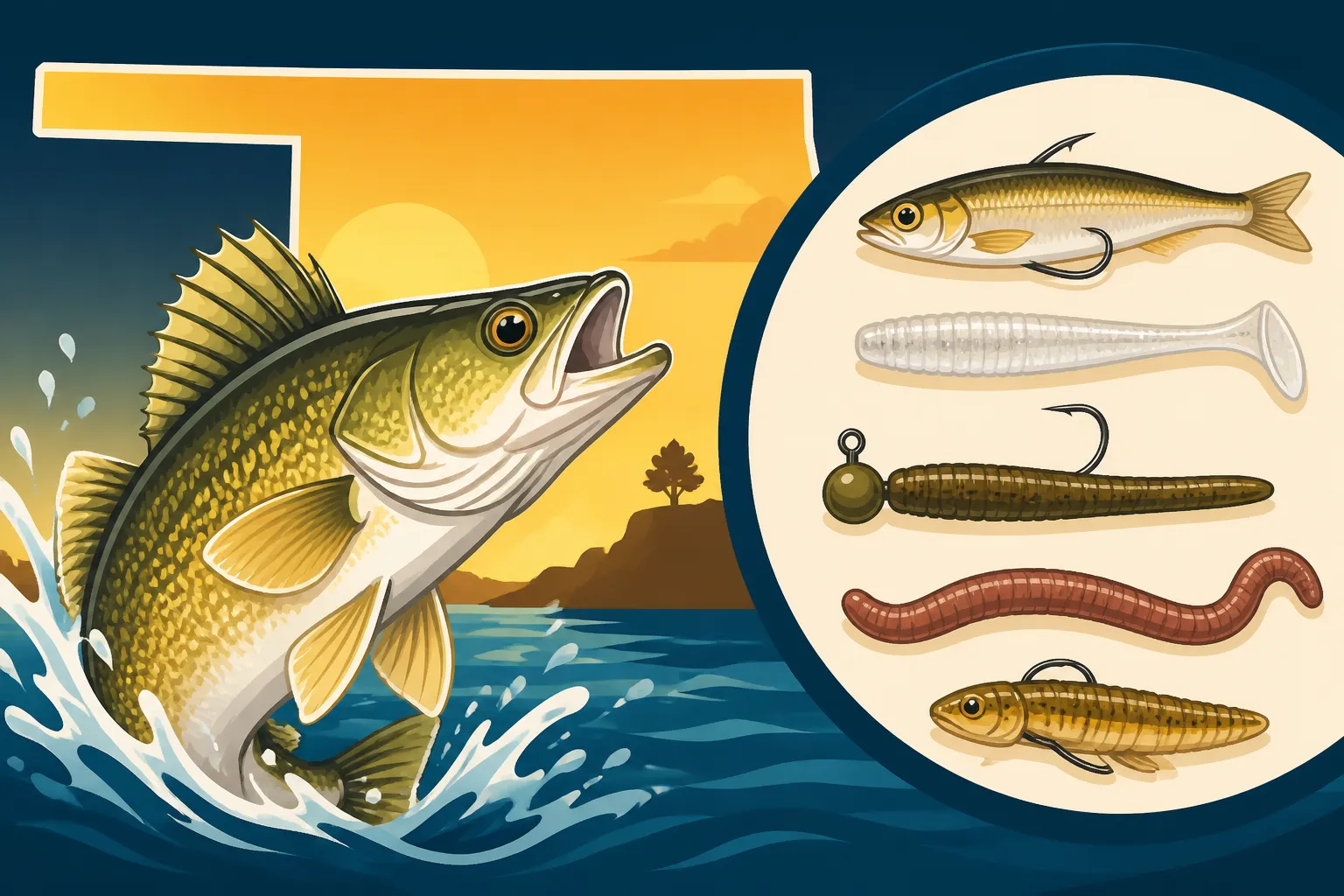
Minnows are arguably the king of walleye baits, and for good reason. They are the natural forage for walleye in most lakes and rivers. Shiner minnows, particularly, are a go-to choice.
You can fish minnows in several ways:
- Jigging: This is incredibly effective. Hook a minnow lightly through the lips or just behind the dorsal fin on a lead-head jig. The jig provides weight and color, while the minnow adds scent and natural movement. Bounce it along the bottom or work it through schools of fish you mark on your electronics. This technique is especially good in cooler water.
- Slip Bobber Rig: A slip bobber allows you to present a minnow at a precise depth, often suspended just above structure or a school of fish. It’s a great passive technique, especially when walleye are sluggish or you’re fishing clear water where a more subtle approach is needed. The minnow's natural struggles will often entice a bite.
- Bottom Rigging: For those times when walleye are hugging the bottom, a simple Lindy Rig or similar bottom-bouncing setup with a minnow is deadly. It allows the minnow to swim naturally, just off the bottom, without much resistance when a walleye picks it up. This is particularly effective when targeting fish in current or on deep flats.
When buying minnows, look for lively ones. A healthy, active minnow on your hook is far more enticing than a sluggish one. Local bait shops are usually the best source for fresh minnows, but if you're looking for specific accessories like aerators to keep them lively, online retailers like Amazon can be very convenient.
Nightcrawlers: Versatile and Wiggling Wonders
Nightcrawlers are another walleye staple, especially in warmer water. Their juicy profile and irresistible wiggle can attract walleye from a distance, and they’re generally easier to keep alive than minnows.
- Crawler Harnesses: This is probably the most popular way to fish nightcrawlers for walleye. A crawler harness typically consists of a weight (like a bottom bouncer or walking sinker) followed by a leader with one or more spinner blades and hooks. You thread a nightcrawler onto the hooks, and as you troll or drift, the spinner blades create flash and vibration, while the crawler provides scent and movement. It's an active presentation that covers a lot of water and is incredibly effective for searching out fish.
- Jig and Crawler: Similar to jigging with minnows, you can tip a jig with a piece of nightcrawler. This adds scent and a bit of extra wiggling action to your jig, often converting hesitant bites into solid hook-ups. It’s a great combination when walleye are finicky about just hitting an artificial lure.
- Drifting or Still Fishing: You can also simply hook a nightcrawler (or half a crawler) on a small hook and fish it under a bobber or on a bottom rig. This less active approach can be very effective when walleye are holding in specific spots and you want a more natural presentation. The scent trail of the nightcrawler is a huge draw.
Make sure your nightcrawlers are plump and healthy. You'll often hook them through the nose or multiple times along the body, depending on your rig, to ensure maximum wiggle.
Leeches: The Underrated Walleye Snack
Leeches are often overlooked by many anglers, but they can be absolutely deadly for walleye, especially in the heat of summer. They are hardy, stay on the hook well, and have an enticing, undulating motion in the water.
- Under a Slip Bobber: Leeches are fantastic for suspending under a slip bobber. They'll swim and stretch, creating a natural presentation that walleye find hard to resist. This is particularly effective when fishing weed lines or suspended fish in open water.
- Tipped on Jigs: Just like minnows and crawlers, a leech makes an excellent jig trailer. Its natural movement adds an element of realism that can outfish plain jigs, especially when the bite is tough. The leech's ability to stay on the hook through multiple casts makes it a durable option.
- On a Lindy Rig: Drifting a leech on a Lindy Rig is another prime technique. The leech's natural swim allows it to look incredibly lifelike as it drifts over structure, often resulting in strong strikes from curious walleye.
Leeches are pretty resilient, making them a great choice for longer fishing trips. You can usually find them at bait and tackle shops, and they'll keep well in a cool, dark place with fresh water.
Effective Artificial Lures for Walleye
While live bait certainly has its place, artificial lures offer versatility, durability, and the ability to cover vast amounts of water quickly. Modern lure designs mimic natural forage almost perfectly, and many are infused with scents to further entice walleye.
Jigs: The Foundation of Walleye Lure Fishing
Jigs are a classic for a reason. They're simple, effective, and incredibly versatile. A basic lead-head jig can be fished in countless ways, making it a must-have in any walleye angler's tackle box.
- Tipped Jigs: As mentioned with live bait, tipping a jig with a minnow, piece of nightcrawler, or leech significantly enhances its appeal. The jig provides flash, color, and weight, while the live bait adds scent and natural texture. This is especially effective in cooler waters or when fish are less active.
- Soft Plastic Jigs: When walleye are more aggressive, soft plastic paddletails, grubs, and finesse worms can be fished on jigs. Colors like chartreuse, white, natural shad, and purple are often highly productive. The key here is to impart action with your rod tip – snaps, lifts, and pauses – to make the plastic "dance" enticingly. Many soft plastics from brands like Berkley or Z-Man are also infused with scent, adding another layer of attraction. You can find a huge variety of these at Bass Pro Shops or through online retailers.
- Hair Jigs and Feather Jigs: These traditional jigs offer a more subtle, natural pulsation in the water. They are excellent for clear water or when fish are highly pressured and shy away from bulkier presentations. Tipping them with a small piece of live bait can still be beneficial.
The weight of your jig depends on depth, current, and wind. Always try to use the lightest jig possible that still allows you to maintain bottom contact or feel the bite.
Crankbaits: Covering Water and Triggering Bites
Crankbaits are fantastic for covering a lot of water, especially when trolling or casting long distances to search for active walleye. They come in various shapes and sizes, designed to dive to different depths and produce specific actions.
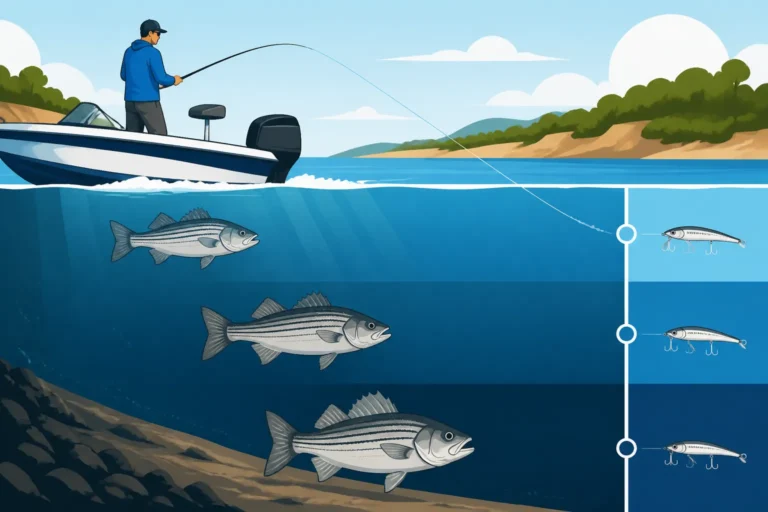
- Trolling Crankbaits: This is a hugely popular and effective method for walleye, especially on large reservoirs like Lake Texoma or Lake Eufaula. By trolling crankbaits at specific depths and speeds, you can target walleye suspended over open water or relating to deep structure. Different crankbaits are designed to dive to different depths, so having a selection is key. Look for models that mimic shad or perch, common forage in Oklahoma.
- Casting Crankbaits: In shallower areas, around weed lines, or over submerged timber, casting a crankbait can be very productive. Lipless crankbaits are great for covering flats, while shallow-diving minnow baits are excellent for rocky points and shorelines. The erratic action and vibration of a crankbait can trigger reaction strikes from hesitant fish.
- Color Selection: Color can be critical with crankbaits. Natural patterns like silver, white, or perch are good for clear water. In stained water, brighter colors like chartreuse, firetiger, or orange can be more effective. Experimentation is key to finding what the walleye prefer on any given day. Best Walleye Lures for Spring Fishing often include specific crankbait profiles.
Spinnerbaits and Blade Baits: Flash and Vibration
These lures are all about attracting attention through flash and vibration, making them excellent choices in stained water or when walleye are actively feeding.
- Spinner Rigs/Blade Baits: Often fished in conjunction with live bait (like a nightcrawler on a crawler harness), standalone spinnerbaits and blade baits can also be effective. The spinning blade creates a flash and thump that walleye can detect from a distance. These are often trolled or drifted to cover ground.
- Blade Baits: These thin, metal lures vibrate intensely when jigged or retrieved. They are excellent for vertical jigging over schools of fish or rip-jigging off the bottom. Their tight wobble and aggressive vibration can really trigger strikes, particularly in cooler water or when fish are deep.
- Colors and Sizes: For spinners, gold and silver blades are common, with various skirt colors. For blade baits, choose colors that contrast well with the water clarity. Smaller blades and baits are often best for finesse presentations, while larger ones can attract bigger, more aggressive walleye.
Seasonal Bait Strategies and Tips
Walleye behavior changes significantly with the seasons, and so should your bait choices and techniques. What works in the chilly spring might be ignored in the heat of summer.
Spring: Post-Spawn Hunger and Shallow Feeding
Springtime, particularly after the spawn, sees walleye moving shallower as they recover and seek easy meals. This is a fantastic time to target them.
- Minnows and Jigs: Post-spawn walleye are often hungry and appreciate an easy meal. Jigging minnows or tipping jigs with soft plastics is incredibly effective around shallow points, rock piles, and submerged timber. The key is a slower, deliberate presentation.
- Shallow-Running Crankbaits: As water warms slightly, walleye will chase down shallow-running crankbaits. Focus on rocky shorelines and shallow flats where they might be ambushing baitfish. Experiment with retrieve speeds – sometimes a slow, steady retrieve is best, other times an erratic twitch can trigger a strike.
- Crawler Harnesses: As the water truly starts to warm up, crawler harnesses pulled slowly behind a bottom bouncer can be deadly, especially on transitional areas where fish are moving from deeper winter haunts to shallower feeding areas.
Remember that Best Time of Year to Catch Walleye in spring is often dictated by water temperature and the duration of the post-spawn recovery.
Summer: Deep Water and Night Feeding
Summer sees walleye retreat to deeper, cooler waters during the day, often becoming more active after dark.
- Deep Trolling Crankbaits: This is a prime time for trolling large, deep-diving crankbaits to reach walleye holding in thermoclines or deep structure. Use your electronics to find baitfish and suspended walleye, then present your lures at that specific depth.
- Bottom Bouncers with Live Bait: Whether it's nightcrawlers on a harness or large minnows, bottom-bouncing rigs are fantastic for targeting walleye on deep humps, ledges, and channel edges. The slower presentation allows fish to inspect the bait.
- Night Fishing: Don't overlook night fishing for walleye in summer! They move shallower to feed under the cover of darkness. Casting shallow crankbaits, slow-rolling spinnerbaits, or even fishing lighted bobbers with minnows or leeches can be incredibly productive. Summer Night Fishing Techniques in Oklahoma are often centered around walleye.
Fall: The Pre-Winter Feast
As water temperatures cool in the fall, walleye go on a major feeding binge to fatten up for winter. This can be one of the best times of year for trophy fish.
- Jigs and Plastics: Vertical jigging with plastics or live bait becomes very effective again as walleye concentrate on structure. They'll actively chase down baits as they feed aggressively.
- Crankbaits and Blade Baits: Trolling or casting crankbaits remains strong, especially as fish move into areas where baitfish are congregating. Blade baits are also excellent for covering depths and enticing reaction strikes from schools of fish.
- Large Minnows: Bigger baits can sometimes mean bigger fish in the fall. Don't be afraid to use larger minnows on your jigs or bottom bouncers to attract those trophy walleye.
Winter: Slow and Steady Wins the Race
Even in winter, open water walleye fishing can be productive, though patience is key. The fish are often lethargic.
- Finesse Jigs: Small jigs tipped with tiny minnows or finesse soft plastics are the ticket. The presentation needs to be slow, subtle, and right in front of the fish's nose. Vertical jigging directly over marked fish is often the most effective method.
- Blade Baits: While not as subtle, a small blade bait worked slowly and with minimal lifts can still trigger strikes in cold water. The intense vibration can sometimes annoy a sluggish walleye into biting.
- Scent is King: In cold water, scent plays an even more crucial role. Don't hesitate to add scent to your artificial lures or ensure your live bait is fresh and lively.
Here's a quick reference table for general bait selection:
| Bait Type | Primary Use Cases | Pros | Cons |
|---|---|---|---|
| Minnows | Jigging, slip bobbers, bottom rigs (all seasons) | Natural look, scent, movement; universal appeal. | Can be fragile; requires care to keep alive. |
| Nightcrawlers | Crawler harnesses, jig tipping, drifting (warm seasons) | Great scent and wiggle; hardy; good for covering water. | Can be picked apart by smaller fish; less appealing in cold water. |
| Leeches | Slip bobbers, jig tipping, drifting (summer, fall) | Very durable; fantastic natural movement; tough to steal. | Not always available; less effective in very cold water. |
| Soft Plastic Jigs | Vertical jigging, casting (all seasons, versatile) | Versatile in shape/color; scent-infused options; no need for live bait. | Requires active presentation; less natural scent. |
| Crankbaits | Trolling, casting (all seasons, covering water) | Covers large areas; dives to specific depths; triggers reaction strikes. | Can be expensive; depth and speed critical for effectiveness. |
| Blade Baits | Vertical jigging, rip-jigging (cold water, deep fish) | Strong vibration and flash; excellent for aggressive fish or deep water. | Less subtle; can snag easily on bottom structure. |
Final Thoughts on Walleye Baits
Ultimately, the "best" bait for walleye fishing is often a combination of factors: the time of year, water conditions, the specific lake or river you're on, and most importantly, what the fish are telling you on that particular day. Don't be afraid to experiment. If minnows aren't working, try a crawler harness. If trolling crankbaits isn't producing, anchor up and jig some plastics.
Always check local regulations for specific lakes. Sometimes, certain lakes might have unique rules regarding bait or specific species limits, like those you'd find mentioned in Walleye, Sauger and Saugeye: Oklahoma's Cousin Fish. The more time you spend on the water, observing and adapting, the better you'll become at cracking the walleye code. And remember, a good selection of quality baits, whether from your local tackle shop or through a convenient online order from Bass Pro Shops, gives you the tools you need for success. Good luck out there!
Disclaimer
This article is for general informational purposes only and does not constitute professional advice. Laws, prices and regulations vary by location and change over time. Consult a qualified professional for guidance on your specific situation.