What Still Applies During Oklahoma’s Free Fishing Weekend
The excitement of Oklahoma's Free Fishing Weekend is absolutely contagious, bringing folks out to the lakes and rivers who might not usually get the chance. It's truly a fantastic initiative by the Oklahoma Department of Wildlife Conservation to encourage participation in our state's rich angling traditions. However, there's a really common misunderstanding that "free" means anything goes. It doesn't! While the state waives the requirement for a fishing license, there are still a whole host of critical rules and regulations that remain firmly in place to protect our fisheries. This guide is here to clear up that confusion, ensuring your free fishing adventure is both fun and fully legal.
Understanding What "Free Fishing Weekend" Truly Means
Let's be honest, the word "free" instantly catches everyone's attention, and for good reason! It opens up the sport to so many people who might be hesitant to buy a license for a single outing, or just want to try fishing for the first time. But it's crucial to understand the specific scope of this "freebie."
The License Waiver: Your Golden Ticket to Oklahoma Waters
The primary and most celebrated aspect of Oklahoma's Free Fishing Weekend is the temporary suspension of the state fishing license requirement. Usually falling on the first weekend of June (like the upcoming Oklahoma Free Fishing Days in June 2026), this means both residents and non-residents can cast a line in public waters without purchasing a general fishing license. This is a huge boon for families, beginners, or even seasoned anglers who just want a relaxed weekend without the paperwork. Imagine being able to introduce a grandchild to the joy of reeling in their first bluegill without having to navigate the various Fishing License Requirements in Oklahoma beforehand. It truly democratizes the sport for those two special days. It's a fantastic opportunity to explore new waters, practice techniques, or simply enjoy the peace and quiet of a morning on the lake without that specific financial barrier.
What Permits Are Still Required?
Now, here's where the "free" part can get a little nuanced and where many anglers can accidentally run afoul of the rules. While the state fishing license is waived, certain other permits or access fees are absolutely still required. The most prominent example, and one that trips up countless anglers, is the Lake Texoma fishing license. Because Lake Texoma is a border lake shared with Texas, both states have a reciprocal agreement. However, during Oklahoma's Free Fishing Weekend, if you're fishing on the Oklahoma side of Lake Texoma, you might still need to possess a special Lake Texoma fishing permit. This permit is separate from the general state license and is a critical detail many overlook.
Beyond Lake Texoma, if you plan to fish in certain state parks or Wildlife Management Areas (WMAs), there might be specific entry fees or special permits required for access, even if your general fishing license is waived. Always double-check with the specific park or WMA you intend to visit. For instance, while you don't need a state license to fish, you might need a WMA permit to access certain parts of a WMA where fishing is permitted. The key takeaway here is that "free fishing" applies specifically to the state's general fishing license, not necessarily to all other potential permits or fees associated with specific locations or circumstances. It's always best to do a quick check on the Oklahoma Department of Wildlife Conservation (ODWC) website or call ahead to your chosen fishing spot to avoid any unwelcome surprises.
Critical Regulations That Remain in Full Effect
Okay, so you don't need a license – fantastic! But this is where realism kicks in. Just because you don't need a license doesn't mean you can empty the lake or ignore the rules designed to protect our precious fish populations. Game wardens are still actively patrolling, and they are not waiving any of the following regulations.
Respecting Daily Bag Limits and Possession Limits
This is perhaps the most critical rule that remains in full force. Every single species of game fish in Oklahoma has a specific daily bag limit, which dictates how many fish of that species you can keep in a 24-hour period. These limits are not arbitrary; they are carefully determined by fisheries biologists to ensure sustainable populations for generations to come.
For instance, during Free Fishing Weekend, if you're out chasing bass, you're still bound by the Oklahoma Statewide Bass Bag Limit Explained, which typically allows you to keep six largemouth or smallmouth bass, with only one of them being 16 inches or longer. You can't just keep every bass you catch! Similarly, crappie anglers must adhere to the Oklahoma Statewide Crappie Bag Limit of 37 fish per day. For catfish enthusiasts, the Oklahoma Forked-Tail Catfish Bag Limit is 15 fish per day, with specific rules about larger blue catfish.
It's vital to understand the difference between a daily bag limit and a possession limit. A daily bag limit is what you can legally catch and keep from midnight to midnight. A possession limit, on the other hand, is the maximum number of fish you can have in your possession at any time, including those at your home from previous fishing trips. While the free fishing weekend focuses on the daily catch, it's good practice to be aware of possession limits if you're a regular angler. Ignoring these limits can lead to hefty fines and the confiscation of your catch and gear.
Adhering to Size Restrictions
Just like bag limits, size restrictions are non-negotiable during Free Fishing Weekend. These rules are put in place to protect young fish, allowing them to grow and reproduce, and sometimes to protect older, larger fish that are crucial for genetic diversity. For example, those bass anglers need to remember the specific The One 16-Inch Bass Rule Anglers Miss, which states that of your six bass, only one can be 16 inches or longer. Catch a 17-inch bass and a 16.5-inch bass? You can only keep one of them.
Crappie fishermen need to be especially mindful of size limits, as they can vary significantly by lake. While there's no statewide minimum for crappie, several popular lakes, like Tenkiller Lake's 10-Inch Crappie Minimum, Lake Arbuckle, Lake Hudson, Fort Gibson Lake, and Grand Lake O' the Cherokees, have a strict 10-inch minimum length for crappie. If you're fishing one of these lakes and catch a crappie shorter than 10 inches, it must be immediately released, regardless of how many you've already kept or if it's "Free Fishing Weekend." For blue catfish, there's even a special rule: within your 15-fish limit, you can only keep one blue catfish over 30 inches, as explained in The 30-Inch Blue Catfish Rule in Oklahoma. Always carry a measuring tape or ruler and know the specific rules for the body of water you're fishing.
Following Gear and Method Restrictions
Even during Free Fishing Weekend, you can't just use any fishing method you please, and there are still limitations on your gear. For most rod and reel anglers, you're generally allowed to use up to seven rods at once. This is a generous limit, but it's not unlimited. You also can't use illegal methods like shocking, poisoning, seining for game fish, or using nets (except for specific baitfish or non-game species as outlined by the ODWC).
Using game fish as bait is also strictly prohibited. For example, you can't catch a small bass and then try to use it to catch a bigger catfish. While less common for weekend anglers, other methods like trotlines, juglines, limb lines, and noodling (hand-fishing for catfish) all have their own specific rules regarding tagging, locations, and seasons. Many of these methods often require additional permits or licenses that are not waived during Free Fishing Weekend. Stick to standard rod and reel methods with legal bait and lures, and you'll be fine. If you're unsure about a specific technique, always consult the current Oklahoma Fishing Guide.
Special Rules for Specific Water Bodies and Areas
Oklahoma boasts an incredible diversity of fishing opportunities, from vast reservoirs to scenic rivers and quiet ponds. However, this diversity also means that regulations can change from one body of water to another. What's legal on Lake Eufaula might be different on the Mountain Fork River.
For example, while the statewide crappie limit is 37, we already discussed how Stricter Crappie Limits at Six Oklahoma Lakes impose a 10-inch minimum length. Rivers and streams also often have different rules for certain species, particularly for bass. The statewide bass limit of one 16-inch or longer bass might be different in a particular river segment, or there might be a more restrictive total bag limit.
Trout fishing areas, like those frequently stocked by the ODWC in the winter months (e.g., portions of the Blue River, Lower Illinois River), often have very specific regulations regarding bait, lure types, and harvest limits, even when not actively stocked. It is absolutely essential to check the signage at the boat ramp or access point, and to consult the latest ODWC fishing guide for the exact lake, river, or pond where you plan to fish. Don't assume that statewide rules apply everywhere. Doing a quick search for "Why Bag Limits Change From Lake to Lake" for your target spot can save you from a potential citation.
Why These Rules Are So Important (Even on Free Days)
It's easy to view regulations as annoying hurdles, but they are truly the backbone of sustainable fishing. They are designed for the health of the resource and the enjoyment of all.
Conservation and Sustainable Fisheries
The core reason for all these rules – bag limits, size limits, and method restrictions – is conservation. Oklahoma's fisheries are a precious natural resource, and without careful management, they could easily be overfished, leading to declining populations and poor fishing for everyone. Think about it: if everyone kept every fish they caught during Free Fishing Weekend, how long would our lakes and rivers remain vibrant?
Regulations help ensure that enough fish survive to reproduce, that trophy-sized fish aren't entirely removed, and that the delicate balance of the aquatic ecosystem is maintained. The ODWC's team of fisheries biologists works tirelessly to study fish populations, habitat conditions, and angler pressure to set these rules, which are all aimed at providing robust, healthy fish stocks year after year. Participating responsibly in Free Fishing Weekend is a way to support these efforts and ensure that future generations can enjoy the same great fishing we do.
Enforcement and Consequences
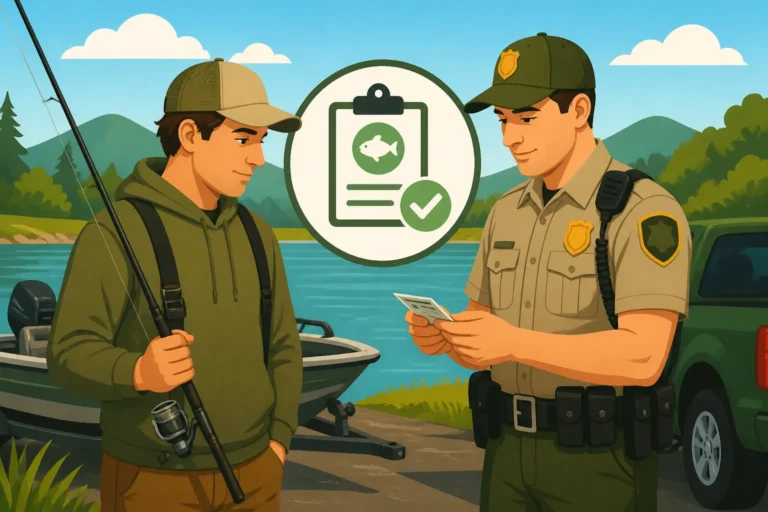
It's a common misconception that because it's "free fishing," law enforcement takes a break. This couldn't be further from the truth. Oklahoma Game Wardens are on full patrol during Free Fishing Weekend, often even more so, precisely because they know more people will be out on the water. Their job is to protect Oklahoma's natural resources and ensure everyone is following the rules.
While you won't get a ticket for Penalties for Fishing Without a License in Oklahoma during this specific weekend, you will absolutely face consequences for violating bag limits, size limits, or using illegal gear. A game warden has the authority to issue citations, which can result in significant fines. They can also confiscate illegally taken fish, and in serious cases, your fishing gear, boat, or even your vehicle could be seized. Repeated or severe violations can lead to the loss of future fishing and hunting privileges. So, please, treat Free Fishing Weekend as an opportunity to enjoy fishing, not an invitation to break the rules.
Maximizing Your Free Fishing Weekend Experience
This weekend is a fantastic opportunity, whether you're a seasoned pro or just getting your feet wet. A little preparation can go a long way in making it a successful and memorable outing.
Pre-Trip Planning is Key
Even if it's "free," a little homework before you head out can make all the difference. First and foremost, confirm the exact dates for Oklahoma's Free Fishing Weekend on the official ODWC website. While it's usually the first full weekend in June, it's always smart to double-check.
Next, decide where you want to fish and do a quick check on that specific location's rules. Is it a lake with a 10-inch crappie minimum? Are there any special bass limits for the river stretch you're targeting? A quick search for "fishing regulations [your lake/river name] Oklahoma" can often yield the specific details you need. The ODWC provides a comprehensive fishing guide online that you can even download to your phone. Consider bringing along a small, affordable tackle box for your trip; you can find excellent starter kits on Amazon that provide a good variety of lures and tackle to get you going.
Don't forget the practical essentials! Pack plenty of water, snacks, sunscreen, insect repellent, a hat, and appropriate clothing. If you're taking kids, bring a small first-aid kit, just in case of minor scrapes or hook incidents. And remember to have a cooler with ice ready if you plan on keeping any fish within the legal limits. Thinking ahead, like using this License and Limit Checklist Before an Oklahoma Fishing Trip, will set you up for success.
Embracing the Spirit of Free Fishing
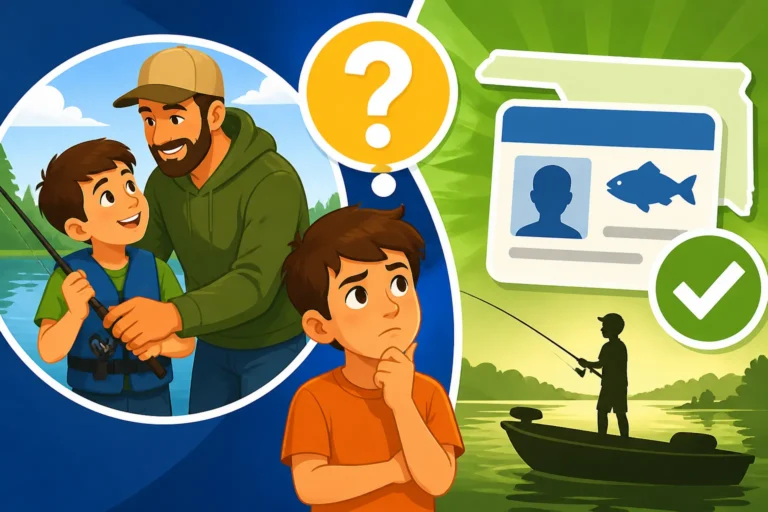
Oklahoma's Free Fishing Weekend is more than just a chance to skip the license fee; it's an invitation to connect with nature, create memories, and perhaps discover a lifelong passion. It's the perfect opportunity for Fishing With Children in Oklahoma Without a License, teaching them about respect for nature, patience, and the thrill of the catch.
Encourage catch and release for fish you don't intend to eat or those that don't meet size requirements. Handle fish carefully with wet hands to minimize stress, and release them gently. Leave no trace behind – pack out everything you pack in, including any discarded fishing line or bait containers. Respect private property signs and always ask for permission if you're unsure about land access.
If you're new to fishing, don't be afraid to ask for tips! Fellow anglers are often happy to share advice, especially during this welcoming weekend. Focus on simple setups; for beginners, a simple worm under a bobber can be incredibly effective for panfish. You don't need fancy gear to have a great time, and understanding some Best Fishing Techniques for Beginners can really boost your confidence. Embrace the experience, share the joy, and make some wonderful memories out on Oklahoma's beautiful waters!
Free Fishing Weekend Rules at a Glance
To make it super clear, here's a quick table summarizing what's waived and what still applies during Oklahoma's Free Fishing Weekend:
| Aspect of Fishing | Status During Free Fishing Weekend | Details to Remember |
|---|---|---|
| State Fishing License | WAIVED (for all residents & non-residents) | No general state fishing license required to fish in Oklahoma's public waters. Great for trying out fishing! |
| Daily Bag Limits | APPLIES | You must adhere to the specific number of fish you can keep per species per day (e.g., 6 bass, 37 crappie, 15 catfish). |
| Size Limits | APPLIES | Minimum and maximum length restrictions are still enforced (e.g., 10-inch crappie at certain lakes, 16-inch bass rule, 30-inch blue catfish rule). |
| Method & Gear Restrictions | APPLIES | Legal methods (rod & reel limit of 7), bait restrictions, and other gear rules remain in effect. No illegal methods allowed. |
| Area-Specific Regulations | APPLIES | Special rules for particular lakes, rivers, or areas (e.g., trout streams, specific state parks, Checking Crappie Rules Before Fishing Grand Lake) are still enforced. |
| Lake Texoma License | APPLIES | If fishing on the Oklahoma side of Lake Texoma, a separate Lake Texoma fishing permit is still required. |
| Wildlife Management Area (WMA) Access Permits | Check ODWC | Some WMAs may require a separate access permit even if your general fishing license is waived. |
| Boating Regulations | APPLIES | All standard boating laws, including life jacket requirements, vessel registration for motorized boats, and safety equipment, remain in full force. |
| Private Property Rules | APPLIES | Always respect private land and ask permission if you are not sure you are fishing on public access land. |
Disclaimer
The information provided in this guide is for general informational purposes only and does not constitute legal advice. Fishing regulations are subject to change. Always consult the most current official Oklahoma Department of Wildlife Conservation (ODWC) fishing regulations guide or visit their website before heading out to fish to ensure compliance with all applicable laws and regulations.