The 30-Inch Blue Catfish Rule in Oklahoma
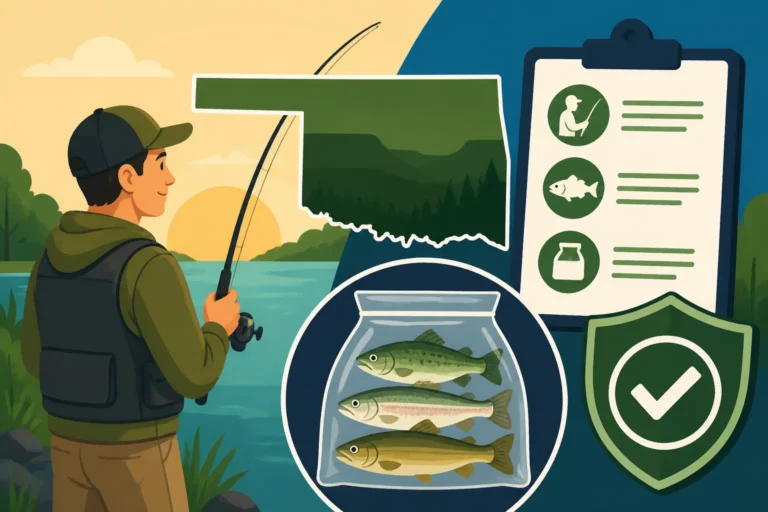
It can be incredibly confusing to keep up with all the different fishing regulations here in Oklahoma, especially when it comes to specific species. You've got your general limits, and then suddenly, there's a special rule for a certain size or type of fish. One of the most common head-scratchers for even seasoned anglers is the 30-inch blue catfish rule. This guide is going to clear up all that confusion, diving deep into what this regulation means for your daily catch, why it exists, and how to make sure you're always fishing legally and responsibly on our beautiful Oklahoma waters.
Understanding Oklahoma's Catfish Regulations
Before we get to the big blue cats, it’s important to understand the broader framework of how Oklahoma manages its catfish populations. We're lucky to have an abundance of these whiskered fighters, but with that abundance comes the need for careful regulation to ensure healthy fisheries for generations to come. It’s not just about what you can keep, but how the rules help sustain the sport we all love.
The Statewide Forked-Tail Catfish Limit
Let's start with the basics. In Oklahoma, blue catfish and channel catfish are often lumped together under the "forked-tail catfish" category because, well, they both have distinctively forked tails! This makes them easy to distinguish from their flathead cousins, who sport a more rounded, paddle-like tail. For these forked-tail species, there's a statewide daily bag limit that applies to most waters across Oklahoma. This means that, generally, you can only keep a certain number of these fish per day, regardless of whether they're blue or channel cats.
The Oklahoma Department of Wildlife Conservation (ODWC) sets these limits based on biological surveys, population health, and angler feedback. The idea is to allow for a good harvest while preventing overfishing. So, when you're out there chasing those delicious pan-sized channels or hoping for a monster blue, remember that your combined catch of these two species contributes to that single daily limit. It's a system designed to keep things fair and sustainable, ensuring there are plenty of fish biting for everyone, every season. For a complete overview, be sure to check out Oklahoma's Catfish Fishing Rules and Limits.
Why Blue Catfish Get Special Attention
Now, here's where the specific rule for blue catfish comes into play. While both blue and channel catfish are popular, blue catfish have a unique place in our fisheries, especially in many of Oklahoma's larger reservoirs like Lake Texoma and Lake Eufaula. These fish are known for their incredible size potential. They're the true heavyweights of the catfish family, capable of growing to monumental proportions, much larger than most channel catfish. We're talking about fish that can easily top 50, 60, or even 100 pounds! Just look at the state record for a testament to their size.
Because of this trophy potential and their slow growth rates once they reach a certain size, blue catfish populations, particularly the really big ones, need a little extra protection. Imagine if everyone kept every massive blue cat they caught; it wouldn't take long before those truly giant fish became a rarity. That's why the ODWC implemented regulations specifically targeting the larger blue catfish. It's about balancing the desire for a good fish fry with the long-term health of our trophy blue cat fisheries. These large breeding fish are crucial for the genetic health and population stability of the species, so protecting them ensures a robust fishery for future generations of anglers.
The Nuance of the 30-Inch Blue Catfish Rule
This is where many anglers get confused, and honestly, it's understandable. It’s not just a blanket "no keeping big fish" rule, but a carefully crafted regulation designed to allow for some harvest while protecting the truly important breeding stock. Let's break down exactly what "The 30-Inch Blue Catfish Rule in Oklahoma" entails.
How the "One Over 30 Inches" Rule Works
The rule states that within your daily aggregate limit of forked-tail catfish (blue and channel combined), only one blue catfish caught can be 30 inches or longer. This means if you catch a blue cat that measures 31 inches, that's your one "trophy" fish for the day in that size class. Any other blue catfish you keep must be under 30 inches. It does not mean you can only keep one fish total if it's over 30 inches; it means only one of the blue catfish you retain can be in that larger size bracket.
Let's say you're out on Grand Lake and you land a beautiful 35-inch blue catfish. That fish counts as your one over-30-inch fish. If you later catch another blue catfish that measures 32 inches, you cannot keep it. It must be released immediately. However, you could still keep additional blue catfish that are, say, 25 inches, up to your overall daily bag limit for forked-tail catfish. It’s a subtle but critical distinction that ensures those valuable larger fish are primarily released, while still allowing anglers to take home a nice one for the wall or the dinner table occasionally. This approach helps sustain the population of larger, mature fish that are vital for spawning and contributing to the gene pool.
The Reasoning Behind the Size Restriction
The rationale behind the 30-inch limit is deeply rooted in fisheries science and conservation. Blue catfish, as mentioned, are long-lived and can grow to immense sizes. However, their growth rate slows significantly after they reach a certain point, typically around the 30-inch mark. Fish in this larger size class are often prime breeding stock. They've survived multiple seasons, grown large enough to be highly successful spawners, and contribute significantly to the genetic diversity and strength of the population.
By limiting anglers to only one blue catfish over 30 inches per day, the ODWC aims to:
- Protect Spawning Stock: Large, mature females, in particular, produce a vast number of eggs, and by protecting them, we ensure successful future generations of blue catfish.
- Maintain Trophy Fisheries: This rule allows for a steady supply of very large fish in our lakes, making Oklahoma a destination for trophy catfish anglers. If every large fish was harvested, the chance of catching a true giant would diminish rapidly.
- Encourage Catch and Release: It promotes responsible angling practices, encouraging anglers to appreciate the fight of a big fish, get a picture, and then release it to grow even larger and spawn again.
- Manage Population Structure: It helps maintain a healthy distribution of various size classes, ensuring there are both smaller, abundant eating-size fish and larger, more mature fish available. This ensures a balanced ecosystem within the lakes and reservoirs.
Understanding this biological reasoning really drives home why this particular rule, which might seem a bit restrictive at first glance, is actually a cornerstone of effective fisheries management for our beloved blue cats. This rule is often confused with the broader Forked-Tail Catfish Limits in Oklahoma, which is why it's so important to understand the specific nuance.
Practical Application for Anglers
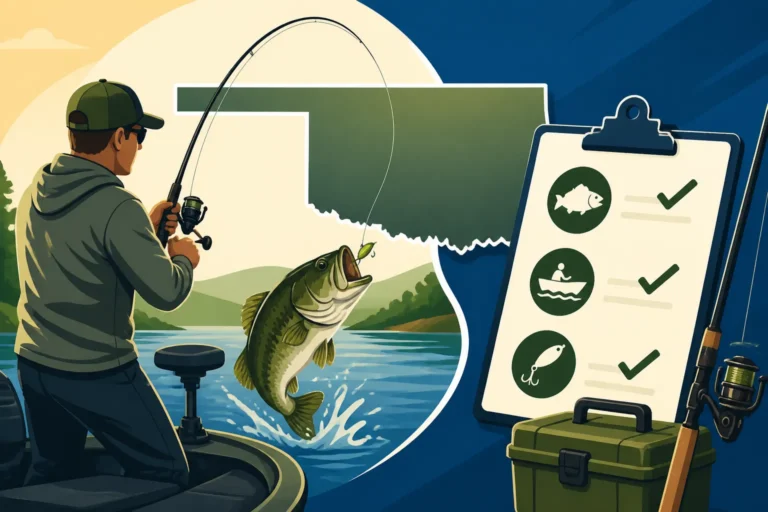
Knowing the rule is one thing; applying it on the water is another. There are a few practical considerations that every angler targeting blue catfish needs to keep in mind to ensure they're compliant and contributing to sustainable fishing practices.
Measuring Your Catch Accurately
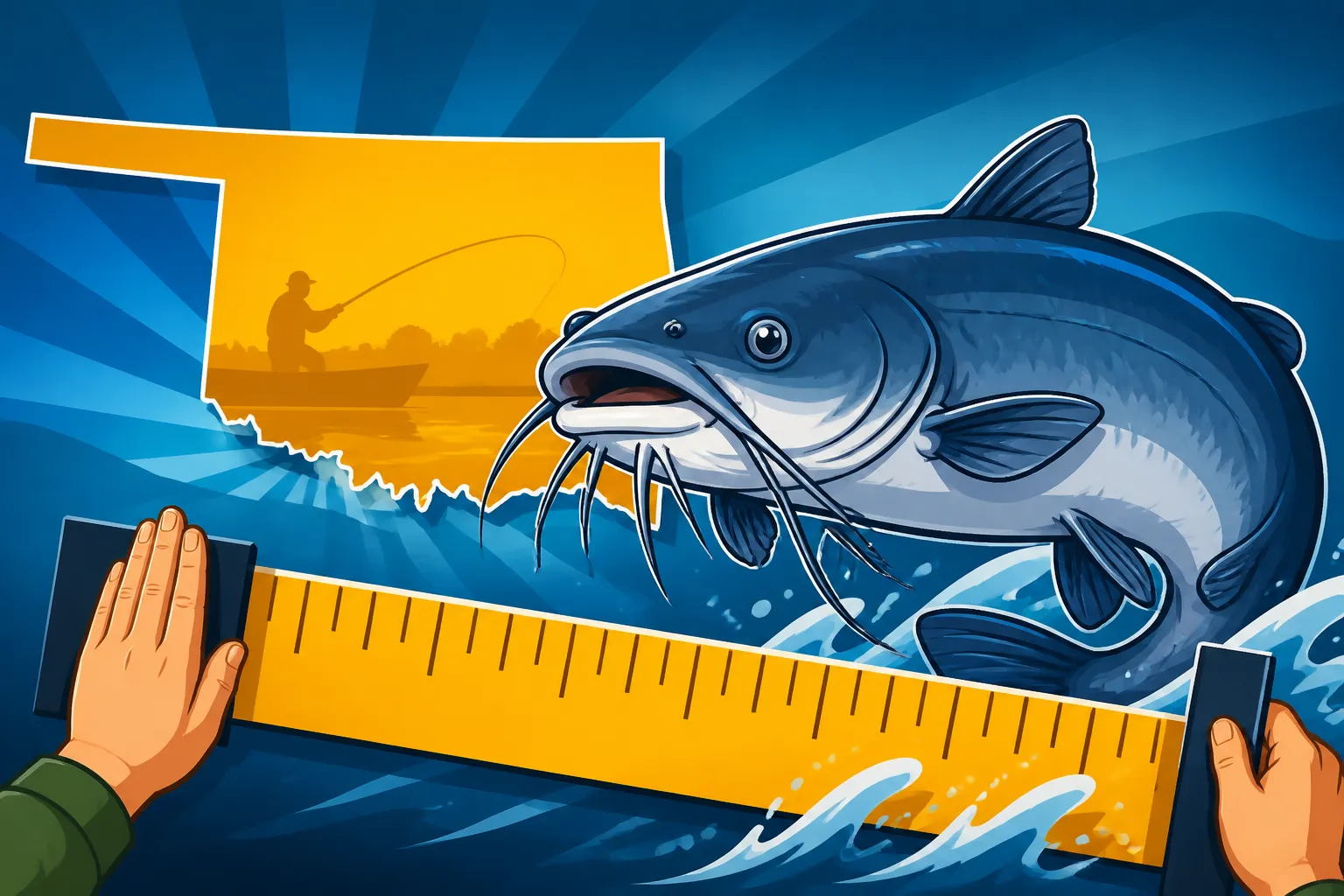
First things first: you need to be able to accurately measure your fish. There's no room for guessing when a regulation like the 30-inch rule is in play. A simple tape measure or a dedicated fish measuring board is an absolute must-have in your boat or tackle bag. When measuring, lay the fish flat on its side. Pinch the mouth shut gently against a solid surface (like the end of your measuring board), and measure to the tip of the tail, with the tail compressed.
It's a good idea to practice this a few times with some smaller fish so you're confident when a potential keeper comes along. Having a clear, easy-to-read measuring device like a reliable Cabela's or Amazon Basics measuring board on your boat makes all the difference. Don't rely on guesswork or a ruler that's seen better days; a game warden certainly won't! If there's any doubt about a fish being right on the edge of 30 inches, err on the side of caution and release it, or measure again with absolute precision. This will save you a lot of headache in the long run.
What to Do If You Catch a Second Large Blue Catfish
This is the scenario that often trips people up. Let's say you've already boated and decided to keep a beautiful 32-inch blue cat. You've got it in your livewell, admiring your trophy. Later in the day, your rod bends over, and after a fantastic fight, you pull in another blue catfish that measures 30.5 inches. What do you do?
The answer is clear: you must immediately release that second blue catfish. No exceptions. It doesn't matter if it's slightly over or significantly over; you've already fulfilled your "one over 30 inches" limit for the day. Trying to keep it could lead to penalties. The best practice here is to have a plan for quick release. Keep a pair of long-nose pliers or a hook remover handy, and be ready to get that fish back in the water as quickly and gently as possible. Minimize its time out of the water, support its body, and ensure it swims off strongly. This is exactly why the ODWC clearly states, "Can You Keep Two Blue Catfish Over 30 Inches?" and the answer is a resounding no.
Essential Gear for Responsible Catfishing
Beyond a good rod, reel, and bait, there are a few pieces of gear that are genuinely essential for responsible catfishing, especially when dealing with specific regulations like the 30-inch blue cat rule.
- Measuring Device: As mentioned, a reliable measuring board or tape is non-negotiable. Look for one that's durable, waterproof, and easy to read, perhaps one you can even get on Amazon.
- Heavy-Duty Scale: While not strictly part of the legal requirements for length, a good digital scale (like a Berkley or Rapala brand) can help you gauge the health and potential trophy status of your catch. Many anglers use them to track personal bests and to get a sense of how big these fish truly get.
- Gloves and Grippers: Large blue catfish have powerful jaws and sharp pectoral fins. Heavy-duty fishing gloves and a lip gripper (like a BogaGrip or similar from Amazon) are invaluable for safely handling big fish, protecting both you and the fish during measurement and release.
- Hook Remover/Pliers: Often, catfish will swallow hooks deep. Having a sturdy, long-handled hook remover or a good pair of pliers is crucial for extracting hooks quickly and minimizing harm to fish you intend to release.
- Aerated Livewell or Release Net: If you are keeping a fish or need to hold it for a moment for a photo before release, a well-aerated livewell or a large, knotless rubberized net can reduce stress on the fish. This is particularly important if you're holding your "one over 30 inches" fish for a while before heading back to the ramp. For more details on the general 15-Fish Catfish Limit for Oklahoma Anglers, these tools will be invaluable.
Beyond the 30-Inch Rule: Other Catfish Regulations
While the 30-inch blue catfish rule is a prominent one, it's just one piece of the puzzle. Oklahoma has a comprehensive set of regulations for all its catfish species, and it's vital to be aware of these as well. Ignorance of the law is no excuse, and wardens are out there to ensure compliance.
Channel Catfish and Flathead Catfish Considerations
While blue catfish get the special 30-inch rule, channel catfish and flathead catfish have their own specific regulations you need to know about.
- Channel Catfish: These are arguably the most widely pursued catfish in Oklahoma, found in nearly every body of water from small farm ponds to massive reservoirs. For most of the state, channel catfish fall under the general forked-tail catfish daily bag limit. There typically isn't a specific size limit on channel cats, meaning you can keep them at any legal size up to your daily bag limit. This makes them a fantastic target for anglers looking for a good fish fry without the complexities of specific size restrictions. However, remember they contribute to the combined Forked-Tail Catfish Limits in Oklahoma, so your blue and channel cats can't exceed that total.
- Flathead Catfish: These solitary, ambush predators are a favorite among trotline and jugline anglers, as well as those who prefer to use live bait. Flathead catfish are often considered a different category due to their unique physical characteristics (a broad, flat head and a rounded tail). Unlike blue and channel cats, they have their own distinct daily bag limit in most Oklahoma waters, separate from the forked-tail limit. Critically, there is no size limit for flathead catfish in most Oklahoma waters. This means that if you catch a flathead, as long as you're within its daily bag limit, you can keep it regardless of its size. This distinction is important, so make sure you're able to tell the difference between Channel Catfish vs Blue Catfish vs Flathead Catfish in Oklahoma.
Knowing these differences is crucial for any serious catfish angler. It's not just about how to fish, but how to fish legally.
Special Lake Regulations and Exceptions
Just when you think you've got it all down, remember that some specific lakes or river stretches in Oklahoma might have even more restrictive or unique regulations that override the statewide rules. This is particularly true for blue catfish. For instance, while the statewide rule is one over 30 inches, certain water bodies might have slot limits or different daily bag limits to achieve specific management goals.
These localized regulations are often put in place to:
- Restore Depleted Populations: If a particular lake's catfish population is struggling, stricter limits might be imposed temporarily to help it recover.
- Enhance Trophy Fisheries: Conversely, some lakes might have more protective slot limits to intentionally grow larger, trophy-sized fish for specialized anglers.
- Address Specific Ecological Needs: Unique environmental factors in a certain body of water might necessitate different rules.
It is your responsibility as an angler to always check the most current Oklahoma Fishing Regulations Guide before heading out to a specific body of water. A quick check of the ODWC website or a physical copy of the regulations book can prevent a costly mistake. Don't assume that just because it's the statewide rule, it applies universally. Always double-check, especially if you're fishing a new lake or river. This diligent preparation is key to a worry-free and legal fishing trip. Always review "Oklahoma's Catfish Rules for Blue and Channel Combined" for any specific lake exceptions listed.
Here’s a quick reference table for general catfish limits, but always verify with current ODWC regulations for specific water bodies:
| Catfish Species | Statewide Daily Bag Limit (General) | Statewide Size Limit (General) | Special Considerations |
|---|---|---|---|
| Blue Catfish | 15 (combined with Channel Catfish) | Only one can be 30 inches or longer | The rest must be under 30 inches. Specific lake exceptions may apply. |
| Channel Catfish | 15 (combined with Blue Catfish) | None | Abundant throughout the state. Specific lake exceptions may apply. |
| Flathead Catfish | 10 | None | Separate bag limit from forked-tail cats. Known for large size. |
Note: This table provides general statewide rules. Always consult the current Oklahoma Fishing Regulations Guide for specific lake rules and the most up-to-date information.
Penalties and Enforcement
No one wants to break the law, especially when it comes to something as enjoyable as fishing. But unfortunately, mistakes happen, or sometimes, outright disregard for regulations occurs. Understanding the potential consequences of violating the 30-inch blue catfish rule, or any fishing regulation, is important for every angler.
Consequences of Violating Size and Bag Limits
Fishing regulations, including size and bag limits, are not mere suggestions; they are laws designed to protect our natural resources. Violating these rules, whether intentionally or by honest mistake, can lead to serious repercussions. The penalties for fishing without a license in Oklahoma or violating bag and size limits can vary depending on the severity of the offense, the number of fish involved, and any previous violations.
Generally, you could be looking at:
- Fines: These can range from moderate to substantial, especially for repeat offenses or for grossly exceeding limits.
- Court Appearances: Many violations are considered misdemeanors and will require a court appearance, which means time off work and potential legal fees.
- Seizure of Equipment: In more serious cases, game wardens have the authority to seize fishing equipment, including rods, reels, boats, and even vehicles used in the commission of the offense.
- Loss of Fishing Privileges: This is often the most impactful penalty for avid anglers. Your fishing license can be suspended or even revoked for a period of time, effectively taking away your ability to participate in the sport.
- Restitution: You might also be required to pay restitution for the value of the fish illegally taken.
It's a stark reminder that these rules are taken seriously. The ODWC invests significant resources in enforcement to ensure that everyone plays by the rules, which ultimately benefits all anglers by preserving healthy fish populations. Make sure you know what happens if you fish without a license in Oklahoma, as that's often tied to other violations.
The Role of Game Wardens in Oklahoma Waters
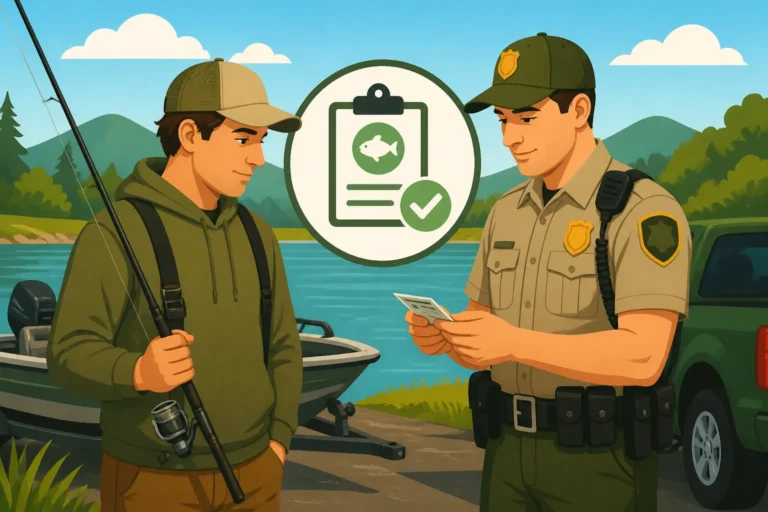
Game wardens are not just there to issue tickets; they are vital conservation officers dedicated to protecting Oklahoma's wildlife and natural habitats. Their primary role is to enforce state and federal laws related to hunting, fishing, and boating, ensuring that these activities are conducted legally and ethically. They are highly trained professionals who know the regulations inside and out, and they spend countless hours patrolling our lakes, rivers, and wilderness areas.
When a game warden approaches you on the water, they are simply doing their job. They have the authority to:
- Request to see your fishing license: Always have your current license readily available, either physically or digitally on your phone.
- Ask to see your catch: They will often inspect your livewell, stringer, or cooler to ensure compliance with bag and size limits.
- Verify measuring devices: They may even check your measuring board to ensure it's accurate.
- Ask questions about your fishing activities: Be polite and cooperative.
Their presence is crucial for deterring illegal activities and educating anglers about proper conservation practices. They are often excellent sources of information regarding local regulations, current fishing conditions, and ethical angling techniques. So, if a game warden approaches, remember they're on your side in the broader effort to preserve our fishing heritage. A simple "hello" and cooperation goes a long way.
Disclaimer
All information provided in this guide is for general informational purposes only and is based on Oklahoma fishing regulations at the time of publication. Fishing regulations, including bag limits, size limits, and special lake rules, can change frequently. It is the angler's sole responsibility to consult the most current Oklahoma Fishing Regulations Guide published by the Oklahoma Department of Wildlife Conservation (ODWC) before engaging in any fishing activity. Always verify specific rules for the body of water you intend to fish. Failure to do so may result in penalties.