Why Bag Limits Change From Lake to Lake
It’s incredibly frustrating, isn't it? You spend all week dreaming of that perfect fishing trip, maybe even plan a multi-species outing, only to realize that the rules you learned for one lake don't quite apply to another just down the road. This guide is here to untangle that confusion, explaining why bag limits can change so dramatically from one Oklahoma lake to the next and how you can always stay in the know before you cast a line.
Understanding Oklahoma's Fisheries Management Philosophy
You might wonder why the Oklahoma Department of Wildlife Conservation (ODWC) doesn't just have one set of rules for the entire state. Wouldn't that be simpler for everyone? While it sounds appealing, the reality of managing diverse natural resources like our lakes and rivers is far more complex. Each body of water is its own unique ecosystem, and what works for one might actually be detrimental to another.
The Statewide Baseline for Anglers
Think of the statewide bag limits as the foundation, the general rules that apply unless specifically stated otherwise. For instance, the general statewide bass bag limits in Oklahoma allow you to keep six black bass (which includes largemouth, smallmouth, and spotted bass) per day. Similarly, there's a statewide crappie bag limit of 37 fish, and forked-tail catfish limits in Oklahoma are generally 15 per day, with specific rules for larger blue catfish. These blanket regulations are designed to provide a sustainable harvest across the majority of the state's waters. They're a good starting point, but they are by no means the final word when you're heading to a specific reservoir or river.
Tailoring Rules to Local Ecosystems
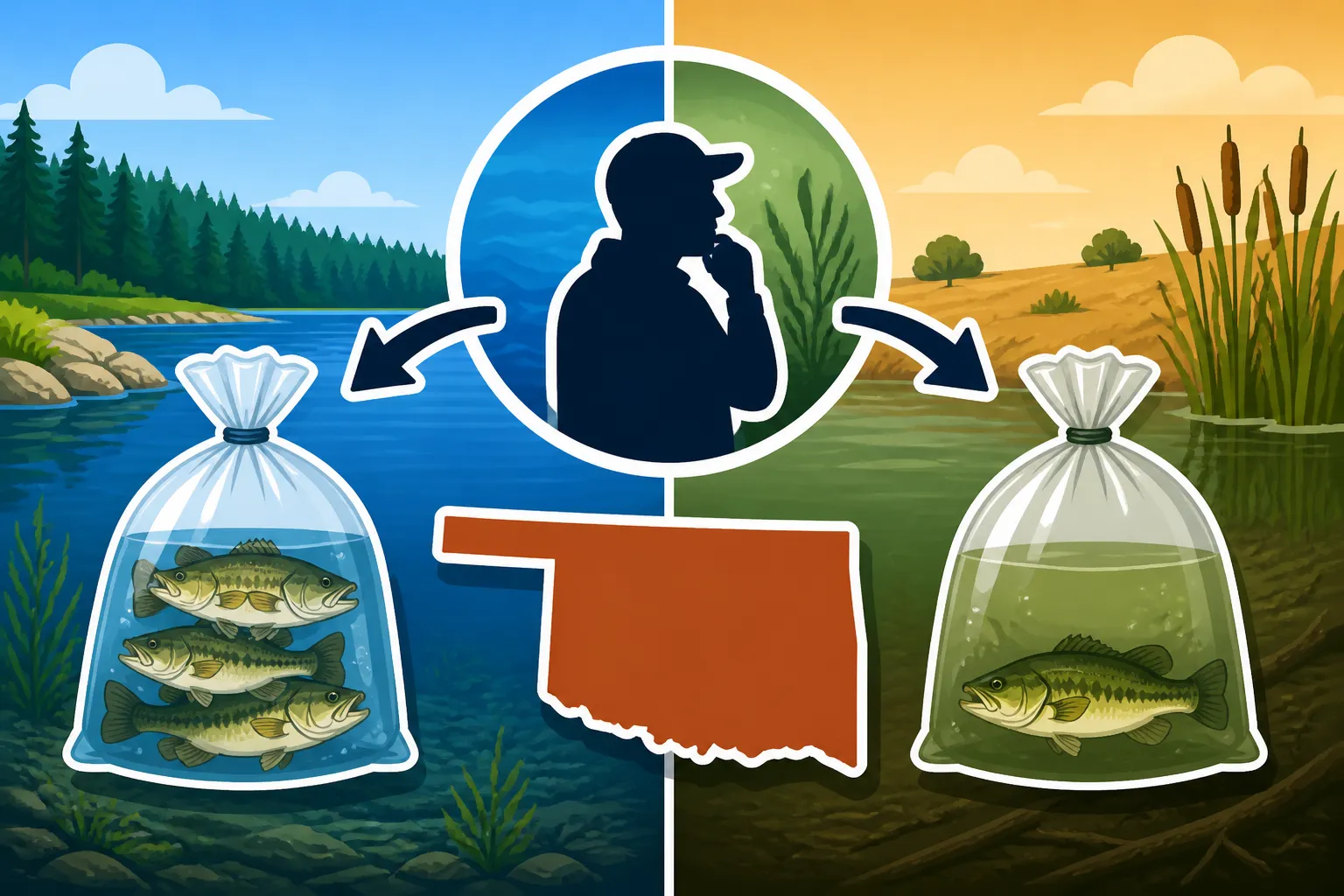
The reason we have lake-specific regulations is because no two lakes are truly identical. What thrives in the deep, clear waters of Broken Bow Lake might struggle in the shallower, murkier conditions of Lake Eufaula. The forage base, the presence of different species, fishing pressure, and even water temperature can vary wildly. The ODWC biologists are constantly monitoring these individual lake systems, collecting data on fish populations, growth rates, and angler harvest. Based on this very specific, localized information, they can then recommend special regulations that are tailored to help a particular fishery flourish. It’s a bit like a doctor prescribing medication—what works for one patient might not be right for another, even if they have similar symptoms. This careful, localized management is key to ensuring healthy fish populations for generations to come.
Key Factors Influencing Lake-Specific Bag Limits
So, what exactly are these factors that biologists consider when deciding to alter a bag limit for a particular lake? It's not just a random decision; there’s a lot of science and observation that goes into it. These decisions are made to ensure long-term sustainability and quality fishing experiences.
Fish Population Health and Dynamics
One of the primary drivers behind varying bag limits is the health and dynamics of the fish population in a particular body of water. Biologists look at several metrics:
- Population Size: Is the species abundant or scarce in that lake? If a species is overpopulated and stunted, meaning there are too many small fish competing for limited food resources, the ODWC might increase the bag limit to encourage anglers to remove more fish. This thinning can lead to the remaining fish growing larger and healthier. Conversely, if a population is struggling, perhaps due to poor spawning years or environmental factors, the limits might be drastically reduced, or even a catch-and-release rule might be implemented to protect the species.
- Age and Size Structure: Are there plenty of young fish coming up through the ranks? Are there enough mature fish to ensure good spawning? Sometimes, a lake might have a healthy number of fish, but they're all too small, or too many older fish are monopolizing resources. Special regulations like "slot limits" are often put in place to manage this. For example, some lakes might have a rule that says you can only keep fish under a certain size and over another size, with fish in the middle "slot" having to be released. This helps protect the prime breeding stock while encouraging harvest of smaller fish. You might find that the statewide bass bag limits in Oklahoma are straightforward, but a specific lake's rules add these nuances.
- Spawning Success: The ability of fish to reproduce successfully each year is critical. Factors like water levels, temperature, and habitat availability during spawning season can greatly affect the next generation. If several years of poor spawning occur, biologists might tighten limits to allow the existing fish to contribute more to future generations.
Habitat Quality and Forage Base
The environment itself plays an enormous role. The quality of the habitat and the abundance of food (the forage base) directly impact how many fish a lake can sustainably support.
- Water Quality and Structure: A lake with excellent water quality, abundant submerged timber, rock piles, and aquatic vegetation provides ideal conditions for fish to thrive, find shelter, and ambush prey. Such lakes can often support higher fish densities and might have more liberal limits, or at least maintain the statewide limits. On the other hand, a lake with poor water quality, limited cover, or sediment issues might have a reduced capacity to sustain a large, healthy fish population. In these cases, lower bag limits help prevent further stress on the fishery.
- Food Availability: What do the fish eat? If a lake has a booming population of shad, sunfish, or other prey species, the game fish (like bass or crappie) will grow faster and larger, and the lake can support more of them. However, if the forage base is scarce, the game fish might become stunted, and their overall population health could decline. ODWC will adjust limits to keep the predator-prey balance in check. For instance, in lakes where crappie are very abundant but small, perhaps due to a limited food supply, the regulations might allow for a higher bag limit to thin the population and allow the remaining fish to grow. You can find detailed information on species-specific rules, such as the Stricter Crappie Limits at Six Oklahoma Lakes, which are often tied to these factors.
Angler Pressure and Harvest Rates
Let's be honest, some lakes are just more popular than others. High angler pressure can significantly impact fish populations, even if the habitat and forage are excellent.
- Popular Fishing Destinations: Lakes like Grand Lake O' the Cherokees, Lake Texoma, or Lake Eufaula see a tremendous amount of fishing activity year-round. When thousands of anglers are all trying to catch fish, the cumulative harvest can quickly deplete a population if not carefully managed. For these highly pressured lakes, the ODWC might implement stricter bag limits or size restrictions to ensure that enough fish remain to sustain the population. This is why you'll often find special regulations on these well-known spots. For example, while the statewide crappie bag limit is 37, you'll want to be Checking Crappie Rules Before Fishing Grand Lake as it has its own specific set of regulations.
- Less-Fished Waters: Conversely, smaller, more remote lakes or less popular stretches of river might not experience the same level of fishing pressure. In these instances, the statewide limits might be perfectly adequate, or in rare cases, limits could even be more liberal if a population needs more aggressive management through angler harvest. The goal is always to balance angler opportunity with conservation.
Common Scenarios for Varying Limits Across Oklahoma Lakes
It helps to think about specific situations where you might encounter these changing limits. It's not just about one factor, but often a combination of them.
Trophy Fisheries and Quality Management
One of the most common reasons for specialized limits is when the ODWC wants to develop or maintain a "trophy fishery" for a particular species. This is often the case with black bass, crappie, or even catfish.
- Growing Bigger Fish: If the goal is to produce exceptionally large bass, crappie, or catfish, biologists might implement stricter size limits (e.g., a 16-inch minimum length for bass) or a reduced bag limit. For example, the rules regarding how many bass you can keep in Oklahoma often include a provision that only one bass over 16 inches can be kept in some lakes, even if the overall bag limit is six. This allows smaller, younger fish to be harvested, reducing competition, while protecting the larger, older fish that have proven their ability to grow big and contribute genetically to the population. You'll find specific details on this when looking at Oklahoma's Bass Fishing Rules and Limits.
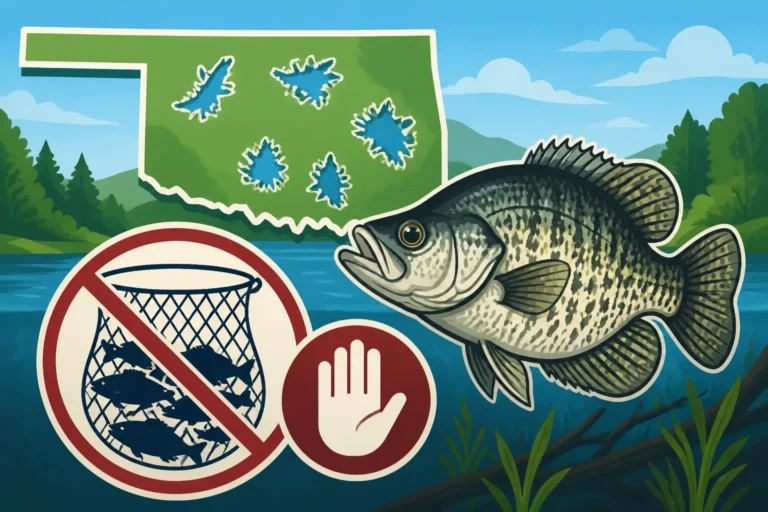
- Lake Arbuckle Crappie: A prime example of this type of management is found at lakes like Arbuckle, Tenkiller, and Hudson, where the standard 37-crappie bag limit is replaced with a stricter 15-fish limit, and often an accompanying 10-inch minimum length. This is precisely why those Stricter Crappie Limits at Six Oklahoma Lakes are in place – to foster a population of larger, healthier crappie for a more rewarding fishing experience. Anglers might catch fewer fish, but the ones they do catch are generally of higher quality.
Overpopulation Control and Environmental Factors
Sometimes, the opposite problem occurs: a fish species becomes overpopulated and the individual fish suffer from stunted growth. This is particularly common with crappie in some nutrient-rich lakes, or even certain panfish.
- Stunted Populations: When fish are too numerous for the available food, they simply don't grow to a desirable size. In these cases, the ODWC might actually increase the bag limit, or even remove size limits entirely, to encourage anglers to harvest more of the smaller fish. This helps thin the population, allowing the remaining fish to have more food and grow faster. It sounds counterintuitive, but it's a vital tool for fisheries management.
- Environmental Resilience: Extreme weather events, such as prolonged droughts that lower water levels dramatically or severe floods that flush fish out of ideal habitats, can also temporarily affect fish populations. While these usually don't lead to permanent bag limit changes, they can sometimes trigger emergency regulations or influence long-term decisions if they become a recurring issue in a specific lake.
Introduced Species and Management Goals
Oklahoma's waters are home to both native species and those that have been introduced over time, either intentionally (like striped bass in Lake Texoma) or unintentionally. The management goals for these species can also influence bag limits.
- Promoting Desirable Introductions: For species like striped bass, which were introduced to provide a unique trophy fishery, regulations are designed to manage their population sustainably, often with specific size and bag limits aimed at maintaining a healthy balance.
- Controlling Invasive Species: In rare cases, if an introduced species becomes invasive and threatens native fish populations, the bag limits might be extremely liberal, or even unlimited, to encourage anglers to remove as many as possible. This isn't common for popular game fish, but it highlights how management goals can diverge. This is part of the larger picture of Oklahoma's Catfish Fishing Rules and Limits, which include unique considerations for species like blue catfish that are thriving in many reservoirs.
| Lake Name | Species | Statewide Bag Limit | Lake-Specific Bag Limit | Lake-Specific Size Limit | Notes |
|---|---|---|---|---|---|
| Statewide (General) | Black Bass | 6 | N/A | N/A | Generally allows 6 black bass (largemouth, smallmouth, spotted combined). |
| Statewide (General) | Crappie | 37 | N/A | N/A | Generally allows 37 crappie (black and white combined). |
| Statewide (General) | Forked-tail Catfish | 15 | N/A | N/A | Generally allows 15 channel and blue catfish combined. |
| Lake Tenkiller | Crappie | 37 | 15 | 10-inch minimum length | Managed for a quality crappie fishery; stricter limits to promote larger fish. |
| Lake Arbuckle | Crappie | 37 | 15 | 10-inch minimum length | Similar quality management as Tenkiller, encouraging larger individual crappie. |
| Fort Gibson Lake | Crappie | 37 | 15 | 10-inch minimum length | Part of the six lakes with stricter crappie limits aimed at improving size. |
| Lake Texoma | Blue Catfish | 15 | 15 (but only one over 30") | Only one blue cat over 30 inches | The 30-inch Blue Catfish Rule in Oklahoma is crucial here; designed to protect trophy-sized broodstock while allowing harvest of smaller fish. The daily limit of 15 still applies to the combined blue and channel catfish species. |
| Oklahoma Rivers/Streams | Black Bass | 6 | 6 (but only one Smallmouth) | 14-inch minimum length (all bass) | Specific rules for flowing waters to protect smaller bass, especially smallmouth, from overharvest. This differs significantly from many lake rules. |
Note: This table provides examples. Always check the current ODWC regulations for the most up-to-date and complete information before fishing.
How to Stay Informed About Lake-Specific Regulations
Given that regulations can be a bit of a moving target, it's absolutely crucial for every angler to know how to find the most current and accurate information. Nothing spoils a great day on the water faster than getting a citation for an honest mistake.
Checking the ODWC Regulations Guide
The absolute best and most authoritative source for all Oklahoma fishing regulations is the Oklahoma Fishing and Hunting Regulations Guide. This is your bible, folks!
- Where to Get It: You can pick up a physical copy for free at most sporting goods stores, bait shops, and ODWC offices across the state. They're usually available each year around January. You can also find the complete guide in digital PDF format directly on the ODWC website, which means you can have it right on your phone or tablet. Sometimes, older versions of the guide might be found on platforms like Amazon, but always ensure you're referencing the current year's edition.
- Navigating the Guide: When you get your copy, take the time to flip through it. You'll find sections dedicated to statewide rules, followed by specific exceptions for individual lakes, rivers, or streams. Look for the "Special Area Regulations" section. This is where you'll find those critical differences for your favorite fishing holes, whether it's the "Why Six Oklahoma Lakes Have Stricter Crappie Limits" or the nuances of the statewide bass bag limits in Oklahoma. Don't just skim the general rules; dig down to your specific destination!
Utilizing Online Resources and Local Information
Beyond the official guide, there are other valuable resources that can help you stay informed, especially for any last-minute changes or unique local insights.
- ODWC Website: The Oklahoma Department of Wildlife Conservation website is a treasure trove of information. They often post updates, news releases, and the digital version of the regulations guide. It's a good habit to check their "Fishing" section before heading out, especially if you haven't been to that particular lake in a while. They have dedicated pages for many popular lakes, often with species-specific updates.
- Local Bait Shops and Marinas: These places are goldmines of local knowledge. The folks working there often live and breathe fishing, and they'll know about recent regulation changes, hot spots, and current conditions. They might even have printouts of specific lake rules if they're particularly complex. Don't be shy about asking questions when you buy your bait or launch your boat!
- Fishing Forums and Social Media Groups: While not official sources, online fishing communities for Oklahoma can be great places to hear about local buzz, get tips, and learn about recent changes. Just remember to always verify critical information with the official ODWC guide or website before relying solely on anecdotal reports.
- Signage at Boat Ramps: Many lakes with special regulations will have signs posted at boat ramps and access points. These signs are there to help you, so take a moment to read them before you launch your boat or start fishing from the bank. They're a final visual reminder of what you need to know for that specific body of water, from how many crappie you can keep in Oklahoma to specific length limits for catfish.
Staying informed about bag limits and other regulations is part of being a responsible angler. It protects our fisheries, ensures good fishing for everyone, and, let's be honest, saves you from potential fines. A little research goes a long way!
Disclaimer
Please remember that fishing regulations, including bag and size limits, can change. While this guide provides comprehensive information, it is crucial to consult the most current Oklahoma Fishing and Hunting Regulations Guide published by the Oklahoma Department of Wildlife Conservation (ODWC) before engaging in any fishing activities. This information is for educational purposes and should not be considered a substitute for official legal guidance.