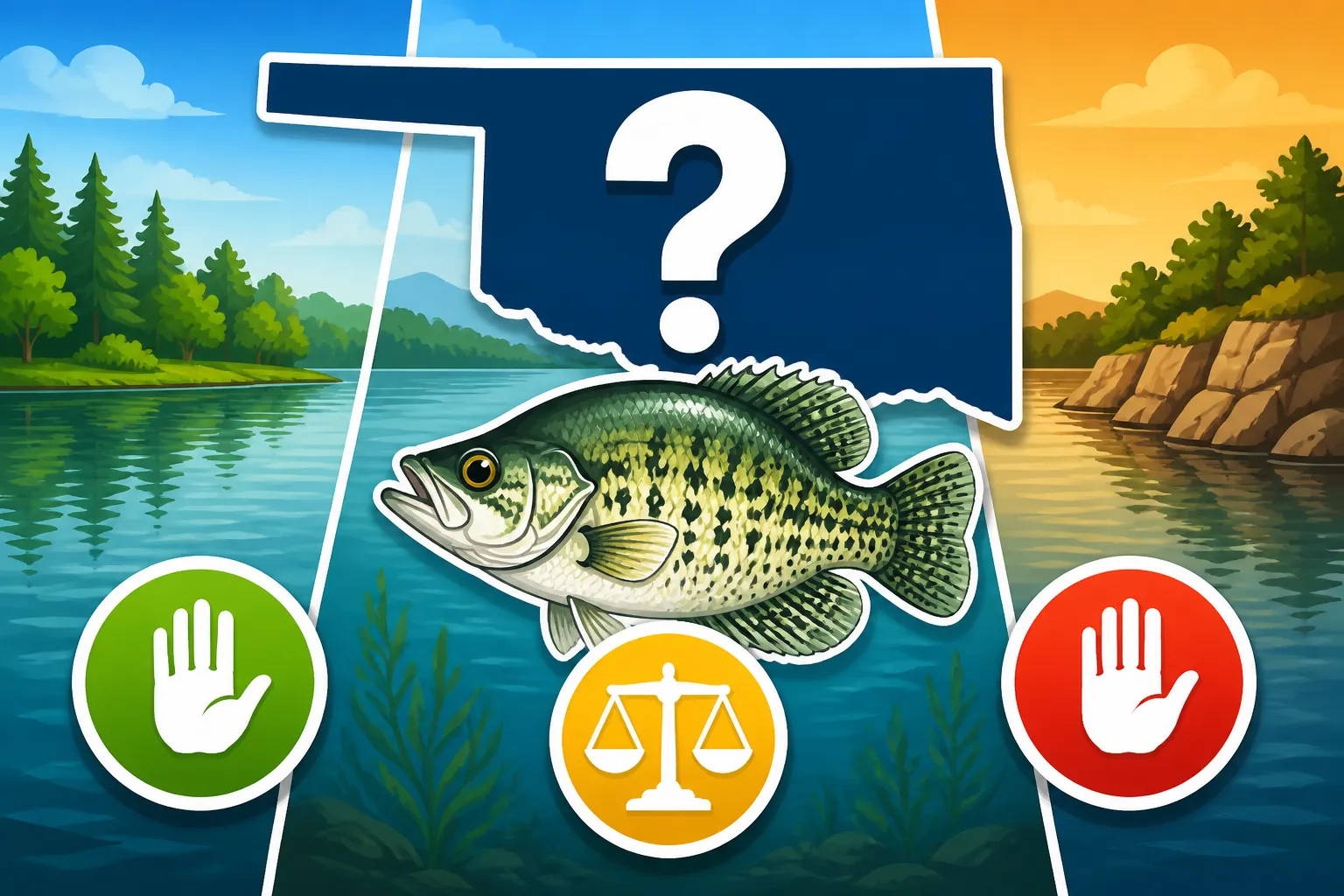
Does Every Oklahoma Lake Follow the Same Crappie Limit?
It's a really common question, and honestly, a lot of anglers get tripped up by this. You spend all that time planning your trip, you've got your bait, your favorite crappie jigs, and you're ready to hit the water, assuming the rules are just one-size-fits-all across the state. But then you hear whispers at the bait shop, or worse, get a gentle reminder from a game warden, that some lakes have entirely different crappie limits than the statewide standard. It can be frustrating and confusing, making you wonder if you need a legal degree just to go fishing! This guide is here to clear up that confusion and make sure your next crappie outing in Oklahoma is both successful and fully compliant with the rules.
Understanding Oklahoma's Statewide Crappie Limits
Before we dive into the exceptions, let's establish the baseline. Oklahoma does have a general set of rules that apply to crappie fishing across most of its waters. This is usually what people think of when they talk about "the crappie limit."
The General Rule for Crappie in Oklahoma
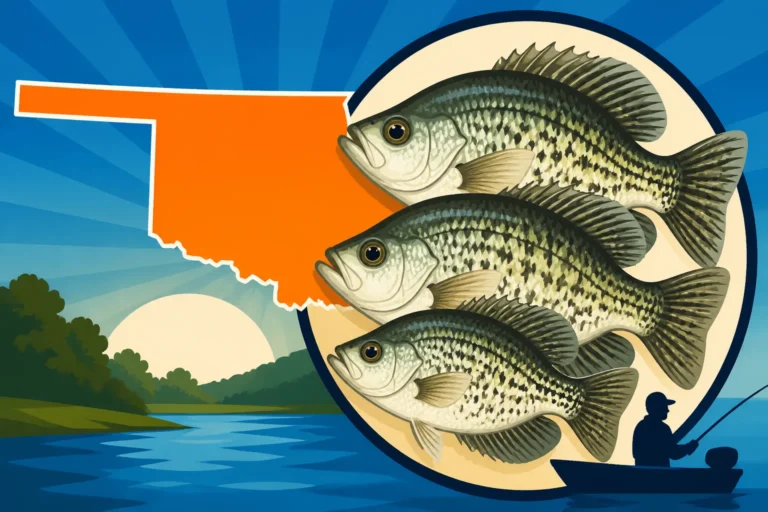
For the vast majority of Oklahoma's lakes, rivers, and ponds, the daily limit for crappie is a generous 37 fish. This limit applies to both black crappie and white crappie, and they are counted together towards that total. So, if you catch 20 black crappie and 17 white crappie, you've reached your daily bag limit. What's also important to note for the statewide rule is that there isn't a minimum size limit. This means that, in these general waters, you can keep crappie of any size, as long as you don't exceed your 37-fish daily bag. You can learn more about this by checking out the official information on the Oklahoma Statewide Crappie Bag Limit.
This statewide regulation provides a good foundation, and it's what many anglers, especially those new to the state or sticking to smaller, less-regulated waters, become familiar with. It allows for plenty of action and a good mess of fish for the frying pan. However, the minute you start venturing to some of Oklahoma's larger, more popular reservoirs, it's absolutely critical to remember that "statewide" doesn't always mean "everywhere."
Why We Have Statewide Limits
These general regulations aren't just arbitrary numbers. They are carefully determined by the Oklahoma Department of Wildlife Conservation (ODWC) based on scientific data, population assessments, and biological factors. The goal is to maintain healthy crappie populations, ensure sustainable fishing for everyone, and allow the species to thrive. A 37-fish limit in most waters suggests that crappie populations are generally robust and can handle that level of harvest without jeopardizing future fishing opportunities. Without these limits, even seemingly abundant fish populations can be quickly depleted, leading to much less enjoyable fishing experiences for future generations.
These regulations also aim to simplify the rules for casual anglers who might not be diving deep into every specific lake's nuances. It gives a broad stroke of understanding that covers a significant portion of the state's fishing opportunities. However, as fisheries managers gain more specific data on individual bodies of water, or as certain lakes become exceptionally popular and face higher fishing pressure, more tailored rules become necessary to protect those unique fisheries.
Lakes with Special, Stricter Crappie Regulations
Alright, here's where it gets really important. While the 37-fish daily bag limit is standard across much of Oklahoma, there are several key lakes that have their own, more restrictive rules designed to manage their crappie populations more effectively. Overlooking these specific regulations can quickly turn a fun day of fishing into a frustrating encounter with a game warden.
The "Ten-Inch Minimum" Lakes
One of the most common special regulations you'll encounter is a minimum size limit, usually 10 inches. This means any crappie you catch that measures less than 10 inches from the tip of its nose to the end of its tail must be immediately and carefully released. This regulation is put in place on certain lakes to allow crappie to grow to a larger, more desirable size and to ensure they have at least one spawning cycle before being harvested. This often leads to better quality fishing in the long run, with more slab crappie making it into anglers' coolers.
Currently, several prominent Oklahoma lakes are subject to a 10-inch minimum size limit for crappie. These include:
- Lake Arbuckle: Known for its clear waters and excellent fishing, Arbuckle Lake Crappie Rules in Oklahoma often feature this size restriction to promote larger fish.
- Hudson Lake: A popular lake in northeastern Oklahoma, Hudson Lake's 10-Inch Crappie Limit Explained helps protect its crappie fishery.
- Tenkiller Ferry Lake: Another beautiful clear-water lake, Tenkiller Lake's 10-Inch Crappie Minimum ensures anglers are targeting mature crappie.
- Fort Gibson Lake: A major reservoir with significant fishing pressure, Fort Gibson Lake's 10-Inch Crappie Rule Explained is vital for managing its abundant crappie.
- Grand Lake O' the Cherokees: One of Oklahoma's largest and most popular lakes, checking Crappie Rules Before Fishing Grand Lake is always a good idea, as it also has a 10-inch minimum.
- Lake Texoma: Straddling the Oklahoma-Texas border, Lake Texoma often has a 10-inch minimum on the Oklahoma side as well, which makes sense given its immense popularity. Be sure to check Crappie Fishing at Lake Texoma on the Oklahoma Side.
It's a good habit to keep a tape measure or a fishing ruler handy when you're on these lakes. There are even cool, adhesive rulers you can stick right to your boat or tackle box, readily available on sites like Amazon, that make quick measurements a breeze.
Lakes with Reduced Bag Limits
While the 10-inch minimum is common, some lakes also implement a reduced daily bag limit that is stricter than the statewide 37 fish. These reduced limits are usually found on waters where crappie populations might be more susceptible to overharvest, or where specific management goals aim to distribute the catch more evenly among anglers.
For instance, Fort Gibson Lake, while having the 10-inch minimum, also has a reduced daily bag limit of 15 crappie. This is a significant difference from the statewide 37 and highlights the importance of checking each lake's specific regulations. This kind of reduction is often implemented when a lake sees extremely high fishing pressure, or if biologists determine that a lower harvest rate is needed for the long-term health of that particular crappie population.
These lakes are often prime crappie destinations, and the stricter limits are a testament to the quality of fishing they offer. They are designed to ensure that those excellent fishing opportunities continue for years to come. Recognizing that "How Many Crappie You Can Keep in Oklahoma" isn't a single answer for every single body of water is the first step to becoming a responsible and successful angler in the state.
The Crappie Hotspots with Unique Rules
Let's dig a little deeper into some of these popular lakes and their specific nuances because, as we've established, they often have more detailed rules than just the standard 37-fish bag. These are the lakes that often yield "slab" crappie, making them highly sought-after, but also requiring careful attention to their specific regulations. These specific rules are a crucial part of managing some of the Best Crappie Lakes in Oklahoma.
Fort Gibson Lake
Fort Gibson is a well-known crappie haven, especially in the spring. Its 10-inch minimum size limit helps to protect the younger fish, giving them a chance to mature. Combine that with the reduced 15-fish daily bag limit, and you have a fishery managed for quality, not just quantity. This means you might not fill a cooler as quickly as on some other lakes, but the crappie you do keep are often larger and more desirable. Anglers here often focus on finding submerged brush piles and timber, where these larger crappie tend to congregate. If you're planning a trip, be sure to look up the latest on Fort Gibson Lake's 15-Fish Crappie Limit.
Hudson Lake
Just north of Fort Gibson, Hudson Lake also boasts a 10-inch minimum size limit for crappie. This lake is another fantastic crappie fishery, popular with both local and visiting anglers. The stricter size limit helps maintain the average size of crappie caught, which is a big draw for many. Because of its smaller size compared to some of the larger reservoirs, careful management of the crappie population is particularly important here to prevent overfishing. Anglers often find success around the standing timber and creek channels.
Tenkiller Ferry Lake
Tenkiller is famous for its clear, deep waters and stunning scenery. It too implements a 10-inch minimum size limit for crappie. The clear water can make crappie a bit more finicky, but the payoff can be some truly large fish. The 10-inch minimum ensures that anglers are harvesting fish that have had a chance to grow and contribute to the population's health. Fishing around rocky bluffs, deep points, and submerged timber are common strategies here. For specifics, always double-check the rules regarding Tenkiller Lake's 10-Inch Crappie Minimum.
Lake Arbuckle
Down in south-central Oklahoma, Lake Arbuckle is a gem, particularly for its crappie fishing. Like the others, it has a 10-inch minimum size limit. The lake's unique structure, with numerous submerged humps and ledges, makes for excellent crappie habitat. The size limit helps ensure that the fish caught are of a good eating size and that the population remains strong for future seasons. Anglers exploring Arbuckle often employ jigs and minnows around deep structure.
Grand Lake O' the Cherokees
Grand Lake is a behemoth, known for its diverse fishing opportunities. It's no surprise that a lake of this size and popularity has specific regulations for crappie, including a 10-inch minimum size limit. Given the immense fishing pressure it receives, this regulation is critical for protecting its crappie stock. Anglers on Grand Lake often target crappie around docks, bridge pilings, and brush piles, especially during the spring and fall migrations. The sheer size of the lake means that knowing specific areas and tactics, along with the rules, is crucial. Checking Crappie Rules Before Fishing Grand Lake should be a routine step in your planning.
Lake Texoma
This massive border lake is legendary for its striped bass, but its crappie fishery is also phenomenal. On the Oklahoma side, a 10-inch minimum size limit for crappie is typically in effect, mirroring some of the rules on the Texas side. This common regulation helps to manage the vast crappie population effectively across state lines. Given that the lake is so large, knowing the precise Crappie Fishing at Lake Texoma on the Oklahoma Side rules is essential to avoid any issues with game wardens from either state. Anglers here often find crappie holding to deep structure, bridge pilings, and submerged cover.
These six lakes, specifically highlighted in the ODWC regulations as having "Stricter Crappie Limits at Six Oklahoma Lakes," are prime examples of why a quick glance at the general rules isn't enough. They represent some of the most productive and beautiful fisheries in the state, and their unique regulations are a key component of their continued success.
How to Stay Informed About Crappie Limits
With varying rules from lake to lake, staying informed is absolutely non-negotiable for any responsible angler in Oklahoma. Don't rely on old memories or hearsay; regulations change, and what was true last year might not be true today.
Checking the Current Fishing Regulations Guide
Your absolute best friend when it comes to understanding Oklahoma fishing rules is the Oklahoma Fishing and Hunting Regulations Guide. This guide is published annually by the Oklahoma Department of Wildlife Conservation (ODWC) and is the definitive source for all current regulations, including specific lake limits for crappie. You can usually pick up a physical copy for free at most sporting goods stores, bait shops, and even some convenience stores across the state. It's also readily available as a PDF download on the ODWC's official website. I always make sure to have the latest digital copy on my phone or a printed copy in my tackle box. This little booklet holds all the answers to questions like "Crappie Fishing Rules and Limits in Oklahoma," and it's something every angler should consult.
Inside the guide, you'll find a detailed section on crappie, including the statewide limits and then a list of specific lakes with their unique regulations. It will clearly state any minimum length requirements and any deviations from the 37-fish daily bag limit. Taking just a few minutes to review this section before heading out can save you a lot of hassle and potential fines later on.
Why Local Knowledge Matters
While the official guide is paramount, there's also immense value in local knowledge. Bait shops, tackle stores, and even local gas stations near popular fishing lakes often have up-to-date information or can point you to specific nuances of the local fishery. They often have signs posted with local regulations or simply know from daily conversations what's current. For example, if you're heading to Lake Arbuckle, a quick stop at a bait shop in Sulphur or Ardmore might give you insights not just on where the crappie are biting, but also a friendly reminder about the 10-inch minimum.
Talking to other anglers at the boat ramp or on the docks can also provide valuable information. Most seasoned anglers are happy to share their knowledge, especially when it comes to important regulations. Just remember to always cross-reference any informal tips with the official guide to ensure accuracy. A combination of the official guide and local insights will make you the most informed angler on the water.
Planning Your Crappie Fishing Trip Around Specific Limits
Knowing the rules is one thing, but actually incorporating them into your fishing strategy is another. It requires a bit of planning and mental adjustment, especially if you're used to the more relaxed statewide limits.
Before You Go: A Checklist for Crappie Anglers
Preparation is key to a stress-free and legal crappie fishing trip. Here's a simple checklist to run through before you even hook up the boat or pack your bank fishing gear:
- Identify Your Target Lake: Pinpoint the specific lake or body of water where you plan to fish. This is the absolute first step.
- Consult the Current ODWC Regulations: Open up that digital or physical copy of the Oklahoma Fishing and Hunting Regulations Guide.
- Find the Crappie Section: Locate the section dedicated to crappie limits.
- Check Statewide Rules: Note the general bag and size limits for crappie.
- Check for Lake-Specific Rules: Crucially, look for your chosen lake in the list of waters with special regulations. Does it have a minimum size limit (like 10 inches)? Does it have a reduced bag limit (like 15 fish)? If so, write these down.
- Pack Measuring Tools: Ensure you have a reliable tape measure, ruler, or a marked section on your boat/kayak/cooler to quickly and accurately measure your crappie. Some anglers even purchase specialized fish measuring boards, which can be found online or at sporting goods stores.
- Consider Your Gear: Think about your tackle. If there's a 10-inch minimum, you might naturally aim for slightly larger fish by adjusting your lure size or bait presentation, though crappie will hit anything.
- Internal Link Reminder: It's also a great idea to refresh your memory on other regulations, like those found in the comprehensive Fishing Regulations You Need to Know in Oklahoma or even specific species limits like Oklahoma's Bass Fishing Rules and Limits, especially if you plan to target multiple species.
Taking these steps helps build good habits and ensures you're ready for whatever regulations your chosen fishing spot holds.
Adjusting Your Fishing Strategy
When you're fishing a lake with specific crappie limits, your approach might need a little tweaking. It’s not just about what you catch, but also what you do with it.
- Mindful Measuring: If there's a 10-inch minimum, every crappie that comes over the rail needs a quick, gentle measure. Get good at it! Wet your hands before handling the fish to protect their slime coat, measure quickly, and if it's short, release it gently back into the water. Don't just throw them back; lower them carefully to minimize stress.
- Counting Your Catch: Keep a mental (or even physical) count of your keepers. If your lake has a 15-fish limit instead of 37, you'll hit that limit much faster. Using a stringer or a cooler helps you keep track of what you've kept and when you need to stop.
- Targeting Larger Fish: While crappie are opportunistic feeders, understanding the minimum size limit might subtly influence your lure or bait choices. Larger jigs, bigger minnows, or fishing deeper structure where bigger crappie often reside could become a more focused strategy. This is where exploring different Crappie Fishing Techniques and Seasonal Patterns in Oklahoma can really pay off.
- Conservation Mindset: Stricter limits are often about promoting a healthier, higher-quality fishery. Embrace that conservation mindset. Releasing those short fish isn't a nuisance; it's an investment in future "slab" crappie.
It's a small shift, but an important one. By being aware and adapting your methods, you ensure a legal and enjoyable day on the water, while also contributing to the longevity of Oklahoma's fantastic crappie fishing.
Comparing Crappie Limits in Oklahoma
To make it super easy to understand the differences, here’s a quick comparison of the general statewide crappie limits versus the specific rules for those six well-known Oklahoma lakes that often have stricter regulations.
| Regulation Type | Statewide Oklahoma Crappie Limit | Fort Gibson, Hudson, Tenkiller, Arbuckle, Grand Lake, Texoma (Oklahoma side) |
|---|---|---|
| Daily Bag Limit | 37 crappie (black and white combined) | 15 crappie (Fort Gibson, Texoma, Grand Lake) or 37 crappie (Hudson, Tenkiller, Arbuckle) |
| Minimum Size | None (any size crappie can be kept) | 10 inches (all six lakes listed) |
Note: Always consult the current Oklahoma Fishing and Hunting Regulations Guide for the most up-to-date and specific rules, as regulations can change.
Disclaimer
Please remember that fishing regulations, including bag limits and size restrictions, can change. The information provided in this article is intended for general guidance and informational purposes only. It is the responsibility of every angler to consult the most current official Oklahoma Fishing and Hunting Regulations Guide published by the Oklahoma Department of Wildlife Conservation (ODWC) before engaging in any fishing activity. Always verify specific rules for the body of water you intend to fish.