Planning a Multi-Species Fishing Day
There's nothing quite like the dream of heading out on an Oklahoma lake or river and reeling in a bit of everything – a feisty bass, a delicious crappie, and maybe even a big ol' catfish all in one glorious outing. However, the reality often sets in when you realize that each of these fantastic species has its own preferences, habits, and, perhaps most importantly, its own set of rules. It can feel overwhelming trying to juggle different baits, techniques, and especially the specific regulations for each type of fish you hope to catch. This guide is here to untangle that complexity, offering a clear path to planning a multi-species fishing day in Oklahoma that’s both successful and totally legal.
Understanding Oklahoma's Multi-Species Landscape
Oklahoma truly is an angler's paradise, boasting an incredible diversity of fish species across its many lakes, rivers, and ponds. It's easy to get excited about the prospect of catching a mixed bag, but to really make that dream a reality, it helps to understand what makes these waters so productive for multiple species and who you're likely to encounter.
The Allure of Diverse Catches
The sheer thrill of not knowing what's going to hit your line next is a huge part of the appeal of multi-species fishing. One moment you might be fighting a hard-pulling striped bass, and the next, you could be gently reeling in a panfish for the kids. This variety keeps things exciting, prevents boredom, and offers different challenges throughout the day. It also means that if one species isn't biting, you've got a backup plan built right into your strategy. Imagine spending hours targeting bass with no luck, only to switch to a different bait or technique and start hauling in crappie or catfish. That ability to adapt and still come home with a cooler full of fish is incredibly satisfying. Plus, different species thrive in different conditions, so having a multi-species mindset helps you make the most of whatever weather or water conditions the day throws at you.
Key Species to Target for Variety
When you're thinking about a multi-species day in Oklahoma, there are a few heavy hitters that often coexist in the same waters, making them ideal targets.
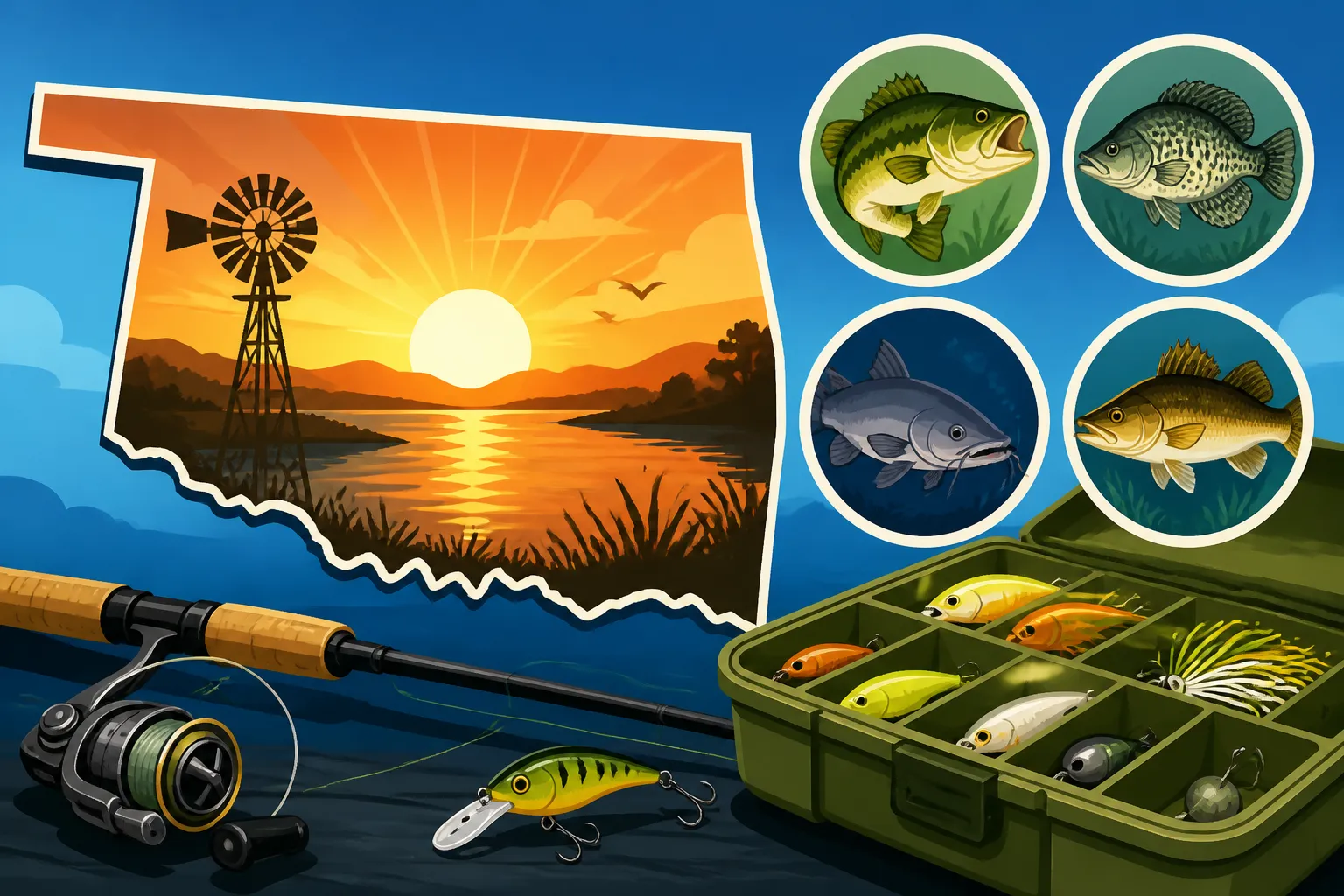
- Bass (Largemouth, Smallmouth, Spotted): These are perhaps the most popular game fish in the state. Largemouth bass love structure like submerged timber, weed lines, and docks. Smallmouth bass prefer rocky areas, clear water, and current, often found in rivers or the deep ends of reservoirs. Spotted bass are a bit of a hybrid, often found in similar areas to largemouth but also tolerating more current. They're aggressive and respond well to a variety of lures.
- Crappie (Black and White): These panfish are delicious and abundant. Both black and white crappie typically hang around submerged brush piles, standing timber, bridge pilings, and creek channels. They often school up, so when you find one, you've usually found a bunch. They're a favorite for their fight on light tackle and their flaky white meat.
- Catfish (Channel, Blue, Flathead): Oklahoma is a premier destination for catfishing. Channel catfish are widespread and adaptable, found in almost any water body. Blue catfish prefer larger reservoirs and river systems, growing to immense sizes. Flathead catfish are ambush predators that like heavy cover, often found around log jams and rock piles in rivers and larger lakes. They offer a completely different kind of fight and dining experience.
- Sunfish/Panfish (Bluegill, Redear, Green Sunfish): These smaller, feisty fish are perfect for introducing kids to fishing or for a relaxing day with light tackle. They're found in virtually all waters, often around shallow cover like lily pads, docks, or submerged weeds. They're usually easy to catch and can provide consistent action.
The key here is that these species, while having preferred habitats, often overlap. A lake with good bass habitat will likely have crappie in the timber and catfish in the deeper channels or along the banks. This natural coexistence is what makes a multi-species trip so feasible and fun in Oklahoma.
Navigating Regulations for Multiple Species
This is where planning truly becomes essential. Oklahoma has robust fishing regulations, and they are designed to protect fish populations while ensuring fair and sustainable angling opportunities. Trying to target multiple species without understanding these rules is a recipe for a bad day, potentially leading to fines or worse. It's not just about having a license; it's about knowing the specifics for each fish you intend to keep.
Licenses Are Your First Step, Always
Before you even think about which lure to tie on, you absolutely need to make sure your fishing license is in order. This isn't just a recommendation; it's the law. Whether you're a seasoned local or visiting from out of state, a valid license is your ticket to legally casting a line in Oklahoma. There are different types available, from annual resident licenses to short-term nonresident options, and even special considerations for seniors and kids.
For example, an adult Oklahoma resident generally needs an annual fishing license, but if you're only planning a quick trip, you might look into an Oklahoma Resident 1-Day Fishing License Cost. Non-residents, of course, have different price points, and it's worth weighing if the Nonresident Annual Fishing License Cost in Oklahoma is more economical than multiple 1-day licenses, especially if you plan to visit a few times. Don't assume anything – always check the current requirements. You can easily buy an Oklahoma fishing license online or at many sporting goods stores, so there's no excuse to skip this crucial step.
Bag Limits: The Crucial Details by Species
Once your license is secured, the next big hurdle for a multi-species day is understanding and adhering to the bag limits. This is where many anglers, especially those new to a specific state or lake, can get tripped up. Bag limits dictate the maximum number of fish of a particular species you can keep in a single day. Crucially, these limits can vary wildly not just by species, but also by specific body of water.
Let’s look at some examples:
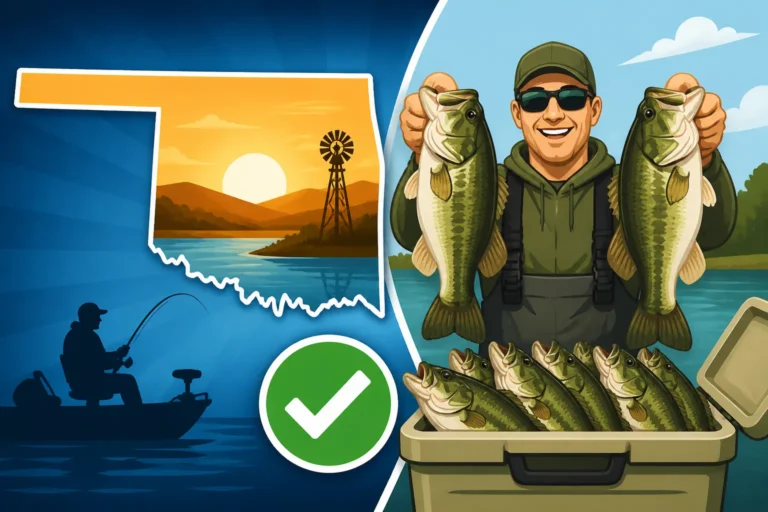
- Bass: Generally, Oklahoma's Statewide Bass Bag Limits in Oklahoma allows for a combination of largemouth, smallmouth, and spotted bass. However, some lakes might have special regulations, like a slot limit where fish within a certain size range must be released, or a reduced daily bag limit. It's vital to check the current regulations for the specific lake you're fishing. For instance, you might find a special "one 16-inch bass rule anglers miss" on certain lakes, meaning only one of your six bass can be over that length.
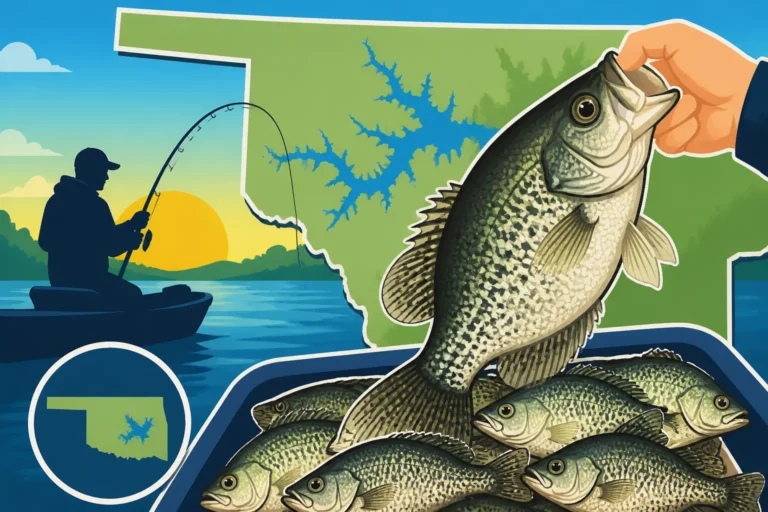
- Crappie: The Oklahoma Statewide Crappie Bag Limit is often quite generous, but like bass, there are exceptions. There are specific bodies of water, such as Arbuckle Lake, Tenkiller Lake, and Fort Gibson Lake, where stricter crappie limits at six Oklahoma lakes apply. This often includes a reduced daily bag limit and sometimes a minimum length requirement, like Tenkiller Lake's 10-inch crappie minimum. Always check the local rules for your chosen destination.
- Catfish: For forked-tail catfish (blue and channel), there's a specific limit that often includes a nuance for trophy-sized blues. You'll want to be familiar with the Forked-Tail Catfish Limits in Oklahoma, especially the 30-inch blue catfish rule in Oklahoma, which states that only one blue catfish over 30 inches can be kept within your daily limit. Flathead catfish often have a separate, usually lower, bag limit.
The bottom line here is research. Before you head out, pull up the current Oklahoma Fishing Regulations Guide from the Oklahoma Department of Wildlife Conservation (ODWC) website and double-check the rules for every species you plan to target and for the specific water body you'll be fishing. It takes a few minutes, but it can save you a lot of headache (and money) later.
Size Limits: Knowing What You Can Keep
Beyond bag limits, many species also have size limits – either a minimum length you can keep, a maximum length, or a slot limit (where fish within a certain size range must be released). This is especially true for bass and crappie in various lakes.
- Bass: You might encounter a 14-inch minimum for river and stream bass, which differs from many lake regulations. This means a 14-inch bass caught in a creek might be illegal to keep if you aren't paying attention to the specific water body. Always carry a measuring device!
- Crappie: As mentioned, several lakes have a 10-inch minimum size for crappie. This means if you catch 37 crappie (the statewide limit), but 20 of them are under 10 inches on a restricted lake, you're only legally allowed to keep 17. It sounds simple, but in the heat of the moment, it's easy to forget.
- Catfish: While the 30-inch blue catfish rule is about how many you can keep over a certain size, it's still a size-based regulation you need to be aware of.
These rules are in place for a good reason – to ensure that fish have a chance to grow and reproduce, maintaining healthy populations for future generations of anglers. Ignoring them isn't just illegal; it's detrimental to the very sport we love.
Strategic Planning for a Successful Multi-Species Day
A successful multi-species fishing day isn't just about luck; it's about smart planning. You need to consider where you're going, what gear you'll bring, and how you'll adapt your techniques throughout the day.
Location, Location, Location: Finding the Right Spot
Choosing the right fishing spot is perhaps the most critical decision for a multi-species day. You can't catch a variety of fish if the water body only holds one dominant species. You need a lake or river that offers diverse habitats.
- Look for diverse habitat: The best multi-species waters in Oklahoma will have a mix of features: deep channels, shallow coves with submerged vegetation, rocky points, standing timber, brush piles, and maybe some open water for schooling fish. A lake like Lake Texoma, for instance, is famous for striped bass, but also holds excellent populations of largemouth bass, crappie, and catfish, thanks to its varied depths and structure. Lake Eufaula, often called Oklahoma's Gentle Giant, is another prime example, with its vast size offering everything from shallow backwaters to deep creek channels.
- Research stocking reports: The ODWC often publishes stocking reports, which can give you clues about where certain species are thriving.
- Consider size and accessibility: Larger reservoirs like Grand Lake O' the Cherokees or Lake Eufaula offer more varied habitats, but also require more travel time to move between spots. Smaller lakes might be easier to navigate but could have less species diversity.
- Check local fishing reports: Online forums, local bait shops, and even guides often provide up-to-date information on what's biting where, and what species are prevalent. To help you get started, check out our guide to the Best Fishing Spots in Oklahoma, which often highlights lakes known for their diverse fisheries. If you’re targeting specific types of fish, you might also want to look into the Best Bass Fishing Lakes Across Oklahoma, Best Crappie Lakes in Oklahoma, or Best Catfish Fishing Spots in Oklahoma to find lakes that offer multiple target species.
Gear Up: Versatility Is Key
You don't need a separate rod for every single species, but having a versatile setup, or perhaps two different setups, will significantly improve your chances.
- Rod and Reel Combos: For bass, a medium-heavy baitcasting or spinning setup is typical. For crappie and panfish, lighter action rods with small spinning reels are ideal. Catfish often require heavier gear, especially if you're targeting big blues or flatheads. If you can only bring one or two, consider a medium-action spinning rod that can handle anything from a panfish jig to a modest crankbait. You might bring a medium-heavy baitcasting setup for throwing bigger bass lures, and a lighter spinning rod for finesse presentations and crappie. You can find a wide range of options on sites like Amazon, from beginner combos to more advanced setups. Our guide on the Best Rods and Reels for Oklahoma Fishing offers more detailed recommendations.
- Line Selection: Spooling up with a good all-around monofilament or fluorocarbon line in the 8-12 lb test range can cover a lot of bases. If you plan to specifically target larger catfish or fish in heavy cover, a heavier braided line might be better.
- Tackle Box Essentials: This is where the multi-species angler shines. Your tackle box should be a miniature arsenal.
- For Bass: Soft plastics (worms, creature baits), crankbaits (shallow and deep divers), spinnerbaits, jigs.
- For Crappie: Small jigs (1/16 to 1/8 oz) in various colors, small curly tail grubs, minnows, bobbers.
- For Catfish: Circle hooks (sizes 2/0 to 8/0), slip sinkers (1/2 oz to 2 oz), heavy swivels, and a variety of baits (cut bait, chicken livers, stink baits, worms).
- General: Pliers, line clippers, a measuring tape, extra hooks, sinkers, and bobbers. Consider getting a tackle bag or box with adjustable compartments, readily available on Amazon, to keep everything organized and easily accessible.
The goal is to be prepared without overpacking. Think about the most common baits and lures for your target species and make sure you have a few options for each.
Timing and Techniques: Adapting to the Conditions
Fish behavior is heavily influenced by time of day, water temperature, and weather. A truly successful multi-species angler learns to adapt.
- Time of Day: Bass are often most active during low light conditions (dawn and dusk), but can be caught throughout the day depending on cover and depth. Crappie bite well in the mornings and evenings, and can be caught at night under lights. Catfish are often most active at night or during overcast days, though channel cats bite well all day.
- Seasonal Patterns: The Oklahoma Fishing Seasons: A Month-by-Month Guide is invaluable here. For instance, spring means bass and crappie are in the shallows for their spawn, making them easier to target. Summer pushes fish deeper, or makes night fishing more productive. Fall sees fish becoming more aggressive as they feed up for winter.
- Technique Adjustments: Be prepared to switch techniques. If your bass jig isn't getting any bites, try a small crappie jig under a bobber near a brush pile. If that's slow, put out a bottom rig with cut bait for catfish. The versatility of a multi-species day means you're constantly evaluating and adjusting. Consider both Bank Fishing Techniques]) and boat fishing strategies, as they often require different approaches to access fish.
Practical Tips for a Smooth Multi-Species Adventure
So, you've got your license, you've chosen a promising lake, and you've got a general idea of the regulations. Now, let's talk about the practicalities of making your multi-species day enjoyable and efficient.
Optimizing Your Tackle Box
A disorganized tackle box can quickly become a multi-species nightmare. Imagine fumbling for a specific crappie jig while a school is actively feeding, or trying to find a heavy sinker for catfishing when you only have light bass weights.
- Categorize by Species: Dedicate specific compartments or smaller utility boxes within your main tackle box to each species. One section for bass lures (soft plastics, crankbaits, jigs), another for crappie (small jigs, minnow hooks, bobbers), and a third for catfish (circle hooks, heavy weights, swivels).
- Include Essential Tools: Always have a good pair of fishing pliers (for hook removal and cutting line), line clippers, a measuring tape or ruler, a small first-aid kit, and a headlamp (even for daytime trips, just in case).
- Live Bait Considerations: If you're bringing live bait (minnows for crappie, worms for panfish/catfish, shad for bigger cats), ensure you have a proper bait container and aeration system if needed. Keep minnows in a separate bucket with fresh water.
- Check and Replenish: Before every trip, quickly inventory your tackle box. Replace rusty hooks, low line, or depleted supplies. It’s much better to realize you’re out of crappie jigs at home than out on the water. Many essential items, from hooks to soft plastics, can be ordered easily from Amazon to keep your kit fully stocked.
Efficient Fishing Strategies
One of the biggest challenges of multi-species fishing is the temptation to constantly switch between targets, which can lead to catching nothing. A more efficient approach is usually better.
- Focus on a Primary Target, but Stay Flexible: Start the day with a primary species in mind, perhaps the one most active at that time of day or season. For example, if it's early morning in spring, you might start by targeting bass in the shallows with topwater lures or spinnerbaits.
- Work an Area Thoroughly: Instead of immediately moving on if the bass aren't biting, try changing your retrieve, lure color, or depth. If still nothing, then consider switching to another species that might be in the same general area but prefers different structure or bait. For instance, if bass aren't hitting, switch to a crappie jig and target nearby brush piles or docks.
- Use the Right Tools for the Job: Don't try to catch a trophy blue catfish on a crappie rod. If you're seriously targeting multiple species, bring the appropriate gear for each. This might mean having two rods rigged up and ready – one for bass, one for crappie, or one for active fishing and one with a bottom rig set for catfish.
- Observe and Learn: Pay attention to what's happening around you. Are other anglers catching anything? What are they using? Are there baitfish schooling on the surface? Are birds diving? These clues can tell you a lot about what species are active and where.
Safety and Comfort on the Water
No matter what you're fishing for, safety and comfort should always be a top priority. A multi-species day can be long, and you want to be prepared.
- Sun Protection: Oklahoma summers can be brutal. Wear a wide-brimmed hat, sunglasses, and long-sleeved UPF clothing. Apply plenty of sunscreen, even on cloudy days.
- Hydration and Snacks: Bring plenty of water and some easy-to-eat snacks. Staying hydrated and fueled will keep your energy levels up and your focus sharp.
- First Aid Kit: Always have a basic first aid kit on hand for minor cuts, scrapes, or hook mishaps.
- Life Jackets: If you're on a boat, make sure everyone has a properly fitting life jacket. Kids 12 and under are required to wear one while on board a vessel that is underway. Even as an adult, having your life jacket accessible or wearing it is just smart boating. Our article on Oklahoma Life Jacket and PFD Rules for Boaters goes into more detail.
- Communication: Let someone know where you're going and when you expect to return. Carry a fully charged cell phone.
Following these practical tips will ensure your multi-species fishing adventure is not only successful in terms of catches but also safe and enjoyable for everyone involved.
Oklahoma Multi-Species Fishing Reference
To help you quickly visualize some common targets and their general guidelines, here's a handy reference table. Remember, these are statewide general guidelines, and always double-check the specific regulations for the lake or river you are fishing as local rules can and often do override these.
| Species | Typical Habitat | Statewide Bag Limit (General) | Common Baits/Lures | Size Limit (General) |
|---|---|---|---|---|
| Largemouth Bass | Submerged structure, weeds, docks | 6 (combined w/ smallmouth/spotted) | Soft plastics, crankbaits, spinnerbaits, jigs | Check local regulations (often 12-14" min.) |
| Smallmouth Bass | Rocky areas, clear water, current | 6 (combined w/ largemouth/spotted) | Jigs, small crankbaits, tubes, swimbaits | Check local regulations (often 12-14" min.) |
| Crappie | Brush piles, standing timber, bridge pilings | 37 (black & white combined) | Small jigs, minnows, tiny crankbaits, bobbers | Check local regulations (often 10" min. in specific lakes) |
| Channel Catfish | River channels, creek channels, reservoirs | 15 (combined w/ blue catfish) | Cut bait, stink baits, worms, chicken livers | None generally |
| Blue Catfish | Large reservoirs, river systems, deep holes | 15 (combined w/ channel catfish, 1 over 30") | Cut bait (shad, sunfish), prepared baits | 1 fish over 30 inches allowed within daily limit |
| Flathead Catfish | Heavy cover, log jams, rock piles (rivers) | 5 | Live bait (perch, sunfish, minnows) | None generally |
| Bluegill | Shallow cover, docks, vegetation | None | Worms, crickets, small jigs, tiny spinners | None |
This table provides a snapshot to get you thinking about what you might target and how to prepare. But again, the most accurate information will always come directly from the ODWC's current regulations guide for your specific fishing destination.
Disclaimer
Fishing regulations, license requirements, and bag limits in Oklahoma are subject to change. Always consult the most current Oklahoma Department of Wildlife Conservation (ODWC) fishing regulations guide before you head out on the water. This article is intended for informational purposes only and does not constitute legal advice or an exhaustive list of all regulations. It is the angler's responsibility to know and follow all applicable laws.