Oklahoma Forked-Tail Catfish Bag Limit
Navigating the ever-changing landscape of fishing regulations can feel like trying to solve a puzzle, especially when you're out on the water and just want to enjoy a peaceful day. Many anglers find themselves scratching their heads over specific rules for different species, and the Oklahoma forked-tail catfish bag limit is a prime example of where confusion can set in. This guide is here to untangle those rules, explaining exactly what you need to know to stay legal and keep those delicious blue and channel catfish within the bounds.
Understanding Oklahoma's Forked-Tail Catfish
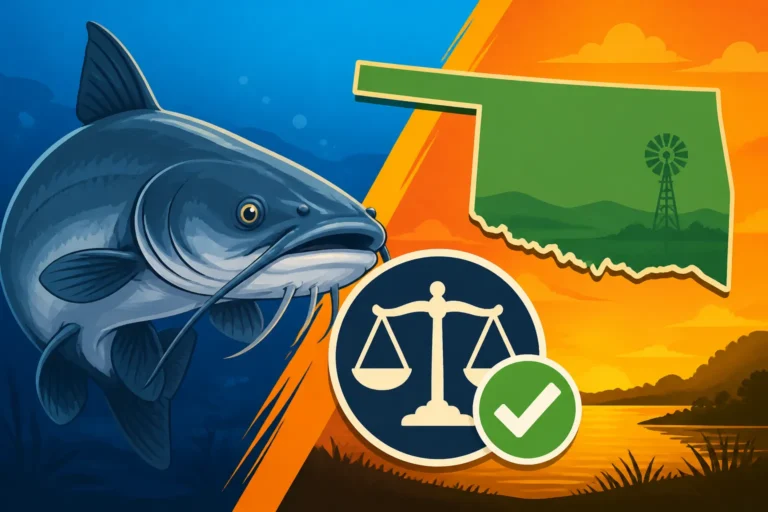
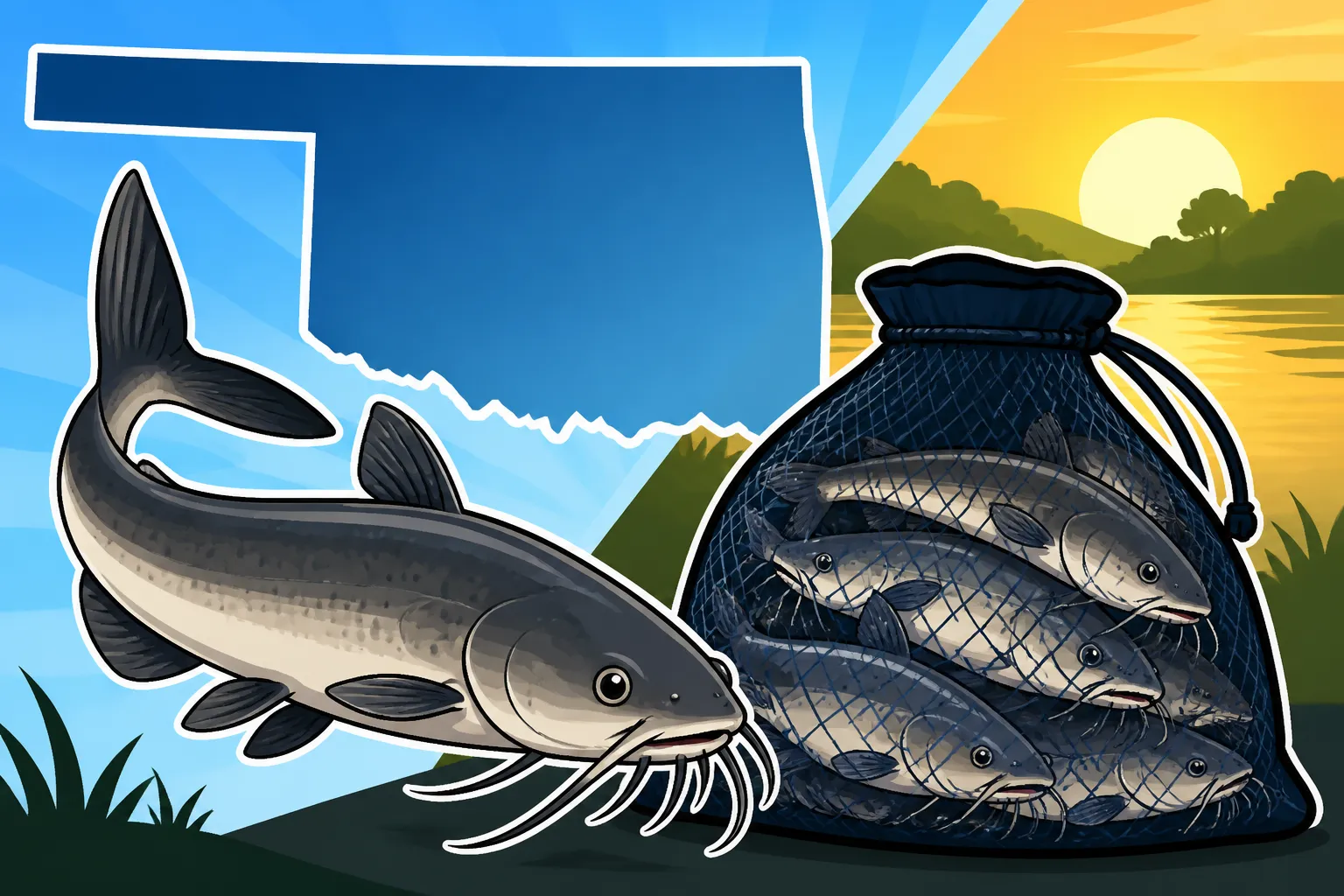
When you hear "forked-tail catfish" in Oklahoma, it's generally a catch-all term that refers to two of our most popular and widely distributed species: the channel catfish and the blue catfish. These two are often lumped together because of their distinctive deeply-forked tails, which sets them apart from their flathead cousins. Knowing the difference between these species, and how they’re grouped for regulatory purposes, is crucial for any angler in the Sooner State.
Distinguishing Forked-Tail Catfish Species
Let's break down the main players in the forked-tail catfish family you'll encounter in Oklahoma. First up, the channel catfish. These are probably what most folks picture when they think of catfish – olive-brown to slate-gray on the back, fading to white on the belly, with those unmistakable scattered dark spots on their sides (though these spots can fade in larger, older fish). They have a deeply forked tail, a small head, and barbels that look like whiskers around their mouth. Channels are found virtually everywhere in Oklahoma, from small farm ponds to massive reservoirs and winding rivers.
Then there's the blue catfish. Often called "blues" by avid catfishermen, these magnificent fish are usually a slate-blue or gray on their back and sides, with a white belly, and lack the spots that channels often have. Their head is typically larger and more prominent than a channel's, and their body is more robust and deep-bodied, especially the larger specimens. They also boast a deeply forked tail, which, like the channel, is how they get their "forked-tail" moniker. Blues are known for growing to enormous sizes in Oklahoma's larger rivers and reservoirs like Lake Texoma and Lake Eufaula, making them a top target for trophy anglers.
It’s important to note that the flathead catfish is not a forked-tail catfish. Flatheads have a distinctly flat head, a mottled brown and yellow coloration, and a tail that is square or slightly rounded, never deeply forked. Their regulations are often different from blue and channel catfish, so always make sure you know which species you've got on the end of your line. If you're struggling with identification, a quick glance at a good fish ID guide can clear things up.
Why the Distinction Matters for Anglers
For the purposes of bag limits in Oklahoma, the distinction between blue and channel catfish is mostly about size for one specific rule, but they are generally grouped together under a single daily limit. The Oklahoma Department of Wildlife Conservation (ODWC) recognizes that these two species are abundant and popular game fish, and their management often intertwines. However, understanding their individual characteristics becomes paramount when you encounter specific regulations, like the special rule for large blue catfish.
For instance, knowing you've caught a blue catfish versus a channel catfish becomes critical when you're aiming for a trophy. The potential for blue catfish to reach gargantuan sizes means they sometimes require specific management rules to protect these larger, older breeding fish, which contribute significantly to the health of the fishery. On the other hand, channel catfish, while still growing to respectable sizes, don't typically reach the same immense proportions as blues, and their regulations tend to be more straightforward. This leads us directly to the specifics of the bag limit that applies to both.
The Statewide Bag Limit for Forked-Tail Catfish
Alright, let's get down to brass tacks: what's the actual limit? For anyone casting a line in Oklahoma, whether you’re targeting blue cats in the deep channels of Lake Texoma or channel cats in a local pond, understanding the statewide forked-tail catfish bag limit is non-negotiable. It’s designed to ensure sustainable fishing for generations to come, but it definitely has a twist that can trip up even experienced anglers.
The General 15-Fish Daily Limit
Across most of Oklahoma's public waters, the standard daily bag limit for forked-tail catfish (which includes both blue and channel catfish combined) is 15 fish per angler. This means that if you're out fishing all day, you can legally keep up to 15 blue or channel catfish in any combination. So, if you catch 10 channel cats and 5 blue cats, you've hit your limit. If you catch 15 channel cats and no blues, that's fine too. The key is that their numbers add up to that total of 15.
This limit applies to the vast majority of lakes, rivers, and streams throughout the state. It's a generous limit, allowing anglers plenty of opportunity to put some delicious fish in the cooler for a fish fry. However, it's crucial to remember that this 15-fish limit isn't the only rule you need to know. There's a very specific exception that applies only to blue catfish, and it's one that often leads to confusion. You'll want to review the full details in our guide on Oklahoma's Catfish Fishing Rules and Limits to ensure you're completely up to date.
The Critical 30-Inch Blue Catfish Exception
Here's where things get interesting and where many anglers can mistakenly run afoul of the regulations. While you can keep 15 forked-tail catfish, there's a special protective measure for larger blue catfish: only one blue catfish over 30 inches in length may be included in your daily bag limit.
Let that sink in for a moment. You can catch multiple blue catfish over 30 inches, but you are only permitted to keep one of them. The others must be immediately released back into the water. This rule is specifically designed to protect the trophy-sized blue catfish, which are often the prime breeders, ensuring they have a chance to grow large and contribute to the fishery. It’s a conservation effort that helps maintain the health and vigor of Oklahoma's incredible blue catfish populations. For a deeper dive into this specific rule, check out The 30-Inch Blue Catfish Rule in Oklahoma.
Imagine this scenario: You're having an incredible day on Lake Eufaula, and you land a 28-inch blue cat. Awesome, into the livewell it goes (assuming you're keeping it). A little later, you hook into a monster 35-inch blue. Fantastic! You can keep that one, and it becomes your one blue catfish over 30 inches for the day. Then, you catch another blue catfish, this one measuring 32 inches. Even though it's a great fish, you must release it because you already have your one blue catfish over 30 inches. You could, however, continue to catch and keep blue or channel catfish under 30 inches until you reach your total 15-fish daily bag limit. This specific regulation is frequently misunderstood, so it’s worth reviewing Why Only One Blue Catfish Over 30 Inches Counts.
How Mixing Species Affects Your Daily Catch
As mentioned earlier, the 15-fish daily bag limit is for blue and channel catfish combined. This is a straightforward aspect of the regulation but still warrants a clear explanation. You don't get 15 channel cats and 15 blue cats; it's 15 total for both species that have those forked tails.
Let's illustrate:
- You catch 8 channel catfish and 7 blue catfish (one of which is over 30 inches). Total: 15 fish. Perfectly legal.
- You catch 14 channel catfish and 1 blue catfish (which is under 30 inches). Total: 15 fish. Perfectly legal.
- You catch 10 channel catfish, and then you catch 5 blue catfish, two of which are over 30 inches. In this case, you'd have to release one of the blue catfish over 30 inches. Your legal kept catch would be 10 channels + 4 blues (1 over 30", 3 under 30"), totaling 14 fish, or you could keep one more blue or channel under 30" to reach 15 total.
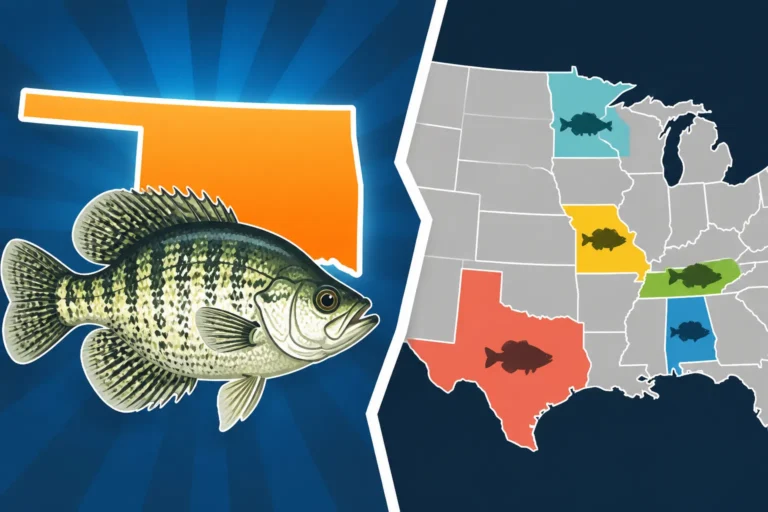
The main takeaway here is that while the blue catfish has a specific size restriction, both blue and channel catfish contribute to the overall 15-fish daily count. You can learn more about how these limits work together in our post on Mixing Blue and Channel Catfish in Your Daily Limit. For a side-by-side comparison of different species, our Bass, Crappie and Catfish Limits Compared article can provide even more clarity.
Here's a quick summary table of Oklahoma's Forked-Tail Catfish Limits:
| Catfish Species | Statewide Daily Bag Limit | Specific Size Restrictions | Notes |
|---|---|---|---|
| Blue Catfish | 15 (combined with Channel Catfish) | Only ONE fish over 30 inches | All blue catfish, regardless of size, count towards the 15-fish total. |
| Channel Catfish | 15 (combined with Blue Catfish) | None | All channel catfish count towards the 15-fish total. |
| Flathead Catfish | Varies by waterbody | No statewide length limit | Not a forked-tail catfish; often has different regulations. |
Navigating Specific Waterbody Regulations and Enforcement
While the statewide regulations provide a solid foundation, fishing in Oklahoma, like anywhere else, can have specific rules for certain bodies of water. It's not always a "one size fits all" situation, and knowing how to stay informed and what to expect from game wardens is just as important as knowing the limits themselves.
Are There Exceptions for Certain Lakes or Rivers?
For forked-tail catfish, the statewide 15-fish daily bag limit with the one-over-30-inch blue catfish exception is fairly consistent across Oklahoma's major lakes and rivers. However, it is absolutely paramount for anglers to always check the latest regulations specific to the body of water they plan to fish. While it's rare for blue and channel catfish to have radically different bag limits from the statewide rule, localized management strategies can sometimes lead to unique length limits or slot limits for specific species in certain lakes to address particular conservation needs or boost trophy potential.
For example, while there aren't widespread exceptions for forked-tail catfish like there are for crappie at lakes like Tenkiller Ferry Lake or Fort Gibson Lake, new regulations can be enacted to protect a recovering fishery or enhance a specific species in a localized area. These changes are usually well-publicized by the Oklahoma Department of Wildlife Conservation (ODWC) through their annual Fishing Guide, which you can usually find online or pick up at local tackle shops or Walmart. Keeping an eye on these updates is part of being a responsible angler. Our guide on Oklahoma's Bag Limit Rules by Species can help you quickly scan for any major deviations.
What to Do When a Game Warden Checks Your Catch
It's a scene most anglers are familiar with: you're enjoying your day, perhaps reeling in a nice blue cat, when suddenly a boat pulls up, or a truck stops near your bank fishing spot, and a uniformed individual approaches. It's a game warden, and they're doing their job, which includes checking licenses and ensuring anglers are complying with bag and length limits. Don't panic! This is a routine part of fishing, and knowing what to expect can make the encounter smooth and stress-free.
First and foremost, be polite and cooperative. Game wardens are law enforcement officers, and they have the authority to check your fishing license, your catch, and your fishing gear. Have your valid fishing license readily accessible, whether it's a physical copy, a digital one on your phone (which you can learn to get in How to Buy an Oklahoma Fishing License Online), or a printout. If you're required to possess other endorsements, like a paddlefish permit if you're snagging, have those ready too.
When asked, show your fish. They'll typically measure any fish close to a length limit and count your catch. If you have an instance where you've caught a trophy blue cat over 30 inches, and you've already kept your one permissible fish, be prepared to explain that you immediately released the others. Having a measuring device (like a bump board or tape measure) in your boat or tackle box that can prove your adherence to length limits is always a good idea. Honesty and transparency go a long way. Remember, they're there to protect our natural resources, and anglers play a vital role in that mission. If you ever find yourself fishing without a license, be aware of the Penalties for Fishing Without a License in Oklahoma.
Disclaimer
Please remember that fishing regulations are subject to change. While we strive to provide the most current and accurate information, it is always your responsibility as an angler to consult the official Oklahoma Fishing Guide published by the Oklahoma Department of Wildlife Conservation (ODWC) before heading out. This guide is available annually and provides the definitive rules for all species and water bodies in Oklahoma.