Species Limits Every Oklahoma Angler Should Know
Navigating the myriad of fishing regulations in Oklahoma can feel like trying to untangle a particularly stubborn fishing line, especially when you’re just trying to enjoy a peaceful day on the water. It’s a common frustration to want to do the right thing and stay legal, but the rules seem to change depending on the species you’re targeting, the lake you're on, or even the time of year. This guide is here to cut through that confusion, giving you a clear, comprehensive understanding of the species limits every Oklahoma angler needs to know to keep their fishing trips worry-free and rewarding.
Understanding Why Fishing Limits Exist in Oklahoma
Before we dive into the nitty-gritty of how many fish you can keep, it’s really helpful to understand why these limits are in place. It’s not just to make our lives harder, I promise! There's a much bigger picture at play here, and it's all about ensuring that those amazing fishing experiences we cherish today are still available for our kids and grandkids tomorrow.
The Importance of Conservation and Sustainability
The Oklahoma Department of Wildlife Conservation (ODWC) doesn’t just pull these numbers out of thin air. Every bag limit and size restriction is carefully researched and implemented with the health of our fish populations in mind. Think about it: if every angler kept every fish they caught, especially the big, mature spawners, our lakes and rivers would be depleted in no time. These regulations are designed to prevent overfishing, protect vulnerable species during critical periods like spawning, and maintain a healthy balance in the ecosystem. It's a delicate dance, but it’s essential for long-term sustainability.
When you abide by these limits, you're not just following the law; you're actively participating in the conservation efforts that keep Oklahoma a fantastic place to fish. It means that the next time you cast your line into Lake Texoma or Grand Lake O' the Cherokees, there’s still a thriving population of bass, crappie, or catfish waiting for you. It's a small responsibility we all share, but it makes a huge difference in the grand scheme of things.
Navigating the Complexities of State vs. Local Regulations
Here’s where it often gets a little tricky and, let’s be honest, sometimes downright confusing. Oklahoma has a set of statewide fishing regulations that apply generally across most bodies of water. However, many of our larger, more popular lakes and rivers have specific, localized rules that can differ significantly from the statewide standard. You might be fishing for crappie one day at Lake Eufaula under the statewide limit, and the next day at Lake Arbuckle, you're faced with a stricter size minimum.
This isn't arbitrary. These localized regulations are typically put in place because a particular lake or river has a unique ecosystem, a specific management goal (like producing trophy bass), or has experienced population challenges with certain species. For example, some lakes might have a 10-inch minimum size limit for crappie to allow younger fish to grow and spawn before being harvested. It's a localized effort to fine-tune conservation, but it does mean that as anglers, we have to be extra diligent. Always check the current ODWC Fishing Guide or their website before heading out, especially if you’re trying a new spot. Trust me, it beats the alternative of getting a citation for an honest mistake!
Statewide Bag and Size Limits for Popular Oklahoma Species
Now, let's get down to the core of what most anglers want to know: the numbers. While specific regulations can vary, understanding the statewide limits for the most popular game fish is your first and most crucial step. These are the rules that will generally apply unless a specific water body states otherwise.
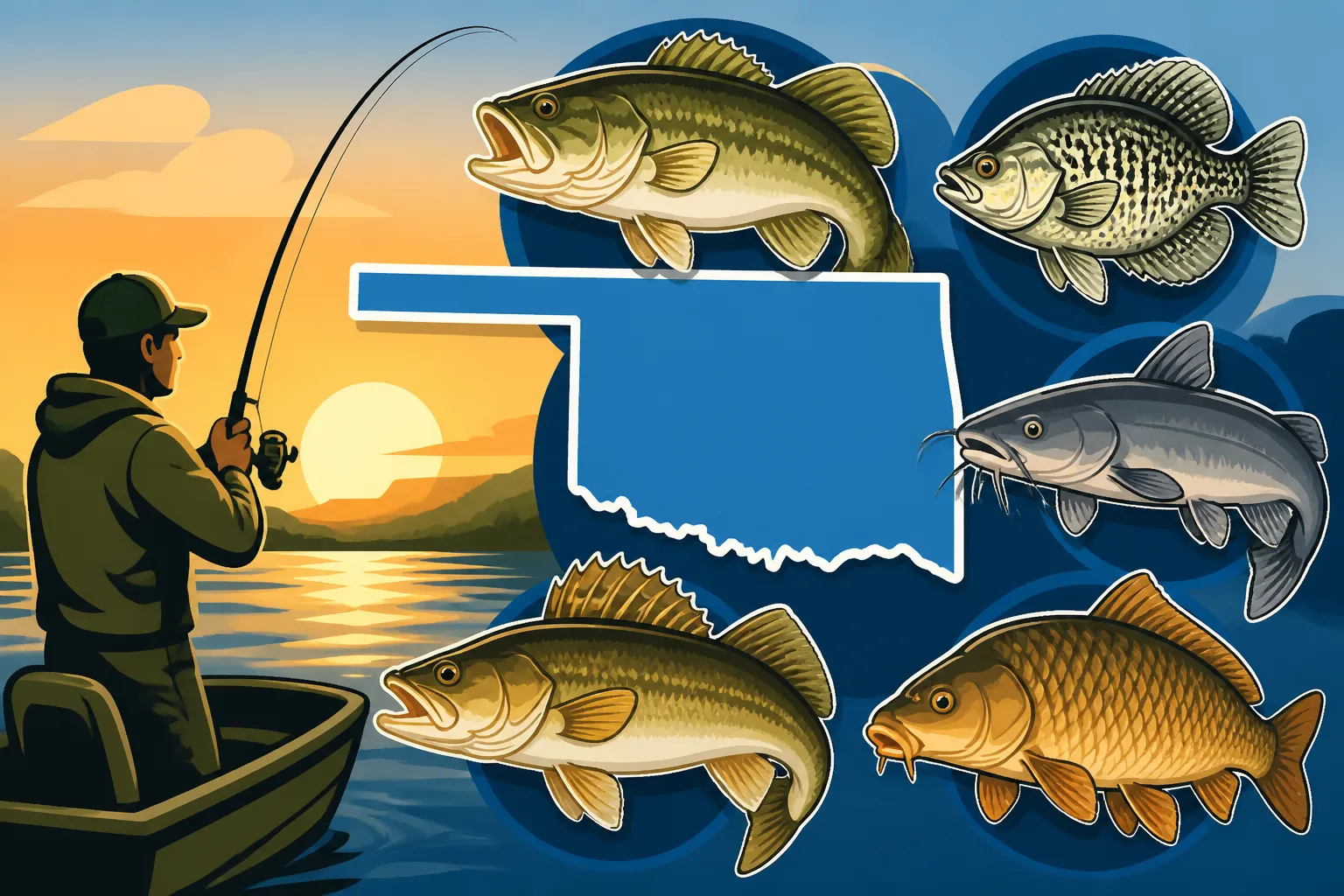
Black Bass: Largemouth, Smallmouth, and Spotted Bass
Ah, bass fishing in Oklahoma – it’s practically a religion for many of us! When we talk about "black bass," we're generally lumping together Largemouth, Smallmouth, and Spotted Bass. The good news is, the statewide regulation for these beauties is pretty straightforward, but there's a key detail you absolutely don't want to miss.
Across Oklahoma, the daily aggregate bag limit for black bass (that's all three species combined) is six fish. So, whether you catch six largemouth, six spotted bass, or a mix of two largemouth, two smallmouth, and two spotted bass, you've hit your limit. But here’s the kicker, and it’s a rule many anglers have been surprised by: only one of those six fish can be 16 inches or longer. This rule is vital for protecting the larger, more mature bass that are crucial for spawning and maintaining healthy populations. Imagine you catch a gorgeous 17-inch largemouth early in the day. That’s your one for the day in that size category. Any other bass you keep must be under 16 inches. This regulation is a cornerstone of Oklahoma's Bass Fishing Rules and Limits and applies to most lakes. You can find more details in the "Statewide Bass Bag Limits in Oklahoma" section of the official regulations. Keeping a tape measure handy is not just a good idea; it's essential. You can easily find a reliable, retractable tape measure on Amazon that clips right onto your tackle box or boat.
Crappie: Black and White Varieties
Crappie are another absolute favorite, and for good reason—they're plentiful and delicious! Oklahoma is home to both Black and White Crappie, and for the most part, the statewide rules treat them the same. The statewide daily aggregate bag limit for crappie (again, both species combined) is a generous 37 fish. This seems like a lot, and it can be, especially during a hot bite!
However, similar to bass, crappie often have specific size limits that can vary by lake. While the general statewide rule doesn't impose a minimum size, many popular lakes do. For instance, several lakes, including Lake Arbuckle, Tenkiller, Fort Gibson, and Hudson, have a 10-inch minimum size limit for crappie. This means if you're fishing these specific lakes, any crappie you catch under 10 inches must be immediately released. It's crucial to check the specific regulations for your chosen fishing spot, as these local variations are common. You'll find a deeper dive into these specifics under "Crappie Fishing Rules and Limits in Oklahoma" and "Oklahoma Statewide Crappie Bag Limit," especially paying attention to the details in "Why Six Oklahoma Lakes Have Stricter Crappie Limits." Always confirm before you head out, because getting caught with undersized crappie will put a real damper on your fishing trip.
Catfish: Channel, Blue, and Flathead
For those who love the fight and the flavor of catfish, Oklahoma waters offer fantastic opportunities for Channel, Blue, and Flathead Catfish. The statewide daily aggregate bag limit for channel and blue catfish combined is 15 fish. Flathead catfish, however, are often managed separately due to their different growth patterns and ecological roles.
The interesting twist with catfish, especially blue cats, comes into play with larger specimens. While you can keep 15 channel and blue catfish, there's a specific rule regarding big blue catfish: only one blue catfish over 30 inches can be included in your daily bag limit. So, if you land a monster blue cat over 30 inches, that’s your allowance for that size. Any other blue catfish you keep must be under 30 inches, within your overall 15-fish limit. This specific regulation is detailed in "Oklahoma Forked-Tail Catfish Bag Limit" and "The 30-Inch Blue Catfish Rule in Oklahoma." For flathead catfish, the statewide daily bag limit is 5 fish, with no size restrictions, recognizing their slower growth and solitary nature. Again, a good tape measure is your best friend when targeting these bigger cats.
Here’s a quick overview of these main species limits in a handy table:
| Species Group | Statewide Daily Bag Limit | Specific Size Restrictions (Statewide) | Common Lake-Specific Variations |
|---|---|---|---|
| Black Bass | 6 fish (aggregate) | Only 1 over 16 inches | Varying minimum size limits in specific rivers/lakes |
| Crappie | 37 fish (aggregate) | None (statewide) | Many lakes have a 10-inch minimum size limit (e.g., Arbuckle, Tenkiller, Fort Gibson, Hudson) |
| Channel/Blue Catfish | 15 fish (aggregate) | Only 1 Blue Catfish over 30 inches | Varying limits on specific community fishing ponds |
| Flathead Catfish | 5 fish | None | Less common than other species, but always check |
Note: These are statewide general limits. Always consult the current Oklahoma Fishing Guide for the most up-to-date and specific regulations for your chosen fishing location.
Special Considerations and Where to Find Up-to-Date Information
Understanding the statewide basics is a fantastic start, but being a truly prepared angler in Oklahoma means knowing how to navigate the exceptions and where to go for the most current information. The landscape of fishing regulations is dynamic, and staying informed is just as important as having the right bait!
Lake-Specific Exceptions and Seasonal Changes
It bears repeating: while statewide limits give you a general framework, many of Oklahoma's premier fishing destinations have their own unique sets of rules. These lake-specific regulations often include different size limits, slot limits (where you can only keep fish between certain sizes), or even reduced bag limits for particular species. For instance, beyond the crappie examples mentioned earlier, some lakes might have special bass regulations aimed at fostering trophy fisheries. You might encounter a 13- to 16-inch slot limit on bass at a specific lake, meaning you can only keep bass under 13 inches or over 16 inches, but not within that protected slot.
These local variations are often detailed in signs posted at boat ramps and access points, but relying solely on those can be risky. Imagine driving all the way out to a new lake, only to find a faded, unreadable sign. Or worse, you arrive after dark for a night fishing trip and can't read anything! That's why your best bet is always to check the official ODWC website or download their annual Fishing Guide before you leave home. This guide, available as a physical booklet from license vendors or a digital PDF online, is the definitive source for all fishing regulations. It’s a habit that will save you headaches and potential citations, ensuring you understand all the "Fishing Regulations You Need to Know in Oklahoma." This includes information on potential seasonal changes, though species bag and size limits are usually consistent throughout the year once established, unlike trout stocking regulations which are very seasonal.
The Role of Your Fishing License and Compliance
Beyond knowing your limits, holding a valid Oklahoma fishing license is the foundation of legal angling. Without it, even catching and releasing fish could land you in hot water. You can learn all about "Fishing License Requirements in Oklahoma" on the ODWC website. Once you have your license, understanding and adhering to species limits becomes part of your responsibility as a licensed angler.
Compliance isn't just about avoiding penalties; it's about being a responsible steward of our natural resources. Game wardens are out there specifically to enforce these rules, and they are incredibly good at their jobs. Getting caught with undersized fish or over the bag limit can result in significant fines and even confiscation of your gear. Trust me, the "Penalties for Fishing Without a License in Oklahoma" or for violating bag limits can quickly turn a fun day into a very expensive one. Always measure your fish carefully (a good measuring board is another handy item to find on Amazon), count your catch, and if in doubt, always lean on the side of caution and release the fish. Even during special events like "Free Fishing Days," while a license might not be required, all other bag and size limits still apply, so asking "Do Bag Limits Still Apply on Free Fishing Days?" is a smart question to ponder. It's a small price to pay for the privilege of enjoying Oklahoma's fantastic fishing opportunities.
Disclaimer
Please note that fishing regulations, including bag and size limits, can change. While this guide provides a comprehensive overview based on current information, it is your responsibility to consult the latest official Oklahoma Fishing Guide published by the Oklahoma Department of Wildlife Conservation (ODWC) before engaging in any fishing activity. The ODWC website or a current physical copy of the guide are the definitive sources for all legal fishing requirements.