Can You Keep Two Blue Catfish Over 30 Inches?
It can be incredibly frustrating to hit the water, have an amazing day catching some truly impressive fish, and then freeze up, unsure if you're even allowed to keep that second big blue catfish you just landed. Oklahoma's fishing regulations, especially when it comes to specific size and creel limits for certain species, can sometimes feel like navigating a maze. This guide is here to clear up any confusion around blue catfish limits, specifically addressing the question of whether you can keep two blue cats over 30 inches, and give you the confidence to fish legally and responsibly.
Understanding Oklahoma's Catfish Regulations
Oklahoma is renowned for its fantastic catfish fishing, offering anglers the chance to hook into some truly monster blue, channel, and flathead catfish. While the joy of battling a big fish is undeniable, knowing and adhering to the regulations is crucial for both conservation and avoiding a hefty fine. The rules for forked-tail catfish – which include both blue and channel catfish – are designed to ensure these populations remain healthy and continue to provide great fishing opportunities for generations to come.
Statewide Forked-Tail Catfish Bag Limits
Let's start with the basics for our beloved blue and channel catfish, often grouped under the term "forked-tail catfish" because of their distinct tail shape. For most Oklahoma waters, the statewide daily bag limit for these species combined is a generous 15 fish. This means that, in a single day, you can legally keep up to 15 blue catfish, 15 channel catfish, or any combination of the two, as long as the total doesn't exceed 15. For example, if you catch 10 channel catfish and 5 blue catfish, you've hit your limit. If you catch 15 channel catfish, you cannot keep any blue catfish that day. This blanket limit is straightforward for the vast majority of your catches, but there's a specific nuance that often trips up anglers when they land a truly significant blue cat. To dive deeper into these rules, you can check out our comprehensive guide on Oklahoma's Catfish Fishing Rules and Limits.
The intent behind this 15-fish limit is to allow anglers to take home a reasonable amount of fish for consumption while protecting the overall population. Most of the catfish caught for the dinner table fall within the smaller to medium size range, and these are often the most abundant and reproductively active individuals, contributing greatly to the health of the fishery. It's a balance between angler enjoyment and species sustainability, ensuring that there are always plenty of fish for future trips. Remember, these limits apply to your daily take, not necessarily how many you catch. Catch and release is always an option if you've already met your limit or just want to let a fish go.
The Special Rule for Blue Catfish Over 30 Inches
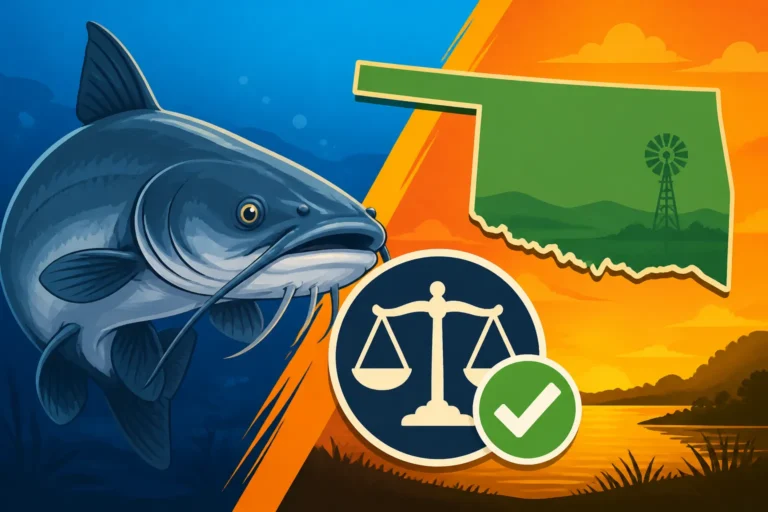
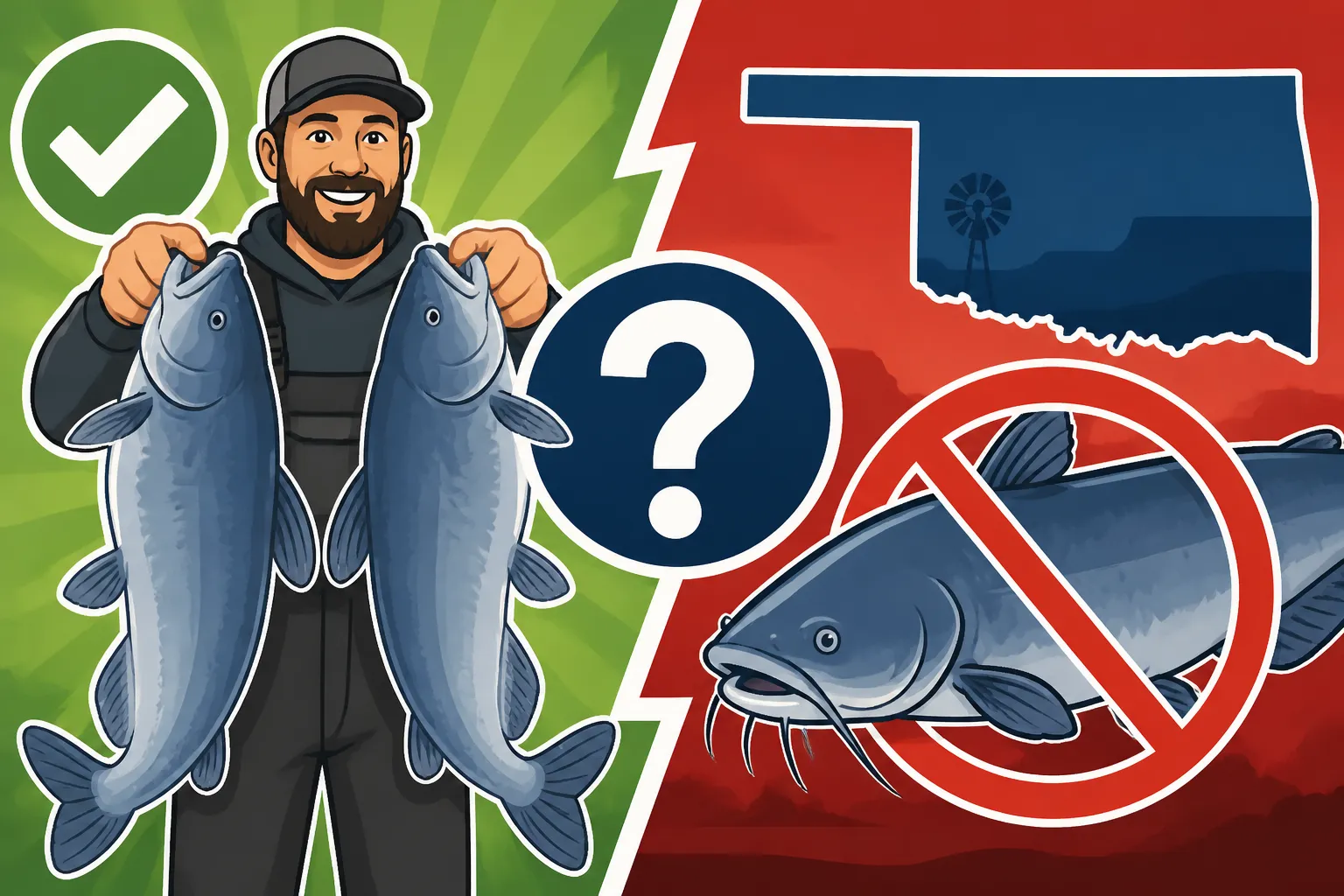
Now, let's address the burning question directly: "Can you keep two blue catfish over 30 inches?" The answer, quite simply, is no. While you can keep up to 15 forked-tail catfish in total per day, there's a very important and specific rule that applies to those truly impressive blue catfish exceeding 30 inches in length. Out of your daily bag limit of 15 forked-tail catfish, only one blue catfish can be 30 inches or longer. This is a critical distinction that many anglers, especially those targeting trophy blues, might overlook.
Imagine you're having an incredible day on Lake Texoma, a renowned blue catfish hotspot. You land a beautiful 32-inch blue cat and decide to keep it. Later, you hook into another absolute monster, say a 35-inch blue. While you might still be well under your total 15-fish limit, you cannot keep that second blue catfish over 30 inches. You'd have to release it. This particular regulation, often referred to as The 30-Inch Blue Catfish Rule in Oklahoma, is a key component of Oklahoma's fisheries management strategy. It's not about being restrictive; it's about protecting the largest, most valuable breeders in the population. These big fish are the backbone of future generations, and allowing only one per angler per day helps maintain a robust trophy fishery.
This rule doesn't just apply to Lake Texoma; it's a statewide regulation that applies to all waters where blue catfish are found. So whether you're fishing the mighty Arkansas River, the Red River, or a smaller reservoir, that one-fish-over-30-inches rule is in effect. It truly underscores the importance of knowing your local regulations before you cast your line, especially when targeting a specific species.
Why These Rules Matter for Anglers
These regulations aren't arbitrary hoops for anglers to jump through; they are carefully crafted policies designed to protect our natural resources and ensure that fishing remains a vibrant part of Oklahoma's outdoor heritage. Understanding the "why" behind these rules can help every angler become a better steward of the environment.
Conservation and Sustainable Fishing
The main reason for specific size and bag limits, especially for trophy fish like large blue catfish, is conservation. Big, mature fish, particularly female blue catfish, are incredibly important for the reproductive success of the entire population. They produce a vast number of eggs, and their genetic material is often linked to resilience and robust growth within the species. If anglers were allowed to keep an unlimited number of these large breeding fish, it could quickly deplete the population's ability to reproduce effectively, leading to fewer and smaller fish in the future. The "one over 30 inches" rule is a direct effort to ensure that enough of these valuable breeders remain in the water to sustain healthy blue catfish populations. This ensures that when you return to your favorite fishing spot next year, or even decades from now, there will still be the chance to catch a trophy-sized blue cat. It's all about making sure our kids and grandkids get to experience the same amazing fishing we do. If you're curious about all the limits, our article on Oklahoma's Bag Limit Rules by Species provides a comprehensive overview.
Beyond reproduction, large fish often play a vital role in the ecosystem. They help maintain balance in the food chain and contribute to the overall health of the aquatic environment. By protecting these larger specimens, we're not just ensuring more fish for anglers; we're contributing to a healthier, more balanced ecosystem. It’s a long-term investment in Oklahoma’s natural beauty and recreational opportunities.
Avoiding Fines and Legal Trouble
Let's be realistic: nobody wants a ticket on the water. Fishing without proper knowledge of the rules can quickly turn a fun day into a costly one. Game wardens in Oklahoma are diligent about enforcing fishing regulations, and they have good reason to be – it's how they protect our fisheries. Getting caught with two blue catfish over 30 inches, or exceeding the 15-fish total for forked-tail catfish, can lead to significant penalties. These penalties can range from substantial fines to confiscation of your catch, and in some cases, even more serious consequences. It's a real buzzkill, not to mention a drain on your wallet. For more information on potential consequences, you can read about Penalties for Fishing Without a License in Oklahoma, which often covers other regulation violations as well.
It's much easier, and certainly more enjoyable, to spend a few minutes familiarizing yourself with the rules before you head out. Ignorance of the law is generally not considered an excuse, so taking the initiative to understand what's permissible ensures a smooth and stress-free fishing trip. Think of it as part of your essential gear, just like your rod and reel. A quick glance at the current year's Oklahoma Fishing Guide or a visit to the Oklahoma Department of Wildlife Conservation website can save you a lot of hassle and money.
Practical Tips for Catfish Anglers
Navigating these specific regulations requires a bit of preparation and awareness. Here are some practical tips to help you stay compliant and make the most of your catfish adventures, especially when you're targeting those impressive trophy blues.
Measuring Your Catch Accurately
When you're dealing with a 30-inch limit, accuracy is key. A few inches can make all the difference between a legal catch and a violation. Always carry a reliable measuring device with you on the water. A soft measuring tape that lays flat is often preferred for fish, as it conforms to the fish's body shape better than a rigid ruler. When measuring, lay the fish flat on its side, making sure to pinch the tail to get the maximum length from the tip of the snout to the tip of the tail. Don't rush this process; take your time to ensure an accurate measurement. Many fishing boats come equipped with measuring boards, but if you're bank fishing or in a smaller craft, a good quality tape is indispensable. You can find durable, waterproof measuring tapes specifically designed for fishing on platforms like Amazon. Having a reliable tool on hand, like the ones you can find on Amazon, makes compliance easy and stress-free.
It's also a good idea to practice measuring your fish, even smaller ones, so you're confident when a truly large one comes along. Remember, if there's any doubt about whether a fish meets or exceeds a size limit, it's always safest to err on the side of caution and release it. That way, you ensure compliance and contribute to the health of the fishery. Understanding how to properly measure is a fundamental skill for any responsible angler, especially for species with specific length requirements.
Release Techniques for Trophy Catfish
Sometimes, whether by choice or by regulation, you'll need to release a big blue catfish. Knowing how to do this properly is essential for the fish's survival. Large fish are more susceptible to stress and injury during handling, so quick and careful practices are paramount.
- Minimize Handling Time: The less time a fish spends out of the water, the better. Have your camera ready if you want a quick photo, but prioritize getting the fish back into its element.
- Use Wet Hands or Gloves: Dry hands can remove the fish's protective slime layer, making it vulnerable to disease. Wet your hands thoroughly before touching the fish.
- Support the Fish's Body: When lifting a large catfish, support its full body weight, especially its belly and tail. Avoid holding it by just the jaw or gills, as this can cause internal damage. A large net or cradle can be very helpful for big fish.
- Remove Hooks Quickly and Carefully: Use needle-nose pliers or hook removers to extract the hook. If the hook is deeply swallowed, sometimes cutting the line as close to the hook as possible is the best option, as the hook will often rust out.
- Revive the Fish: Gently hold the fish upright in the water, facing into the current (if any), and move it back and forth to force water over its gills. When it starts to swim strongly on its own, release it. Don't just toss it back; ensure it's ready to go.
These careful release practices not only increase the survival rate of the fish but also demonstrate respect for the resource. Releasing a strong, healthy fish back into the water allows it to continue its life cycle and potentially be caught again by another angler, or even yourself, on a future trip. You can learn more about Why Only One Blue Catfish Over 30 Inches Counts and the conservation efforts behind it.
Distinguishing Between Catfish Species
While the 15-fish forked-tail limit applies to both blue and channel catfish combined, and the 30-inch rule is specific to blue catfish, it's worth noting the differences. Flathead catfish have entirely different regulations – generally, a 10-fish limit with no size restriction. Knowing which species you've caught is vital for staying within all regulations. Blue catfish typically have a deeply forked tail, a somewhat flattened head, and are usually unspotted, though smaller ones can have a slight bluish tint. Channel catfish also have a forked tail but often have distinct spots on their sides (though these can fade in very large or old fish) and a more rounded head. Flathead catfish, as their name suggests, have a very flat, broad head, a square or slightly rounded tail, and a mottled, brownish-yellow body. They also have a distinctly protruding lower jaw. If you're unsure, our guide on Channel Catfish vs Blue Catfish vs Flathead Catfish in Oklahoma can help you identify your catch.
Being able to quickly and accurately identify your catch means you can confidently apply the correct regulations. It’s part of becoming a truly knowledgeable and responsible angler. You might also want to explore Is Blue Catfish Good to Eat? for culinary advice once you've made your legal catch.
Catfish Bag Limits at a Glance
Here's a quick summary of the main catfish regulations in Oklahoma to help you remember the specifics:
| Species | Statewide Daily Bag Limit | Size Restrictions | Notes |
|---|---|---|---|
| Blue Catfish | 15 (combined with Channel) | Only ONE blue catfish can be 30 inches or longer. | No minimum length. Total count towards 15 forked-tail limit. |
| Channel Catfish | 15 (combined with Blue) | No size restriction. | Total count towards 15 forked-tail limit. |
| Flathead Catfish | 10 | No size restriction. | Separate limit from blue and channel catfish. Often caught with live bait. |
Remember, these are the general statewide rules. Always double-check the current Oklahoma Fishing Guide for any lake-specific regulations, which can sometimes have different size or creel limits. For instance, some reservoirs might have stricter rules for specific species to manage local populations, though the blue catfish over 30-inch rule is generally consistent. You can find more details in our post about the 15-Fish Catfish Limit for Oklahoma Anglers.
Final Thoughts on Responsible Catfishing
So, to reiterate, you absolutely cannot keep two blue catfish over 30 inches in Oklahoma. The rule is clear: only one blue catfish of 30 inches or longer is permitted in your daily bag. This regulation, along with the 15 forked-tail catfish combined limit, is a cornerstone of responsible fisheries management in our state. By adhering to these rules, you're not just avoiding fines; you're actively participating in the conservation efforts that ensure Oklahoma remains a premier destination for catfish anglers.
Equip yourself with a good measuring tape (you can find plenty of excellent options on Amazon, designed for accurate fish measurement), understand how to identify your catch, and practice safe release techniques for those fish you can't keep. By doing so, you contribute to a healthy, thriving fishery and guarantee that the thrill of catching a trophy blue catfish will be available for many more generations of anglers to come. Tight lines, and may your cooler be full of legal, delicious catfish! You might even find some useful gear on Amazon to help with responsible catch and release.
Disclaimer
Please note that fishing regulations can change. While every effort has been made to provide accurate and up-to-date information, it is always the angler's responsibility to consult the most current Oklahoma Fishing Guide or the Oklahoma Department of Wildlife Conservation website before fishing. This article is for informational purposes only and does not constitute legal advice.