Is Blue Catfish Good to Eat?
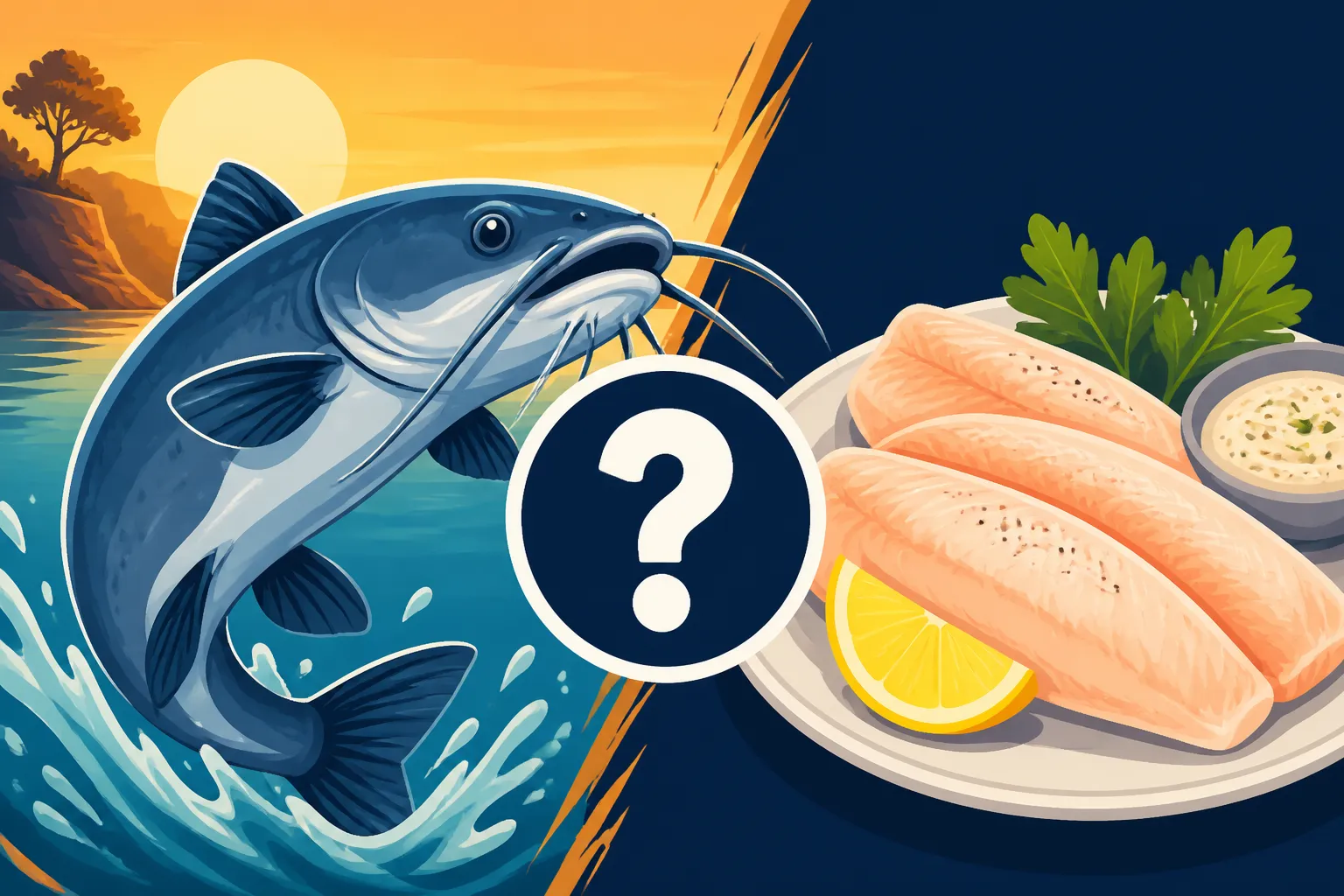
There's a longstanding debate among anglers in Oklahoma about which fish makes the best meal, and blue catfish often find themselves right in the middle of that conversation. Many folks are curious if this powerful, hard-fighting species is actually good for the dinner plate, and the truth is, the answer isn't a simple yes or no. This guide will dive deep into everything you need to know about the edibility of blue catfish, covering their taste, how to prepare them, and what factors truly influence whether they'll be a delicious addition to your next fish fry.
The Appeal of Blue Catfish as Table Fare
Blue catfish are a magnificent sport fish in Oklahoma, known for their incredible size and fighting spirit. But beyond the thrill of the catch, many anglers are looking for a satisfying meal. The good news is that blue catfish can be excellent table fare, especially when certain factors are considered. It's not uncommon to hear tales of trophy blue cats, but for eating, many prefer the smaller ones.
Flavor Profile and Texture
When prepared correctly, blue catfish offer a mild, somewhat sweet flavor that's quite pleasant and often less "muddy" than some other catfish species. The flesh is firm, flaky, and white, making it a versatile ingredient for various cooking methods. Think of it as a blank canvas, ready to absorb the flavors of your seasonings and marinades. The texture holds up well, whether you're frying it to a crispy golden brown or slow-cooking it in a stew. It’s definitely not a mushy fish, which is a big plus for many palates.
However, it's worth noting that the flavor can vary, and this is where some of the debate comes from. A blue catfish caught from a clear, flowing river will often taste different from one pulled from a silty pond. This variability is a key part of the blue catfish experience, and understanding it can help you appreciate your catch even more. Many anglers agree that smaller blue cats, generally under 10 pounds, offer the best flavor and texture, making them ideal for the dinner table.
Versatility in Cooking
One of the great things about blue catfish is just how many ways you can cook it. Its firm, white meat is incredibly adaptable, which means you're not limited to just one or two cooking styles. For instance, classic Southern-style fish fries are incredibly popular, where the fillets are dredged in cornmeal or a seasoned flour mix and deep-fried until golden and crispy. This method is a fan favorite for a reason – it highlights the fish's flaky texture and allows for a rich, savory crust.
But don't stop there! Blue catfish also takes very well to grilling, baking, and even smoking. If you're looking for a healthier option, try marinating fillets in some lemon, dill, and garlic, then baking them in foil. Or, for a smoky flavor, slow-smoke some fillets over hickory or pecan wood. They can be incorporated into tacos, stews, and gumbos, too. The possibilities are truly endless, and a quick search on a site like Amazon will show you just how many cookbooks and specialty spice blends are dedicated to making catfish shine in the kitchen.
Factors Influencing Taste and Safety
So, you've caught a beautiful blue catfish, and you're thinking about dinner. But before you start dreaming of that golden-brown fillet, it's important to understand that not all blue catfish are created equal in terms of taste and, more importantly, safety. Several factors play a significant role in how good your catch will ultimately taste.
Size of the Fish
This is arguably the most crucial factor when it comes to the eating quality of blue catfish. While it's thrilling to reel in a true monster, anglers overwhelmingly agree that smaller blue catfish, typically those under 10 to 15 pounds, offer the best flavor and texture. The meat from these smaller fish is usually whiter, flakier, and has a milder taste, often described as sweet and clean. It’s also less fatty and prone to developing a "muddy" flavor.
Larger blue catfish, especially those over 20 pounds, tend to have tougher, fattier, and more strongly flavored meat. They can also accumulate more contaminants over their longer lifespans, which can impact both taste and safety. While a trophy blue cat is certainly a prize, many seasoned anglers advocate for catch-and-release for the big ones, saving the smaller "forked-tail" catfish for the frying pan. Remember the statewide Oklahoma Forked-Tail Catfish Limits in Oklahoma and The 30-Inch Blue Catfish Rule in Oklahoma when deciding what to keep.
Water Quality and Habitat
The environment where a blue catfish lives has a profound impact on its taste. Fish caught from clean, clear, flowing waters like rivers or deep, pristine reservoirs generally have a superior flavor compared to those caught from stagnant, shallow, or muddy ponds. The "muddy" taste often attributed to catfish isn't inherent to the fish itself; rather, it's usually caused by certain types of algae or bacteria in the water that the fish absorbs. These compounds, called geosmin and methylisoborneol (MIB), can be concentrated in the fish's fatty tissues and bloodline.
For instance, a blue cat from the cooler, clearer depths of Lake Texoma is likely to taste fantastic, while one from a murky, shallow farm pond might carry that distinctive earthy flavor some people dislike. This is why knowing your fishing spot and understanding the water conditions can give you a heads-up on what to expect from your catch. Even within the same body of water, fish caught from different areas—a deep channel versus a shallow, stagnant cove—can exhibit noticeable differences in flavor.
Proper Handling and Preparation
Even if you've caught a perfect-sized blue catfish from pristine waters, poor handling can ruin its flavor. The clock starts ticking the moment the fish leaves the water. To ensure the best taste, you should bleed the fish immediately after catching it. This helps remove blood that can impart a strong, metallic flavor to the meat. A quick cut to the gills or throat while the fish is still alive will do the trick.
Next, get your catch on ice as soon as possible. Keeping the fish cold slows down bacterial growth and maintains the quality of the flesh. Don't just throw it in a cooler; make sure it's buried in ice, ideally in an ice-slurry mixture. When it's time to clean your fish, do it promptly and meticulously. Removing the skin, along with any dark red meat or fatty deposits, especially the "mud vein" along the lateral line, will significantly improve the flavor. Investing in a good quality fillet knife (you can find many highly-rated options on Amazon) and a sturdy cleaning board will make this process much easier and more efficient.
Cleaning and Filleting Blue Catfish for the Table
Alright, you've got your blue catfish, and you're ready to turn it into a delicious meal. Cleaning and filleting a catfish might seem intimidating at first, especially if you're used to scaling a bass or crappie. Catfish have tough, leathery skin, no scales, and often sharp fins. But with the right tools and a little practice, you'll be a pro in no time, and proper technique is key to getting the best tasting fillets.
Essential Tools and Techniques
First things first, gather your tools. You'll need a very sharp fillet knife, a sturdy cutting board (preferably one designed for fish, with a clamp or non-slip surface), and a pair of pliers. Some anglers also prefer to wear cut-resistant gloves for safety, especially when dealing with the catfish's sharp dorsal and pectoral fins. A large cooler with plenty of ice should also be at the ready to keep your fillets chilled immediately after cleaning.
The basic process involves skinning the fish before filleting. Many people start by making a cut just behind the head, down to the backbone, but not through it. Then, using pliers to grip the skin at this cut, you pull the skin firmly back towards the tail, peeling it off like a glove. This can take a bit of force, but once you get the hang of it, it's quite satisfying. After skinning, you can then fillet the meat off the bones, working carefully along the backbone and ribs. Don't forget to check out videos online for visual guidance; sometimes seeing it done makes all the difference!
Removing the Skin and Mud Vein
As mentioned, removing the skin is standard practice for blue catfish. Unlike other scaled fish where the skin might be left on for cooking, catfish skin is tough and doesn't offer much in terms of flavor or texture. Once the skin is off, the next crucial step for optimal taste is to remove the "mud vein." This dark red or brownish line runs along the lateral line of the fillet. This vein often holds many of the compounds that can contribute to a "muddy" or "fishy" taste, especially in larger or warm-water fish.
Simply take your sharp fillet knife and slice along this dark line, removing a thin strip of meat that contains the vein. You might lose a small amount of meat, but the improvement in flavor is well worth it. Additionally, trim away any fatty deposits or dark red meat near the belly, as these areas can also hold undesirable flavors. A clean, white fillet is what you're aiming for. This meticulous preparation ensures that you're left with the cleanest, mildest tasting meat possible, ready for your favorite recipe.
Popular Oklahoma Blue Catfish Recipes
You've done the hard work of catching, handling, and cleaning your blue catfish. Now comes the best part: cooking and enjoying your fresh catch! In Oklahoma, like much of the Southern United States, catfish is a beloved staple, and there are countless ways to prepare it.
Classic Fried Catfish
Let's be honest, for many, the quintessential way to enjoy blue catfish is deep-fried. There's something undeniably comforting about that crispy, golden-brown crust and the tender, flaky white meat inside. The key to a great fried catfish lies in the breading and the oil temperature. A common breading involves a mix of cornmeal, flour, and your favorite seasonings—think salt, black pepper, garlic powder, onion powder, and a touch of paprika or cayenne for a kick. Some folks like to give their fillets an egg wash or a milk bath first to help the breading stick better.
Heat a good quality cooking oil, like peanut or vegetable oil, to around 350-375°F (175-190°C) in a deep fryer or a heavy-bottomed pan. Fry the breaded fillets in batches, being careful not to overcrowd the pan, until they're golden brown and float to the top, usually about 3-5 minutes depending on thickness. Serve hot with hushpuppies, coleslaw, and a squeeze of lemon. You can find pre-made breading mixes and specific seasoning blends on Amazon that make this classic dish even easier to prepare. If you're wondering how to rig up your gear for reeling in these whiskered beauties, check out Best Gear for Catfish Fishing in Oklahoma.
Grilling and Baking Options
While frying holds a special place, grilling and baking offer fantastic, often healthier, alternatives that allow the natural flavor of the blue catfish to shine. For grilling, marinate your fillets for at least 30 minutes in a mixture of olive oil, lemon juice, fresh herbs like parsley and thyme, and a dash of salt and pepper. Place the fillets directly on a preheated grill over medium-high heat, or use a grill basket to prevent sticking. Cook for about 4-6 minutes per side, or until the fish flakes easily with a fork.
Baking is another simple and delicious method. Lay your seasoned fillets on a baking sheet lined with parchment paper. Drizzle with a little olive oil or melted butter, and sprinkle with your preferred spices. Lemon slices placed on top of the fish as it bakes add a wonderful brightness. Bake in a preheated oven at 375°F (190°C) for 12-18 minutes, depending on thickness. These methods are perfect for a lighter meal and pair wonderfully with roasted vegetables or a fresh salad. Experiment with different marinades and spices, many of which are readily available on Amazon, to find your perfect combination.
Blue Catfish and Consumption Advisories in Oklahoma
When it comes to eating any wild-caught fish, safety is paramount. While blue catfish can be delicious, it's vital for Oklahoma anglers to be aware of potential consumption advisories that might exist for certain bodies of water. These advisories are put in place to protect public health by informing people about the safe consumption limits for various fish species due to contaminants.
Understanding ODWC Guidelines
The Oklahoma Department of Wildlife Conservation (ODWC) works closely with other state agencies to monitor fish populations and issue consumption advisories when necessary. These guidelines are based on scientific studies of contaminant levels in fish tissue, such as mercury or PCBs. It's not about making a blanket statement that a species is "bad" to eat, but rather about providing specific recommendations for particular lakes or rivers. For example, some advisories might suggest limiting consumption for pregnant women, young children, or individuals who eat fish frequently, while others might advise against eating fish from a specific location entirely.
Before you plan a fishing trip with the intention of keeping your catch for dinner, it's always a good idea to check the latest ODWC fishing regulations or their website for any current consumption advisories for the specific body of water you intend to fish. These advisories can change over time as conditions improve or new data becomes available. Being a responsible angler means staying informed, not just about Oklahoma Fishing Regulations You Need to Know in Oklahoma, but also about the safety of the fish you bring home.
Mercury and Other Contaminants
The primary concern with wild-caught fish, especially larger, longer-lived predatory species like big blue catfish, is the potential accumulation of mercury. Mercury is a naturally occurring element that, when released into the environment (often from industrial sources), can be converted into methylmercury, a highly toxic form. Fish absorb methylmercury from the water and through their diet. As larger fish eat smaller fish, methylmercury accumulates in their bodies, a process known as biomagnification. This means that older, larger fish generally have higher levels of mercury than smaller, younger fish.
Other contaminants like PCBs (polychlorinated biphenyls) can also be a concern in certain areas, particularly those with a history of industrial pollution. While these issues are typically localized, it reinforces the importance of consulting official advisories. For many healthy adults, moderate consumption of smaller, properly cleaned blue catfish from known clean waters is generally considered safe. However, for vulnerable populations, it's always best to err on the side of caution and adhere strictly to any posted advisories. This is where the practice of "catch and release" for those truly massive How Big Do Blue Catfish Get in Oklahoma becomes not just a conservation effort but also a health-conscious choice.
Comparing Blue Catfish to Other Oklahoma Catfish Species
Oklahoma is a fantastic state for catfish anglers, boasting healthy populations of blue, channel, and flathead catfish. While they all share the "catfish" name, each species offers a unique experience for both the angler and the dinner table. Understanding their differences can help you decide which one you prefer to target for your next meal.
| Feature | Blue Catfish | Channel Catfish | Flathead Catfish |
|---|---|---|---|
| Appearance | Forked tail, often spotted when young, longer anal fin | Forked tail, dark spots (often fade with age), shorter anal fin | Square/slightly rounded tail, mottled brown/yellow, distinctly flat head |
| Size | Can grow very large (trophy class) | Medium (common up to 10-20 lbs) | Large (trophy class, very heavy build) |
| Diet | Primarily piscivorous (fish eater), omnivorous when small | Omnivorous (insects, crustaceans, small fish, vegetation) | Strictly piscivorous (live fish) |
| Habitat | Large rivers, main lake channels, deep open water | Rivers, lakes, ponds; tolerant of varied habitats | Rivers, deep holes, woody cover, often ambush predator |
| Flavor | Mild, sweet, firm, white flesh (best when smaller) | Mild, slightly sweet, can be "muddy" if from poor water | Firm, white, rich, non-fishy (excellent eating) |
| Texture | Firm, flaky | Flaky, can be softer | Very firm, dense, almost steak-like |
Blue Catfish vs. Channel Catfish
These two are often confused, especially when they're smaller. However, there are key differences that impact their eating quality. Blue catfish, as we've discussed, tend to have a milder, sweeter flavor with firm, white, flaky meat, particularly the smaller specimens. They are primarily fish-eaters as they grow larger, which contributes to their clean taste when caught from good water. You can learn more about how to identify them in Channel Catfish vs Blue Catfish: How to Tell Them Apart.
Channel catfish, on the other hand, are true omnivores. They'll eat almost anything from insects and crawfish to small baitfish and even plant matter. This diverse diet means their flavor can be more variable. While channel cats from clear, moving water can be absolutely delicious – very mild and slightly sweet – those from murky ponds or stagnant backwaters are more prone to developing that "muddy" taste that some anglers dislike. Their flesh is also generally a bit softer and less white than a blue catfish, though still excellent when prepared well. The Oklahoma's Catfish Fishing Rules and Limits apply to both, so it's good to know your species.
Blue Catfish vs. Flathead Catfish
Flathead catfish are a different beast entirely. Unlike the forked tails of blue and channel cats, flatheads have a square or slightly rounded tail, and their distinguishing flat head, of course. They are ambush predators and exclusively feed on live fish, which gives them a distinct advantage in terms of flavor. Many anglers consider flatheads to be among the best-tasting freshwater fish, often describing their meat as firm, white, and exceptionally clean, with a rich, almost non-fishy flavor, similar to some saltwater species.
The flesh of a flathead is denser and almost steak-like compared to the flakier texture of blue and channel catfish. They don't typically carry the "muddy" taste often associated with other catfish, thanks to their strict diet of live prey and preference for clean, flowing water and woody cover. If you're looking for a consistently excellent eating experience from a catfish, many would argue a flathead is the way to go. However, they are also harder to catch and require specialized techniques and bait, often live bluegill or sunfish. If you're curious about their eating quality, check out Is Flathead Catfish Good to Eat?. The 15-Fish Catfish Limit for Oklahoma Anglers applies to these three species combined.
Disclaimer
This article is for general informational purposes only and does not constitute professional advice. Laws, prices and regulations vary by location and change over time. Consult a qualified professional for guidance on your specific situation.