What Happens if You Fish Without a License in Oklahoma
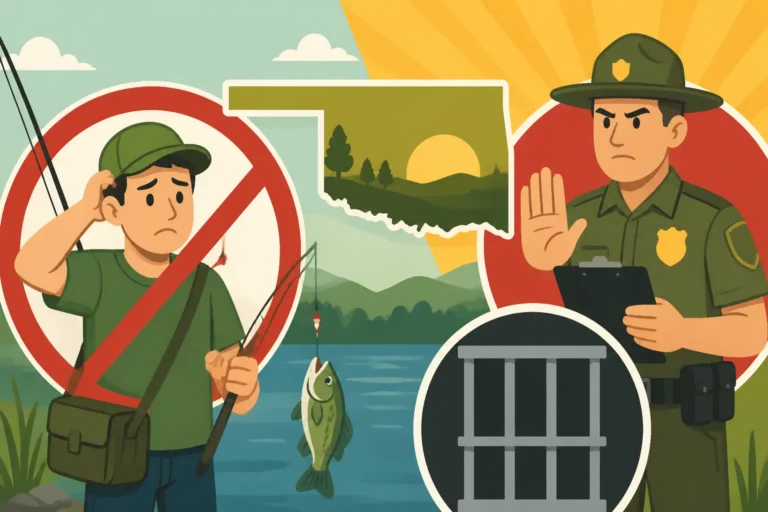
It's happened to the best of us: you're out on the water, maybe a little too focused on that bite, and then you see the glint of a badge. The sudden realization hits you – "Did I even grab my fishing license today?" Or maybe you thought you were exempt, or your old one was still good. The truth is, fishing without a valid license in Oklahoma isn't just a minor oversight; it carries real consequences that can quickly turn a peaceful day on the lake into a stressful, expensive ordeal. This guide is here to walk you through exactly what can happen if you find yourself in this tricky situation, so you can understand the risks and, more importantly, how to avoid them.
The Immediate Repercussions of Fishing Without a License
That moment when a game warden approaches can send a jolt through any angler, especially if you're not sure about your license status. It's not just an inconvenience; it's the start of a formal process with legal ramifications.
Getting Caught by an Oklahoma Game Warden
Oklahoma game wardens are dedicated professionals patrolling our lakes, rivers, and ponds, ensuring everyone adheres to the state's fishing regulations. When they approach you, their primary goal is to ensure you're fishing legally. They'll typically identify themselves and politely ask to see your fishing license, along with your driver's license or other identification. This isn't a random act; wardens are trained to observe activity and often have a keen sense for when something might be amiss.
If you don't have a valid license on your person, or if you don't have one at all, this is where the interaction shifts from a routine check to a compliance issue. They'll typically verify your identity and check the state's database to see if you have any record of purchasing a license. Sometimes, people genuinely forget their physical card, but have purchased it online. In such cases, if the warden can verify it electronically, you might just get a warning. However, if there's no record of a license, the process will proceed to a citation. It's a fair system, but it relies on you having done your part. For more details on why game wardens are so vigilant, check out our piece on Why Game Wardens Check Anglers for a License.
Receiving a Citation and Facing a Court Date
Being issued a citation for fishing without a license is a serious matter. It's not just a slap on the wrist; it's a formal legal document, akin to a speeding ticket, but often with more nuanced implications. The citation will outline the specific charge – generally, a misdemeanor for fishing without a required license – and will include a date by which you must appear in court or pay a fine. Ignoring this citation is never an option; it can lead to even more severe penalties, including warrants for your arrest.
This court date requirement can be a significant hassle. It means taking time off work, traveling to a courthouse, and potentially facing a judge. Even if you plan to simply pay the fine, you might still be required to appear. This isn't just about the money; it's about the time, stress, and inconvenience of navigating the legal system. It's a stark reminder that what might seem like a small omission has a very official process tied to it.
Understanding the Legal and Financial Penalties You Could Face
Let's talk about the hard numbers and the legal consequences that hit closest to home – your wallet and your freedom. Fishing without a license isn't a cheap mistake in Oklahoma.
Understanding Fines and Court Costs
The monetary penalty for fishing without a license in Oklahoma typically ranges, but you can generally expect a fine of anywhere from $25 to $200 for a first offense. However, that's just the baseline fine. What many anglers overlook are the additional court costs and administrative fees that get tacked on. These can often double or even triple the initial fine, meaning a $50 ticket could easily become a $150 to $200 expenditure once everything is accounted for.
Think about it: beyond the actual fine, there are charges for processing the citation, court administrative fees, and sometimes even fees for state wildlife conservation funds. These aren't discretionary; they're mandated by law. So, what initially sounds like a relatively small fine can quickly escalate into a substantial financial hit, far outweighing the cost of an actual license. For perspective, an Oklahoma Resident Annual Fishing License Cost is typically $31, making the penalty significantly more expensive than simply buying the license in the first place.
Escalated Penalties for Repeat Offenses or Aggravating Factors
While a first offense for fishing without a license might lead to a fine and court costs, subsequent offenses or the presence of aggravating factors can lead to much harsher penalties. Oklahoma law takes repeat violations seriously. If you're caught a second, third, or even fourth time, the fines can increase dramatically, potentially reaching into the hundreds of dollars just for the base fine, before court costs.
Furthermore, certain circumstances can elevate the charge from a simple license violation to something more serious. For example, if you're found fishing without a license and you're using illegal fishing gear (like an unmarked trotline or illegal nets), or if you're significantly over the legal bag limit for a species, the penalties will be compounded. This could mean higher fines, mandatory court appearances, and potentially even more severe legal consequences, including probation or, in rare cases, jail time. While direct incarceration for a first-time license violation is uncommon, it's a possibility for repeated offenses or when combined with other serious wildlife violations. It's important to understand the full scope of Penalties for Fishing Without a License in Oklahoma.
Long-Term Impacts on Your Fishing Privileges
The repercussions of fishing without a license extend far beyond a single court appearance or a fine. They can impact your ability to enjoy fishing in Oklahoma for years to come.
Potential License Revocation and Suspensions
One of the most significant consequences of repeated fishing license violations, or even a single severe violation, is the potential for the Oklahoma Department of Wildlife Conservation (ODWC) to suspend or revoke your fishing privileges. This means you might be legally prohibited from purchasing a fishing license for a specified period, ranging from months to several years. Imagine wanting to take your family fishing, or planning that annual trip with friends, only to find out you're barred from getting a license.
This isn't just a temporary inconvenience; it can be a deeply frustrating barrier for passionate anglers. The ODWC maintains records of all violations, and these can be flagged when you attempt to renew or purchase a new license. This system is designed to deter chronic offenders and ensure responsible participation in the state's outdoor activities. It serves as a powerful reminder that fishing is a privilege, not an absolute right, and it comes with responsibilities.
The Risk of Gear Confiscation
In certain situations, a game warden isn't just limited to issuing a citation. They also have the authority to confiscate your fishing gear, especially if it's involved in an illegal activity or if you are persistently violating regulations. While it's less common for a simple "no license" infraction unless it's a repeat offense or tied to other serious violations, it's a possibility that adds another layer of financial loss and frustration.
Confiscated gear might include rods, reels, nets, or even a boat if it's directly used in a major violation. This represents a tangible financial loss on top of any fines. Replacing expensive fishing equipment can be a significant cost, and it's a consequence that many anglers don't consider until it's too late. The law is designed to ensure compliance, and the seizure of property serves as a strong deterrent against illegal activities.
Here’s a quick overview of potential consequences:
| Type of Consequence | Details | Potential Impact |
|---|---|---|
| Immediate | Verbal warning (rare, if verifiable) or Citation issued | Immediate interruption of fishing, potential stress and embarrassment |
| Financial | Base fine (e.g., $25-$200 for first offense) + Court Costs | Total cost can easily exceed $150-$200, significant financial burden |
| Legal | Required court appearance; Misdemeanor on record | Time off work, travel to court, potential legal fees, criminal record |
| Future Fishing | License suspension or revocation (especially for repeat offenses) | Barred from legal fishing for months or years, impacting recreational access |
| Asset Loss | Confiscation of fishing gear (in severe or repeat cases) | Loss of valuable equipment, requiring costly replacements |
| Social | Negative perception, potential reputational damage | May be seen as disrespectful to regulations and other anglers |
How to Avoid the Consequences: Staying Legal on Oklahoma Waters
The good news is that avoiding these hassles and penalties is incredibly straightforward: simply ensure you're always fishing legally. It's much easier, and cheaper, to comply than to deal with the aftermath of a violation.
Ensuring Your License is Valid and Accessible
The single most important step is to always have a current and valid Oklahoma fishing license whenever you cast a line. This means checking the expiration date on your existing license and purchasing a new one well before it lapses. You can easily purchase your license online through the ODWC's Go Outdoors Oklahoma portal – many folks find that How to Buy an Oklahoma Fishing License Online is incredibly convenient, allowing you to print it right away or save it to your phone. It's always a good idea to have either a physical copy or a digital copy readily accessible on your smartphone.
Don't assume your old license is still active, especially if you only fish occasionally. Licenses typically run for a year from the date of purchase or until a specific calendar date, so it's vital to know how long your Oklahoma fishing license stays valid. Make it a habit to check your license before heading out to your favorite spot. This simple routine can save you a lot of grief and ensure your time on the water is purely enjoyable.
Special Considerations for Youth and Non-Residents
While the general rule of "get a license" applies, there are specific scenarios where people often get confused, leading to unintentional violations. For instance, many assume that very young children don't need a license. While Oklahoma does offer exemptions for very young anglers, it's crucial to know the exact age cut-off. Generally, residents under 16 years old are exempt, but it's always best to double-check the current regulations, especially if you're taking a child who is close to that age. Our guide on Do Kids Need a Fishing License in Oklahoma? provides comprehensive details on this.
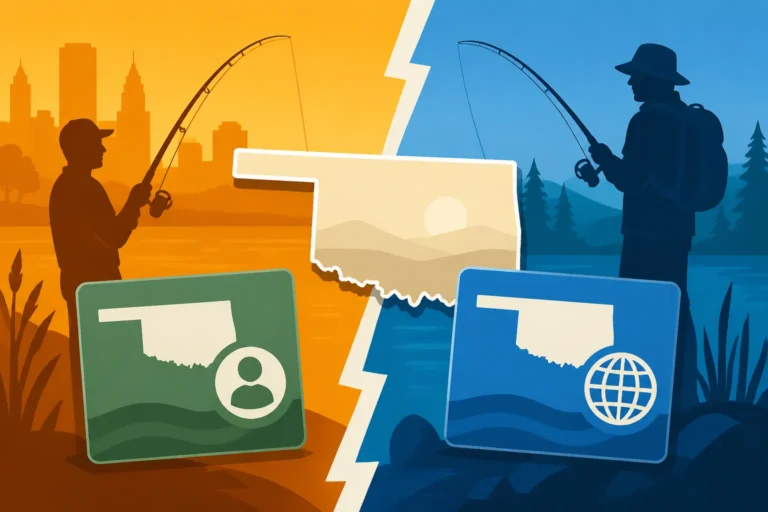
Similarly, non-residents often have different license requirements and price structures. If you're visiting Oklahoma from a neighboring state like Texas or Arkansas, you cannot use your home state's fishing license to fish in Oklahoma waters (with a few exceptions on border waters like Lake Texoma, but even those have specific rules). You'll need to purchase a separate Oklahoma non-resident license, which often costs more than a resident license. For example, a Nonresident 1-Day Fishing License Price in Oklahoma is different from an annual one. It's essential for visitors to research Oklahoma Fishing License Requirements in Oklahoma specific to their residency status to avoid issues. Remember, while there are Free Fishing Days in Oklahoma once a year where licenses aren't required, all other regulations like bag and length limits still apply.
Making sure everyone in your fishing party has the appropriate license for their age and residency is a small step that ensures a worry-free day for everyone.
Disclaimer
The information provided in this guide is for general informational purposes only and does not constitute legal advice. Fishing regulations and penalties can change. It is always the responsibility of the angler to consult the most current Oklahoma Department of Wildlife Conservation regulations or seek legal counsel for specific situations.