Why River Bass Limits Differ From Lake Limits in Oklahoma
It can be incredibly confusing and even frustrating when you hit the water in Oklahoma, expecting one set of fishing rules, only to find out that the bass limits suddenly change depending on whether you're casting into a sprawling lake or a meandering river. Many anglers have been there, scratching their heads and wondering why the heck the Oklahoma Department of Wildlife Conservation (ODWC) doesn't just keep things simple. But there's a good reason behind these differences, and understanding them isn't just about avoiding a ticket; it's about appreciating the diverse aquatic ecosystems we're lucky enough to fish. This guide will dive deep into why river bass limits often differ significantly from those in our beloved lakes, helping you navigate the regulations with confidence and a clearer understanding of the science behind them.
Understanding Oklahoma's General Bass Regulations
Before we get into the nitty-gritty of why rivers have their own rules, it’s crucial to understand the baseline, which often starts with our lakes. Most Oklahoma anglers are pretty familiar with the general lake limits, but it’s worth reviewing the details to highlight the stark contrasts. These regulations are carefully crafted to ensure healthy fish populations for generations of anglers to enjoy.
Statewide Lake Limits for Largemouth and Smallmouth Bass
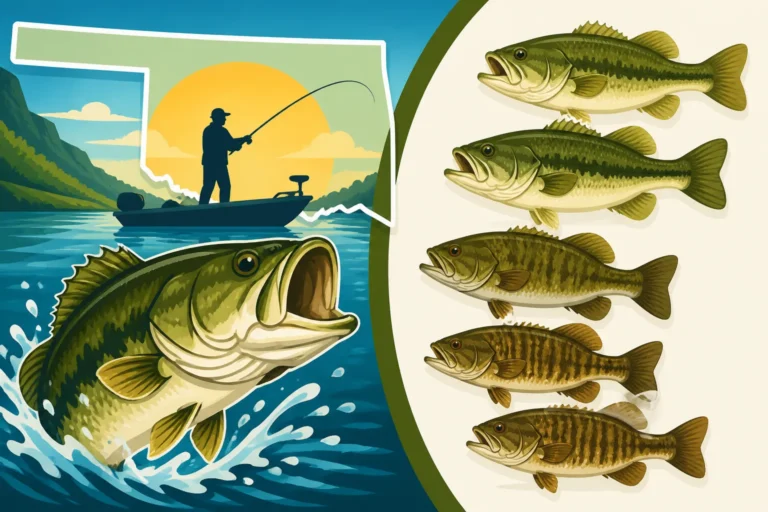
Across the vast majority of Oklahoma's lakes and reservoirs, you'll encounter a fairly consistent set of rules for our most popular game fish: largemouth and smallmouth bass. The standard is a daily aggregate bag limit of six bass. This means you can keep a total of six largemouth, smallmouth, or a combination of both in any given day. However, there's a critical size restriction that often trips up even seasoned anglers: within that six-fish limit, only one can be 16 inches or longer. This rule is a cornerstone of "The One 16-Inch Bass Rule Anglers Miss" and is designed to protect larger, breeding-size fish.
Imagine you're out on Lake Eufaula, having a fantastic day and you've managed to land four chunky largemouth bass, all between 12 and 15 inches. You're feeling good, maybe thinking about that final two fish. Then, you hook into a monster 18-inch lunker. You can certainly keep that big fish, but now, because you've kept one over 16 inches, any other bass you keep must be under that 16-inch mark. This particular regulation for "Largemouth and Smallmouth Bass Limits Combined in Oklahoma" is put in place to ensure that a healthy number of larger, more productive female bass remain in the lake to continue spawning and contribute to the overall population. It's a balance between allowing anglers to harvest some fish and protecting the genetic potential of the fishery.
The Biological Rationale Behind Lake Limits
The Oklahoma Department of Wildlife Conservation (ODWC) doesn't just pull these numbers out of a hat. These lake limits are the result of extensive biological research and monitoring. Lakes are generally more stable environments than rivers, with predictable spawning grounds, consistent food sources, and less dramatic changes in water flow or habitat. Because of this stability, bass populations in lakes can often support a higher harvest rate, and managing for larger fish is a more achievable goal.
The ODWC studies population density, growth rates, age structures, and fishing pressure on specific lakes. For example, if a lake consistently produces a large number of bass but fewer trophy-sized fish, they might implement slot limits or protective regulations like the one-over-16-inch rule to encourage more fish to reach larger sizes. Lakes are often managed with the goal of providing both harvest opportunities and the chance for anglers to catch bigger fish. It's a delicate dance: too many protective regulations, and anglers might feel discouraged; too few, and the fishery could suffer from overharvesting. Factors like the presence of gizzard shad for forage, available cover in submerged timber or hydrilla beds, and overall water quality all contribute to how well a bass population can thrive and how many fish it can sustain under fishing pressure.
The Unique Dynamics of River and Stream Environments
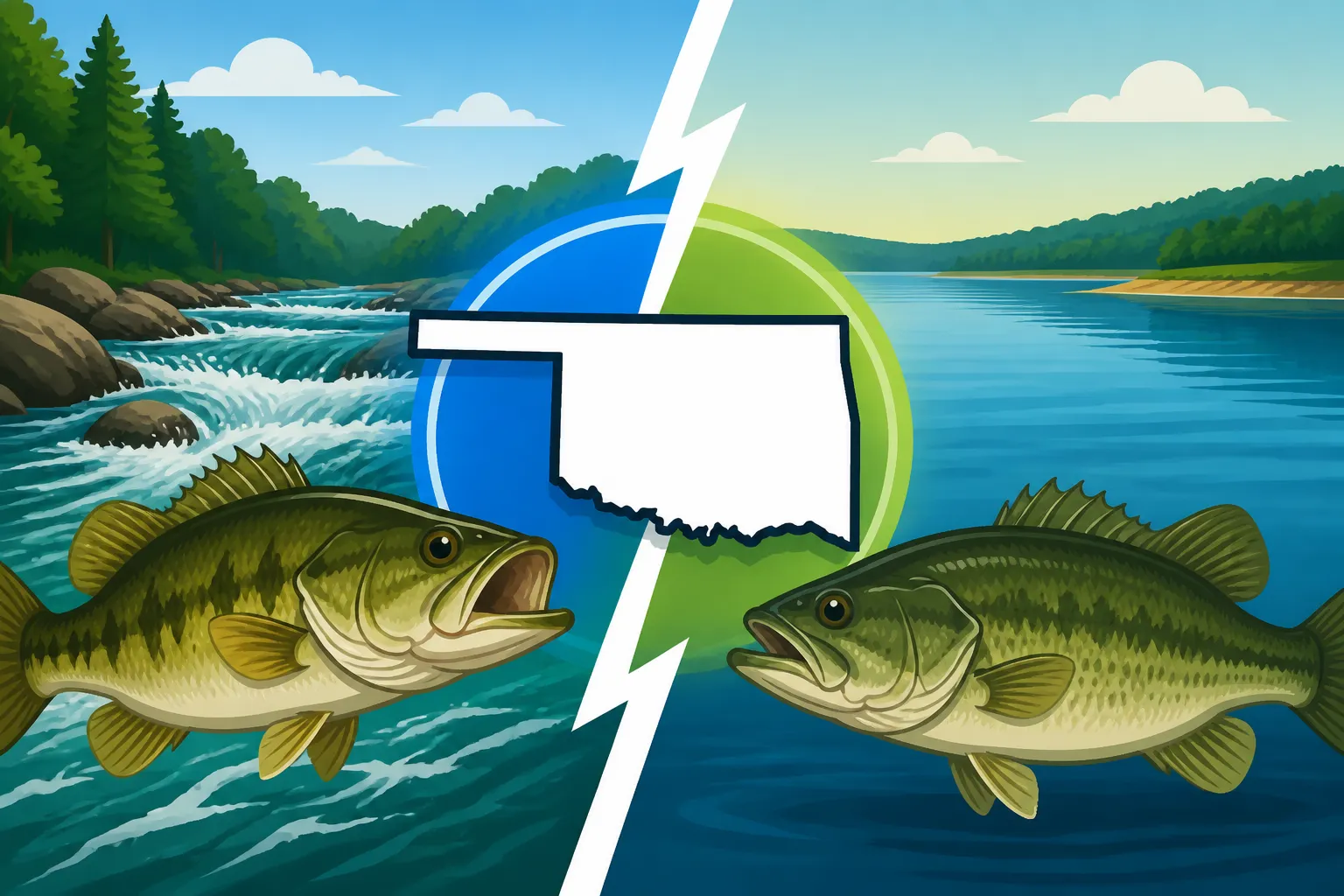
While lakes are relatively stable basins, rivers and streams are dynamic, ever-changing waterways. This fundamental difference is precisely why "Why River Bass Limits Differ From Lake Limits in Oklahoma" is such a crucial topic, and why a blanket statewide rule simply wouldn't make sense. The forces at play in a flowing water system put different pressures on fish populations, requiring a more nuanced management approach.
Distinct Challenges in River Bass Populations
Rivers and streams present a unique set of challenges for bass populations that aren't typically found in stillwater lakes. First and foremost is the current. Constant flow impacts everything from spawning success to food availability and fish energy expenditure. During floods, eggs and fry can be washed downstream, and habitat can be dramatically altered. Even normal current requires fish to expend more energy to hold their position, potentially affecting growth rates. This leads to typically smaller, leaner bass in river systems compared to their lake-dwelling cousins.
Furthermore, riverine habitats are often more fragmented. Dams, waterfalls, and even natural riffles can isolate populations, making them more vulnerable to overfishing in specific stretches. Think about a popular smallmouth bass stream like the Glover River or parts of the Illinois River. These areas might experience intense localized pressure from anglers, and if the limits were the same as a massive reservoir, those isolated populations could be quickly depleted. Also, rivers generally have less overall volume and surface area compared to large lakes, meaning a smaller carrying capacity for fish. The habitat can be less complex, with fewer deep-water refuges or vast areas of cover that fish might find in a lake. These factors make river bass populations inherently more fragile and slower to recover from impacts.
Specific River and Stream Bass Limits in Oklahoma
Recognizing these vulnerabilities, the ODWC implements stricter limits for black bass (largemouth, smallmouth, and spotted bass) in rivers and streams. The most significant difference is the minimum size limit: for black bass caught in rivers and streams, there is a 14-inch minimum length requirement. This means that if you catch a 13-inch largemouth in a creek, as opposed to a lake, it is illegal to keep. This is precisely "Why a 14-Inch Bass Caught in a Creek Might Be Illegal to Keep" and it's a rule often overlooked by anglers transitioning from lake to river fishing.
In addition to the 14-inch minimum, there’s a specific regulation for smallmouth bass in rivers and streams: you can only keep one smallmouth bass per day. While the aggregate limit for black bass remains six, if you're targeting smallmouth, you're restricted to just one. This "Only One Smallmouth Bass a Day in Oklahoma Rivers" rule is vital because smallmouth bass are often less abundant than largemouth in river systems and are highly prized by anglers. They also tend to grow slower and are more susceptible to localized fishing pressure. These stringent rules are in place to ensure these unique riverine populations remain healthy and continue to provide exciting fishing opportunities without being decimated by overharvest. Understanding these specific differences is key to "Keeping Black Bass From Moving Water in Oklahoma" sustainable for the future.
Why Different Management Strategies Are Essential
It's clear that the ODWC isn't trying to make your life harder with complicated regulations; rather, they're implementing sound fisheries management based on the distinct biological and ecological needs of different water bodies. It's all about ensuring sustainable fishing for everyone.
The Role of Habitat and Reproduction in Rivers vs. Lakes
Consider how different habitats affect bass reproduction. In a lake, bass typically find stable, shallow areas with submerged vegetation, woody debris, or rocky bottoms where they can build nests and spawn without fear of their eggs being swept away. The relatively calm waters allow fry to hatch and grow in protected coves and shallow flats.
Rivers, however, are a different story. While bass do spawn in rivers, the success rate can be highly variable. Strong currents can scour nests, disperse eggs, and wash newly hatched fry downstream, often into less hospitable environments. Flash floods, common in Oklahoma's unpredictable weather, can wipe out an entire year's spawn in certain river stretches. This inherent instability means that river bass populations often have lower recruitment rates (fewer young fish surviving to adulthood) compared to their lake counterparts. Because they face more challenges in reproduction and early survival, river bass populations need extra protection from harvest to maintain their numbers. The "The 14-Inch Minimum for River and Stream Bass" and the one-smallmouth limit directly reflect this biological vulnerability. They ensure that enough bass reach maturity and have a chance to spawn multiple times before being harvested, bolstering the population against these environmental challenges.
Tailoring Conservation for Sustainable Fisheries
Ultimately, these differing limits are about tailoring conservation efforts to the specific needs of each ecosystem. Trying to apply a "one size fits all" approach to "Oklahoma's Bass Fishing Rules and Limits" would be detrimental to either the lake or river populations, or both. For lakes, the goal might be to produce a good balance of harvestable fish and occasional trophies, supported by stable environments and strong forage bases. The general "Oklahoma Statewide Bass Bag Limit Explained" often reflects this.
For rivers, the priority shifts to protecting inherently more fragile populations from localized depletion. The focus is on ensuring a strong breeding stock and allowing fish to grow to a size where they've had a chance to reproduce. This means stricter length limits and sometimes lower bag limits for specific species, especially those like smallmouth bass that might be less abundant and more sought after in river systems. This approach to conservation ensures that anglers can continue to enjoy the unique experience of river fishing, knowing that the resource is being carefully managed for the long term. It's a proactive measure to prevent overfishing and habitat degradation from severely impacting these valuable fisheries.
Local Factors and Scientific Research
The ODWC doesn't just guess at these regulations; they rely on extensive scientific research and local monitoring. Fisheries biologists conduct electroshocking surveys, netting operations, and creel surveys (interviewing anglers) to gather data on fish populations in specific lakes and river systems. They look at growth rates, age composition, reproductive success, and angler harvest rates. For instance, if data shows that smallmouth bass in a particular river system are growing very slowly and are being heavily harvested before they can spawn effectively, the ODWC might implement a stricter size limit or reduce the bag limit for that specific species in that particular river.
This granular, data-driven approach allows for dynamic management. Sometimes, rules change based on new findings or environmental shifts. For example, some specific reservoirs might have their own unique "Bass, Crappie and Catfish Limits Compared" due to their unique ecology or management goals, such as producing trophy-sized fish for tournaments. The ODWC also considers factors like public access, fishing pressure, and the economic impact of recreational fishing when developing and refining these regulations. It's a continuous process of observation, analysis, and adaptation to maintain the health and vitality of Oklahoma's diverse aquatic resources.
Navigating the Regulations: Tips for Anglers
Understanding why the rules differ is one thing, but actually remembering and applying them when you're on the water is another. It's easy to get caught up in the excitement of fishing, but a little preparation can save you from a potential violation and ensure you're contributing to conservation.
Always Check Before You Cast
This is, hands down, the most important piece of advice for any angler in Oklahoma. Don't rely on what you remember from last year, or what your buddy told you. Regulations can and do change, and specific rules apply to specific bodies of water. The Oklahoma Fishing and Hunting Regulations guide is available annually, and the ODWC also has an excellent website and mobile app that provides up-to-date information. Take a few minutes to review the specific body of water you plan to fish, especially if you're moving between different types of water – say, from a large reservoir like Lake Texoma to a smaller river like the Blue River.
Failing to check can lead to accidental violations, which can result in fines and even confiscation of your catch. Ignorance of the law is rarely an excuse in the eyes of a game warden. It's also smart to check if the area you're fishing falls under any special rules, such as those for state park fishing spots or certain "Best Fishing Spots in Oklahoma" that might have their own unique regulations. Even within a single lake or river system, certain sections might have different rules, so always be specific with your search.
Practical Scenarios and Common Mistakes
Let's walk through a couple of hypothetical scenarios that often trip up anglers:
Scenario 1: The Borderline Bass
You're fishing a popular creek that feeds into Grand Lake O' the Cherokees. You catch a beautiful 15-inch largemouth bass. You know Grand Lake's general limit allows you to keep bass under 16 inches as part of your six-fish bag. However, because you caught it in the creek (a riverine environment), the 14-inch minimum for rivers and streams applies. Since this bass is 15 inches, it meets the river minimum, and you can keep it as part of your six-fish aggregate limit. But if it had been 13 inches, you'd have to release it, even though it would be legal in the main lake. This highlights the importance of knowing if you're in a creek, river, or the main lake.
Scenario 2: The Smallmouth Surprise
You're on the Kiamichi River, known for its smallmouth bass. You're having an incredible day and have caught and released several smallmouth, all over 14 inches. You decide to keep one 16-inch smallmouth for dinner. Later, you catch another smallmouth, this one 15 inches, and think about keeping it too. This is where the "Only One Smallmouth Bass a Day in Oklahoma Rivers" rule kicks in. You can only keep one smallmouth bass from a river or stream, regardless of its size (as long as it meets the 14-inch minimum). So, you'd have to release that second 15-inch smallmouth. On the other hand, if you had been fishing Lake Tenkiller, the statewide lake limits would apply, and you could keep multiple smallmouth as long as only one was over 16 inches and you didn't exceed your six-fish aggregate limit.
These examples underscore why it’s not enough to just know the general limits; you truly need to understand the nuances of "Do River Bass Rules Apply to Lakes Too?" and vice versa. Always clarify which specific regulations apply to your current location. If in doubt, releasing the fish is always the safest bet.
Comparison of Lake vs. River Bass Limits
To make things a bit clearer, here's a quick comparison of the typical regulations you'll encounter for black bass in Oklahoma:
| Feature | Most Oklahoma Lakes/Reservoirs (General Statewide) | Oklahoma Rivers/Streams (General Statewide) |
|---|---|---|
| Aggregate Bag Limit | 6 Black Bass (Largemouth, Smallmouth, Spotted combined) | 6 Black Bass (Largemouth, Smallmouth, Spotted combined) |
| Minimum Length Limit | No minimum length for Largemouth or Spotted Bass. Smallmouth minimum may vary by lake, often 12-14 inches, but not always present. | 14 inches minimum for Largemouth, Smallmouth, and Spotted Bass. |
| Fish 16 Inches or Longer | Only one bass 16 inches or longer may be kept within the 6-fish bag limit. | Only one bass 16 inches or longer may be kept within the 6-fish bag limit. |
| Specific Smallmouth Rule | No specific daily limit on smallmouth within the aggregate 6-fish limit, other than the one over 16 inches. | Only one (1) Smallmouth Bass per day may be kept. |
| Biological Rationale | Stable habitat, higher carrying capacity, management for growth and harvest balance. | Dynamic habitat, lower carrying capacity, protection of smaller, more fragile populations. |
Note: Always check the latest Oklahoma Fishing and Hunting Regulations for specific water bodies, as exceptions and special regulations exist for certain lakes and rivers.
It's a lot to keep track of, but this table should give you a good starting point for understanding the core differences. The key takeaway is that river systems require more protection for their bass populations.
In the grand scheme of things, understanding these regulatory nuances helps us all become better, more responsible anglers. The diverse ecosystems across our state, home to "Oklahoma's 181 Fish Species," each need a unique approach to ensure they thrive. The next time you're debating whether to hit a lake or a river, take a moment to consider not just the fishing prospects, but the specific rules that apply to that incredible body of water.
Disclaimer
Please note that fishing regulations are subject to change. While this guide provides a comprehensive overview based on current information, it is essential to consult the official Oklahoma Department of Wildlife Conservation (ODWC) fishing regulations handbook or their official website and app before each fishing trip. These resources provide the most up-to-date and specific rules for all bodies of water in Oklahoma.