Is Fishing Without a License in Oklahoma Actually Enforced?
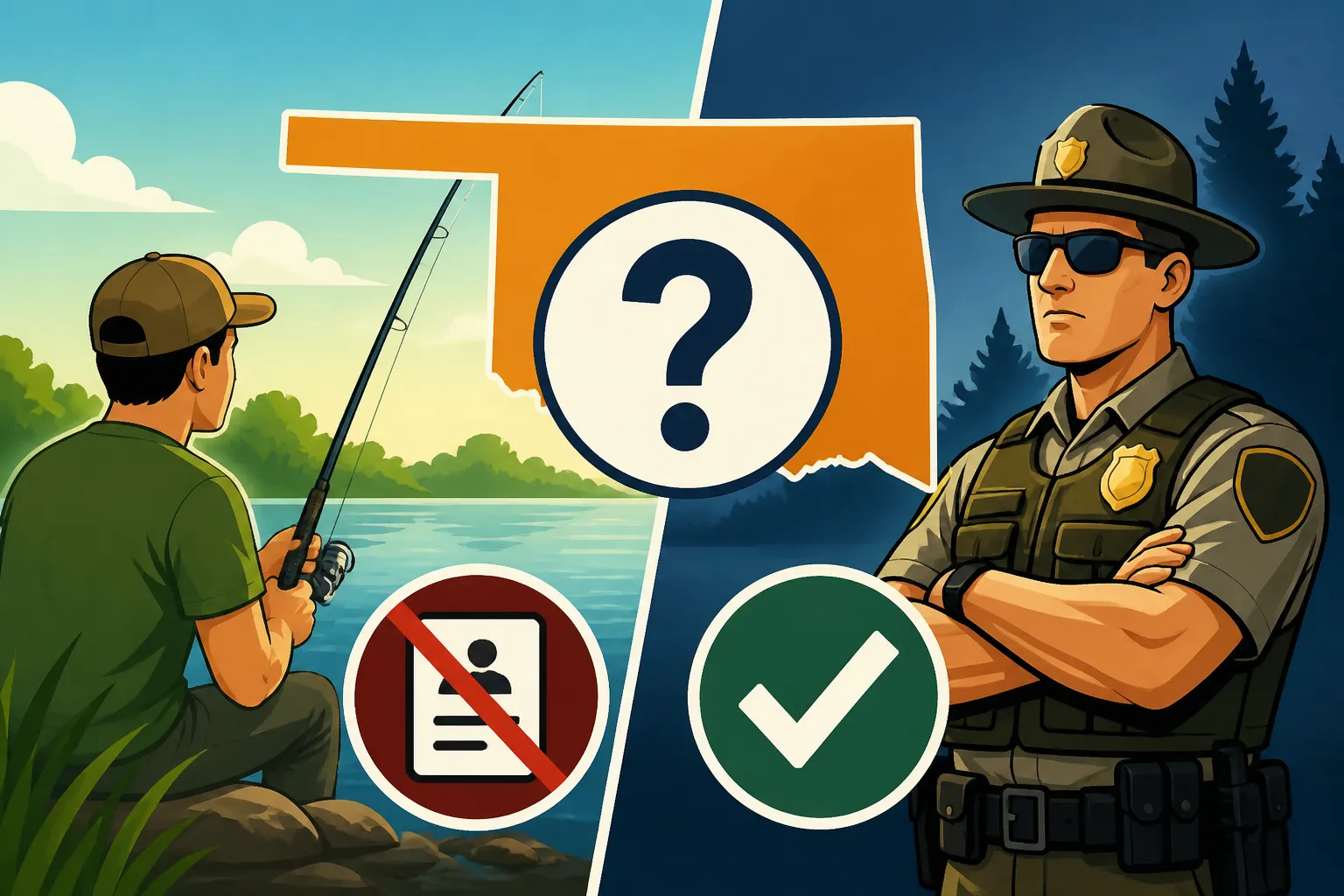
Many anglers, myself included, have stood at the water's edge in Oklahoma, maybe just for a quick cast, and thought, "What are the chances I'll actually get checked for a fishing license right now?" This common thought often leads to genuine confusion and, sometimes, to folks accidentally or intentionally fishing without the proper documentation. This comprehensive guide is here to shed light on just how seriously Oklahoma enforces its fishing license laws, giving you a realistic picture of the risks and the importance of doing things by the book.
The Misconception: "No One Really Checks for a License"
It's a whisper you hear often around the boat ramps and popular fishing holes: "I've been fishing here for years, and I've never once been asked for my license." This sentiment, while sometimes rooted in a genuine experience (or lack thereof), can lead to a false sense of security for many. It's easy to assume that because you haven't personally encountered a game warden, the enforcement must be lax, or that the Oklahoma Department of Wildlife Conservation (ODWC) has bigger fish to fry, pun intended.
The Allure of a Quick, Unlicensed Cast
Let's be honest, we've all been there. You're driving by a beautiful pond or a quiet river bend, you've got your rod and reel in the truck, and the water is just calling your name. Maybe you forgot to renew your license, or perhaps you're just visiting and don't want to go through the perceived hassle for just an hour or two of fishing. The temptation to just "dip a line" without the paperwork can be incredibly strong, especially if you're convinced that the chances of getting caught are minimal. You might tell yourself, "It's just one fish," or "I'll only be here for a few minutes, what's the harm?" This immediate gratification often outweighs the thought of potential consequences in the moment.
Sometimes, it's not even about intentional evasion. Life gets busy, and renewing that annual license can slip your mind. You head out, full of excitement for a day on the water, only to realize mid-cast that your license expired last month. In these situations, the immediate thought might be to just keep going, hoping no one notices, rather than packing up and driving to find a place to renew. This "ignorance is bliss" or "just this once" mentality is a common trap, but it's important to understand that the law doesn't differentiate between intentional and accidental violations when it comes to enforcement.
Why Some Anglers Think They Can Get Away With It
The vastness of Oklahoma's fishing landscape probably plays a role in this misconception. With thousands of miles of shoreline, countless rivers, streams, and over 200 publicly accessible lakes, it can feel like a needle in a haystack for a game warden to find you. Many anglers picture enforcement as a lone warden randomly driving around, which might make them feel their odds are good. They might be fishing a remote creek or a quiet corner of a massive reservoir like Lake Eufaula or Lake Texoma, believing they're completely off the radar.
Another factor could be the sheer number of people fishing on any given day. On a busy weekend, especially during peak seasons like the spring crappie run or the fall bass bite, reservoirs are teeming with boats and bank anglers. It’s natural to think that with so many people out enjoying the water, singled out for a license check seems unlikely. However, this line of thinking doesn't account for the systematic approach that game wardens employ, nor their intimate knowledge of popular fishing spots and common times for activity.
The Reality: Oklahoma Game Wardens Are Out There
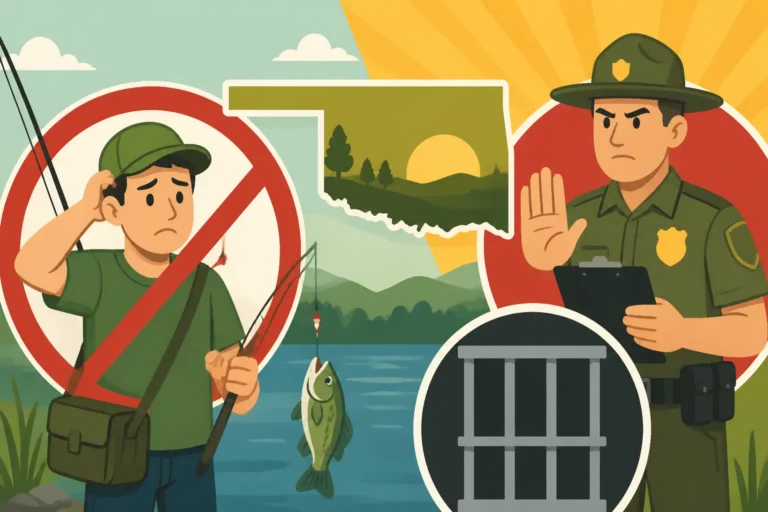
Despite the whispers and wishful thinking, fishing without a license in Oklahoma is absolutely enforced, and the Oklahoma Department of Wildlife Conservation takes it seriously. Game wardens are dedicated law enforcement officers whose primary mission is to protect the state's natural resources and ensure everyone is playing by the rules. They aren't just driving around aimlessly; they are strategically patrolling, observing, and interacting with anglers across the state, from the smallest farm ponds to the largest impoundments.
What Game Wardens Do and Where They Patrol
Oklahoma game wardens are highly trained professionals, just like any other law enforcement officer. They are responsible for enforcing all state wildlife laws, which include everything from hunting and fishing regulations to boating safety and environmental protection. Their patrol areas aren't limited to main roads or crowded boat ramps. These officers know the back roads, the remote access points, and even the hidden coves where anglers might try to sneak a few casts unnoticed. They use boats, ATVs, and even plainclothes operations to cover their vast territories effectively.
Think about it: a game warden's job is to literally be in the wilderness and on the water. They spend their days on lakes like Grand Lake O' the Cherokees, Lake Hefner near Oklahoma City, and the Red River, ensuring compliance. They are familiar with the seasonal patterns of fishing activity, knowing exactly when and where different species are biting, and consequently, when and where anglers are most likely to be present. This intimate knowledge makes them incredibly efficient at their job. They're not just looking for license violations; they're also checking for compliance with bag limits, size restrictions, and proper boating safety equipment.
Understanding Their Authority to Check Licenses
Yes, game wardens absolutely have the authority to approach you and ask to see your fishing license. This isn't a random act or an invasion of privacy; it's a standard part of their duties to ensure that everyone is legally participating in regulated activities. When a game warden approaches, they typically identify themselves and politely request to see your valid Oklahoma fishing license, along with any relevant endorsements. This process is usually quick and straightforward if you have your license readily available.
Refusing to show your license can lead to further complications, including a citation for obstruction or other charges. It’s important to remember that these officers are acting within their legal scope to protect a public resource. For a deeper dive into their authority, you might want to read about whether Can Rangers Ask to See Your License While Fishing?. It's always best to be cooperative and have your documentation, whether it's a physical copy, a printed PDF, or a digital version on your phone, ready to present. Most game wardens appreciate anglers who are prepared and respectful, making the interaction smooth for everyone involved.
Enforcement Hotspots and Common Scenarios
While game wardens patrol everywhere, there are certain situations and locations where enforcement tends to be more concentrated. Popular fishing destinations, especially those known for trophy catches or specific seasonal runs, are often under closer watch. For example, during the May striper run at Lake Texoma, or the spring crappie spawn at Fort Gibson Lake, you can bet that game wardens will be out in force, checking licenses and ensuring bag limits are adhered to.
Here are a few common scenarios where you're likely to be checked:
- Boat Ramps: These are natural chokepoints where wardens can easily observe multiple anglers launching or retrieving their boats. It’s a prime location for quick checks.
- High-Traffic Fishing Piers and Bank Access Points: Popular spots for shore fishing, like those at Lake Murray or along the Arkansas River, often see wardens walking the banks, interacting with anglers.
- During Routine Boating Safety Checks: If you're stopped for a boating safety check (e.g., proper life jackets, registration), a license check will almost certainly be part of the interaction.
- Responding to Calls: If someone reports suspicious activity, or even just observes an angler keeping undersized fish, wardens will investigate, and a license check is standard procedure.
- Remote Areas: Don't let the solitude fool you. Wardens often specifically target less-accessible areas, knowing some anglers assume they're immune to checks there.
The Consequences: More Than Just a Slap on the Wrist
If you're caught fishing without a valid Oklahoma fishing license, the consequences can range from a substantial fine to more serious legal repercussions. It's not just a minor inconvenience; it's a violation of state law, and it carries penalties that can quickly add up and impact your ability to fish legally in the future. Many people underestimate the financial and administrative burden this can create.
Financial Penalties and Court Costs
Fishing without a license in Oklahoma is typically classified as a misdemeanor. The fines aren't negligible. While specific amounts can vary by county and judge, you're generally looking at a base fine that can easily be over $100, sometimes even closer to $200. On top of that, there are court costs and administrative fees that can significantly increase the total amount you owe. What started as a free fishing trip can quickly become a very expensive outing. For a detailed look at the financial implications, you should definitely review the information on Penalties for Fishing Without a License in Oklahoma.
Consider this scenario: you decide to skip the $31 annual resident license (or the higher nonresident cost) for a quick afternoon of fishing. A game warden checks your license, and you don't have one. You might receive a citation with a fine of $150 plus $75 in court costs, bringing your total to $225. Suddenly, that "free" fishing trip is seven times more expensive than just buying the license in the first place. And that's just for the license violation itself; if you also exceeded bag limits or caught undersized fish, you could face additional fines for those separate offenses.
The Long-Term Impact on Your Fishing Privileges
Beyond the immediate financial hit, being caught fishing without a license can have longer-lasting consequences, particularly regarding your fishing privileges. A conviction for fishing without a license might result in a suspension of your fishing privileges for a certain period. This means you wouldn't be able to purchase any Oklahoma fishing licenses, even if you wanted to, until that suspension is lifted. This could put a serious damper on your angling plans for months or even years.
Furthermore, a conviction for a wildlife violation goes on your record. While it might not seem as severe as other types of offenses, it can be viewed negatively by wildlife agencies in other states if you plan to fish across state lines. Some states share enforcement information, and a history of violations could affect your ability to obtain licenses there as well. It's a black mark that simply isn't worth the risk when licenses are relatively affordable and easy to obtain. It's always best to be fully compliant, especially if fishing is a passion you want to enjoy for years to come.
Additional Penalties for Other Violations
It’s crucial to understand that fishing without a license is often just the tip of the iceberg if other regulations are also being ignored. If a game warden stops you and finds you don't have a license, they will likely conduct a thorough check of any fish in your possession. If they discover you've also exceeded the daily bag limit for crappie, or kept a largemouth bass that's under the legal size limit, those are separate violations, each carrying its own set of fines and potential penalties.
Here's a breakdown of how violations can stack up:
| Violation Type | Typical Outcome (Example) | Potential Cost (Example) |
|---|---|---|
| Fishing without a license | Misdemeanor citation | $150 fine + $75 court fees |
| Exceeding bag limit (e.g., crappie) | Separate misdemeanor citation per species/overage | $100 fine + $75 court fees |
| Possessing undersized fish | Separate misdemeanor citation per species/undersize | $100 fine + $75 court fees |
| Boating safety violation (e.g., no PFD) | Misdemeanor citation | $125 fine + $75 court fees |
As you can see, a simple oversight or intentional disregard can quickly lead to multiple citations and a very expensive day on the water. It's not just about the license; it's about adhering to all Fishing Regulations You Need to Know in Oklahoma to ensure a responsible and legal angling experience. The total cost can quickly climb into hundreds, or even thousands, of dollars depending on the severity and number of violations.
Staying on the Right Side of the Law
The good news is that avoiding these headaches is incredibly easy! Oklahoma has made it very convenient for anglers to obtain and carry their fishing licenses. There's no reason to risk a citation when a few minutes of planning can ensure you're fully compliant and can enjoy your time on the water without worry. Being prepared means you can focus on the fishing, not on looking over your shoulder.
Easy Ways to Acquire and Carry Your Fishing License
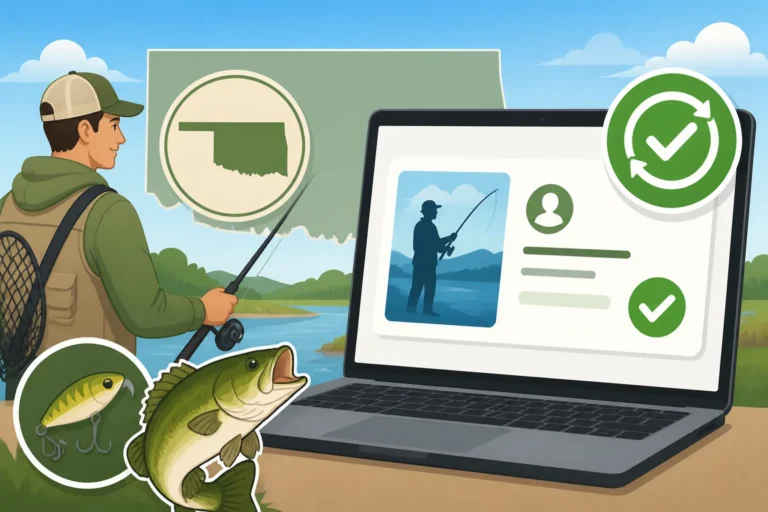
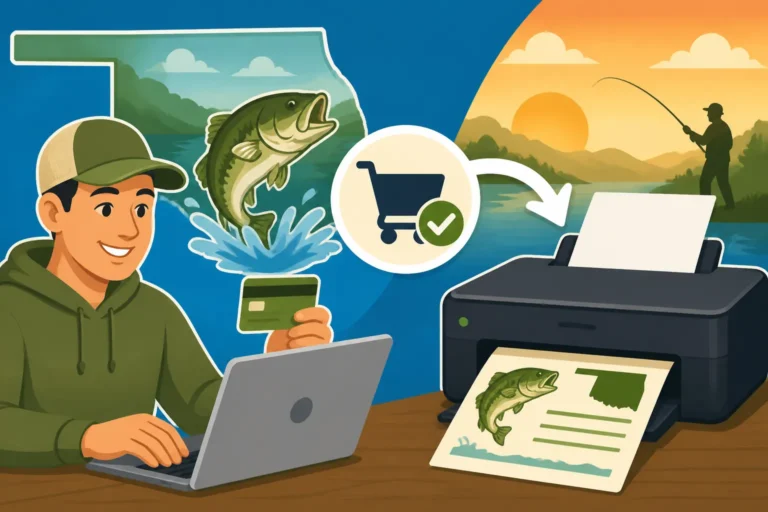
Getting your Oklahoma fishing license is remarkably simple these days. The most convenient method for many is to purchase it online through the Oklahoma Department of Wildlife Conservation website. You can do this from your computer, tablet, or even your smartphone before you head out the door or even while sitting in your vehicle at the lake. Once purchased, you can often print a physical copy or save a digital version to your phone. If you're interested in the process, checking out How to Buy an Oklahoma Fishing License Online is a great start.
Beyond online purchases, there are numerous authorized license vendors across the state. These include sporting goods stores like Academy Sports + Outdoors and Bass Pro Shops, as well as many bait shops, convenience stores, and county clerk's offices. You can walk in, fill out a quick form, and walk out with your license in hand. For a comprehensive list of where you can find a vendor, see Where to Buy a Fishing License in Oklahoma. Remember, a valid license is required for most anglers 16 years of age and older, so even if you're planning a trip with younger family members, it’s worth checking Do Kids Need a Fishing License in Oklahoma? to understand their requirements.
It’s also important to understand the various Oklahoma Fishing License Costs and Types. Whether you need an annual resident license, a 1-day license, or a special combination license, knowing your options helps you pick the right one. Don't forget that these licenses have an expiration date – often at the end of the calendar year or 365 days from purchase, depending on the type. You can also easily manage your existing license by learning about Renewing Your Oklahoma Fishing License Online. Always double-check your license's validity before casting that first line, and consider saving it as a PDF on your phone or having a laminated copy for easy access.
Why Understanding All Fishing Regulations Matters
Having a license is the first step, but it's not the only one. A valid license grants you the privilege to fish, but it doesn't exempt you from following the extensive set of rules designed to protect Oklahoma's fish populations and ensure fair chase. These rules cover everything from daily bag limits and size restrictions for species like bass, crappie, and catfish, to tackle restrictions and special regulations on certain lakes or rivers.
For instance, did you know that while the statewide crappie limit is generous, certain lakes have stricter limits, sometimes even a 10-inch minimum size? Or that bass limits can differ between lakes and rivers? You also need to know about Oklahoma's Bass Fishing Rules and Limits, Crappie Fishing Rules and Limits in Oklahoma, and Oklahoma's Catfish Fishing Rules and Limits. Staying informed means regularly checking the current Oklahoma Fishing Guidebook, which is available online and at license vendors. This guide provides all the up-to-date information you need to ensure every aspect of your fishing trip is legal. Even during events like Free Fishing Days in Oklahoma, while the license requirement is waived, all other regulations like bag and size limits still apply. Knowing these details not only keeps you out of trouble but also contributes to the sustainable management of Oklahoma's fantastic fisheries for generations to come.
Disclaimer
The information provided in this guide is for general informational purposes only and does not constitute legal advice. While we strive to provide accurate and up-to-date information, fishing regulations can change. Always consult the official Oklahoma Department of Wildlife Conservation regulations and resources before engaging in any fishing activities.