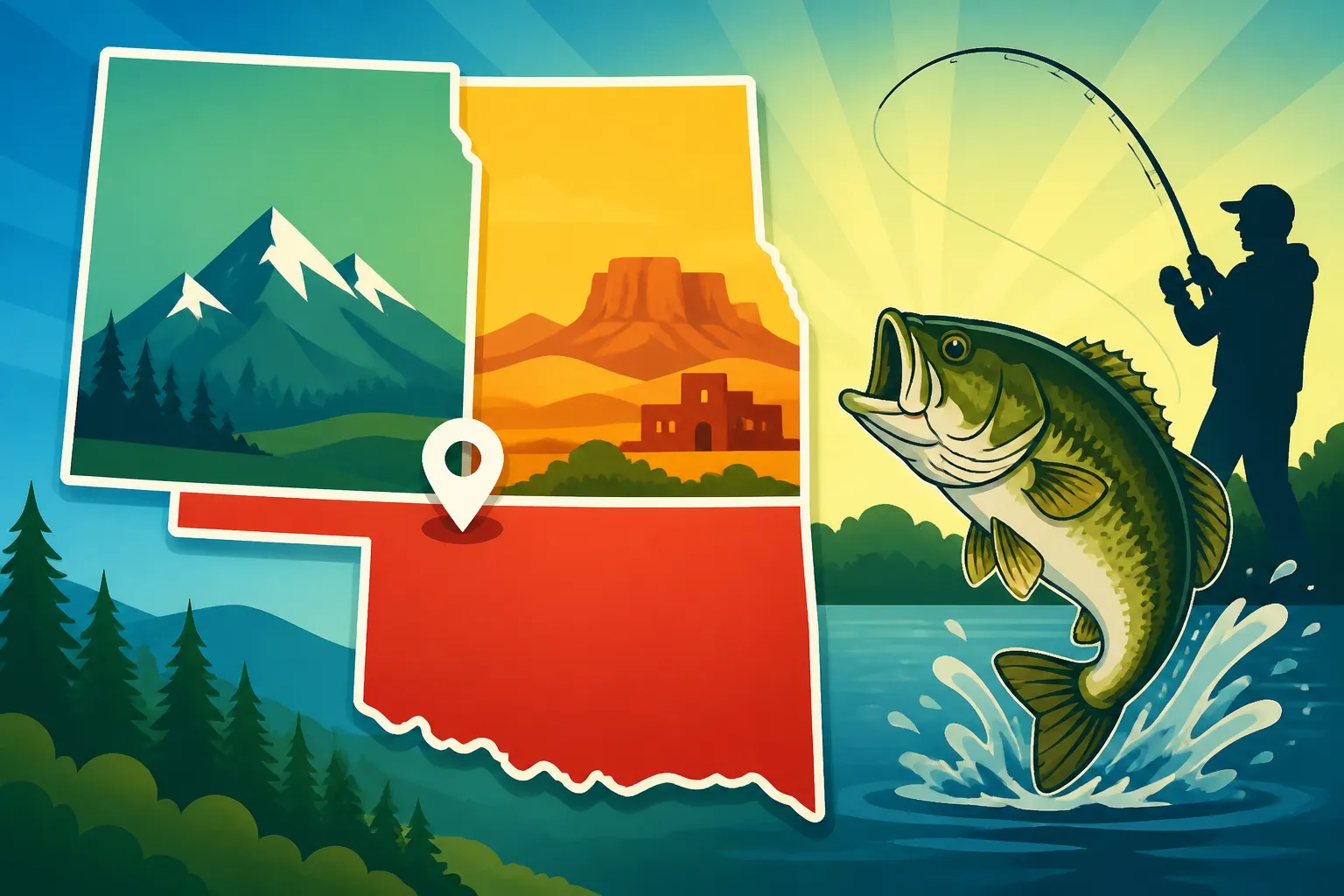
Colorado and New Mexico License Rules Near the Oklahoma Line
It’s a common scenario: you’re planning a fishing trip to Oklahoma, perhaps coming in from a neighboring state like Colorado or New Mexico, and you start to wonder, “Do I really need a separate Oklahoma fishing license?” The confusion is real, and the thought of navigating different state regulations can be a headache, making you second-guess your plans. This guide is here to clear up that very question, ensuring you’re fully prepared and legal before you cast your first line in Oklahoma’s fantastic waters.
Understanding Interstate Fishing License Agreements
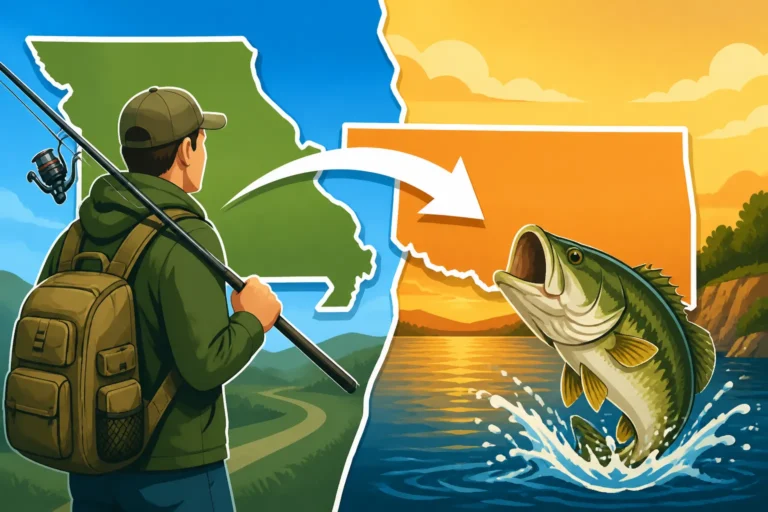
When you're an avid angler who enjoys exploring different states, it's totally natural to hope for some kind of reciprocity for your fishing license. You might think, "I already bought a license in Colorado, isn't that good enough for a quick trip over the state line?" Unfortunately, when it comes to Oklahoma and its western neighbors, Colorado and New Mexico, the answer isn't as simple as we might wish. Unlike some border waters that have specific reciprocal agreements—think about certain shared rivers or lakes—Oklahoma generally operates under its own distinct licensing system. This means that, for the most part, your Colorado or New Mexico fishing license won't cut it when you're fishing purely within Oklahoma's state lines. It’s a common misconception, and one that can lead to some unwelcome encounters with game wardens if you're not careful.
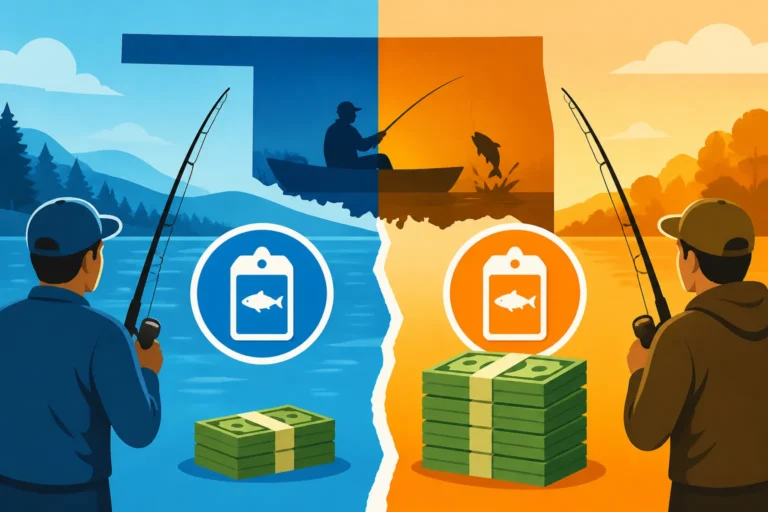
The underlying principle here is that each state manages its own wildlife and fisheries resources. The funds generated from fishing license sales are crucial for conservation efforts, stocking programs, habitat restoration, and enforcement within that specific state. So, while it might feel a bit like double-dipping to buy another license, it's essentially your contribution to maintaining the quality of Oklahoma's fishing opportunities. For those of us who love to chase a trophy bass or fill a cooler with crappie, supporting these programs is vital. It’s a small price to pay for access to some truly incredible fishing.
Specifics for Colorado Anglers Visiting Oklahoma
Let's talk to our friends coming from the Centennial State. You've got your Colorado fishing license, maybe you've spent countless hours fly-fishing the high mountain streams or chasing walleye in the plains reservoirs. Now, you’re looking to experience the warmer waters and different species Oklahoma has to offer, perhaps chasing those giant blue catfish or battling a feisty striped bass in Lake Texoma. Here’s the deal: your Colorado fishing license, whether it's an annual, a five-day, or a lifetime permit, is only valid within the boundaries and reciprocal waters of Colorado.
As soon as your line hits the water in an Oklahoma lake, river, or pond—even if it's just a few miles over the border—you are subject to Oklahoma's fishing regulations and licensing requirements. There are no general reciprocal agreements that allow a Colorado fishing license to be used in Oklahoma. This can be a bit of a bummer, especially if you're just passing through or planning a short weekend trip. But trust me, it’s much better to be prepared than to risk a fine. To ensure you're fishing legally, you'll need to obtain an Oklahoma fishing license. The good news is, Oklahoma offers various options for nonresidents, including daily, annual, and even combination hunting/fishing licenses. You can easily find information on Oklahoma Fishing License Costs and Types to help you decide which one makes the most sense for your trip. It's often worth doing the math on an Is the $81 Nonresident Annual License Worth It Over Multiple 1-Day Trips? if you plan on visiting more than once a year.
Specifics for New Mexico Anglers Visiting Oklahoma
Now, for our neighbors from the Land of Enchantment. You've enjoyed the diverse waters of New Mexico, from trout streams to warm-water reservoirs like Ute Lake or Elephant Butte. You might be making the trek east to explore some of Oklahoma’s renowned fishing spots, maybe targeting the massive crappie in Lake Eufaula or the abundant bass populations across the state. Just like with Colorado, there is no blanket reciprocity agreement that allows a New Mexico fishing license to be used for fishing within Oklahoma’s borders. Your New Mexico license is valid for New Mexico waters, and that’s it.
This means that if you’re planning to fish in Oklahoma, even for a single day, you’ll need to purchase an appropriate Oklahoma fishing license. It's a critical detail that many anglers overlook, leading to potential legal trouble. Imagine driving all that way, getting your boat in the water, only to be approached by a game warden who informs you that your New Mexico license is invalid. It’s a situation no one wants to be in. Oklahoma’s game wardens are diligent in enforcing the state’s regulations, and they are out there to protect the state’s natural resources. They're not trying to be difficult; they're simply doing their job to ensure fair play and conservation. So, before you leave home, make sure you've budgeted for and obtained your Oklahoma license. You can quickly look up Nonresident 1-Day Fishing License Price in Oklahoma or even a full Nonresident Annual Fishing License Cost in Oklahoma to fit your travel plans.
How to Get Your Oklahoma Fishing License and Avoid Fines
The process of getting an Oklahoma fishing license is actually quite straightforward, thankfully, so there's really no excuse to fish without one. The Oklahoma Department of Wildlife Conservation (ODWC) has made it incredibly easy for both residents and nonresidents to obtain the necessary permits. You don't want to get caught unprepared; the Penalties for Fishing Without a License in Oklahoma can be costly and put a serious damper on your trip.
Online Purchase: The Easiest Route
The most convenient way to purchase your Oklahoma fishing license is online through the official ODWC Go Outdoors Oklahoma portal. This platform allows you to buy your license from anywhere, at any time, using your computer or even your smartphone. It’s a super quick process:
- Visit the ODWC Website: Head over to the official Oklahoma Department of Wildlife Conservation website. Look for the "Licenses & Permits" section.
- Select License Type: You'll choose whether you're a resident or nonresident, and then select the specific type of fishing license you need. Options range from a 1-day fishing license to an annual license. For nonresidents, an annual license might seem like a lot up front, but if you’re planning multiple trips, it often works out to be more economical than several single-day licenses.
- Provide Information: You'll be asked for some basic personal information.
- Payment: You can pay securely with a credit or debit card.
- Print or Save: Once purchased, you can print a physical copy of your license or save it digitally on your phone. Many anglers keep a digital copy accessible, alongside a photo ID, just in case a game warden asks to see it. Trust me, it’s a relief to know you have it ready. You can even learn How to Buy an Oklahoma Fishing License Online for a step-by-step guide.
In-Person Retailers: Traditional Option
If you prefer to handle things in person, or if you find yourself spontaneously deciding to fish once you're already in Oklahoma, you can purchase a license from numerous authorized vendors across the state. These include:
- Sporting Goods Stores: Big box stores like Academy Sports + Outdoors or Bass Pro Shops almost always sell fishing licenses.
- Walmart: Many Walmart locations with a sporting goods department offer licenses.
- Local Bait and Tackle Shops: These are often the best places, as the staff can also give you current fishing reports and tips for local waters!
- ODWC Offices: You can also visit any regional ODWC office.
It’s always a good idea to call ahead to confirm their license sales hours, especially if you’re heading out early in the morning. Being able to walk into a local shop and pick up your license is a classic part of the fishing ritual for many, and it's a great way to support local businesses. For more options, check out our guide on Where to Buy a Fishing License in Oklahoma.
What License Do You Need?
Knowing which license to buy is key. For most visitors from Colorado and New Mexico, a nonresident fishing license will be the go-to.
| License Type | Eligibility | Cost (Approx.) | Duration | Best For |
|---|---|---|---|---|
| Nonresident Annual Fishing | Non-Oklahoma Resident | $81 | 1 Year | Multiple trips throughout the year. |
| Nonresident 6-Day Fishing | Non-Oklahoma Resident | $34 | 6 Consecutive Days | Longer single trips. |
| Nonresident 1-Day Fishing | Non-Oklahoma Resident | $11 | 1 Day | Short, impromptu trips or single outings. |
| Nonresident Annual Combination | Non-Oklahoma Resident | $185 | 1 Year | Those who also plan to hunt in Oklahoma. |
Costs are approximate and subject to change by the ODWC. Always verify current prices on the official ODWC website.
Remember, even if you’re just visiting, you’ll also need to be aware of Fishing Regulations You Need to Know in Oklahoma, including specific bag and size limits for different species and bodies of water. These rules are in place to ensure sustainable fishing for everyone.
Reciprocal Agreements on Border Waters: A Quick Look
While there are no general statewide reciprocal agreements between Oklahoma and Colorado or New Mexico, it's worth noting that some states do have specific agreements for waters that straddle their borders. For example, Oklahoma has some limited reciprocity with Texas on Lake Texoma and with Arkansas on certain portions of the Red River. These are typically highly specific and only apply to those particular bodies of water, not the entire state.
However, for Colorado and New Mexico, due to their geographical distance and the lack of shared border waters, such agreements simply don't exist with Oklahoma. So, you can't assume that because your state might have an agreement with another neighboring state, it applies to Oklahoma. Always, and I mean always, verify the rules for the specific body of water you plan to fish and the state you are in. A quick search on the ODWC website or a call to a local game warden can save you a lot of trouble. You can often find excellent resources and even gear recommendations, like specific fishing lines or tackle boxes, on Amazon that comply with local regulations, but the license itself is always state-specific.
Don't Risk It: The Consequences of Fishing Without a License
It's tempting to think you might get away with it, especially if you're only planning a quick trip. But fishing without the proper license in Oklahoma is a misdemeanor offense. The consequences can range from hefty fines to the confiscation of your fishing gear, and even court appearances. It's just not worth the stress, embarrassment, or financial hit.
Game wardens in Oklahoma are highly trained and have a strong presence on popular fishing lakes and rivers. They are dedicated conservation officers, and part of their job is to ensure everyone is playing by the rules. They often patrol by boat, truck, or even on foot, and they are well-versed in checking licenses and enforcing regulations. When a game warden asks to see your license, they're not trying to ruin your day; they're ensuring the integrity of the state's natural resources and the fishing experience for everyone. If you get caught, the fines can easily exceed the cost of an annual nonresident license, making that initial savings completely disappear. Plus, the hassle of dealing with a citation and potentially a court date can turn a relaxing fishing trip into a nightmare. It’s far better to spend a few minutes and a few dollars to get compliant. Many anglers find the peace of mind knowing they are legal to be worth every penny.
So, if you’re driving into Oklahoma from Colorado or New Mexico with fishing gear in tow, make sure the first thing you do (after getting settled, of course) is secure your valid Oklahoma fishing license. It's the right thing to do for the fish, for the state, and for your own peace of mind. Happy fishing, and may your lines be tight!
Disclaimer
The information provided in this guide is intended for general informational purposes only and does not constitute legal advice. Fishing regulations, license requirements, and fees are subject to change by the Oklahoma Department of Wildlife Conservation (ODWC). Always consult the official ODWC website or contact them directly for the most current and accurate information before engaging in any fishing activities. Compliance with all state and local laws is the responsibility of the individual angler.