Missouri Anglers Crossing the Border to Fish
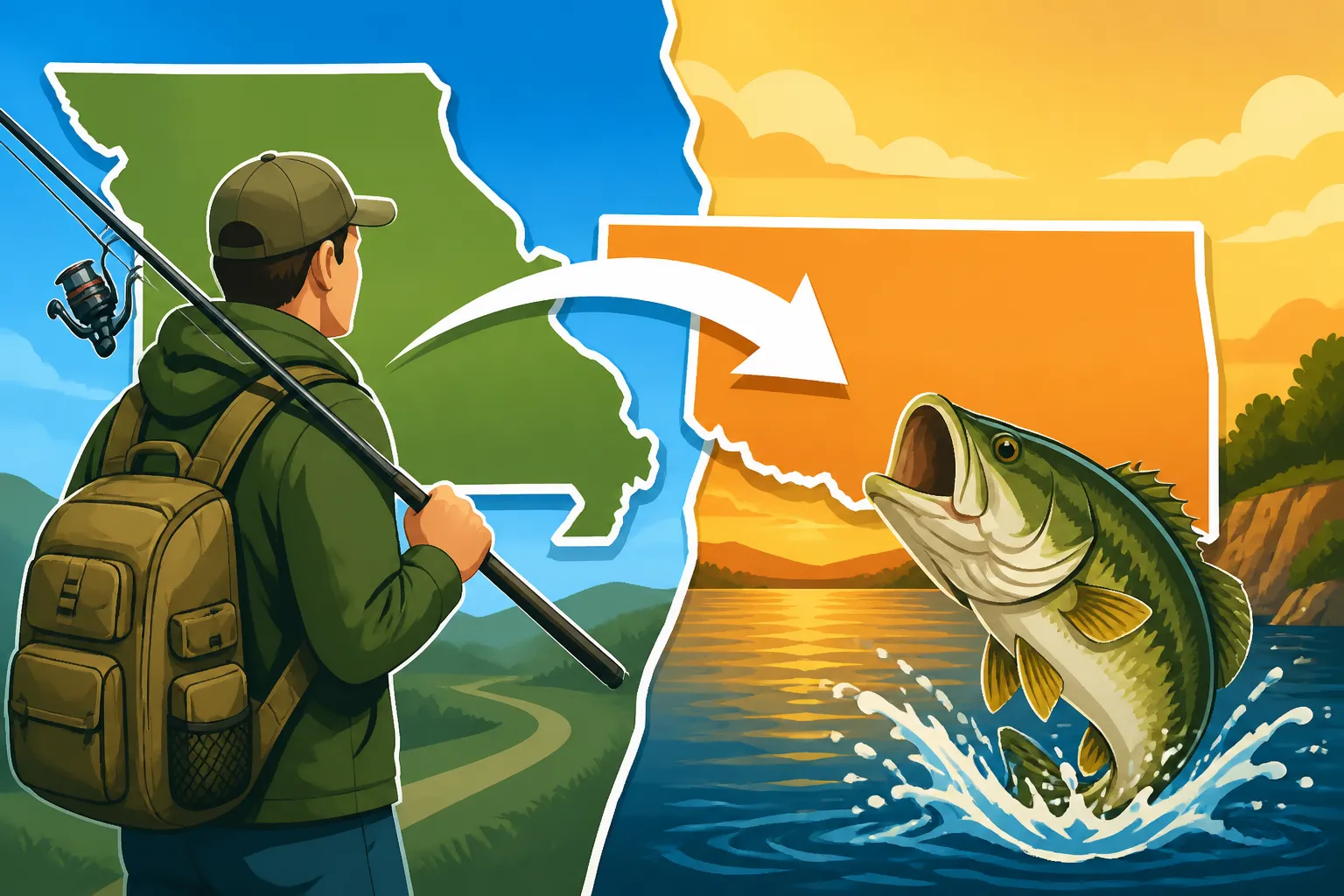
It's a common scenario: you're a passionate angler living in Missouri, and you've heard whispers of the fantastic fishing just across the state line in Oklahoma. Maybe you're eyeing the incredible bass opportunities on Grand Lake O' the Cherokees, or perhaps you're dreaming of the crappie hauls at Hudson Lake. But then the questions start bubbling up: "Do I need a different license? Will my Missouri license work? What are the rules?" It can feel like navigating a legal labyrinth, and nobody wants to drive all that way only to run afoul of the law or, worse, miss out on prime fishing time. This guide is specifically designed to clear up all that confusion for our Missouri friends, ensuring you understand exactly what you need to do before casting a line in Oklahoma waters.
Understanding Oklahoma's Nonresident Fishing License Requirements
One of the biggest hurdles for any angler venturing into a new state is understanding the local licensing laws. It’s easy to assume that because you’re licensed in your home state, there might be some kind of handshake agreement or reciprocity, especially for states that share borders. But when it comes to fishing, the rules are often very clear-cut, and Oklahoma is no exception.
Why a Missouri License Won't Cut It in Oklahoma
Let’s get straight to it: your Missouri fishing license, as valid and up-to-date as it might be, generally isn't going to cover you in Oklahoma. This can be a real bummer, especially if you live close to the border and frequently cross over for other activities. Many states, including Oklahoma and Missouri, operate under independent licensing systems. This means that revenue from license sales directly supports each state's wildlife conservation efforts, fisheries management, and enforcement within their own borders. Expecting a Missouri license to work here would be like expecting your Oklahoma driver's license to let you vote in Missouri. They're just different jurisdictions with different sets of rules and financial structures. While some border waters occasionally have specific reciprocal agreements, these are rare and always explicitly stated by both state wildlife departments. For the vast majority of Oklahoma’s lakes, rivers, and streams, a valid Oklahoma fishing license is required for all nonresidents aged 16 and older.
Types of Nonresident Licenses Available for Missouri Anglers
Oklahoma's wildlife department, the Oklahoma Department of Wildlife Conservation (ODWC), understands that not everyone needs a full annual commitment. They offer a range of nonresident fishing licenses designed to suit different trip durations and fishing styles. This flexibility is really helpful, whether you're planning a quick day trip or a week-long fishing vacation.
For those planning just a single outing or a very short visit, the Nonresident 1-Day Fishing License Price in Oklahoma is often the most economical choice. It's perfect for a spontaneous decision to hit a new spot or if you're just passing through and want to wet a line. However, if you're eyeing multiple trips throughout the year or planning a longer stay, an annual license often makes more financial sense in the long run. The Nonresident Annual Fishing License Cost in Oklahoma can seem like a heftier upfront cost compared to the 1-day option, but it quickly pays for itself if you plan to visit even a few times. Remember, these licenses typically expire on December 31st of the year they are purchased, regardless of when you buy them, so consider the timing of your purchase. For instance, buying an annual license in November might not give you the full value of a license purchased in January.
How to Purchase Your Oklahoma Nonresident License
Gone are the days when you had to track down a bait shop or a specific government office to buy a license. The ODWC has made it incredibly convenient for out-of-state anglers to get their permits. The easiest and most recommended way for Missouri anglers to secure their Oklahoma fishing license is online. Just visit the official ODWC website. The process is usually straightforward: you’ll provide some personal information, select the license type you need, and complete the payment. After your purchase, you can often print a temporary license right away, or have a digital copy on your phone, which is usually accepted by game wardens. This means you can even purchase it on the drive down if you forget!
Beyond online purchases, there are still traditional options. Many sporting goods stores, bait and tackle shops, and even some Wal-Mart locations across Oklahoma are authorized license vendors. This can be a good option if you prefer a physical card, or if you want to chat with local experts about current fishing conditions when you pick up your license. Just make sure you bring a valid form of identification. Knowing How to Buy an Oklahoma Fishing License Online can save you a lot of time and hassle, especially if you’re trying to squeeze in some fishing on a busy itinerary.
Here’s a quick overview of the common nonresident license types:
| License Type | Target Angler | Approximate Cost (as of recent data) | Validity Period | Key Benefit |
|---|---|---|---|---|
| Annual Nonresident | Frequent visitors, long stays | ~$81 | Jan 1 – Dec 31 of purchase year | Best value for multiple trips |
| 6-Day Nonresident | Week-long vacations | ~$38 | 6 consecutive days from start | Good for extended single trips |
| 1-Day Nonresident | Short trips, spontaneous fishing | ~$15 | 1 calendar day | Most affordable for quick visits |
| Nonresident Youth (under 16) | Not generally required if under 16 | Free (unless special permit needed) | N/A | Kids under 16 often fish free (check rules) |
Note: Prices are subject to change. Always check the official ODWC website for the most current fees and regulations.
Navigating Specific Regulations: Beyond the License
Having your Oklahoma fishing license in hand is a fantastic first step, but it's only part of the equation. Each state also has a unique set of regulations regarding what you can catch, how many, and how big they need to be. These rules are put in place to ensure the health and sustainability of fish populations, and they can vary significantly from one body of water to another.
Statewide Bag and Size Limits for Popular Species
Oklahoma, like Missouri, has specific daily bag limits and size restrictions for various fish species. These are crucial to understand before you head out, as exceeding them can lead to fines and even confiscation of your catch. The most commonly targeted species for recreational anglers in Oklahoma are bass, crappie, and catfish, and each has its own set of rules.
For example, when it comes to bass, Oklahoma generally has a statewide daily bag limit that combines largemouth, smallmouth, and spotted bass. There are often length limits too, such as a minimum size or a slot limit. You can dive deeper into these specifics by checking out Oklahoma's Bass Fishing Rules and Limits. It's not uncommon to see a "one over" rule, meaning you can only keep one bass above a certain size, which is designed to protect larger, spawning fish.
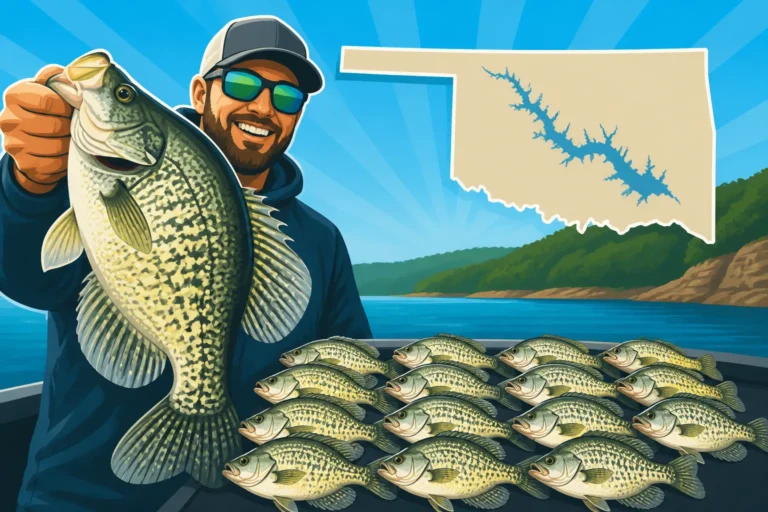
Crappie are another huge draw, especially in lakes like Grand Lake. The statewide daily bag limit for crappie (both black and white combined) is quite generous, but you absolutely need to be aware of any length limits. For a detailed look, refer to Crappie Fishing Rules and Limits in Oklahoma. Some lakes might have a 10-inch minimum size, while others could have a different limit, so always double-check the specific lake you're targeting.
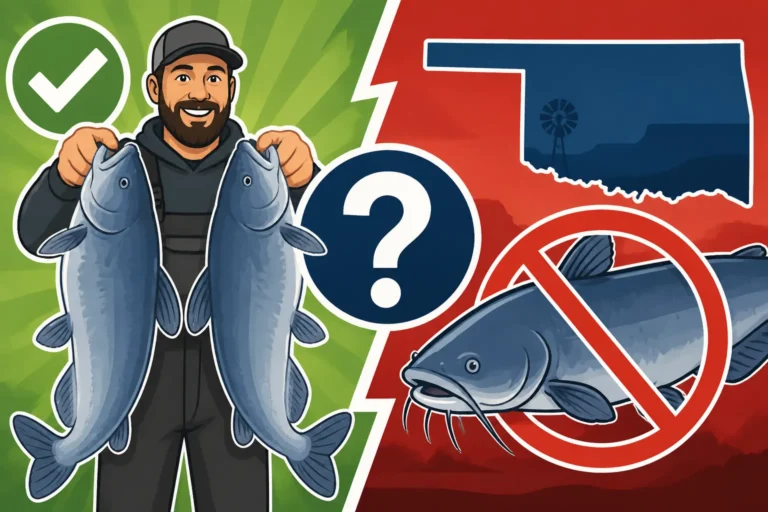
Catfish, particularly blue and channel catfish, are abundant and popular. Oklahoma has a statewide daily bag limit for forked-tail catfish (blues and channels), but there's an important exception for blue catfish over a certain size, usually 30 inches. This rule helps protect the trophy-sized breeders. Learn more about these specific guidelines with Oklahoma's Catfish Fishing Rules and Limits. Flathead catfish usually have their own, more restrictive limits due to their slower growth rates and different behaviors.
Lake-Specific Rules and Border Waters Considerations
This is where things can get a little tricky, and it's where local knowledge, or at least recent research, really pays off. While statewide regulations provide a baseline, many of Oklahoma's major lakes and even smaller impoundments have their own unique, stricter rules. These special regulations are often implemented by the ODWC to manage specific fish populations that may be struggling or thriving in a particular body of water.
For instance, several lakes, including some of the prime crappie destinations, have stricter crappie limits than the statewide rule, often imposing a 10-inch minimum size and/or a reduced daily bag limit. If you're planning a trip to a specific lake, it's absolutely critical to check the ODWC's current fishing regulations guide for that particular body of water. Don't rely on what you remember from last year, or what a friend said about another lake.
As for border waters, while there isn't broad reciprocity for licenses, some specific regulations might be harmonized or have unique agreements. For example, Lake Texoma, which straddles the Texas-Oklahoma border, has a specific "Lake Texoma license" that covers both states for residents of either state. However, this is a very rare exception and is not applicable to Missouri anglers crossing into Oklahoma. The general rule of thumb is: if you're fishing in Oklahoma waters, you need an Oklahoma license and must abide by Oklahoma's rules. This is similar to the situation faced by Texas Anglers Fishing in Oklahoma Waters or Arkansas Anglers Fishing in Oklahoma Waters; generally, a separate Oklahoma license is needed. Always assume you need the Oklahoma license unless the ODWC explicitly states an exception for a specific border water area you intend to fish.
Boating and Safety Regulations for Out-of-State Vessels
If you're bringing your boat from Missouri to fish in Oklahoma, you'll need to be aware of Oklahoma's boating regulations as well. Your Missouri boat registration is typically recognized in Oklahoma for a certain period (usually 60 days for non-residents), but there are universal safety requirements that apply to all vessels on Oklahoma waters, regardless of their state of registration.
This includes having the proper number and type of U.S. Coast Guard-approved life jackets or personal flotation devices (PFDs) for everyone on board. Children 12 years of age and younger are generally required to wear a PFD while on board any vessel that is underway, a rule that mirrors many other states, including Missouri. Additionally, boats 16 feet or longer (excluding canoes and kayaks) must have at least one Type IV throwable device. Other essential safety equipment like a fire extinguisher, sounding device (whistle or horn), and navigation lights (if operating at night) are also mandatory. You can find comprehensive details about these requirements in guides like Oklahoma Life Jacket and PFD Rules for Boaters. Making sure your vessel is compliant before you launch can save you from a costly fine and, more importantly, ensures everyone's safety on the water.
Common Misconceptions and Planning Your Cross-Border Trip
Anglers are a resilient bunch, always ready for an adventure. But venturing into new territory, even just across a state line, requires a bit of homework to ensure a smooth, enjoyable, and legal experience. Let’s tackle some common misunderstandings and offer practical advice for your Oklahoma fishing foray.
Addressing Reciprocity Myths and Realities
One of the most persistent myths among cross-border anglers is the idea of universal reciprocity. Many believe that if you hold a valid fishing license in one state, it should automatically be honored by neighboring states. While this sounds convenient and logical, the reality, as we’ve discussed, is usually quite different. Each state manages its own natural resources and funding for those resources. Reciprocal agreements are exceptions, not the rule, and they are typically limited to specific bodies of water that literally straddle a state line, like Lake Texoma with Texas. Even then, the agreement often covers only residents of the two bordering states. For instance, Kansas Reciprocity for Oklahoma Fishing Licenses might exist for a river forming part of the border, but it's unlikely to extend to a full Oklahoma lake.
For Missouri anglers, this means you should always operate under the assumption that an Oklahoma fishing license is required for all Oklahoma waters. Don't rely on hearsay or outdated information. Always check the official Oklahoma Department of Wildlife Conservation (ODWC) website for the most current rules. It’s far better to spend a few extra dollars on a valid license than to face the embarrassment and expense of a citation. Penalties for Fishing Without a License in Oklahoma can range from hefty fines to confiscation of your fishing gear, and nobody wants that kind of souvenir from their trip.
Preparing for a Successful Trip: What to Pack and Check
Beyond your license, a successful fishing trip to Oklahoma from Missouri requires some thoughtful preparation. First and foremost, check the weather forecast for your specific destination in Oklahoma. Weather patterns can vary significantly, and what's happening in Springfield, MO, might be vastly different from conditions on Lake Eufaula in Oklahoma.
Next, consider your gear. While many of your go-to lures and baits for Missouri waters will likely work in Oklahoma, it's worth doing a quick search for local favorites or current hot baits for your target species and lake. For instance, if you're hitting Lake Grand to snag paddlefish, you'll need very specific heavy gear, as detailed in our guide on Paddlefish Snagging Season in Oklahoma. You might even find some useful tackle or specialty items on Amazon before you leave, saving you time once you arrive.
Don’t forget the essentials: plenty of water, snacks, sunscreen, insect repellent, and a first-aid kit. If you’re bringing a boat, ensure all your safety equipment is onboard and in good working order. A detailed map or a reliable GPS unit for the lake can also be invaluable, as many of Oklahoma’s larger reservoirs have intricate shorelines and numerous coves. Planning your route, checking for nearby boat ramps, and understanding local amenities will ensure your focus remains on the fish, not on logistics. A reliable cooler, perhaps one you checked out on Amazon, can also make a big difference for keeping your catch fresh or your drinks cold throughout the day.
Penalties for Non-Compliance: Don't Get Caught Off Guard
Fishing without the proper license or violating bag and size limits in Oklahoma is not just a minor oversight; it's a legal offense. Oklahoma game wardens are dedicated professionals who patrol both popular and remote fishing spots to ensure compliance. They have the authority to ask to see your license, inspect your catch, and verify your adherence to all regulations.
The consequences of non-compliance can be significant. If you're caught fishing without a valid Oklahoma license, you can face fines that easily exceed the cost of an annual nonresident license. In addition to monetary penalties, your fishing gear could be seized, and in some cases, more serious violations can even lead to court appearances or loss of fishing privileges. It's a risk that is simply not worth taking. Imagine driving all the way from Missouri, having a fantastic day on the water, only to have it ruined by a game warden because you didn't spend the few minutes to get the correct license. It's a frustration that can easily be avoided with a bit of planning. Always remember that ignorance of the law is not a valid defense. Ensure you've checked all the boxes before you cast your first line in Oklahoma, and you'll be set for a truly enjoyable, worry-free fishing experience.
Disclaimer
Please note that fishing regulations and license requirements are subject to change. While this guide provides the most current and accurate information available at the time of writing, it is always best practice to consult the official Oklahoma Department of Wildlife Conservation (ODWC) website or contact them directly before your trip to ensure you have the latest information. This content is for informational purposes only and does not constitute legal advice.