Best Night Fishing Spots in Oklahoma
If you've spent any time on Oklahoma's lakes during the blazing summer months, you know the struggle: the relentless sun beating down, boat ramps packed with recreational users, and the fish often hunkered down, feeling the pressure. It's enough to make any passionate angler reconsider their plans. But what if I told you the prime time for angling often begins just as the sun dips below the horizon? This comprehensive guide will illuminate the world of night fishing in Oklahoma, revealing the best spots, crucial gear, and proven tactics to help you turn those frustrating daytime hours into serene, productive nights on the water.
Why Night Fishing in Oklahoma is a Game Changer
There's something uniquely captivating about fishing under the cloak of darkness. The world quiets down, the air cools, and a different kind of magic settles over the water. For Oklahoma anglers, night fishing isn't just a niche activity; it's often the secret weapon for more comfortable and more successful outings, especially when the daytime conditions are less than ideal.
Beating the Heat and the Crowds
Let's face it, Oklahoma summers can be brutal. Temperatures soaring into the 90s and even 100s can make a full day on the water feel like an endurance test. Not only is it uncomfortable for us, but that intense heat also warms up the surface water, often pushing fish deeper or making them less active. By opting for night fishing, you completely bypass the oppressive daytime heat. The air temperatures drop significantly, and the surface water cools, often rejuvenating fish and making them more willing to feed.
Beyond the comfort factor, the crowds dramatically thin out after sunset. Gone are the jet skis, wakeboard boats, and pleasure cruisers that can churn up the water and spook fish during the day. You'll find boat ramps less congested, coves quieter, and a much more peaceful experience overall. This lack of pressure often translates to fish being less wary, offering you a better chance at a bite. It’s a completely different vibe, one that many seasoned anglers cherish.
The Nocturnal Advantage: Bigger Bites
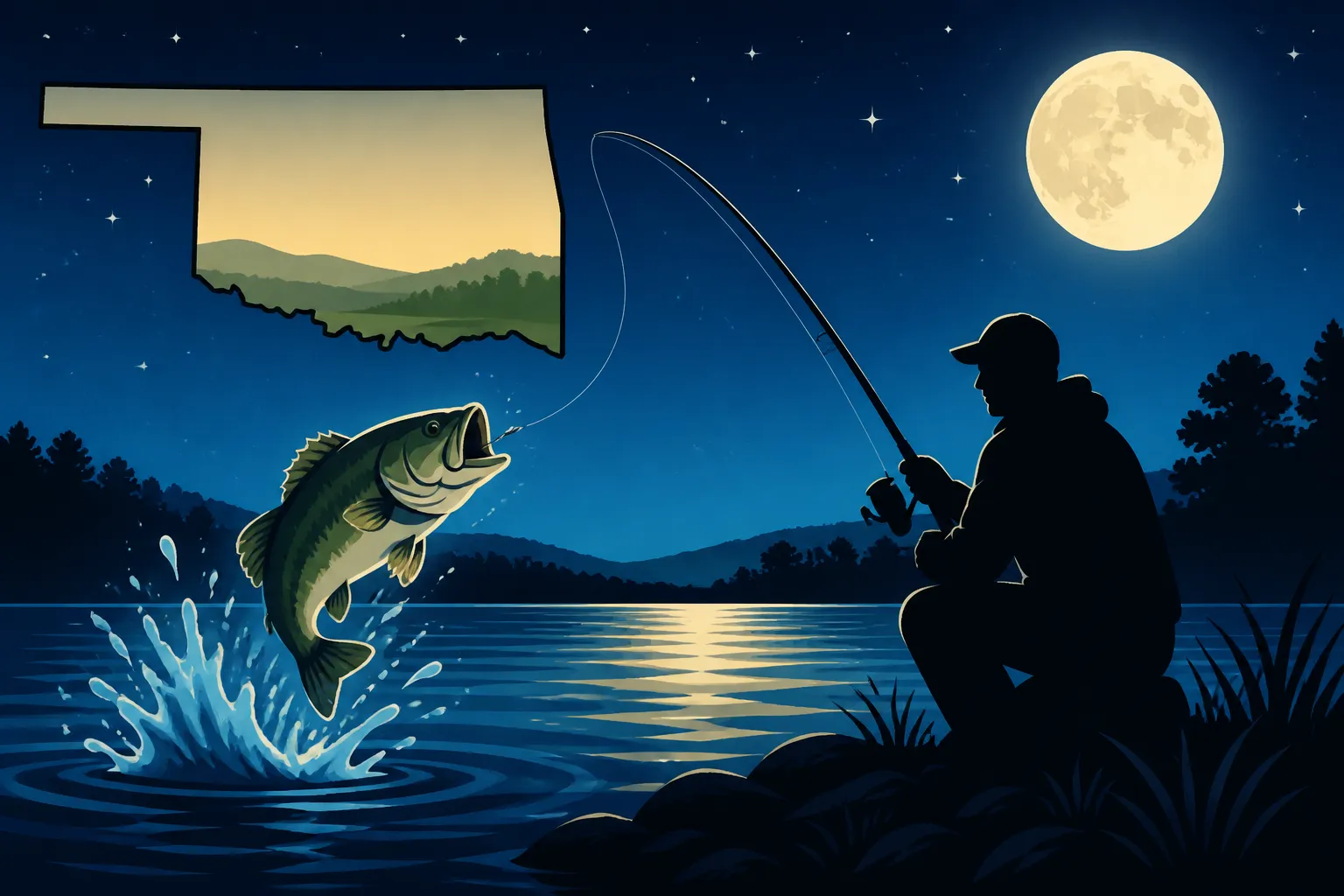
It's not just about comfort; night fishing can genuinely lead to bigger, more aggressive fish. Many of Oklahoma's prized game fish, including crappie, catfish, and even bass, become significantly more active under the cover of darkness. They use the reduced visibility to their advantage, ambushing prey that might be harder to catch during daylight hours. This means they're often less selective and more willing to strike at a wider range of baits and lures.
Predators like blue catfish and flathead catfish are particularly notorious for their nighttime feeding frenzies, moving into shallower waters to hunt. Similarly, large crappie, often elusive during the day, will readily school around artificial lights at night, creating fantastic fishing opportunities. The same goes for larger bass, which will cruise shallow points and ledges, making them prime targets for topwater and shallow-running baits after sundown.
Peaceful Ambiance and Unique Experiences
There's an undeniable allure to being on the water when the rest of the world is asleep. The sounds are different – the gentle lapping of waves against the hull, the distant call of an owl, the buzz of cicadas – creating a serene soundtrack that's impossible to find during the bustling daylight hours. The stars shine brighter away from city lights, and if you're lucky, you might even catch a glimpse of the Milky Way. It's an experience that transcends just catching fish.
Night fishing often feels like an adventure, a secret shared with the nocturnal creatures of the lake. The anticipation of a strike in the darkness, the sudden thrashing of a fish when you can barely see it, and the quiet camaraderie with fellow anglers make for truly unforgettable memories. It's a chance to connect with nature on a deeper level and find a tranquility that's hard to come by in our busy lives.
Top Oklahoma Lakes for Night Fishing
Oklahoma is blessed with an abundance of fantastic fishing lakes, and many of them truly come alive after dark. While almost any lake can offer good night fishing, a few stand out for their consistent action and diverse opportunities for nocturnal anglers.
Lake Texoma: Striper and Catfish Heaven
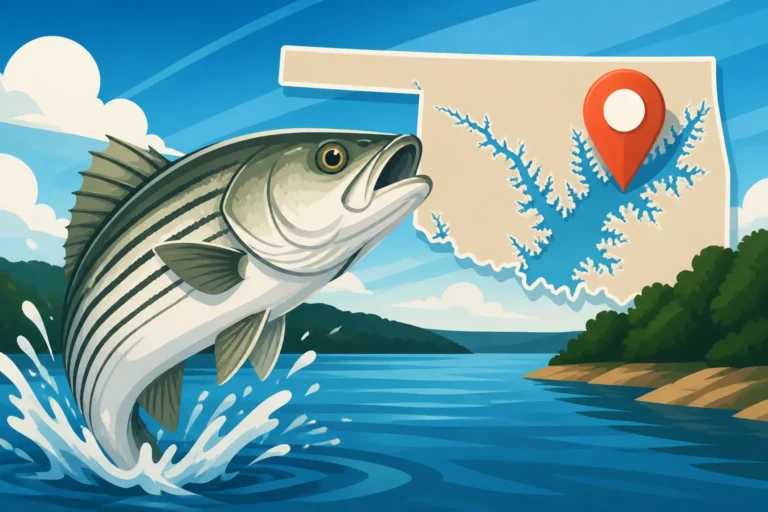
Lake Texoma, straddling the Oklahoma-Texas border, is legendary for its striped bass fishery, and many of those big stripers become incredibly active at night. They'll push shad to the surface, creating explosive topwater action, or hold in slightly shallower depths than during the day. Anglers often target these fish using bright lights to attract baitfish, which in turn draw in the stripers. Live shad, gizzard shad, or large artificial lures that mimic baitfish are highly effective here. It's a truly exhilarating experience when a trophy striper smashes your bait under the moonlit sky. For those chasing these powerful fish, checking out a Lake Texoma Fishing Guide for Oklahoma Anglers can offer invaluable insights into specific techniques and hotspots.
Beyond stripers, Lake Texoma is also a phenomenal spot for catfish, particularly trophy blue catfish. These powerful bottom-dwellers roam the flats and channel ledges under the cover of darkness, making them prime targets. Using cut bait, prepared baits, or live perch fished on the bottom in 15-30 feet of water can yield impressive results. Areas around the Washita River arm and Big Mineral Creek are especially productive. Given the lake's immense size, consider booking a guide through platforms like FishingBooker to maximize your chances, especially if you're new to night fishing on Texoma.
Grand Lake O' the Cherokees: Crappie and Bass Under the Stars
Grand Lake O' the Cherokees in Northeast Oklahoma is another nighttime superstar, particularly for crappie and bass. During the day, Grand Lake can be a bustling hub, but at night, its many coves and brush piles become prime fishing grounds. Crappie anglers flock to Grand Lake after dark, using submersible green or white lights to attract schools of baitfish, which then draw in hungry crappie. Positioning your boat over brush piles or submerged timber and jigging with small crappie jigs or live minnows can lead to incredible catches. The key is to find that perfect depth where the crappie are suspending under the lights.
For bass anglers, Grand Lake offers thrilling topwater action for largemouth bass at night, especially around boat docks, rocky points, and shallow grass beds. Buzzbaits, large spinnerbaits, and dark-colored topwater lures like Jitterbugs or Whopper Ploppers cast around lighted docks or along darkened shorelines can elicit explosive strikes. The sound and silhouette are what matter most to bass hunting in low light. If you're planning a trip, be sure to review Grand Lake O' the Cherokees Bass Fishing Guide for specific area recommendations.
Lake Eufaula: The Gentle Giant's Nighttime Secrets
Known as Oklahoma's largest lake, Lake Eufaula is often called the "Gentle Giant," and it truly lives up to that name when the sun goes down. Its sprawling network of creeks, submerged timber, and brush piles provides endless opportunities for night fishermen, particularly for crappie and catfish. Like Grand Lake, crappie fishing with lights is a highly productive technique on Eufaula. Target brush piles in the many coves or along the main lake channels.
Catfish anglers will find Eufaula equally rewarding. The lake boasts healthy populations of channel, blue, and flathead catfish. After dark, these fish often move onto shallower flats to feed, especially after major river arms like the Canadian and North Canadian. Using trotlines, juglines, or rod-and-reel with cut bait or stink baits can be incredibly effective. Consider looking at a detailed Lake Eufaula: Oklahoma's Gentle Giant for Bass and Crappie for more daytime specific information, which can still help pinpoint structure for night fishing.
Broken Bow Lake: Clear Waters After Dark
Broken Bow Lake, nestled in the Ouachita Mountains of Southeast Oklahoma, is famous for its crystal-clear water. While this clarity can make fishing challenging during bright daylight, it offers a unique advantage for night fishing, especially for bass and sometimes even walleye. The clear water means that artificial lights penetrate deeper, attracting baitfish and game fish from further distances.
For bass, target rocky points, ledges, and submerged timber. Large profile dark-colored jigs, spinnerbaits, and even deep-diving crankbaits can be effective when worked slowly. The clearer water also means these fish rely heavily on their lateral line and scent, so focus on baits with strong vibration or natural scents. Crappie can be found around brush piles and under lighted docks, though they might be a bit more scattered due to the depth. If you're fishing these clear waters at night, make sure you understand Oklahoma's Bass Fishing Rules and Limits as size and bag limits can be very specific.
Essential Gear and Techniques for Night Anglers
Night fishing requires a bit of extra preparation compared to your average daytime outing. Safety is paramount, and having the right tools can make all the difference in turning a challenging night into a successful one.
Lighting Up Your Setup
First and foremost, you need light, but not just any light. Headlamps are indispensable. Look for models with a red light option, as red light preserves your night vision better than white light and is less likely to spook fish. A good quality headlamp allows you to tie knots, rig baits, and navigate your boat hands-free. For general boat lighting, a soft, diffused white light is helpful for moving around the deck, but avoid anything too bright that will create harsh shadows or blind you.
For attracting fish, submersible fishing lights are a game-changer. Green LED lights are incredibly popular for crappie and other panfish, as they attract plankton, which then draws in baitfish, and finally the predatory game fish. White lights also work, and some anglers prefer a combination. Positioning these lights directly under your boat or off the side creates a "dinner bell" effect, concentrating fish around your fishing zone. Remember to have plenty of spare batteries or a reliable power source for all your lighting needs.
Choosing the Right Baits and Lures for Darkness
When the sun goes down, fish rely less on sight and more on their other senses: lateral line (vibration), scent, and hearing. This should guide your bait and lure selection. For bass, consider topwater lures with a strong 'plop' or 'walk-the-dog' action like a Zara Spook or a dark-colored buzzbait. Spinnerbaits with large thumping blades (like Colorado blades) in dark colors (black, blue, purple) create significant vibration and silhouette. Jigs with large plastic trailers that offer good water displacement are also excellent.
For crappie, small jigs tipped with scent, or live minnows fished under a float (often illuminated with a small glow stick or light) are go-to choices. The light helps them find your bait. Catfish are less sight-dependent even during the day, so powerful scents are key at night. Cut bait (shad, perch), prepared stink baits, and nightcrawlers are always effective. Remember that even under lights, a natural presentation is often best, so keep your line as light as possible while still being able to handle potential trophy catches. You might also want to review Best Bait for Catfish in Oklahoma Lakes and Rivers for more specialized bait advice.
Safety First: Navigating Oklahoma Waters at Night
Night fishing, while rewarding, comes with inherent risks. Safety should always be your top priority. Ensure your boat's navigation lights are fully functional and properly displayed. A reliable GPS and depth finder become even more critical at night for safe navigation and avoiding hazards like submerged timber or shallow humps. Keep an extra spotlight or powerful handheld light on board for identifying markers or obstacles.
Always wear a U.S. Coast Guard-approved life jacket, especially if you're alone or unfamiliar with the water. Even experienced boaters can become disoriented in the dark. It’s important to remember Oklahoma Life Jacket and PFD Rules for Boaters apply day and night. Have a fully charged cell phone, a first-aid kit, and an emergency whistle readily accessible. Inform someone of your float plan – where you're going, when you expect to return, and who is with you. Alcohol and boating don't mix, and this is doubly true at night when reflexes and judgment are even more critical.
Species-Specific Night Fishing Strategies
Different fish species behave differently after dark. Understanding these nuances will help you fine-tune your approach and increase your catch rates significantly.
Chasing Crappie with Lights
Crappie are perhaps the most popular target for night fishing in Oklahoma, and for good reason: they school up readily around artificial lights. The strategy revolves around attracting baitfish, usually tiny minnows and plankton, with your submersible lights. Once the baitfish congregate, the crappie won't be far behind. Position your boat over a known brush pile, bridge pilings, or submerged structure in 10-30 feet of water. Deploy your green or white submersible lights, letting them soak for 15-30 minutes to establish the baitfish school.
Fish with light tackle, typically ultralight or light spinning gear, using small jigs (1/32 to 1/16 ounce) tipped with plastics or small live minnows. Present your bait just on the edge of the light penetration, or directly in the light if fish are actively feeding. Experiment with depths, dropping your bait to the bottom and slowly reeling it up until you find the crappie's preferred feeding zone. They often suspend at a specific depth. During colder months, crappie might hold deeper, while in warmer months, they can be found closer to the surface. For more in-depth advice on this, check out Crappie Fishing Techniques and Seasonal Patterns in Oklahoma.
Catfish: The Ultimate Nighttime Target
Catfish are perfectly built for nocturnal hunting, boasting excellent senses of smell and touch, which they use to forage in low visibility. Night is prime time for all three major Oklahoma catfish species: channel, blue, and flathead. Target channel catfish in shallower areas, especially near creek channels, timber, and points. They'll readily take stink baits, cut bait, or nightcrawlers fished on the bottom.
Blue catfish, the true giants of Oklahoma, also move shallower at night, often cruising open flats and channel edges. Focus on areas with current or significant depth changes. Large pieces of fresh cut bait, like shad or perch, are irresistible to them. For flathead catfish, live bait is almost always the key. They prefer live sunfish, perch, or small carp, presented near heavy cover like logjams or rocky outcrops. Juglining and trotlining are popular night fishing methods for catfish, especially on larger lakes like Eufaula and Texoma, allowing you to cover more water and set out multiple baits. Just make sure to understand Oklahoma's Catfish Fishing Rules and Limits before deploying any passive fishing methods.
Largemouth Bass After Sundown
While crappie and catfish often steal the night fishing spotlight, largemouth bass can offer some of the most exciting nocturnal action. They become much more aggressive under the cover of darkness, ambushing prey that ventures too close to their hideouts. Focus your efforts on shallower areas they might avoid during the day: rocky points, submerged weed lines, boat docks, and shallow humps.
Topwater lures are incredibly effective for bass at night. The sudden splash and gurgle of a buzzbait or the rhythmic walk of a Zara Spook can trigger explosive strikes. Don't be afraid to use larger, darker lures that create a strong silhouette against the dim sky. Slow-rolling spinnerbaits with large thumping blades or working dark-colored jigs and worms around cover are also excellent tactics. The key is to work your lures slower than you would during the day, giving the bass time to locate them by sound and vibration. Sometimes, even the subtle gurgle of a quiet topwater bait can be enough.
Planning Your Night Fishing Adventure
A successful night fishing trip isn't just about showing up after dark; it requires careful planning and consideration of various factors to ensure safety and productivity.
Checking Regulations and Weather
Before heading out, always double-check the current fishing regulations for your specific lake or body of water. While statewide regulations often apply, some lakes may have special restrictions, such as Stricter Crappie Limits at Six Oklahoma Lakes or specific size limits for bass. You might also want to confirm you have the proper Fishing License Requirements in Oklahoma, as wardens patrol day and night. Knowing these rules ensures you're fishing legally and responsibly.
The weather forecast is even more crucial for night fishing. A sudden storm or high winds can become incredibly dangerous when visibility is limited. Look for calm conditions, minimal wind, and stable temperatures. A rising barometer often indicates good fishing conditions. Also, be aware of moon phase; while many species bite well on a new moon, a full moon can provide enough light for a different kind of angling, where fish might be a bit more visually oriented.
Finding the Best Spots on Your Chosen Lake
Identifying productive night fishing spots often involves scouting during the day. Look for areas with good structure: brush piles, submerged timber, rock piles, ledges, and creek channels. Pay attention to transition zones where shallow water drops off into deeper areas, as fish often cruise these edges. Bridge pilings and lighted docks are always worth checking for crappie and bass. Using your electronics during the day to mark these spots with GPS waypoints will be invaluable when navigating in the dark.
Consider the prevailing wind and current. Fish often position themselves on the "downwind" side of structures or current breaks, where baitfish are swept to them. If you're targeting crappie with lights, look for protected coves or areas with minimal current to allow your lights to work effectively without too much drift. On larger lakes, focusing on specific coves known for their structure or baitfish populations can give you an edge. Many local tackle shops or online forums can offer insights into current hot spots, and if you're seeking a guide for a particular lake, resources like FishingBooker can help you connect with local experts who know the nocturnal habits of the fish.
Making the Most of FishingBooker
For anglers looking to explore night fishing in Oklahoma but perhaps feeling a bit daunted by the planning or lack of local knowledge, FishingBooker can be an incredibly valuable resource. This platform allows you to search for and book local fishing guides and charters who often specialize in specific techniques or target species, including night trips. Imagine stepping onto a boat with an experienced captain who already knows where the crappie are schooling under the lights or where the big blue catfish are cruising after dark on Lake Texoma.
Booking a guide, especially for your first few night trips, can significantly shorten the learning curve and greatly increase your chances of success. They provide the specialized gear, know the local regulations, and prioritize your safety. Plus, it's a fantastic way to learn the intricacies of night fishing from a pro, gaining tips and tricks you can apply on future solo adventures. Don't hesitate to mention your interest in nocturnal fishing when inquiring about trips on FishingBooker; many guides love sharing the magic of fishing under the stars.
Oklahoma Night Fishing Hotspots & Techniques
Here's a quick reference for some of the best night fishing opportunities in Oklahoma:
| Lake Name | Primary Night Target Species | Best Night Techniques | Essential Night Gear |
|---|---|---|---|
| Lake Texoma | Striped Bass, Blue Catfish | Trolling/Casting large lures (striper), Bottom fishing (catfish) with cut bait, Live bait (catfish) | Powerful navigation lights, Rod holders, Livewell (shad), Strong line, Submersible lights (for bait attraction) |
| Grand Lake O' the Cherokees | Crappie, Largemouth Bass | Jigging (crappie) under lights, Topwater (bass) | Green submersible lights, Ultralight rods, Headlamp with red light, Dark topwater lures, Small jigs |
| Lake Eufaula | Crappie, Channel/Blue Catfish | Jigging (crappie) under lights, Trotlines/Juglines (catfish), Bottom fishing (catfish) | Green submersible lights, Medium-heavy rods (catfish), Circle hooks, Stink baits/cut bait, GPS |
| Broken Bow Lake | Largemouth Bass, Walleye | Slow-rolled spinnerbaits, Jigs, Deep crankbaits (bass), Live bait (walleye) | Clear water spotlights, Stealthy trolling motor, Dark-colored lures, Fish finder, Warm clothing |
| Keystone Lake | Catfish, White Bass | Bottom fishing (catfish), Lighted jigs (white bass) | Cut bait, Prepared baits, Small spoons/jigs, Headlamp, Safety throw cushion |
| Lake Murray | Bass, Catfish, Crappie | Topwater (bass), Bottom fishing (catfish), Jigging (crappie) under lights | Headlamp, Basic safety gear, Variety of dark lures/baits |
Disclaimer
Fishing conditions and regulations in Oklahoma can change. Always consult the Oklahoma Department of Wildlife Conservation (ODWC) website or official publications for the most current and accurate information regarding fishing licenses, bag limits, and specific lake regulations before your trip. This guide is for informational purposes only and does not replace official sources.