Best Bait for Catfish in Oklahoma Lakes and Rivers
For many Oklahoma anglers, the pursuit of catfish isn't just a hobby; it's a way of life. The challenge, the fight, and the delicious reward at the end of the day make it incredibly popular. However, one of the biggest frustrations I hear time and again is choosing the right bait – walking into a tackle shop, staring at shelves packed with options, and wondering what on earth will actually get those whiskered beauties to bite. This guide will cut through the confusion and help you select the best catfish bait for Oklahoma's diverse lakes and rivers, ensuring your next trip is a success.
Understanding Oklahoma's Catfish Species and Their Dinner Preferences
Before you even think about what to put on your hook, it's crucial to understand the main types of catfish you'll encounter in Oklahoma and, more importantly, what each species typically prefers for dinner. Not all catfish are created equal in their eating habits, and tailoring your bait to their natural diet can make all the difference. Knowing your target will save you a lot of wasted time and bait.
Channel Catfish: The Opportunistic Eater
Channel catfish are arguably the most common and widespread catfish species across Oklahoma. They're also incredibly adaptable, thriving in everything from small farm ponds and creeks to large reservoirs like Lake Eufaula and Fort Gibson Lake. This adaptability extends to their diet, which is why they're often called opportunistic eaters. They'll munch on almost anything that smells good and fits in their mouth.
Their diet consists of insects, crustaceans, smaller fish, and even plant matter and decaying organic material. This broad palate means you have a wide range of bait options. Because they rely heavily on their sense of smell, especially in murky water, baits that emit a strong odor are often incredibly effective. Think about baits that spread a scent trail, drawing channels in from a distance.
When targeting channel cats, don't be afraid to experiment. While some baits are tried and true, a channel cat in one lake might prefer something different from one in a river. They're often abundant, making them a fantastic target for anglers of all skill levels, and figuring out their local preference is part of the fun. For more details on these widespread whiskered fish, check out Channel Catfish vs Blue Catfish vs Flathead Catfish in Oklahoma.
Blue Catfish: The Meat-Eating River Monster
Blue catfish are the giants of Oklahoma's catfish world, capable of growing to impressive sizes, especially in large reservoirs and major river systems like the Arkansas River or the lower Red River near Lake Texoma. Unlike their channel cat cousins, blue cats are primarily piscivorous, meaning they prefer to eat other fish. They are active predators, often schooling up and chasing baitfish.
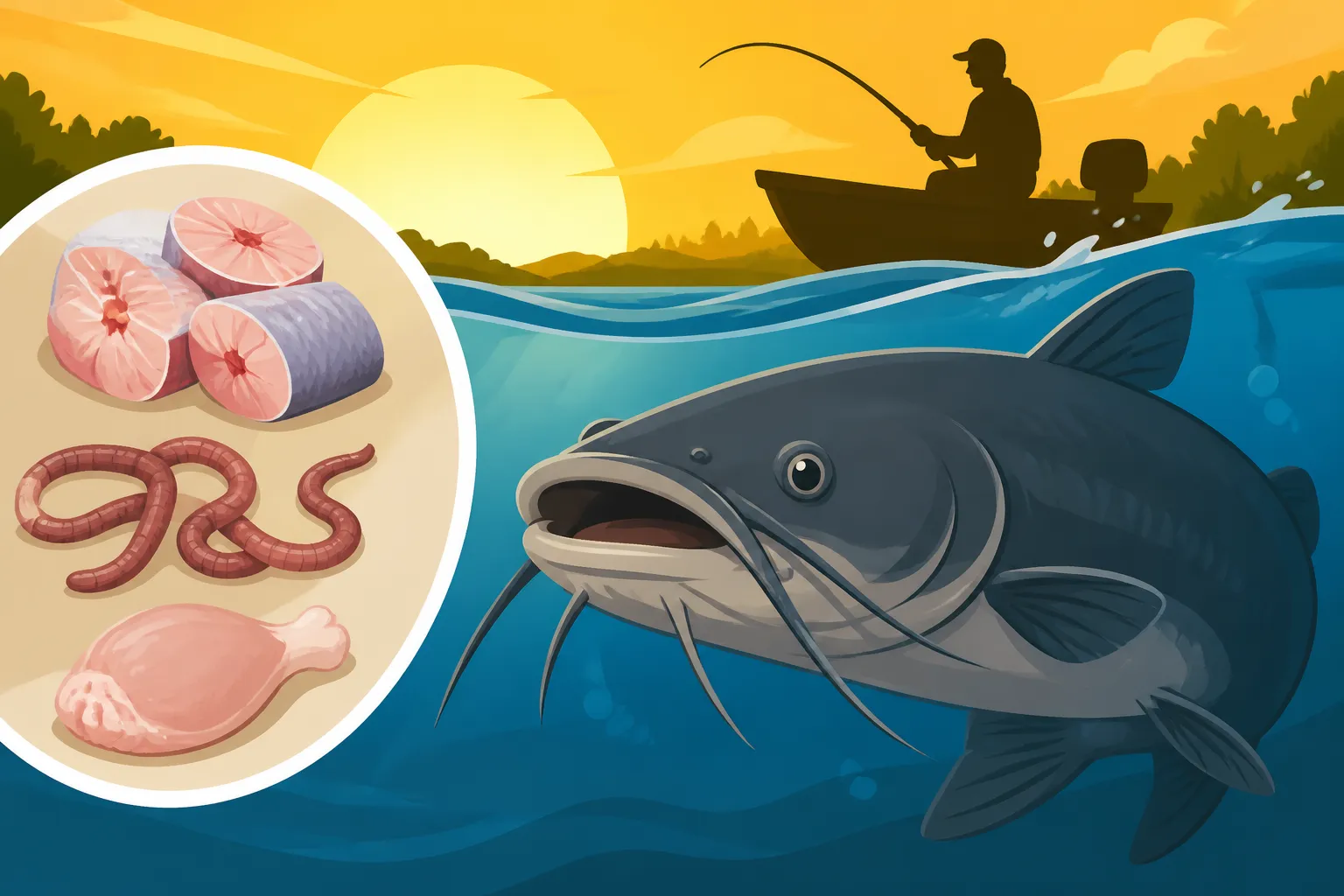
This preference for protein means that cut bait, either fresh or recently deceased, is usually king when targeting blue catfish. They're looking for a hearty meal that represents their natural prey. While they still have an excellent sense of smell, they're often triggered by the presence of a substantial chunk of fish that they might actively hunt. They are less likely to be interested in small, subtle baits.
If you're dreaming of landing a trophy blue cat, understanding their carnivorous nature is paramount. You need to present something substantial and appealing. Targeting them often involves heavier tackle and more robust bait presentations compared to fishing for channel cats. Don't forget to check out The 30-Inch Blue Catfish Rule in Oklahoma to stay within regulations for these impressive fish.
Flathead Catfish: The Live Bait Hunter
Flathead catfish are unique among Oklahoma's catfish species because they are almost exclusively predators of live prey. While a channel cat will readily take a piece of chicken liver and a blue cat loves fresh cut bait, a flathead wants its meal to be wiggling and alive. They are ambush predators, often hiding in submerged cover, waiting for an unsuspecting fish to swim by.
Their diet primarily consists of live fish, but they're not too picky about the species – sunfish, carp, shad, even smaller catfish can all be on the menu. The key is "live." This makes flathead fishing a bit different from targeting channels or blues, as your bait presentation needs to keep the bait alive and active. Dead or stinky baits rarely entice a true flathead.
If you're aiming for flatheads, be prepared to spend some time catching fresh live bait. It's an integral part of the process. They tend to be solitary and territorial, often found in snags, log jams, or deep holes in rivers and lakes. Presenting a lively bait near these structures is your best bet for tempting one of these elusive and powerful fish. For general rules, you might want to review Oklahoma's Catfish Fishing Rules and Limits.
The Allure of Natural Baits for Oklahoma Catfish
When it comes to catfish bait, nature often provides the best solutions. These are the baits that catfish are instinctively drawn to because they mimic their natural diet or emit scents they associate with food. They're often readily available, either by catching them yourself or purchasing them, and they consistently produce results across Oklahoma's diverse waterways.
Fresh Cut Bait: A Timeless Catfish Magnet
There's a reason why fresh cut bait is almost universally recommended for catfish, especially for larger blue and flathead cats. It taps directly into their predatory instincts and strong sense of smell. Cut bait releases natural oils and blood into the water, creating an irresistible scent trail that catfish can detect from surprisingly long distances, even in murky conditions. The fresher the better, as the potent scent diminishes over time.
Common choices for cut bait in Oklahoma include gizzard shad, threadfin shad, carp, sunfish, or even drum. The key is using fish that are native to or commonly found in the waters you're fishing, as this makes the bait seem more natural to the local catfish population. For blue catfish, larger chunks of oily fish like shad can be incredibly effective. For channel cats, smaller strips or cubes often work well, as they have smaller mouths and are less inclined to tackle a whole fish.
Preparing cut bait is simple: take a fresh fish, scale it if you prefer (though many anglers don't bother), and cut it into pieces that are appropriate for the size of catfish you're targeting and the hook you're using. Some anglers prefer fillets, others use sections of the whole fish, including the head or tail, which can be particularly pungent. Hooking it through the skin ensures it stays on during casting and resists nibbling fish. This method is a staple for a reason, and if you haven't tried it, you're missing out. Many anglers find the best fresh shad from local bait shops, but if you're in a pinch, you can find a good fillet knife on sites like Amazon to process your own.
The Power of Live and Dead Shad
Shad, particularly gizzard shad and threadfin shad, are absolute powerhouses when it comes to catfish bait in Oklahoma. They are a primary forage fish in many of our reservoirs and rivers, making them a natural and highly effective option. The choice between live and dead shad often depends on the catfish species you're targeting and the presentation you prefer.
Live shad are a flathead catfish's dream come true. A lively shad hooked through the back or lips, presented near structure where flatheads ambush prey, is incredibly difficult for them to resist. The frantic movements and natural scent of a struggling baitfish send irresistible signals through the water, drawing in those reclusive flatheads. Keeping shad alive requires a good aerated bait tank, especially during warmer months, but the effort is often rewarded with a monster catch. You can often find aerators and portable bait tanks on Amazon if you're serious about live bait fishing.
Dead shad, on the other hand, are fantastic for blue catfish and channel catfish. Whether used whole for larger blues or cut into chunks, their oily flesh and strong scent are irresistible. A freshly dead shad, perhaps one that just expired in your livewell, is essentially the freshest cut bait you can get. The key is freshness; a shad that's been dead for hours in warm water will start to break down and lose its potent appeal. Experiment with different sizes – sometimes a whole small shad is best, other times a half or quarter piece is more effective depending on the size of fish you're targeting.
Worms and Critters: Classic and Effective
While cut bait and shad are champions for big cats, sometimes the simplest baits are the most effective, especially for channel catfish and smaller blues. Worms and various other critters have been catching catfish for generations, and for good reason: they're readily available, easy to use, and almost universally appealing to a hungry cat.
Good old nightcrawlers and red wigglers are staples. Their wiggling action and earthy scent are incredibly attractive to channel catfish. You can use a single large nightcrawler or a ball of smaller red wigglers to create a tempting target. They're especially effective in ponds and smaller rivers where channel cats are more accustomed to foraging for insects and invertebrates. Worms are also excellent for introducing kids to catfishing; the action is usually steady, keeping them engaged.
Beyond worms, many other critters can be surprisingly effective. Crayfish, small grasshoppers, or even grubs and beetle larvae can be excellent natural baits, particularly if they are found in the local environment. These baits mimic the natural forage that channel catfish often encounter. If you're fishing a creek with a lot of crayfish, using a local crayfish can be deadly. Similarly, if you see grasshoppers jumping into the water, tying one on can bring instant results. The key is observing what the local fish might naturally be eating.
Diving Into Prepared and Commercial Catfish Baits
Sometimes, catching your own bait isn't feasible, or you simply prefer the convenience of something off the shelf. That's where prepared and commercial catfish baits come in. These baits are designed to be user-friendly, have a long shelf life, and often boast proprietary scent formulas to attract catfish. They can be incredibly effective, particularly for channel catfish, and provide a reliable option when natural baits are hard to come by.
Stink Baits and Punch Baits: The Scent Trail Specialists
Stink baits are perhaps the most famous category of commercial catfish bait, and for good reason – they work! These baits are specifically formulated to have a pungent, long-lasting odor that mimics decaying organic matter or potent fish scents, which channel catfish find irresistible. They rely heavily on the catfish's superior sense of smell to draw them in.
There are various types of stink baits. Dip baits are usually thick, gooey concoctions designed to be "dipped" onto a worm, a sponge, or a special bait holder that allows the scent to slowly disperse in the water. Punch baits are similar but often have a fibrous texture that allows them to be "punched" onto a treble hook with a stick, staying on the hook better during casting and retrieval. Brands like Danny King's, Sonny's, and Rippin Lips are popular choices among Oklahoma anglers.
When using stink baits, remember that a little goes a long way. You don't need a huge glob; the scent trail is what matters. They are incredibly effective for channel catfish in both lakes and rivers, particularly in warmer water when fish are actively feeding. The convenience of not having to handle slimy fish or dig for worms is a major plus for many anglers. If you're planning a trip and need some reliable bait, searching "catfish stink bait" on Amazon will give you a wide array of options to choose from.
Dough Baits and Prepared Chunks: Convenience Meets Effectiveness
Beyond the classic stink baits, there's a whole world of prepared dough baits and pre-formed chunk baits that offer different textures and scent profiles. These can be excellent alternatives, especially when you're looking for something cleaner to handle or a bait that stays on the hook a bit better in current.
Dough baits often come in tubs or jars and have a more solid, moldable consistency. They can be rolled into balls, pressed around a hook, or formed into various shapes. While they might not be as "stinky" as some dip baits, they still emit appealing scents and can be very effective for channel catfish. Some anglers even make their own dough baits using ingredients like flour, cheese, and various flavorings, adding a personal touch to their fishing.
Prepared chunk baits, on the other hand, are often pre-cut pieces of bait, sometimes resembling hot dogs or small nuggets, infused with catfish attractants. These are incredibly convenient: just open the package, put a piece on your hook, and cast. They're great for quick trips or when fishing with kids, as they are less messy. While perhaps not as potent for trophy blues as fresh cut bait, they can be absolute magnets for smaller channel cats and even some eager blue cats.
Specialty Baits: From Hot Dogs to Soap
The world of catfish bait is full of unconventional, yet surprisingly effective, specialty baits. Catfish are known for their willingness to try new things, and sometimes the oddest offerings can out-fish traditional choices. Don't be afraid to experiment if the conventional baits aren't working, or if you just want to try something a little different.
A popular "secret" bait among many anglers is the simple hot dog. Yes, ordinary hot dogs! Cut into small pieces, they stay on the hook well, are easy to acquire, and for some reason, channel catfish absolutely love them. Soaking them in garlic powder or cherry Kool-Aid can sometimes enhance their appeal even further. This is a fantastic option for a casual fishing trip, especially with kids.
Other unique baits include chicken liver (a classic, though very messy, option that oozes scent), shrimp (especially older, pungent shrimp), and even small pieces of bar soap. Soap might sound utterly bizarre, but some old-timers swear by certain brands of unscented bar soap, claiming the oils and fats attract catfish. While these may not be your go-to every time, knowing about these alternatives can expand your options and potentially lead to some surprising catches on your next Oklahoma fishing adventure.
Matching Your Bait to the Season and Location
The "best" bait isn't static; it changes with the conditions. What works perfectly in a cold, deep river in winter might be completely ignored in a shallow, warm lake in summer. Understanding how seasons and specific locations affect catfish behavior and feeding patterns is paramount to choosing the right bait and presenting it effectively.
Seasonal Bait Strategies: What Works When
Catfish feeding habits are heavily influenced by water temperature and the availability of food, which both change drastically throughout the year. Adapting your bait to the season can dramatically increase your success rate.
In spring, as water temperatures rise, catfish become more active and start to feed aggressively after a period of dormancy. This is a great time for stink baits and cut baits for channel and blue cats, as they are actively searching for food. Live bait also becomes effective for flatheads as their metabolism picks up. Fish are often shallower, making them easier to target.
Summer brings warm water, and catfish are typically very active, especially during dawn, dusk, and at night when temperatures are cooler. Strong-smelling baits like stink baits, chicken liver, and oily cut baits are excellent for channels. For blue cats, fresh cut bait remains a top choice. Flatheads will aggressively hit live bait in their preferred ambush spots. Consider night fishing during the summer for some of the best action. You can find more specific advice in articles like Best Catfish Bait for Summer Fishing.
As fall approaches and water temperatures cool down, catfish often go on a feeding frenzy to bulk up for winter. This can be an incredibly productive time for all three species. Larger cut baits are excellent for blues, while channels will still hit stink baits and worms. Flatheads remain interested in live bait. Fish may start to move into deeper holes as the water cools.
Winter can be challenging, but it's not impossible to catch catfish. Their metabolism slows down, and they become less active. Smaller, less aggressive baits are often more effective. Slowly fished worms, small pieces of cut bait, or even specially formulated winter stink baits can work. Focus on deep holes and areas with stable water temperatures where catfish tend to congregate. For more specific cold-weather techniques, refer to Winter Catfishing Techniques in Oklahoma.
Lake vs. River: Adapting Your Bait Presentation
Oklahoma offers a vast array of fishing environments, from the sprawling open waters of Lake Texoma to the currents of the Arkansas River. The type of water body you're fishing will significantly impact not only your bait choice but also how you present it.
In lakes and reservoirs, particularly large ones like Lake Eufaula or Grand Lake O' the Cherokees, catfish often spread out across vast areas. This means your bait needs to either create a significant scent trail to draw them in or be presented directly in areas they frequent, such as old creek channels, humps, or submerged timber. Stink baits and cut baits are excellent for channel and blue cats, allowing their scent to drift. Live bait for flatheads should be placed near structure. Still fishing from the bank or anchoring in productive spots are common tactics. You can also explore specific hotspots mentioned in articles like Best Catfish Holes on Lake Eufaula.
Rivers and flowing water present different challenges and opportunities. The current helps carry scent downstream, which can be an advantage for strong-smelling baits. However, the current can also wash away lighter baits or prevent them from settling where you want them. Heavier weights or stronger, more resilient baits are often necessary. Cut bait and live bait that can withstand the current are prime choices for blue and flathead cats in rivers. Channel cats will still take stink baits, but you might need a heavier punch bait that stays on the hook. Setting up trotlines or jug lines can also be very effective in river systems, allowing you to cover more water and let the current do some of the work. You can learn more about these methods in How to Set Up a Trotline for Catfish or How to Jug Fish for Catfish.
The Importance of Freshness and Proper Storage
No matter what bait you choose, its effectiveness hinges on its freshness and how you store it. A perfectly selected bait that's gone bad or been improperly handled will yield disappointing results. This is especially true for natural baits.
For natural baits like cut bait, shad, chicken liver, and worms, freshness is paramount. The natural oils, blood, and potent scents that attract catfish dissipate or change as the bait spoils. Always keep live bait in an aerated baitwell with cool, clean water. Store cut bait on ice or in a cooler to keep it fresh until you're ready to use it. If you're using bait you've caught yourself, try to use it the same day for optimal results. If you must keep it longer, freezing can preserve it, but freshly thawed bait is rarely as effective as never-frozen.
Commercial baits also benefit from proper storage. While they generally have a longer shelf life, exposure to extreme heat, direct sunlight, or air can degrade their effectiveness. Always seal jars and containers tightly after use to prevent drying out and preserve their scent. Store them in a cool, dark place. Following the manufacturer's recommendations for storage will ensure your commercial baits perform their best when you need them. Investing in a good tackle bag or box to keep your baits organized and protected can be found on Amazon.
Tips for Maximizing Your Catfish Bait Success
Getting the right bait on your hook is only part of the equation. How you rig it, whether you enhance its appeal, and your willingness to adapt are all crucial factors that can separate a slow day from a banner day. These tips will help you fine-tune your approach and get the most out of your chosen bait.
Rigging Your Bait for Optimal Presentation
The best bait in the world won't catch fish if it's not presented properly. Your rigging needs to be appropriate for your bait, the target species, and the fishing conditions. A well-rigged bait looks natural, stays on the hook, and allows the scent to disperse effectively.
For bottom fishing, which is how most catfish are caught, a simple slip-sinker rig (also known as a Carolina rig) is incredibly versatile and effective. It allows the line to run freely through the weight, so a biting catfish doesn't feel resistance, leading to more confident takes. This rig is perfect for presenting cut bait, worms, stink baits, and dough baits on the bottom, where catfish often feed. Make sure your hook size matches your bait and target species – a smaller hook for worms and smaller channels, a larger, sturdier hook for big cut bait and trophy blues. Learn more about it in How to Rig a Slip Sinker for Catfish.
When using live bait for flatheads, rigging is slightly different to keep the bait alive and active. Hooking a live shad or sunfish through the back, just behind the dorsal fin, allows it to swim naturally without harming it too much. Another option is hooking it through both lips. Use a heavy enough leader and a strong hook to handle the fight of a flathead, and consider a circle hook to ensure good hooksets in the corner of the fish's mouth. The goal is to present a lively, struggling meal directly to a flathead's ambush point.
Scent Enhancers and Attractants: A Little Extra Help
Sometimes, your chosen bait just needs a little extra kick to really get the attention of those finicky catfish. Scent enhancers and attractants are designed to do just that – boost the natural appeal of your bait or add a new layer of attraction.
Many anglers swear by liquid attractants that can be sprayed, squirted, or dipped onto baits. These often come in powerful formulas like garlic, anises, or various fish scents. A few sprays on your cut bait, a worm, or even a commercial dough bait can create an even stronger scent trail, especially in murky water where visibility is low. They are particularly popular for channel catfish, which rely heavily on their sense of smell. You can even find these types of attractants readily available on Amazon to add to your tackle box.
Another subtle but effective trick is using glitter or dye. While not directly a scent, some attractants incorporate fine glitter that can catch light and add a visual component, particularly in clearer water. This might seem more suited for bass, but catfish are curious creatures, and a shimmering, scented bait can sometimes trigger a strike. Experimentation here is key; sometimes a strong, natural scent is all you need, but sometimes a small enhancement can make a big difference.
Experimentation is Key: Don't Be Afraid to Mix It Up
One of the most valuable lessons you can learn in catfish fishing is that there's no single "magic bait" that works every time, everywhere. What worked yesterday might not work today, and what works on Lake Eufaula might be ignored on the Red River. Successful catfishing often comes down to adaptability and a willingness to experiment.
Don't be afraid to try different baits if your initial choice isn't producing. Start with a tried-and-true option, but if the bites aren't coming, switch it up. Maybe the channel cats are ignoring stink bait today but will inhale a piece of shrimp. Or perhaps the blues want smaller cut bait instead of big chunks. Keep a variety of baits on hand – some natural, some commercial – so you have options.
Vary your presentation as well. If you're bottom fishing, try lifting and dropping your bait occasionally to stir up the bottom and create a scent plume. If you're using live bait, try different hooking methods or varying the depth. Pay attention to what the fish are telling you. A subtle tap might mean they're curious but not committing, prompting a change in bait or presentation. The angler who learns to read the water and adapt their strategy is almost always the one who goes home with a stringer full of fish.
Catfish Bait Comparison Chart for Oklahoma Waters
To help you quickly decide what bait might be best for your next trip, here's a general comparison chart covering the most popular options and their typical effectiveness for Oklahoma's three main catfish species. Remember, this is a guideline – local conditions and specific catfish preferences can always vary!
| Bait Type | Target Species (Primary) | Effectiveness (1-5, 5=Highly Effective) | Best Conditions | Pros | Cons |
|---|---|---|---|---|---|
| Fresh Cut Shad | Blue, Channel | 5 | All seasons, moving or still water | Strong natural scent, versatile, good for big fish | Requires sourcing fresh fish, can be messy |
| Live Shad/Sunfish | Flathead, Blue | 5 (Flathead), 4 (Blue) | All seasons, near structure | Mimics natural prey, irresistible to flatheads | Requires livewell, harder to keep alive |
| Nightcrawlers/Worms | Channel, smaller Blue | 4 | All seasons, still or slow moving water | Easy to find, appealing to many fish, clean | Smaller catches, less appealing to large blues/flatties |
| Chicken Liver | Channel | 4 | Warm water, still or slow moving water | Very strong scent, inexpensive | Extremely messy, falls off hook easily |
| Stink/Punch Baits | Channel | 4 | Warm water, still or slow moving water | Convenient, long-lasting scent | Less effective for Blue/Flathead, can be messy |
| Hot Dogs (plain/doctored) | Channel | 3 | Warm water, still water, easy fishing | Extremely convenient, clean, kids love it | Less potent scent, not for trophy fish |
| Crayfish (live/dead) | Flathead, Channel | 4 | All seasons, clear water, rocky areas | Natural food source, good for flatheads | Can be hard to source/keep, not always available |
Disclaimer
This article is for general informational purposes only and does not constitute professional advice. Laws, prices and regulations vary by location and change over time. Consult a qualified professional for guidance on your specific situation.