Grand Lake O’ the Cherokees Bass Fishing Guide
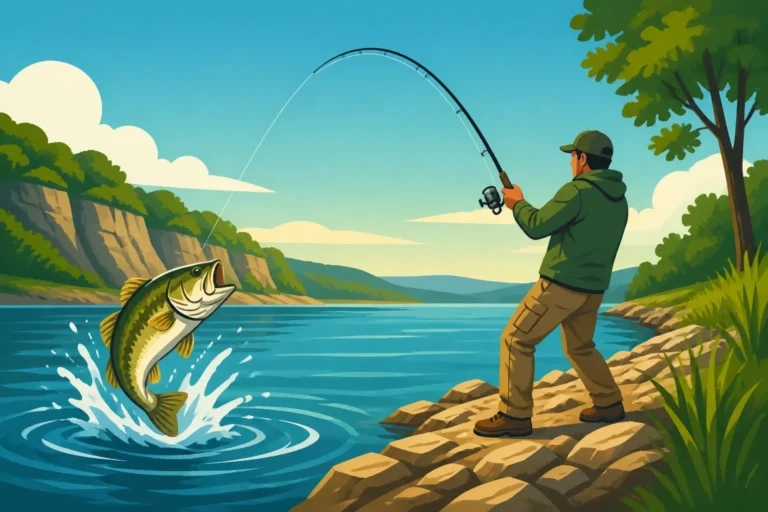
Grand Lake O' the Cherokees can be a truly daunting body of water for any bass angler, with its massive size and diverse structure making it hard to know where to even begin. If you've ever felt overwhelmed by its vastness, this comprehensive guide is here to help you unlock the secrets to successful bass fishing on one of Oklahoma's premier reservoirs, providing the insights you need to find and catch more fish.
Understanding Grand Lake's Bass Fishery
Grand Lake O' the Cherokees, often simply called "Grand Lake," is a behemoth in Northeast Oklahoma. Spanning over 46,500 surface acres with a staggering 1,300 miles of shoreline, it’s a fishery that demands respect and a strategic approach. It’s no wonder many anglers find themselves scratching their heads, wondering how to tackle such an immense and varied environment. But once you understand its unique characteristics and the bass species that thrive here, you’ll start seeing its potential, not just its challenges.
The Layout and Structure of Grand Lake
Imagine a lake born from the confluence of several rivers – the Neosho, Cowskin, and Elk Rivers primarily – carving out deep channels, intricate creek arms, and countless coves. That’s Grand Lake. Its upper reaches, particularly the river arms, tend to be shallower and more stained, carrying nutrients and sediment that can make the water murky, especially after heavy rains. This part of the lake is often teeming with baitfish and offers different challenges and opportunities for bass.
As you move south towards the main lake and the Pensacola Dam, the water generally becomes clearer and deeper. Here, you’ll find expansive open water, steep bluff walls, rocky points, and submerged timber. The geological makeup of the area means a lot of limestone and granite, leading to rocky banks, ledges, and humps that are absolute magnets for bass. These varied structures provide endless ambush points and diverse habitats, from shallow spawning flats in spring to deep winter haunts. Knowing this diverse geography is the first step to unlocking its bass fishing potential, a key reason why Grand Lake is often listed among the Best Bass Fishing Lakes Across Oklahoma.
Primary Bass Species and Their Habits
Grand Lake is primarily known for its excellent largemouth bass fishery, but it also holds healthy populations of spotted bass and, to a lesser extent, smallmouth bass. Each species has its own preferences and habits, so understanding them can help you tailor your approach.
Largemouth bass are the kings of Grand Lake, growing to impressive sizes. They absolutely love cover – think submerged brush piles, boat docks, standing timber, and dense aquatic vegetation in the shallower coves. They are ambush predators, often found tucked away, waiting for an unsuspecting shad or crawfish to swim by. You'll find them widely distributed throughout the lake, from the stained upper river arms to the clearer main lake coves. Targeting these green giants often means working those visible and invisible structures with precision. For a more detailed look at these fish, check out our Largemouth Bass Fishing in Oklahoma: The Complete Guide.
Spotted bass, also known as "spots," are abundant, especially in the clearer, rockier sections of the mid and lower lake. They often school up and prefer rocky points, bluffs, and channel swings. Spotties fight hard, often diving deep and using their surroundings to break your line. They are typically smaller than largemouth but offer consistent action. If you're struggling to find largemouth, shifting your focus to spotted bass can often lead to a fun and productive day.
Smallmouth bass are less prevalent but can be found in specific areas, usually around deep, clear rock piles and main lake points in the lower end of the lake. They are incredibly powerful fighters for their size, and catching one on Grand Lake is often considered a trophy by itself due to their more limited distribution. If you’re targeting smallmouth, focus on those pristine, rocky, deep-water habitats.
Seasonal Strategies for Grand Lake Bass
Grand Lake truly transforms with the seasons, and so do the bass. What works in spring will likely fall flat in summer, and understanding these shifts is paramount to consistent success. Anglers who learn to "read" the lake and adapt their techniques to the water temperature and bass behavior will always come out ahead.
Springtime Spawn and Pre-Spawn Tactics
Spring is arguably the most exciting time for bass fishing on Grand Lake. As water temperatures begin to climb into the 50s and 60s, bass start their migration from deep wintering grounds to shallower spawning areas. This is the pre-spawn period, and fish are hungry and aggressive, packing on calories before the rigors of the spawn. They’ll be staging on points and creek channel bends leading into shallow coves, often found around 10-20 feet deep. Crankbaits, jerkbaits, and spinnerbaits are incredibly effective during this time, mimicking baitfish that bass are actively gorging on. This is when you can really put some big fish in the boat.
As the water hits the mid-60s, the spawn begins in earnest. Bass move into the very shallow backs of coves, pockets, and protected areas, often around docks, laydowns, and brush, to build their nests. This is when sight fishing can be incredibly productive, especially for largemouth. Flipping and pitching jigs, soft plastics like creature baits, and Texas-rigged worms into visible cover are prime tactics. Remember that during the actual spawn, bass are guarding nests, so their bites can be more defensive. Knowing the Spring Bass Spawn Timing in Oklahoma and How Water Temperature Affects Bass Spawning in Oklahoma is critical for anticipating these movements. Many anglers focus on areas where the sun warms the water fastest, like north-facing banks or protected areas with dark bottoms. Don't forget that fish will move from deep to shallow and back again, so having a good understanding of both shallow and nearby deeper water staging areas is key for pre-spawn success. For more in-depth knowledge on the period leading up to the spawn, consider looking into Pre-Spawn Bass Fishing Techniques Explained.
Summer Deep Water and Night Fishing
When the brutal Oklahoma summer sun pushes water temperatures into the 80s, bass often retreat to deeper, cooler waters. You’ll find them relating to main lake points, ledges, humps, and brush piles in 15-30 feet of water, often near the old river channels. This is where your electronics become invaluable, helping you locate these deeper structures and the fish holding on them. Big crankbaits, football jigs, and large Texas-rigged worms are excellent choices for probing these depths. Often, the bite can be slow during the day, requiring patience and a methodical approach.
However, summer also opens up the fantastic world of night fishing on Grand Lake. As the sun sets and temperatures drop, bass move shallower to feed under the cover of darkness. This is when topwater lures like buzzbaits and poppers, as well as spinnerbaits and bladed jigs, can be incredibly productive, especially around docks with lights or shallow points. The cooler temperatures make for a much more comfortable fishing experience, and the bass can be surprisingly aggressive. Many anglers love to explore the docks lit up by homeowners, which attract baitfish and, consequently, hungry bass. This often provides some of the most consistent action when daytime fishing proves tough.
Fall Transition and Feeding Frenzies
Fall on Grand Lake is a period of transition and often a furious feeding frenzy. As water temperatures start to cool from the summer highs, bass become incredibly active. They sense the coming winter and start to aggressively feed on baitfish, particularly shad, which school up in massive numbers in the backs of coves and creek arms. This is when finding those schools of baitfish is key.
Spinnerbaits, lipless crankbaits, and topwater lures (especially walk-the-dog baits) can be deadly as bass chase shad. Look for "strikes" or birds diving, indicating active feeding. The bass will follow the bait, so being mobile and covering water is important. As fall progresses, and water temperatures continue to drop, bass will start to relate more to isolated cover and structure, preparing for winter. Jigs and slow-rolled spinnerbaits become more effective as fish get a bit less aggressive but are still looking for a hearty meal. This season offers some of the most enjoyable fishing days, with pleasant weather and aggressive fish.
Winter Patterns and Cold Water Bites
Don't let the cold scare you away from Grand Lake in winter; it can be a fantastic time to catch big bass, though you'll need a different strategy. As water temperatures drop into the 40s, bass become lethargic and group up tightly on deep, isolated structure. Think main lake points, bluff ends, channel swings, and deep brush piles in 25-45 feet of water.
The key to winter fishing is patience and slow presentations. Spoons, suspending jerkbaits, jigs, and shaky head worms are your best friends. Fish them slowly, often with long pauses, right on the bottom or suspended in the strike zone. Bass aren't going to chase a fast-moving lure; you need to put the bait right in front of them and entice a reaction strike. While the bites can be subtle, the fish you catch are often some of the biggest and healthiest in the lake. On sunny, warmer winter days, bass might move up onto shallower rock piles or sunny banks for a short feeding window, so keep an eye out for those opportunities.
Top Bass Fishing Spots on Grand Lake
Grand Lake’s sheer size means there are countless spots that hold bass, but knowing where to start can feel like finding a needle in a haystack. While bass are literally everywhere, some areas consistently produce better than others due to their unique combination of cover, forage, and depth.
Key Coves and Creeks for Largemouth
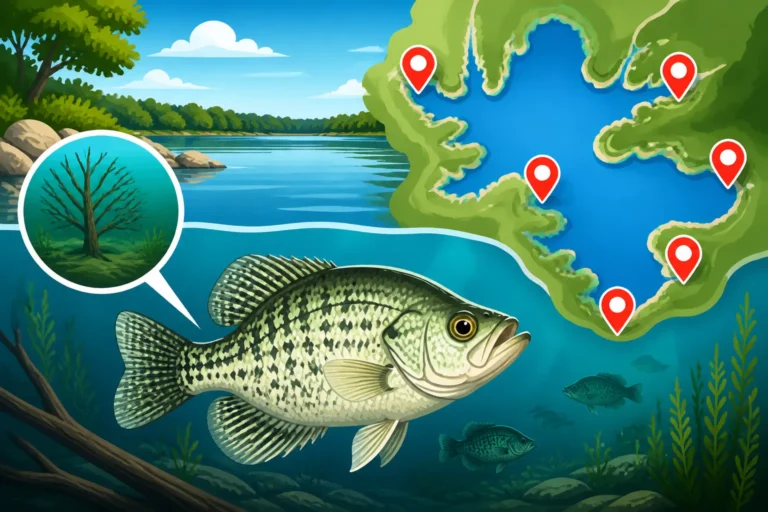
For largemouth bass, the back ends of major creek arms and numerous smaller coves are prime territory. These areas often feature shallower water, more visible cover like boat docks, brush piles, and fallen timber, and often hold more stained water, which largemouth tend to prefer.
Consider areas like Honey Creek, Duck Creek, Horse Creek, and the Elk River arm. These are not only vast themselves but also branch off into countless smaller coves and pockets. In the spring, these shallow, protected coves are where largemouth will move to spawn. During summer and fall, the creek channels winding through these arms provide deeper access for bass to retreat to when temperatures fluctuate, while still offering nearby shallow feeding grounds. Focus on the transition zones where the creek channels meet the shallower flats. Boat docks are year-round fish magnets, providing shade, cover, and often brush piles underneath them. Flipping jigs and soft plastics to these docks can be incredibly effective. Sometimes, the best way to really understand these areas is by checking out guides or charters on platforms like FishingBooker, where local experts can show you their favorite hidden coves. If you're looking for even more specific intel on the lake, we have a whole article dedicated to the Best Bass Fishing Spots on Grand Lake O' the Cherokees, Oklahoma.
Best Areas for Spotted Bass and Smallmouth
Spotted bass, and the occasional smallmouth, prefer the clearer, rockier areas of the lake. These fish are less dependent on heavy cover and more on vertical structure and deep-water access.
The main lake points, bluff walls, and deep ledges from Sailboat Bridge south towards the dam are excellent for spotted bass. Look for areas with a quick drop-off into deep water, submerged rock piles, and points that extend far out into the lake. Spotted bass often suspend over deep water or hold tight to these vertical structures. Drop shots, shaky heads, and small crankbaits that mimic shad are very effective here. Smallmouth bass will often be found in the same types of areas, though they prefer even cleaner water and more pristine rock structure. The rocky banks and main lake points around Monkey Island and the lower lake provide some of the best smallmouth opportunities. Look for humps and submerged islands in the deeper, clearer sections of the lake.
Navigating the Main Lake for Productive Structure
While the coves and creek arms are great, don’t ignore the main lake basin. Grand Lake's main body holds incredible offshore structure that can be incredibly productive, especially during the summer and winter months when bass move deeper.
This includes expansive flats with scattered rock piles, submerged timber, and deep ledges. Interpreting your electronics becomes vital here. You're looking for subtle changes in depth, hard bottom areas, and any signs of baitfish or fish arches near the bottom. Points that extend far into the main lake, particularly those with a defined drop-off, are also key. These are pathways for bass moving between deep and shallow water, and they often hold schooling fish. Deep-diving crankbaits, spoons, and Carolina rigs are excellent for covering these main lake structures. Identifying these productive structures requires practice, but once you start to see them on your sonar, you'll open up a whole new world of bass fishing on Grand Lake. Don't be afraid to pull up to a promising-looking hump or ledge and spend some time dissecting it with your lures.
Essential Techniques and Lures for Grand Lake Bass
Having the right bait and knowing how to present it can make all the difference between a frustrating day and a fantastic one. Grand Lake’s diverse habitat means you need a versatile tackle box and a willingness to adapt your techniques.
Dominant Lures for Each Season
Just as bass change their location, they also change their preferences for lures throughout the year.
- Spring: Crankbaits (both shallow and medium divers), jerkbaits, spinnerbaits, bladed jigs (like a ChatterBait), and lipless crankbaits are fantastic for pre-spawn aggression. Once the spawn kicks in, switch to jigs, Texas-rigged creature baits, and soft plastic stick baits (like a Senko) for slower, more precise presentations around beds and cover.
- Summer: Deep-diving crankbaits, football jigs, large Texas-rigged worms, shaky heads, and drop shots are ideal for probing deep structure. For night fishing, topwater lures (buzzbaits, poppers), spinnerbaits, and swim jigs can be incredibly effective around shallow cover.
- Fall: Lipless crankbaits, topwater lures (walking baits, poppers), spinnerbaits, and small swimbait for imitating schooling shad. As fish move deeper, jigs and medium-diving crankbaits still work.
- Winter: Spoons, suspending jerkbaits (especially near points and bluffs), jigs, shaky heads, and finesse worms are the way to go. Slow, deliberate movements are key.
Effective Rigging and Presentation Methods
The way you present your lure can be just as important as the lure itself.
For shallow cover fishing, especially in spring and fall around docks and brush, flipping and pitching with jigs or Texas-rigged plastics is essential. This allows for quiet, accurate presentations into tight spots without spooking the fish. Using a heavy rod and braided line is often preferred for getting fish out of heavy cover. For open water and covering flats, casting and retrieving spinnerbaits, crankbaits, and lipless crankbaits allows you to cover vast areas quickly and find active fish.
When bass move deeper, Carolina rigs and Texas rigs become invaluable. A Carolina rig is great for covering larger areas on the bottom, with its long leader allowing your bait to float enticingly above the main weight, often over shell beds or rocky bottoms. How to Fish a Texas Rig for Bass involves pegging your weight to your soft plastic, making it incredibly weedless and effective for punching through brush or dragging over rocky ledges. The drop shot rig is a finesse technique, perfect for suspending a bait right in the face of deep, finicky bass, particularly spotted bass or smallmouth. And don't underestimate the power of jigging spoons or vertical jigging over deep schools of fish, especially in winter.
Utilizing Electronics for Bass Location
On a lake as large and structured as Grand Lake, modern electronics are not just a luxury; they’re a necessity, especially if you’re venturing beyond the most obvious shallow cover.
Sonar (2D) will help you identify changes in depth, fish arches, and bait balls. Learn to distinguish between hard and soft bottoms based on the sonar returns. Down imaging provides a picture-like view directly beneath your boat, helping you identify specific structures like brush piles, submerged timber, or rock formations with incredible clarity. This can show you the difference between a generic hump and a hump with fish-holding cover. Side imaging is a game-changer for covering vast areas of open water. It allows you to scan wide to the left and right of your boat, revealing structure and fish far from your boat's path. This is invaluable for finding offshore humps, ledges, and brush piles that you might otherwise miss.
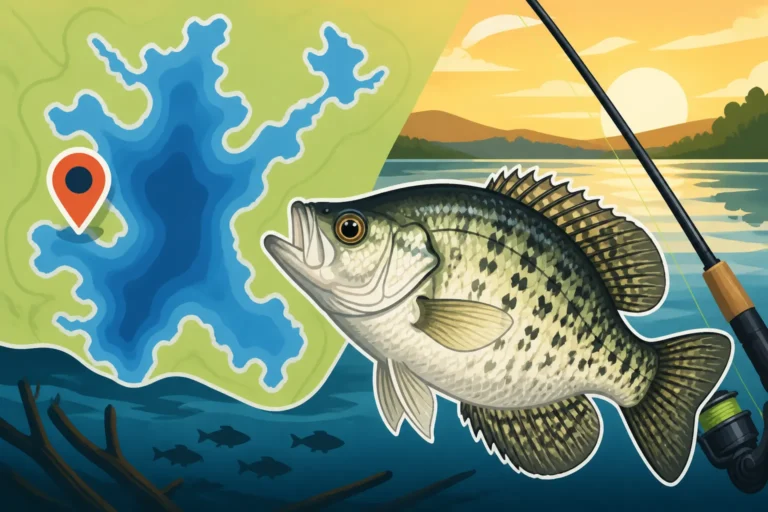
Once you find a promising piece of structure or a school of fish, use your GPS to mark waypoints. This allows you to return to the exact spot repeatedly and fish it thoroughly. Knowing how to read contour maps, whether on your unit or a dedicated app, will also help you identify high-probability areas before you even get there. Combining these technologies means you're not just casting blindly; you're actively searching and identifying potential bass hideouts, transforming your approach from hopeful casting to strategic targeting.
Gear and Licensing Considerations for Grand Lake
Having the right tools for the job is crucial, and that includes your fishing gear and, of course, ensuring you're legally prepared to cast a line. Grand Lake is home to some robust bass, so having tackle that can handle them, and the diverse structure they inhabit, is key.
Recommended Rods, Reels, and Line for Grand Lake
For largemouth bass, especially when flipping heavy cover or throwing larger crankbaits, a medium-heavy to heavy power casting rod (6'6" to 7'6") paired with a baitcasting reel is essential. This setup provides the backbone to extract fish from thick brush and the power to cast larger baits. A gear ratio of 6.3:1 to 7.1:1 is versatile, offering a good balance of retrieve speed and power. For line, 15-20 lb fluorocarbon is a popular choice for its sensitivity and low visibility, especially in clearer waters. In heavy cover, some anglers opt for 30-65 lb braided line for its strength and abrasion resistance. A great place to start looking for the right equipment is to check out our guide on the Best Rod for Largemouth Bass Fishing.
For spotted bass and finesse techniques, a medium to medium-heavy spinning rod (6'9" to 7'3") with a matching spinning reel is perfect. Spooled with 8-12 lb fluorocarbon or monofilament, or even 10-20 lb braid with a fluorocarbon leader, this setup offers the sensitivity needed for subtle bites and the casting ability for lighter lures. You’ll find this setup indispensable for drop shots, shaky heads, and smaller jerkbaits.
Always carry a variety of lures and terminal tackle in your tackle box. Hooks, weights, swivels, and leaders are easily lost to snags on Grand Lake's abundant structure. Having a well-stocked tackle box ensures you’re prepared for whatever the bass or the conditions throw at you.
Understanding Oklahoma Bass Regulations
Before you even think about putting a line in the water, you absolutely need to have an up-to-date Oklahoma fishing license. The Oklahoma Department of Wildlife Conservation (ODWC) enforces regulations to protect the fishery, and ignorance is no excuse for getting a ticket. You can easily purchase your license online through the ODWC website, or at many sporting goods stores and bait shops across the state. For comprehensive details, be sure to review the Fishing License Requirements in Oklahoma.
When it comes to bass on Grand Lake, there are specific bag and size limits you need to be aware of. The statewide daily limit for black bass (which includes largemouth, smallmouth, and spotted bass combined) is six fish. Crucially, on Grand Lake, there is a 14-inch minimum length limit on all black bass. This means any bass you catch shorter than 14 inches must be immediately released unharmed. There's also a specific rule: only one of your six black bass can be 16 inches or longer. This regulation is designed to protect larger, spawning-size bass while still allowing anglers to keep some fish. Always double-check the current regulations, as they can sometimes change, but this 14-inch minimum and one-over-16-inch rule have been consistent on Grand Lake. This is vital to understanding the Oklahoma Statewide Bass Bag Limit Explained.
Always have a measuring device on your boat and be ready to quickly and gently measure your catch. Knowing these rules ensures you're fishing legally and contributing to the sustainability of Grand Lake’s fantastic bass fishery. For a deeper dive into the specifics of what you can and cannot keep, review the article on Oklahoma's Bass Fishing Rules and Limits.
Planning Your Grand Lake Bass Fishing Trip
Grand Lake is immense, and while this guide provides a solid foundation, there's always more to learn and experience. Planning your trip effectively, whether that involves hiring a professional or simply knowing where to launch your boat, can significantly enhance your fishing success and enjoyment.
Hiring a Local Guide or Charter
For many anglers, especially those visiting Grand Lake for the first time or wanting to fast-track their learning curve, hiring a local fishing guide is an invaluable investment. A professional guide lives and breathes Grand Lake. They know the seasonal patterns, the best spots (both shallow and deep), and the most effective techniques for the current conditions. They'll have top-notch gear, a comfortable boat, and, most importantly, years of accumulated knowledge about the lake's quirks.
A guide can teach you how to read your electronics more effectively, how to present specific lures, and even reveal hidden patterns you might never discover on your own. It's not just about catching fish on that specific day; it's about gaining knowledge that will empower you for future trips. Platforms like FishingBooker make it easy to find and book experienced Grand Lake bass guides. When looking for a guide, ask about their experience specifically with bass, what gear they provide, and what you should bring. A good guide will be eager to share their passion and knowledge, ensuring you not only have a great day on the water but also walk away a more skilled angler.
Access Points and Boating Safety Tips
With 1,300 miles of shoreline, Grand Lake has numerous boat ramps and access points, but not all are created equal, especially for bass boats. Many public and private ramps are available, ranging from well-maintained state park ramps to more rustic county access points. Popular access points include those around Grove, Monkey Island, and Bernice. Always check ramp conditions, especially after heavy rains, as water levels can fluctuate.
Given the size of Grand Lake and its popularity, especially on weekends, boating safety is paramount. The main lake can get very rough with strong winds and heavy boat traffic. Always check the weather forecast before heading out. Ensure your boat is equipped with all required safety gear, including enough U.S. Coast Guard-approved life jackets for everyone on board (and ensuring children 12 and under wear them at all times), a fire extinguisher, a sound-producing device, and navigation lights. For insights into suitable vessels for this massive body of water, consider checking our guide on the Best Boats for Grand Lake's Open Water. File a float plan with someone on shore, letting them know where you're going and when you expect to return. Operating your boat safely and courteously not only protects you and your passengers but also contributes to a positive experience for everyone on the water.
Disclaimer
The information provided in this guide is for general informational purposes only. Fishing regulations, conditions, and techniques can change. Always consult the latest regulations from the Oklahoma Department of Wildlife Conservation (ODWC) before fishing. Practice safe boating and fishing habits, and respect the natural environment.