Tenkiller Ferry Lake Fishing Guide, Oklahoma
The sheer size and stunning beauty of Tenkiller Ferry Lake, nestled in the Cookson Hills of Eastern Oklahoma, can be incredibly intimidating for any angler, whether you're a seasoned pro or just dipping your toes in. It’s easy to feel overwhelmed by its vast expanses, deep clear waters, and abundant coves, wondering where to even begin your search for fish. This guide is here to cut through that confusion, offering you a clear, comprehensive roadmap to successfully navigate Tenkiller's incredible fishing opportunities, ensuring your next trip is productive and enjoyable.
Understanding Tenkiller Ferry Lake's Unique Character
Tenkiller Ferry Lake, often simply called Lake Tenkiller, isn't just another Oklahoma reservoir; it truly has a personality all its own. Created by the damming of the Illinois River, this lake boasts incredibly clear water, stark bluffs, and depths that can plunge to over 160 feet. This unique combination sets it apart from many other Oklahoma lakes that are often shallower and more turbid. Its clear waters mean fish behave differently, often retreating to deeper, shadier areas or specific types of cover.
Geology and Habitat Diversity
The underlying geology of Tenkiller is predominantly limestone, which contributes to its exceptional water clarity. This clear water, while beautiful, can make daytime fishing challenging for species like bass, as they become more wary of shadows and line visibility. However, it's a huge advantage for sight fishing in certain conditions and supports healthy populations of various forage fish, which in turn sustain a robust sport fishery. The lake features a mix of submerged timber, rocky points, deep ledges, and sheer rock bluffs, creating a diverse range of habitats for different species throughout the year.
The timbered coves and creek arms provide crucial spawning grounds and excellent ambush points for bass and crappie, while the deeper main lake structure and bluffs hold walleye, catfish, and even some resident striped bass. Knowing these distinct zones is key to understanding where your target species might be holding. It's not enough to just know the lake; you need to understand why certain areas hold fish, which often comes down to the underlying structure and water conditions unique to this remarkable body of water.
What Makes Tenkiller Different from Other Oklahoma Lakes
When comparing Tenkiller to other major Oklahoma lakes, like the sprawling Lake Eufaula or the giant Lake Texoma, you immediately notice the difference in water clarity and terrain. Eufaula is known for its vast, shallower, and often turbid waters, while Texoma offers a massive, often windswept environment with a distinct fishery, particularly for striped bass. Tenkiller, however, feels more like a mountain lake with its steep, rocky shorelines and dense forests. This clear water and deep structure mean techniques that work on other Oklahoma lakes might need significant adjustment here.
For example, on a muddy lake, you might rely heavily on noisy, vibrating baits to attract fish. On Tenkiller, finesse techniques, natural-colored baits, and a stealthier approach often prove more effective, especially on bright, sunny days. Understanding these nuances is crucial, as blindly applying a "one-size-fits-all" approach will often lead to frustration and empty livewells. It's truly a lake that rewards thoughtful adaptation and appreciation for its distinct ecological character.
Key Fish Species to Target at Tenkiller
Tenkiller Ferry Lake is a renowned multi-species fishery, offering something for almost every type of angler. While it's particularly famous for a few key species, there's a surprising variety lurking beneath its clear surface. Knowing what you're after and when they are most active will significantly increase your chances of success.
Largemouth and Smallmouth Bass
Bass fishing at Tenkiller is fantastic, with healthy populations of both largemouth and smallmouth bass. Largemouth tend to prefer the stained, timbered backs of coves and creek channels, especially where there's submerged brush or grass. You'll find them around docks, fallen trees, and rocky points with cover. Smallmouth, on the other hand, absolutely thrive in Tenkiller's clear, rocky environment, favoring main lake points, bluffs, and rocky outcroppings where they can ambush baitfish. They often hold deeper than largemouth, especially in the summer.
Anglers often struggle with the clear water during the day, as bass can be incredibly spooky. Early mornings, late evenings, and overcast days are prime times. Try working finesse baits like drop shots, shaky heads, or small jigs along deep points and ledges. For largemouth, consider skipping jigs or soft plastics under docks or around dense cover. Remember that Oklahoma's Bass Fishing Rules and Limits apply here, so always be mindful of size and bag regulations.
Crappie Fishing Opportunities
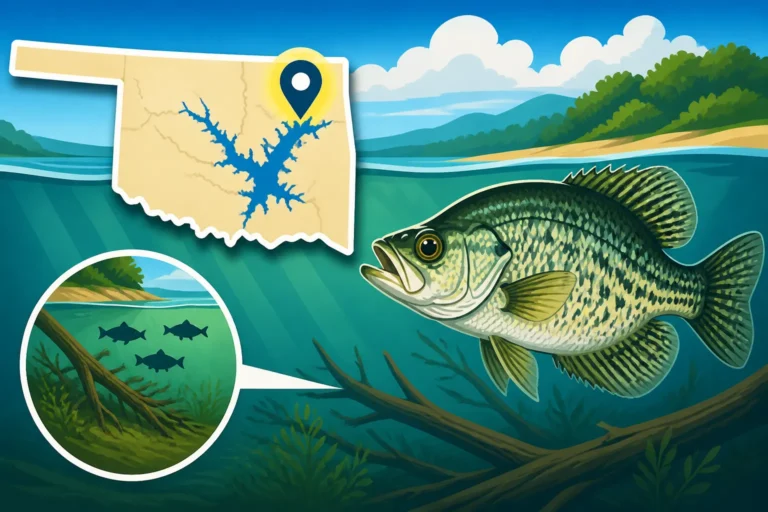
Tenkiller is a crappie haven, known for producing good numbers of both black and white crappie. While white crappie often prefer more turbid waters, Tenkiller's clear environment means both species adapt well here. You'll find crappie congregating around brush piles, submerged timber, bridge pilings, and especially under docks. In the spring, they move into shallower coves to spawn, offering excellent opportunities for bank anglers or those in smaller boats.
The lake even has specific regulations, like the Tenkiller Ferry Lake's Ten-Inch Crappie Limit Explained, meaning any crappie you keep must be at least 10 inches long. This regulation helps ensure a healthy, sustainable fishery. Common techniques include jigging small jigs (1/16 to 1/8 oz) tipped with a minnow or soft plastic, or tightlining minnows over brush piles. Many anglers have success using a vertical jigging presentation over structure they locate with their fish finders.
Catfish Abundance
Catfish are plentiful in Tenkiller, with excellent populations of channel, blue, and flathead catfish. Channel cats are the most common and can be found almost anywhere, from shallow coves to deeper channels, often near structure or mud flats. Blue catfish tend to inhabit the deeper, open water areas, especially around the old river channel, while flatheads are often found near heavy timber and rocky bottoms, preferring live bait.
For channel cats, stink baits, cut bait, and worms fished on the bottom are highly effective. Blue cats respond well to fresh cut bait, particularly shad. Flathead fishing often requires a more patient approach with large live baits like sunfish or perch, fished near woody cover at night. You'll want to review Oklahoma's Catfish Fishing Rules and Limits before your trip to ensure you're compliant with all regulations. Tenkiller can produce some truly impressive catfish, especially if you target the deep main lake channels.
Walleye and Other Species
While not as widely known for them as some other Oklahoma lakes, Tenkiller does hold a respectable population of walleye, particularly in the lower end of the lake and near the dam. These elusive fish prefer rocky areas, humps, and submerged points in deeper, cooler water. They are most active at dawn, dusk, and at night, often moving shallower to feed. Trolling crankbaits or jigging with live minnows or worms are popular and effective methods for targeting walleye.
Beyond these primary game fish, anglers can also encounter white bass, sunfish (bluegill, green sunfish, redear), and even paddlefish in the upper reaches of the Illinois River arm, especially during the spring snagging season. Each of these species offers a different kind of challenge and reward, adding to Tenkiller's allure as a diverse fishing destination.
Seasonal Fishing Strategies for Tenkiller
Fishing Tenkiller Ferry Lake successfully means understanding how fish patterns change with the seasons. Its clear water and deep structure mean these shifts can be quite dramatic, requiring adjustments to your techniques and chosen locations throughout the year.
Spring: Spawning Season Excitement
Spring is arguably one of the most exciting times to fish Tenkiller, as rising water temperatures trigger the spawn for most major species. As the water warms into the 50s and 60s Fahrenheit, crappie and bass move from their deeper wintering grounds into the shallower coves and creek arms. This is when you'll find crappie congregating around brush piles and docks in 5-15 feet of water, often eager to bite small jigs or minnows.
Bass, both largemouth and smallmouth, will also push shallow, first to pre-spawn staging areas like secondary points and channel swings, then eventually onto spawning beds in protected pockets. For largemouth, target visible cover like laydowns, stumps, and boat docks with jigs, spinnerbaits, or soft plastics. Smallmouth will be found on rocky points and gravel flats, often biting crankbaits, jerkbaits, and tube baits. Don't forget that Oklahoma Bass Fishing: Techniques by Season can offer deeper insights into these spring patterns.
Summer: Deep Water and Night Fishing
As Oklahoma's temperatures soar in the summer, Tenkiller's clear waters often mean fish retreat to deeper, cooler, and oxygenated areas. This can be a challenging time for many anglers, but also one of the most rewarding if you know where to look. Bass will often move to deep ledges, submerged timber on main lake points, and humps, sometimes as deep as 25-40 feet. Drop-shot rigs, deep-diving crankbaits, and heavy jigs become essential tools. Early morning and late evening topwater bites can still occur, especially around shaded bluffs or main lake points.
Crappie will suspend over deep brush piles or along channel edges, often holding at specific depths related to the thermocline. Using your fish finder to locate these schools is paramount. Night fishing under lights becomes highly effective for crappie, white bass, and catfish, as these species are drawn to the baitfish attracted by the light. Anglers often deploy underwater lights off their boats or docks in sheltered coves, then vertical jig or tightline minnows for excellent summer night action.
Fall: Transition and Feeding Frenzies
Fall is a beautiful time on Tenkiller, both for the scenery and the fishing. As water temperatures begin to cool, fish become more active and start to feed aggressively in preparation for winter. Baitfish schools move into shallower coves and creek arms, and the game fish follow them. This "fall turnover" can make finding fish a bit unpredictable at first, but once the patterns stabilize, the fishing can be phenomenal.
Bass will often be found chasing baitfish on main lake points, secondary points, and even in the backs of creeks. Crankbaits, spinnerbaits, and topwater lures can be highly effective during these feeding frenzies. Crappie will also become more aggressive, often moving into shallower brush piles or suspending over deeper timber. Look for them around bluff ends, submerged cedars, and creek channel swings. This is a prime time for both Crappie Fishing Techniques and Seasonal Patterns in Oklahoma and aggressive bass tactics.
Winter: Slow and Deep
Winter fishing at Tenkiller is often a game of patience, but it can yield some of the lake's largest fish. With cold water temperatures, fish metabolism slows down, and they tend to concentrate in deep, stable areas. Bass will often be found tightly grouped on deep main lake points, ledges, and submerged timber. Vertical presentations like jigging spoons, slow-rolled football jigs, or suspending jerkbaits can entice reluctant bites.
Crappie will also move to deep brush piles, sometimes 30-50 feet down, and suspend tightly. Slow vertical jigging with tiny jigs or minnows is the key here. Catfish can still be caught in winter, often in deep holes along the old river channel, with cut bait or live bait fished patiently on the bottom. While challenging, the lack of recreational boat traffic and the chance for a trophy make winter a special time for dedicated Tenkiller anglers.
Premier Fishing Spots and Structures
Tenkiller Ferry Lake is absolutely littered with prime fishing real estate, but knowing where to focus your efforts can make all the difference. From the wide-open main lake to secluded creek arms, each area offers unique opportunities for different species.
Main Lake Points and Bluffs
The main lake section of Tenkiller, with its sheer rock bluffs and deep points, is a magnet for smallmouth bass, walleye, and often larger striped bass that venture up from the lower Illinois River. Smallmouth particularly love the transition zones where rock shelves drop off into deep water. Look for irregularities in the bluff line, submerged rock piles, or areas where the current might create eddies.
Jerkbaits, small crankbaits, and swimbaits are excellent choices for covering water on these points, while drop shots and shaky heads can pick off stubborn fish holding tight to structure. Walleye will also relate to these rocky points, especially at dawn and dusk, so try trolling deep-diving crankbaits parallel to the drops. If you're targeting big catfish, the deeper sections near the dam and along the old river channel near these bluffs are often productive.
Timbered Coves and Creek Arms
The numerous timbered coves and creek arms are largely responsible for Tenkiller's reputation as a fantastic largemouth bass and crappie fishery. Areas like Chicken Creek, Burnt Cabin Creek, and the upper Illinois River arm offer extensive submerged timber, brush piles, and shallow flats ideal for spawning. In spring, these areas will be bustling with fish, making them easy targets for a variety of presentations.
For largemouth, focus on flipping and pitching jigs or soft plastics into the thickest cover you can find. Spinnerbaits and chatterbaits are also effective for covering water. Crappie will be stacked in the brush piles within these coves; use your electronics to pinpoint these submerged havens. Many anglers report great success in these protected areas, even on windy days when the main lake is too rough. To find the really good spots, consider checking out resources like Best Crappie Fishing Spots on Tenkiller Ferry Lake, Oklahoma.
Submerged Structure and Humsp
What you can't see often holds the most fish, and Tenkiller is no exception. There are countless submerged humps, roadbeds, old foundations, and brush piles scattered throughout the lake. These underwater structures act as fish magnets, providing cover, ambush points, and concentration areas for baitfish. A good fish finder is absolutely indispensable for locating these hidden gems.
Once you've found a promising piece of structure, whether it's an old pond dam or a planted brush pile, fish it thoroughly. For bass, a Carolina rig or a deep-diving crankbait can be excellent choices for working the contours. Crappie will suspend directly over or within brush piles, making vertical jigging a deadly technique. Don't be afraid to explore new areas and mark any significant submerged structure you discover; these spots often produce year after year.
Essential Gear and Techniques for Tenkiller
Fishing Tenkiller Ferry Lake requires a thoughtful approach to gear and techniques, primarily due to its clear water and diverse depths. What works on a muddy river might not cut it here, so let's dial in on what you'll need to bring.
Rod and Reel Setups
Given the variety of species and fishing scenarios, having a few different rod and reel setups is highly recommended. For bass, you'll want a medium-heavy baitcasting rod (6'6" – 7'6") paired with a high-speed reel (7.0:1 or higher gear ratio) for pitching and flipping jigs or heavier plastics into cover. This provides the backbone needed to pull fish out of timber. A medium-action spinning rod (6'6" – 7'0") with a sensitive tip and a reliable spinning reel (2500-3000 size) is crucial for finesse techniques like drop-shotting, shaky heads, or throwing lighter baits in clear water.
For crappie, light spinning tackle is the way to go. A light to ultra-light action rod (5'6" – 7'0") with a sensitive tip, paired with a small spinning reel (1000-2000 size), spooled with 4-6 lb test monofilament or fluorocarbon. This setup allows for delicate presentations of small jigs and minnows. For catfish, especially the larger blue cats, you'll need heavier gear: a medium-heavy to heavy action casting rod (7'0" – 8'0") with a sturdy baitcasting or conventional reel spooled with 20-50 lb test monofilament or braided line. This gives you the power to handle big fish and heavier weights in current.
Lure and Bait Selection
The clear water of Tenkiller means lure color and presentation are often more critical than in turbid lakes. For bass, natural colors like green pumpkin, watermelon, and various shades of brown and black are staples for soft plastics (worms, creature baits, tubes). When choosing crankbaits or jerkbaits, opt for more natural baitfish patterns or translucent colors. In stained areas or on overcast days, chartreuse or brighter patterns can still be effective. Topwater lures like poppers, walking baits, and buzzbaits can produce explosive strikes during low light conditions or over deeper water.
For crappie, small jigs (1/16 to 1/8 ounce) in colors like chartreuse, white, black/chartreuse, or pearl are consistent producers. Tipping them with a live minnow often seals the deal. Spider rigging multiple rods with minnows or jigs can also be very effective for covering brush piles. For catfish, fresh cut shad is hard to beat for blues and channels, while live sunfish or perch are essential for flatheads. Prepared baits (stink baits) work well for channel cats, especially for bank anglers.
Electronics and Navigation
On a deep, clear lake like Tenkiller, quality marine electronics are not just a luxury; they're a necessity. A modern fish finder with side imaging and down imaging capabilities will help you locate crucial submerged structure, brush piles, ledges, and even schools of baitfish and game fish. Learning to interpret these sonar images is a game-changer. GPS mapping is also vital for navigating the lake safely and for marking productive fishing spots, allowing you to return to them precisely.
Many anglers find that a good quality trolling motor, especially one with GPS anchoring capabilities (like those from Minn Kota or Lowrance), greatly enhances their ability to stay on structure and quietly present baits without spooking fish in the clear water. This precision can make the difference between a few bites and a full livewell. Remember to also have a reliable boat battery for a long day of fishing, as electronics can be quite a drain.
Boating and Access on Tenkiller
Navigating Tenkiller Ferry Lake, especially for the first time, requires an understanding of its boat ramps, safety regulations, and general boating etiquette. Its size and popularity mean planning your access points is just as important as planning your fishing strategy.
Popular Boat Ramps and Marinas
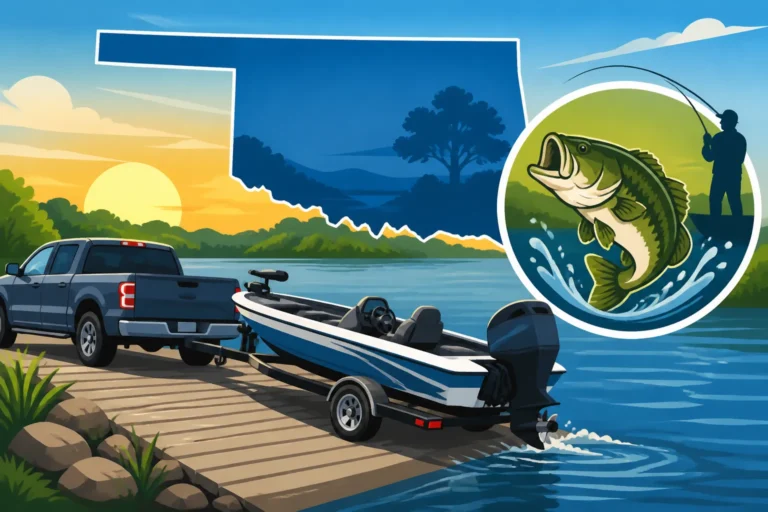
Tenkiller is well-equipped with numerous public and private boat ramps spread around the lake, making access relatively easy regardless of which section you plan to fish. Some of the most popular access points include Cookson Bend, Snake Creek, Burnt Cabin, Tenkiller State Park, and Strayhorn Landing. Each of these typically offers multiple ramps, ample parking, and often facilities like restrooms and courtesy docks.
Marinas like Tenkiller State Park Marina, Burnt Cabin Marina, and Cookson Bend Marina offer services such as fuel, boat rentals, and fishing supplies, which can be incredibly convenient for extended trips. When launching, especially during peak season, remember basic boat ramp etiquette at busy Oklahoma lakes to ensure a smooth experience for everyone. Always have your boat prepared before backing down the ramp, and move quickly once launched or retrieved.
Safety Regulations and Equipment
Boating safety on Tenkiller is paramount. The lake can become quite choppy on windy days, especially on the main lake, so always check the weather forecast before heading out. Oklahoma has specific Oklahoma Boat Safety Equipment Checklist requirements, including life jackets, throwable devices, and fire extinguishers, which you must adhere to. Children 12 and under are required to wear a life jacket when on board any vessel, and all boats must have a Coast Guard-approved life jacket for every person on board.
Even if you're an experienced boater, it's wise to review the state's boating regulations, particularly regarding speed limits in certain zones, navigation lights, and proper signaling. Given the clear water, be mindful of divers who often frequent Tenkiller's depths. Always operate your vessel responsibly and be considerate of other anglers and recreational users enjoying the lake.
Navigating the Lake Safely
While Tenkiller's clear water is a blessing for anglers in many ways, it can also present challenges for navigation. Submerged timber, rock piles, and sudden depth changes are common, especially in creek arms and near points. A reliable GPS unit with detailed lake mapping is essential to identify safe channels and avoid hazards. Always pay attention to buoy markers, which indicate navigation channels and hazard zones.
If you're new to the lake, consider consulting local bait shops or checking out online resources for up-to-date information on water levels and any temporary hazards. Taking a guided trip, especially on your first visit, can be an excellent way to learn the lake's layout and best fishing spots directly from an expert. Platforms like FishingBooker can help you connect with experienced local guides who know Tenkiller intimately, offering invaluable insights into safe navigation and productive fishing strategies.
Planning Your Tenkiller Fishing Trip
A successful fishing trip to Tenkiller Ferry Lake isn't just about showing up with a rod and reel; it's about thoughtful planning. From licenses to lodging, a little preparation goes a long way in ensuring a memorable and productive experience.
Obtaining Your Oklahoma Fishing License
Before you even think about casting a line, you absolutely need to ensure you have a valid Oklahoma fishing license. This is non-negotiable, and game wardens do patrol Tenkiller regularly. You can easily purchase your license online through the Oklahoma Department of Wildlife Conservation (ODWC) website, or visit a local license vendor like a sporting goods store or bait shop.
Make sure you understand the different types of licenses available, whether you're a resident or non-resident, and if you need any special permits, such as a trout stamp if you plan to fish in designated trout waters nearby. For full details, you can refer to resources like How to Get a a Fishing License in Oklahoma or Fishing License Requirements in Oklahoma. It’s a small step that prevents a large headache!
Local Accommodations and Amenities
Tenkiller Ferry Lake is a popular tourist destination, offering a wide range of accommodations to suit every preference and budget. You'll find numerous lakeside cabins, vacation rentals, and resorts scattered around the lake, particularly in areas like Cookson, Park Hill, and Gore. These often provide convenient access to boat ramps and fishing spots.
For those who prefer camping, Tenkiller State Park, Cherokees Landing, and many other Corps of Engineers parks offer developed campsites with amenities. Nearby towns like Gore and Tahlequah also offer hotels and motels, along with restaurants, grocery stores, and bait shops where you can stock up on essentials. Before your trip, it's always a good idea to book accommodations in advance, especially during peak season or holidays, as they tend to fill up quickly.
Connecting with Local Expertise
Even with all the research in the world, nothing beats local knowledge. Striking up conversations at the bait shop, boat ramps, or local diners can often provide invaluable, real-time insights into what the fish are doing. Anglers are often a friendly bunch, and a little polite conversation can lead to tips on hot spots, productive baits, or current conditions.
Consider hiring a local fishing guide, especially if it's your first time on Tenkiller or if you're targeting a specific species. Guides spend countless hours on the water and can quickly put you on fish, teach you effective techniques for the lake, and even introduce you to hidden gems. As mentioned, platforms like FishingBooker are fantastic for finding experienced Tenkiller guides who specialize in bass, crappie, or catfish, allowing you to maximize your time on the water and learn from the best. This kind of investment can elevate your fishing skills for years to come.
Disclaimer
The information provided in this guide is for general informational purposes only and is subject to change. Always consult the official Oklahoma Department of Wildlife Conservation (ODWC) regulations and local authorities for the most current rules, licensing requirements, and safety guidelines before engaging in any fishing or boating activities on Tenkiller Ferry Lake. Fishing conditions, fish populations, and access points can vary.