Oklahoma Bass Fishing: Techniques by Season
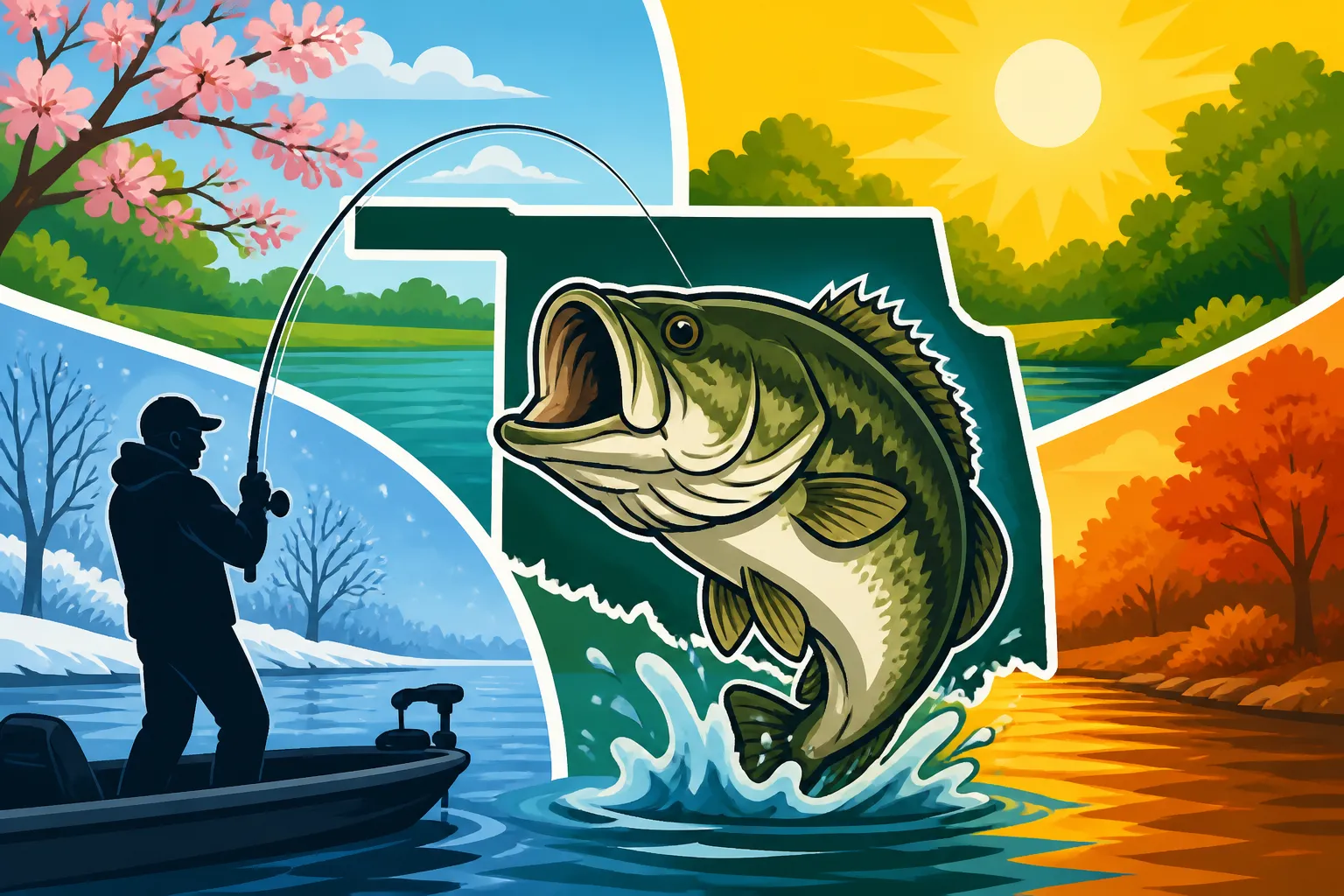
If you've ever found yourself staring out at an Oklahoma lake, wondering why the bass were biting yesterday but not today, you're not alone. It's a common frustration for anglers, feeling like you're missing some secret trick. The truth is, bass behavior is largely dictated by the changing seasons, and what works like magic in spring will likely fall flat in the dead of summer or the chill of winter. This comprehensive guide will walk you through the seasonal shifts in Oklahoma bass fishing, equipping you with the techniques, baits, and knowledge to adapt and succeed no matter what time of year you hit the water.
Understanding Oklahoma's Beloved Bass Species
Before we dive deep into the seasonal strategies, it's crucial to understand the main players we're talking about here. Oklahoma is home to three primary black bass species that anglers target: largemouth, smallmouth, and spotted bass. While their habits can overlap, knowing their preferences will help you fine-tune your approach. Each of these species has unique characteristics that influence where and how you might find them.
Largemouth Bass: The Green Dream
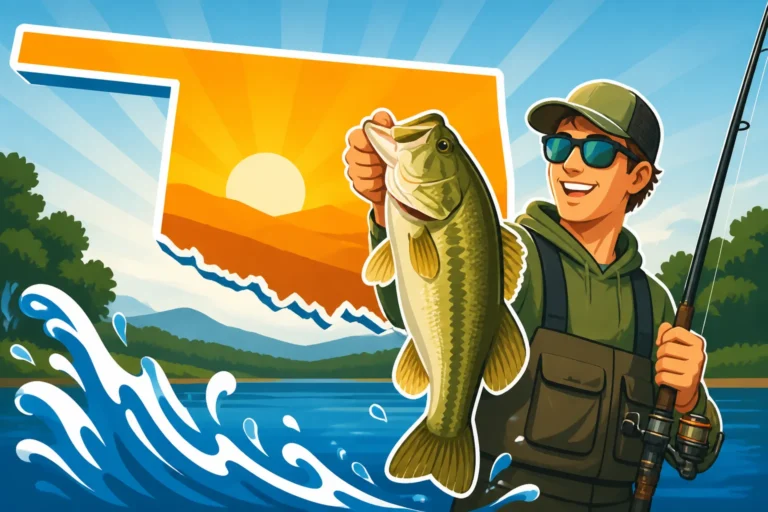
The largemouth bass is arguably the king of Oklahoma fishing. These opportunistic predators are known for their aggressive strikes and are found in almost every lake, pond, and river system across the state. They thrive in warmer, often stained waters with plenty of cover like submerged timber, lily pads, and thick grass beds. When you think of classic bass fishing, you're almost certainly thinking of the largemouth. They're often found hiding, waiting to ambush unsuspecting prey. If you're looking for a comprehensive overview of this popular fish, check out our guide on Largemouth Bass Fishing in Oklahoma: The Complete Guide.
You'll typically find largemouth bass associated with structure. This could be anything from a brush pile dropped by a thoughtful angler to a natural creek channel bend. They love areas where they can hide and dart out. Their diet is incredibly varied, consuming everything from baitfish and crawfish to frogs and even small birds or rodents that fall into the water. This wide diet means a variety of lures can be effective, making them a fun target for anglers who like to experiment.
Smallmouth Bass: The Brown Bomber
While not as widespread as largemouth, smallmouth bass offer a thrilling fight, known for their acrobatic jumps and relentless tugs. These feisty fish prefer cooler, clearer water and rocky habitats – think bluff walls, gravel points, and current-swept areas, especially in places like Tenkiller Lake or the Illinois River. They're less common in the shallow, murky impoundments that largemouth dominate. If you’re heading to these specific environments, our guide on Smallmouth Bass in Oklahoma: What Anglers Should Know can provide more targeted advice.
Smallmouth bass are often found schooling, particularly around deeper structure. They're less ambush predators and more open-water hunters, chasing down baitfish. Their diet leans heavily towards crawfish and minnows, which influences the types of lures that tend to be most effective. Targeting smallmouth often means downsizing your baits and using lighter line compared to largemouth, as they can be a bit more finicky.
Spotted Bass: The Feisty Hybrid
Often mistaken for smallmouth due to their similar appearance and preference for rocky areas, spotted bass are another exciting species in Oklahoma. They share traits with both largemouth and smallmouth, often occupying intermediate habitats – deeper than largemouth but sometimes warmer and less current-dependent than smallmouth. Lakes like Grand Lake O' the Cherokees or Lake Eufaula hold healthy populations of spotted bass, providing a consistent bite even when other species are sluggish. For a deeper dive into this species, explore our Spotted Bass Fishing in Oklahoma: A Complete Guide.
Spotted bass are known for their aggressive nature and tendency to school. They're often found around rocky points, ledges, and humps in deeper water. They love to feed on baitfish, making fast-moving lures and finesse techniques equally effective. What's particularly great about spotted bass is their willingness to bite even in tough conditions, making them a reliable target for anglers seeking consistent action throughout the year.
Spring Bass Fishing: The Pre-Spawn Frenzy
Ah, spring! This is arguably the most exciting time for bass anglers in Oklahoma. As the water temperatures begin to climb, bass shake off their winter lethargy and embark on a mission to feed heavily and reproduce. This period can be broken down into three distinct phases: pre-spawn, spawn, and post-spawn, each requiring a slightly different approach. Understanding how water temperature affects bass spawning in Oklahoma is crucial for success during this period.
Pre-Spawn: Bulking Up for the Big Event
The pre-spawn phase is when bass really start to move shallow and feed aggressively. This usually kicks off when water temperatures climb into the mid-40s and continues until they reach the mid-50s (Fahrenheit). Bass are moving from their deeper wintering grounds towards spawning coves and flats, staging in transition areas. They are hungry and looking to pack on calories before the exhausting spawning ritual.
During pre-spawn, you'll want to focus on main lake points, secondary points, and creek channel swings that lead into spawning flats. Bass will congregate in these areas, often staging in slightly deeper water (8-15 feet) before making their final move shallow. Lures that mimic large baitfish or crawfish are highly effective. Think lipless crankbaits (like a classic Rat-L-Trap), jerkbaits, or spinnerbaits. These baits allow you to cover water quickly and find active fish. A slow-rolled spinnerbait along a rocky point can be absolutely deadly. This is also a fantastic time for using jigs and soft plastic creature baits, especially if you're targeting those bigger, staging fish. Getting your bait in front of these hungry bass is key. Our guide on Pre-Spawn Bass Fishing Techniques Explained offers even more strategies for this exciting time.
The Spawn: Bed Fishing and Protected Waters
Once water temperatures consistently hit the high 50s and low 60s, bass begin to move onto their beds to spawn. This is a fascinating period where bass become highly visible, making them a prime target for "bed fishing." They're guarding their nests in shallow, protected areas like coves, pockets, and along gradual sloping banks. While they may not be actively feeding, they will strike at anything they perceive as a threat to their eggs. For detailed insights into timing, refer to Spring Bass Spawn Timing in Oklahoma.
Bed fishing can be incredibly rewarding, but it requires patience and a keen eye. Look for light-colored circular depressions on the bottom, usually in 1-5 feet of water. Once you spot a bass on a bed, repeatedly cast small, subtle baits like creature baits, tubes, or finesse worms right into the nest. The goal isn't necessarily to make the fish eat, but to annoy it into striking out of aggression. Colors like white or chartreuse can make your bait more visible to the fish as it cleans the bed. Remember, during this time, it's particularly important to be aware of Oklahoma's Bass Fishing Rules and Limits, as some lakes may have specific regulations to protect spawning fish.
Post-Spawn: The Recovery Period
After the rigors of spawning, bass enter a post-spawn recovery phase. Both male and female bass are exhausted and often don't feed aggressively for a short period. This can be one of the trickiest times to catch bass, as they scatter from the spawning areas and are somewhat lethargic. Water temperatures will be in the mid-60s to low 70s during this phase.
During post-spawn, bass will often move to nearby secondary points, brush piles, or deeper weed lines to recuperate. They're still relatively shallow but usually a bit deeper than during the spawn itself. You'll want to employ a mix of reaction baits and slower, more subtle presentations. Topwater baits can work well during low-light conditions as bass regain their energy and look for an easy meal. Soft plastics, especially weightless worms or flukes, can also entice sluggish fish. Look for shaded areas or transition lines where shallow water meets deeper drop-offs. Our article on Post-Spawn Bass Fishing Techniques Explained provides more comprehensive advice for navigating this challenging but rewarding period. Often, a finesse approach with lighter line and smaller baits can make all the difference, as these fish are less inclined to chase.
Summer Bass Fishing: Deep Dives and Night Bites
As Oklahoma summer temperatures soar and the sun beats down, bass behavior changes dramatically. They move from the shallow spawning grounds to deeper, cooler, and more oxygenated waters. This doesn't mean fishing shuts down – quite the opposite! It just means adapting your techniques to where the fish are now.
Deep Water Dominance
When the mercury rises and the water heats up, largemouth and spotted bass, in particular, will seek refuge in deeper water. This typically means depths of 15-30 feet, often relating to submerged ledges, humps, creek channels, and brush piles. Smallmouth bass, already preferring cooler waters, will often go even deeper. Fish finders become invaluable tools to locate these deep-water structures and the fish holding to them.
Effective techniques for deep water include Texas-rigged or Carolina-rigged worms, deep-diving crankbaits, and football jigs. For a detailed guide on specific setups, check out How to Fish a Texas Rig for Bass. These baits allow you to get down to where the fish are and present a tempting meal. Remember that bass in deep water are often schooling, so if you catch one, there are likely more nearby. Pay attention to your electronics, as they can show you schools of baitfish, which are a sure sign that predatory bass won't be far off. Using heavier line and a powerful rod to haul fish out of deeper cover is often necessary.
Topwater Excitement (Early Morning & Late Evening)
Despite the deep-water trend, summer also offers some of the most exhilarating topwater action, especially during low-light conditions. Early mornings, late evenings, and overcast days provide windows of opportunity for bass to come up and feed on the surface. They're taking advantage of cooler surface temperatures and less direct sunlight.
Poppers, walk-the-dog style baits (like a Heddon Super Spook), and buzzbaits can provoke explosive strikes that will get your heart pounding. Focus on shaded areas, docks, overhanging trees, and the edges of grass lines where bass might be hiding. The key is to be out on the water right at dawn or just before dusk, when the sun is low on the horizon. The topwater bite might be short, but it's often incredibly intense and memorable. The violent splashes and quick bursts of energy from a topwater strike are what many anglers live for. For these conditions, Best Bass Lures for Summer Fishing has some excellent recommendations.
Night Fishing: A Cool Alternative
As daytime temperatures become unbearable, many Oklahoma anglers turn to night fishing for bass. Bass are cold-blooded, and the cooler night air and water temperatures can re-energize them, bringing them back into shallower water to feed. This is especially true for largemouth bass, which will often cruise flats and coves under the cover of darkness.
Techniques for night fishing often involve slow-moving baits that create a strong profile or vibration. Large bladed spinnerbaits, dark-colored jigs with bulky trailers, and even large worms fished slowly along the bottom are popular choices. Topwater baits like Jitterbugs or large buzzbaits that make a lot of noise can also be incredibly effective, as bass rely heavily on sound and vibration in the dark. Safety is paramount when fishing at night, so make sure you have proper lighting, know your surroundings, and ideally, fish with a buddy. Remember, those fish that were holding deep during the day will often venture into the shallows under the cover of night, providing a fantastic opportunity for a different kind of bite.
Fall Bass Fishing: The Feeding Frenzy Before Winter
After the dog days of summer, fall brings a welcome change to Oklahoma bass fishing. As water temperatures begin to drop from the high 70s into the 60s and 50s, bass sense the approaching winter and embark on a major feeding spree. This is a fantastic time to be on the water, as bass become incredibly active and aggressive.
Following the Baitfish
The primary driver of fall bass behavior is baitfish. As water temperatures cool, shad and other forage species move out of the deep summer haunts and begin to school up in shallow to mid-depth areas, often relating to main lake points, coves, and creek channels. Where the baitfish go, the bass will follow, looking to gorge themselves before winter sets in.
Your strategy for fall should revolve around finding these baitfish schools. Look for active feeding on the surface (gulls diving or fish busting), or use your electronics to spot schools of shad. Once you find the bait, you're likely to find the bass. Crankbaits, especially those mimicking shad colors, spinnerbaits, and swimbaits are incredibly effective for covering water and triggering strikes from aggressive fish. Lipless crankbaits can be particularly deadly when cast into and ripped through schools of shad. Often, the bass will be actively chasing and herding baitfish, making them less picky about your presentation. The bite can be fast and furious, especially on overcast days. Best Bass Lures for Fall Fishing has more excellent suggestions for your tackle box.
The Turnover and Transition
One crucial aspect of fall fishing is the "fall turnover." As surface waters cool, they become denser and sink, mixing with the deeper, warmer, and often deoxygenated water below. This can temporarily disorient fish and make them harder to locate. It usually happens when surface temperatures reach the low 60s. After the turnover, which typically lasts a few days to a week, the water column becomes more uniform, and fish can be found throughout, often returning to predictable patterns.
During and immediately after turnover, focus on transition areas – the edges of channels, points, and humps where bass might be moving. The bite can be tougher during the actual turnover, but once it stabilizes, bass often return to their aggressive feeding. Don't be afraid to slow down your presentation during this tricky period, using jigs or worms if reaction baits aren't getting bites. Once the water column is stable again, the chase is on, and you can expect some of the best fishing of the year.
Winter Bass Fishing: Slow and Steady Wins the Race
When the cold winds blow and water temperatures dip into the 40s and low 50s, many anglers hang up their rods. But dedicated Oklahoma bass anglers know that winter can offer some truly exceptional fishing, especially for big fish. It just requires a shift in mindset and technique. Patience is key when bass are lethargic.
Deep, Slow, and Finesse
In winter, bass metabolism slows down significantly. They become sluggish and conserve energy, typically retreating to the deepest, most stable water they can find. This means main lake points, deep creek channels, bluff walls, and deep brush piles where water temperatures are slightly warmer and more consistent. They're not going to chase a fast-moving bait very far.
This is the season for finesse techniques and slow presentations. Drop shots, shaky heads, small jigs, and spoons are your best friends. These baits can be presented precisely and kept in the strike zone for extended periods. The bites will often be incredibly subtle – a slight tick, a spongy feeling, or simply the line moving sideways. You need sensitive gear to detect these light strikes. Vertically jigging spoons or blade baits over deep schools of baitfish can also be highly effective. Remember, one meal is a big commitment for a cold bass, so make your offering as enticing and easy to eat as possible.
Targeting Winter Shad Kills
A unique and often highly productive winter phenomenon is the "shad kill." If water temperatures drop rapidly, especially into the low 40s or below, gizzard shad and threadfin shad can become stunned or die due to the cold. When this happens, bass, knowing an easy meal when they see one, will gorge on the dying shad. These events are gold mines for winter anglers.
Look for dying shad floating on the surface or being picked at by birds. Bass will often position themselves below these dying baitfish, waiting for an easy meal. Small crankbaits, jerkbaits, or even swimbaits that mimic a dying shad can be incredibly effective. The key is to find the areas where these shad kills are occurring, which can often be in major creek arms or sheltered coves where the cold water has trapped the baitfish. This can be one of the few times in winter where bass will actively chase a bait, making it an exciting opportunity.
Essential Gear and Tackle for Seasonal Bass Fishing
Having the right tools for the job can make all the difference, especially when you're adapting to seasonal changes. Your rod, reel, line, and choice of lures all play a critical role in your success. Investing in quality gear, much of which you can find on Amazon, will pay dividends.
Rods and Reels: The Foundation of Your Arsenal
You'll need a versatile setup that can handle different techniques. For general Oklahoma bass fishing, a medium-heavy power casting rod, around 7 feet long, with a fast action tip is a fantastic all-around choice. This rod can handle Texas rigs, spinnerbaits, and even medium-diving crankbaits. Pair it with a baitcasting reel that has a smooth drag and a gear ratio around 7.1:1 for versatility. For finesse presentations, especially in winter or post-spawn, a medium-light spinning rod (6'6" to 7'2") with a fast action and a smaller spinning reel is essential. This setup allows for lighter lines and more subtle bait presentations. If you're looking to upgrade, consider Best Rod for Largemouth Bass Fishing as a starting point.
For specific techniques, you might add more specialized gear. A longer, heavier power casting rod (7'3" to 7'6") is great for pitching and flipping into heavy cover, or for slinging large swimbaits. A cranking rod with a moderate action is ideal for crankbaits, as it allows the fish to inhale the bait without pulling the hooks. Having a few different setups pre-rigged for various techniques saves valuable time on the water.
Line Choices: Matching the Conditions
Line selection is often overlooked but is incredibly important. For most power fishing applications (spinnerbaits, jigs, Texas rigs), 15-20 lb fluorocarbon or braided line with a fluorocarbon leader is excellent. Fluorocarbon is nearly invisible underwater and has low stretch, providing sensitivity. Braid offers incredible strength and sensitivity, but its visibility can be an issue in clear water, necessitating a leader. For topwater fishing, monofilament (12-17 lb) is often preferred due to its buoyancy, which helps keep the bait on the surface. For finesse techniques, lighter fluorocarbon (6-10 lb) or braided line with an even lighter fluorocarbon leader is key for sensitivity and a natural presentation.
Consider the water clarity you're fishing. In clearer lakes like Broken Bow Lake, fluorocarbon will be more crucial. In stained waters, you can get away with heavier, more visible lines. Always check your line for nicks and abrasions, especially after fishing around heavy cover, as this can lead to heartbreak when you hook a trophy bass.
Lures and Baits: The Angler's Palette
The world of bass lures is vast, but you don't need every single one. Focus on a core selection that covers different depths and presentations for each season.
| Season | Primary Lure Types | Common Baits/Sizes | Why They Work |
|---|---|---|---|
| Spring | Crankbaits, Jigs, Jerkbaits, Soft Plastics | Lipless crankbaits (1/2 oz), Jigs (3/8-1/2 oz), Jerkbaits (3-5"), Creature Baits | Mimic crawfish/baitfish, cover water, provoke reaction/aggression on beds. |
| Summer | Deep Crankbaits, Jigs, Worms, Topwater, Swimbaits | Deep divers (10-20 ft+), Football Jigs (1/2-3/4 oz), Texas/Carolina Rigs (7-10" worms), Poppers, Buzzbaits | Reach deep fish, entice strikes during low light, present a large profile. |
| Fall | Crankbaits, Spinnerbaits, Swimbait, Lipless Crankbaits | Medium-deep divers, Spinnerbaits (1/2-3/4 oz), Shad-imitating swimbaits, Lipless crankbaits (1/2-3/4 oz) | Imitate schooling baitfish, cover water quickly, trigger aggressive feeding. |
| Winter | Jigs, Spoons, Drop Shots, Blade Baits, Jerkbaits | Finesse Jigs (1/4-3/8 oz), Spoons (1/2-3/4 oz), Drop Shot worms (4-6"), Blade Baits (1/2-3/4 oz), Suspending Jerkbaits | Slow, subtle presentations for lethargic fish in deep water. |
Beyond these, having a selection of hooks (EWG, straight shank, wacky), weights (bullet, tungsten), and swivels is crucial. Keep your tackle organized and easily accessible. Many anglers swear by specific brands available on Amazon, citing their quality and effectiveness.
Reading the Water: Factors Influencing Seasonal Bass Behavior
Understanding the general seasonal patterns is a huge step, but truly successful bass fishing means being able to read the specific conditions on the water each day. Many environmental factors play a huge role in where bass will be and how they'll behave.
Water Temperature: The Master Key
Water temperature is the single most important factor influencing bass behavior. We've touched on it in each season, but it bears repeating: it dictates spawning, feeding, and depth preferences. Always have a thermometer on your boat or kayak, or pay attention to what your fish finder is telling you about surface and subsurface temperatures. Even a few degrees can make a world of difference. For example, our article on How Water Temperature Affects Bass Spawning in Oklahoma dives deeper into this critical topic.
A sudden cold front can drop water temperatures, pushing bass deeper and making them lethargic, even in spring. Conversely, a warm spell in late winter can trigger a short burst of pre-spawn activity. Monitoring temperature trends will help you predict fish movement and activity levels. If the water is rapidly warming, fish will be moving shallower. If it's cooling, they'll likely be retreating deeper.
Weather Patterns and Barometric Pressure
Beyond temperature, weather patterns and barometric pressure significantly impact bass. Stable, sunny weather with steady barometric pressure often means predictable fishing, but not always the most aggressive. Falling barometric pressure, typically associated with approaching storms or fronts, often triggers a feeding frenzy as bass sense the change and feed heavily before the weather turns foul. This is a prime time for reaction baits.
Conversely, a cold front (rising barometric pressure, clear skies, and dropping temperatures) usually shuts down the bite. Bass become lethargic and often move deep or into heavy cover. During these tough conditions, slow down, use finesse techniques, and focus on patience. Fishing after a heavy rain can also change water clarity and oxygen levels, which can either stimulate or hinder the bite depending on the severity and duration.
Water Clarity and Current
The clarity of the water also influences lure choice and presentation. In clear water, bass rely heavily on sight, making natural colors, fluorocarbon line, and more subtle presentations effective. In stained or muddy water, bass rely more on their lateral line to detect vibrations, so loud, rattling lures, spinnerbaits, and bright colors (like chartreuse or junebug) tend to work better.
Current, whether from a river, dam generation, or even strong wind, also plays a role. Bass are ambush predators and will often position themselves out of the main current, waiting for baitfish to be swept by. Focus on current breaks – eddies, points, or submerged structure downstream from the main flow. Even subtle current can position bass predictably and make them more active feeders.
Advanced Tips for Consistent Bass Success
Mastering seasonal techniques is fantastic, but to really elevate your game and achieve consistent success, there are a few extra tips and tricks that can make a big difference. These are the things that separate a good day from an exceptional one.
The Importance of Scouting and Observation
You can't catch fish if you don't know where they are. Modern electronics, available on sites like Amazon, have revolutionized scouting. Use your fish finder to locate baitfish, brush piles, ledges, and creek channels. Waypoint everything. Don't just motor around; actively look for signs of life. Birds diving, baitfish flicking on the surface, or even turtles sunning themselves can indicate a productive area.
Before you even make a cast, take a few minutes to observe. What's the wind doing? Is there current? What's the water clarity? Are there any visible signs of bass or baitfish activity? These observations can inform your initial lure and location choices, rather than blindly casting.
Adapting on the Fly: Don't Be Afraid to Change
One of the biggest mistakes anglers make is sticking with a technique or lure that isn't working, simply because it "should" be working. If you've tried a particular presentation for 20-30 minutes in a prime area and haven't had a bite, change something! Change your lure color, change your retrieve speed, change your depth, or change locations entirely.
Bass behavior can shift rapidly, sometimes within the same hour. The fish might have been hitting crankbaits earlier, but now they've moved deeper and are only responding to a slow-fished jig. Be flexible, pay attention to the subtle clues the fish are giving you, and be willing to experiment. The most successful anglers are those who can quickly adapt to the conditions at hand.
Understanding Oklahoma's Specific Regulations
Finally, a truly successful angler is a responsible and legal one. Oklahoma has specific fishing regulations that can vary by species, size, and even specific lakes. For instance, knowing Statewide Bass Bag Limits in Oklahoma or even specific size and creel limits for certain lakes is paramount. Our article on How Many Bass You Can Keep in Oklahoma offers a general overview.
Always check the current Oklahoma Fishing Regulations guide before you head out, especially if you're visiting a new lake or targeting a species you don't typically fish for. These regulations are in place to ensure healthy fish populations for future generations of anglers. Violating these rules, even unintentionally, can lead to fines and legal trouble, detracting significantly from your fishing experience. The Oklahoma Department of Wildlife Conservation (ODWC) website is always your best source for the most up-to-date information.
Disclaimer
Please remember that fishing conditions can change rapidly based on weather, water levels, and fish behavior. Always prioritize safety on the water and consult the official Oklahoma Department of Wildlife Conservation (ODWC) regulations for the most current and accurate information regarding licenses, bag limits, and specific water body rules. This guide is for informational purposes only and should not replace official guidance.