Skiatook Lake Fishing Guide
Heading out to a new lake can feel like stepping into the unknown, especially when you're hoping for a great day on the water. Many anglers struggle to pinpoint the best spots or tactics without local intel, wasting precious fishing time. This comprehensive guide is here to cut through the guesswork, offering you an in-depth look at Skiatook Lake, Oklahoma, so you can plan your next fishing adventure with confidence and reel in some fantastic catches.
Getting to Know Skiatook Lake
Skiatook Lake, nestled northwest of Tulsa, is truly one of Oklahoma’s gems for anglers and outdoor enthusiasts alike. Created in 1986 by the U.S. Army Corps of Engineers, this deep, clear reservoir spans over 10,500 acres with more than 160 miles of shoreline, offering diverse habitats that appeal to a wide array of fish species. Its distinct characteristics, from towering bluffs to numerous coves and submerged timber, make it a fascinating and sometimes challenging body of water to fish.
Lake Overview and Unique Features
What sets Skiatook Lake apart is its incredibly clear water and deep, rocky structure. Unlike some of the muddier, shallower impoundments in Oklahoma, Skiatook boasts excellent water clarity, which can be both a blessing and a challenge for anglers. The lake bed is a mix of rock formations, ledges, submerged brush, and standing timber in its upper reaches, providing ample cover and ambush points for predatory fish. The deep, clear water often means fish relate to structure and depth, especially during warmer months or bright sunny days, making sonar and understanding contour lines invaluable tools. It's a lake that rewards patience and a keen eye for detail.
The lake's irregular shape, with its numerous fingers and arms, creates countless hidden coves and points that can hold fish. While the main lake can get quite busy with pleasure boaters, especially on weekends, you can often find quiet pockets by exploring these tributaries. Remember, these unique features contribute to the lake's ecological health and productive fisheries, but they also demand a thoughtful approach to your fishing strategy.
Accessibility and Amenities
One of the great things about Skiatook Lake is its accessibility. There are several well-maintained public parks and boat ramps managed by the Army Corps of Engineers and local municipalities, making it easy to launch your boat or find a good spot for bank fishing. Popular access points include Blackdog Park, Tall Chief Cove, and CrossTimbers Marina, each offering amenities like boat ramps, picnic areas, and restrooms. Some even have campgrounds for those looking to extend their stay.
For anglers without their own boat, many of these parks offer excellent bank fishing opportunities, especially around docks, rip-rap, and accessible shorelines. Several marinas around the lake provide fuel, bait, tackle, and sometimes even boat rentals, ensuring you have everything you need for your trip. If you're coming from out of state, or even just from another part of Oklahoma, these facilities make planning your trip much easier. You might even find local guides through services like FishingBooker who know the ins and outs of these amenities and can help streamline your day on the water.
Top Fish Species to Target at Skiatook Lake
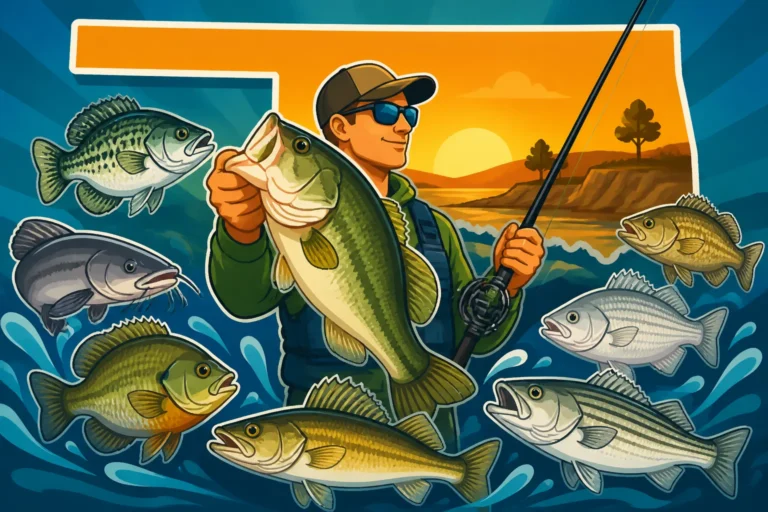
Skiatook Lake is a multi-species angler's paradise, offering fantastic opportunities for various popular game fish. While some lakes might specialize in one or two species, Skiatook truly delivers on several fronts, making it an exciting destination no matter what you're hoping to catch. Knowing what thrives in these waters is the first step to a successful outing.
Largemouth Bass: A Year-Round Favorite
Largemouth bass are undeniably the stars of Skiatook Lake, drawing anglers from all over the region. The lake's clear water, abundant rocky structure, and standing timber create ideal habitats for these hard-fighting fish. You'll find them relating to submerged brush piles, deep ledges, rocky points, and bluffs. The average size of a Skiatook largemouth is impressive, and trophy-sized fish are caught regularly, making it a bucket-list lake for many bass enthusiasts. If you're keen on chasing these green giants, understanding their seasonal movements is key.
During the spring, pre-spawn bass move into shallower coves and flats, often congregating around warming banks and visible cover. Post-spawn, they might disperse a bit before settling into deeper summer patterns, often suspending over structure or hunkering down on ledges. In the fall, they become highly active, feeding aggressively as water temperatures drop, often chasing baitfish in open water or along prominent points. For a detailed look at how to approach these fish, check out our guide on Largemouth Bass Fishing in Oklahoma: The Complete Guide.
Crappie: Abundant and Delicious
For those who love a good crappie fry, Skiatook Lake is an excellent choice. Both black and white crappie call this lake home, and their populations are robust. The clear water here can make crappie fishing a bit different than in muddier lakes; often, they'll hold tighter to cover or suspend at specific depths. Submerged timber, brush piles, and the shaded areas around docks are prime crappie real estate. Many anglers will sink their own brush piles or seek out naturally occurring standing timber to find these schooling fish.
Crappie here can grow to a respectable size, providing plenty of table fare. The key to consistent success is often finding the right depth and presenting your bait or jig enticingly. Just like bass, crappie movements are seasonal, with spring being a highly productive time as they move to shallow cover for spawning. Don't forget to check the specific Crappie Fishing Rules and Limits in Oklahoma for Skiatook, as some lakes have unique regulations. Later in the year, as the weather cools, they'll often retreat to deeper brush and structure, making vertical jigging or slow trolling effective.
Catfish: The Nighttime Giants
If you're after some serious tug-of-war, Skiatook Lake's catfish population won't disappoint. Channel catfish, blue catfish, and even some flatheads are present, with blue catfish being the most sought-after by trophy hunters. The lake's deep channels and abundant baitfish provide an ideal environment for these whiskered giants to grow to impressive sizes. Night fishing for catfish is particularly popular and productive, especially during the warmer months when they become more active in the shallower flats and creek channels.
Anglers often target catfish using traditional bottom-fishing techniques with a variety of baits, from cut shad and other prepared stinks baits for blues and channels, to live bait for flatheads. The deeper parts of the lake, especially along river channels and main lake points, are excellent starting points for blue catfish. For a more comprehensive look at chasing these big fish, our guide on Catfish Fishing Techniques for Oklahoma Anglers offers some invaluable tips. Remember, setting up trotlines or juglines can also be highly effective, but be sure to understand all relevant regulations beforehand.
Prime Fishing Spots and Structure
Understanding where fish are likely to be found is half the battle, and at Skiatook Lake, this largely comes down to knowing its unique structure. The lake's clear water means fish often hold tight to cover or depth changes, making detailed mapping and a good fish finder indispensable. However, even without advanced electronics, knowing the general hot spots can greatly increase your chances of success.
Best Bank Fishing Locations
For those who prefer to keep their feet on solid ground, Skiatook Lake offers several excellent bank fishing opportunities. Many of the public parks and recreation areas provide easy access to the shoreline. Areas around Tall Chief Cove and Blackdog Park are popular choices, often featuring rip-rap shorelines, small coves, and designated fishing piers. These spots can be particularly productive for crappie and channel catfish, especially in the evenings or early mornings.
When bank fishing, look for areas where the shoreline drops off quickly into deeper water, or where there's visible cover like submerged brush or rocky outcrops. These features provide fish with ambush points and thermal refuge. Casting parallel to the bank can sometimes keep your bait in the strike zone longer. Don't underestimate smaller, less-frequented coves, especially if they have some shade or structure. For more general advice, you can always check out our tips on Best Bank Fishing Spots in Oklahoma.
Hot Spots for Boat Anglers
Boat anglers truly unlock the full potential of Skiatook Lake. The sheer amount of accessible water, deep channels, and submerged structure makes boating almost essential for serious fishing. Prime locations include the main lake points that extend into deep water, the numerous coves and their entrances, and especially the areas with standing timber in the upper reaches of the lake. The bluffs along the main lake can also be excellent, as fish will often suspend along these vertical walls.
Some of the most consistent hot spots include the area around Hominy Creek arm and the multitude of points and coves found in the southern half of the lake. These areas feature a mix of rocky banks, deep water access, and often submerged brush or timber. Utilizing a depth finder to locate ledges, humps, and brush piles will be your biggest advantage here. Whether you're targeting bass, crappie, or catfish, these deeper, structured areas are where the action often is. You can also consult services like FishingBooker to connect with local guides who specialize in finding these hot spots.
Understanding Lake Structure and Cover
Skiatook Lake is a structure fisherman's dream (or sometimes, a nightmare, if you're prone to snags!). The dominant structure here is rock – from massive bluffs and ledges to scattered chunk rock and rip-rap. These rocky features hold heat, attract baitfish, and provide excellent cover for game fish. In addition to rock, there's a good amount of standing timber, particularly in the upper river arms and some of the deeper coves. These submerged trees are magnets for crappie and bass, but they will eat your lures, so fish them carefully.
Understanding how fish relate to this structure throughout the year is crucial. In colder months, fish often seek the deeper, stable temperatures found along ledges and river channels. As temperatures warm, they move shallower for spawning, then retreat to deeper structure or suspended schools during the brutal summer heat. Clear water fish are often very structure-oriented, using cover to ambush prey and shield themselves from light. Learn to read your sonar for subtle changes in depth, brush piles, and baitfish schools, and you'll dramatically improve your success rate.
Essential Techniques and Seasonal Strategies
Fishing Skiatook Lake effectively requires adapting your techniques to the season and the specific conditions of this clear, deep reservoir. What works in spring won't necessarily be successful in summer, and a good angler understands how to pivot their approach. Having a versatile tackle box and a willingness to experiment are your best assets here.
Spring and Summer Tactics
Spring at Skiatook Lake is prime time for many species. As water temperatures begin to rise, both bass and crappie move into shallower coves and flats to spawn. For bass, try spinnerbaits, jerkbaits, and soft plastics like Texas-rigged worms or jigs pitched to visible cover. Topwater lures can also be fantastic during early morning or late evening hours. Crappie will be found in shallow brush piles, around docks, or near standing timber, readily biting on small jigs (1/16 to 1/8 oz) tipped with a minnow or soft plastic. This is an excellent time for tightlining or slow trolling.
Summer fishing often means hotter weather and brighter sun, pushing fish deeper or making them more active during low-light periods. For bass, focus on deep ledges, brush piles, and bluffs using crankbaits, deep-diving jerkbaits, and shaky head jigs. Night fishing can be incredibly productive for both bass and catfish. Catfish will be active in creek channels and main lake points; bottom fishing with cut bait or stink bait is highly effective. You might also find crappie suspended over deep brush piles or submerged timber, requiring vertical jigging or spider rigging with electronics to locate them. Learn more about Summer Night Fishing Techniques in Oklahoma to maximize your warm-weather success.
Fall and Winter Approaches
As autumn colors begin to show, Skiatook Lake comes alive with aggressive feeding activity. Fish are bulking up for winter, often chasing baitfish in open water or along main lake points. For bass, crankbaits, topwaters, and jerkbaits mimicking shad can be deadly. Look for schooling activity near the surface. Crappie will often move to transitional depths, congregating around brush piles and vertical structure. Small jigs, minnows, and spoons can work well.
Winter fishing at Skiatook can be challenging but highly rewarding for those willing to brave the cold. Fish typically move to their deepest winter haunts, often suspending in deep water over structure or hunkering down on main lake ledges. Sonar is crucial for finding these fish. Jigging spoons, blade baits, and slow-moving jigs are excellent choices for bass. Crappie can be found in deep brush piles or submerged timber, often requiring very subtle presentations with tiny jigs or minnows. Catfish will also be deeper, but can still be caught with cut bait presented on the bottom. Our guide on Oklahoma Fishing Seasons: A Month-by-Month Guide provides more insights into year-round strategies.
Bait and Lure Recommendations
Given Skiatook's clear water, presentation and color choice can be critical. Natural baitfish colors like shad, perch, or bluegill patterns are generally excellent for bass and crappie. For bass, consider:
- Soft plastics: Wacky-rigged worms (green pumpkin, black/blue), Texas-rigged creature baits, shaky head worms.
- Hard baits: Deep-diving crankbaits, jerkbaits, lipless crankbaits, spinnerbaits (white, chartreuse).
- Jigs: Football jigs, swim jigs (black/blue, green pumpkin).
For crappie, always have a good supply of small jigs (1/16 to 1/8 oz) in white, chartreuse, black, or blue, often tipped with a minnow. Live minnows are consistently effective. For catfish, fresh cut bait (shad or carp), shrimp, chicken liver, and commercial stink baits are popular choices. Remember, sometimes the simplest bait is the best bait, especially when fishing for panfish or bottom feeders. When in doubt, a local tackle shop near Skiatook Lake can offer up-to-the-minute advice on what's biting.
Navigating Regulations and Licensing
Before you even think about casting a line, it's absolutely vital to be familiar with Oklahoma's fishing regulations. These rules are in place to protect our fisheries and ensure sustainable angling for generations to come. Ignoring them can lead to hefty fines, so taking a few minutes to understand the legalities is a non-negotiable part of any fishing trip.
Understanding Statewide Limits
While Skiatook Lake generally follows statewide regulations, it's always a good practice to double-check for any specific lake-specific rules, especially regarding size and bag limits for certain species. For most species, Oklahoma has a daily bag limit and a possession limit, meaning you can only keep so many fish per day, and only possess a certain number at your home or campsite. For instance, the statewide bass limit is usually six fish, with only one over 16 inches. Crappie often have a generous bag limit, but it's important to confirm this for Skiatook.
Catfish also have specific rules, particularly for blue catfish, which often include a slot limit where only one fish over a certain size can be kept. These regulations are designed to maintain healthy fish populations and promote trophy fisheries. Always carry a copy of the current Oklahoma Fishing Guide, either digitally on your phone or a physical copy, so you can reference it on the water. You can find comprehensive details in our articles like Oklahoma's Bass Fishing Rules and Limits, Crappie Fishing Rules and Limits in Oklahoma, and Oklahoma's Catfish Fishing Rules and Limits.
Obtaining Your Oklahoma Fishing License
Every angler aged 16 and older needs a valid Oklahoma fishing license, unless they are exempt (e.g., during free fishing days or certain landowner exemptions). This applies to both residents and nonresidents. You can purchase a license easily online through the Oklahoma Department of Wildlife Conservation (ODWC) website, or from numerous vendors across the state, including sporting goods stores like Academy Sports + Outdoors or Walmart. Don't wait until the last minute – it's best to get your license before you head to the lake.
There are various types of licenses available, from annual resident and nonresident options to short-term licenses perfect for a quick trip. If you're planning multiple trips throughout the year, an annual license often offers the best value. Children typically don't need a license, but it's always wise to confirm the exact age cutoff. For all the details on how to get your license, including costs and types, refer to our helpful guides: How to Get a Fishing License in Oklahoma and Oklahoma Fishing License Costs and Types. Remember, a game warden can and will ask to see your license, so always have it readily available.
Safety on the Water
Beyond licenses and bag limits, personal safety on the water is paramount. Skiatook Lake is a large body of water, and conditions can change quickly, especially with strong winds. Always wear a life jacket, especially if you're in a smaller boat or kayak, and ensure everyone on board has access to a properly fitted personal flotation device (PFD). Oklahoma law requires children 12 and under to wear a life jacket while on any vessel, unless they are inside an enclosed cabin.
Keep an eye on the weather forecast, carry essential safety gear like a first-aid kit, whistle, and fully charged phone, and let someone know your float plan (where you're going and when you expect to return). If you're operating a boat, know the navigation rules and maintain a safe speed. For those fishing from the bank, be mindful of slippery rocks and uneven terrain. A safe fishing trip is a fun fishing trip, and being prepared means you can focus on the catch without worrying about preventable mishaps.
Planning Your Skiatook Lake Adventure
A successful fishing trip to Skiatook Lake involves more than just knowing where the fish are; it's about making the most of your time, whether you're a seasoned pro or bringing the whole family along. From finding expert guidance to ensuring everyone has a good time, a little planning goes a long way.
Local Resources and Guides
Sometimes, the best way to crack a new lake, especially one as dynamic as Skiatook, is to lean on local expertise. Local bait and tackle shops are goldmines of information, often providing real-time updates on what's biting, what baits are working, and current water conditions. Don't be shy about striking up a conversation with the staff – they're usually anglers themselves and happy to share tips.
For those looking for a truly guided experience, there are several professional fishing guides who specialize in Skiatook Lake. These guides know the lake like the back of their hand, often have state-of-the-art equipment, and can put you on fish when you might struggle on your own. Platforms like FishingBooker can be an excellent resource for finding and booking reputable local guides who can tailor a trip to your specific interests, whether it's chasing trophy bass or filling a cooler with crappie. Investing in a guide can be a fantastic way to learn the lake quickly and improve your skills.
Family-Friendly Aspects of Skiatook
Skiatook Lake isn't just for serious anglers; it's a fantastic destination for family fishing trips too. Many of the public parks around the lake, such as Blackdog Park and Tall Chief Cove, offer amenities that make a day out with kids enjoyable, including playgrounds, swimming beaches, and easy access to calmer coves perfect for beginners. Teaching kids to fish can create lifelong memories, and the panfish populations (bluegill, sunfish) in Skiatook are generally abundant enough to provide consistent action for young anglers.
Consider packing a picnic, bringing along some binoculars for bird watching, or even renting a pontoon boat for a leisurely cruise combined with some relaxed fishing. Look for areas with shaded banks or docks where kids can easily cast a line without too much hassle. Remember that kids under a certain age don't need a fishing license, which makes it even easier to introduce them to the sport. Our guide on Family-Friendly Fishing Spots in Oklahoma offers even more ideas for making your outing a hit with the whole crew.
Skiatook Lake at a Glance: Species and Tactics
| Species | Best Season | Primary Location | Recommended Bait/Lures | Key Techniques |
|---|---|---|---|---|
| Largemouth Bass | Spring, Fall | Rocky Points, Deep Ledges, Standing Timber | Spinnerbaits, Jerkbaits, Soft Plastics, Crankbaits | Casting, Jigging, Carolina/Texas Rigging |
| Crappie | Spring, Fall | Submerged Brush, Standing Timber, Docks | Small Jigs (1/16-1/8 oz), Live Minnows, Tiny Spoons | Vertical Jigging, Tightlining, Spider Rigging |
| Channel/Blue Catfish | Summer, Fall | Deep Channels, Main Lake Points, Flats | Cut Shad, Stink Bait, Live Perch (for Flatheads) | Bottom Fishing, Juglining, Trotlining |
| White Bass | Spring (Spawning Runs), Summer (Open Water) | Creek Inflows, Main Lake Humps, Open Water Schools | Small Spoons, Inline Spinners, Slabs, Topwaters (Summer) | Casting to Schools, Trolling, Jigging |
Disclaimer
Please remember that fishing regulations, conditions, and fish behavior can change. Always consult the latest Oklahoma Department of Wildlife Conservation regulations before heading out. The information provided in this guide is for general informational purposes only and should not be considered a substitute for professional advice or current official regulations. Tight lines and stay safe out there!