How Many Fish Species Can You Catch on a Single Trip?
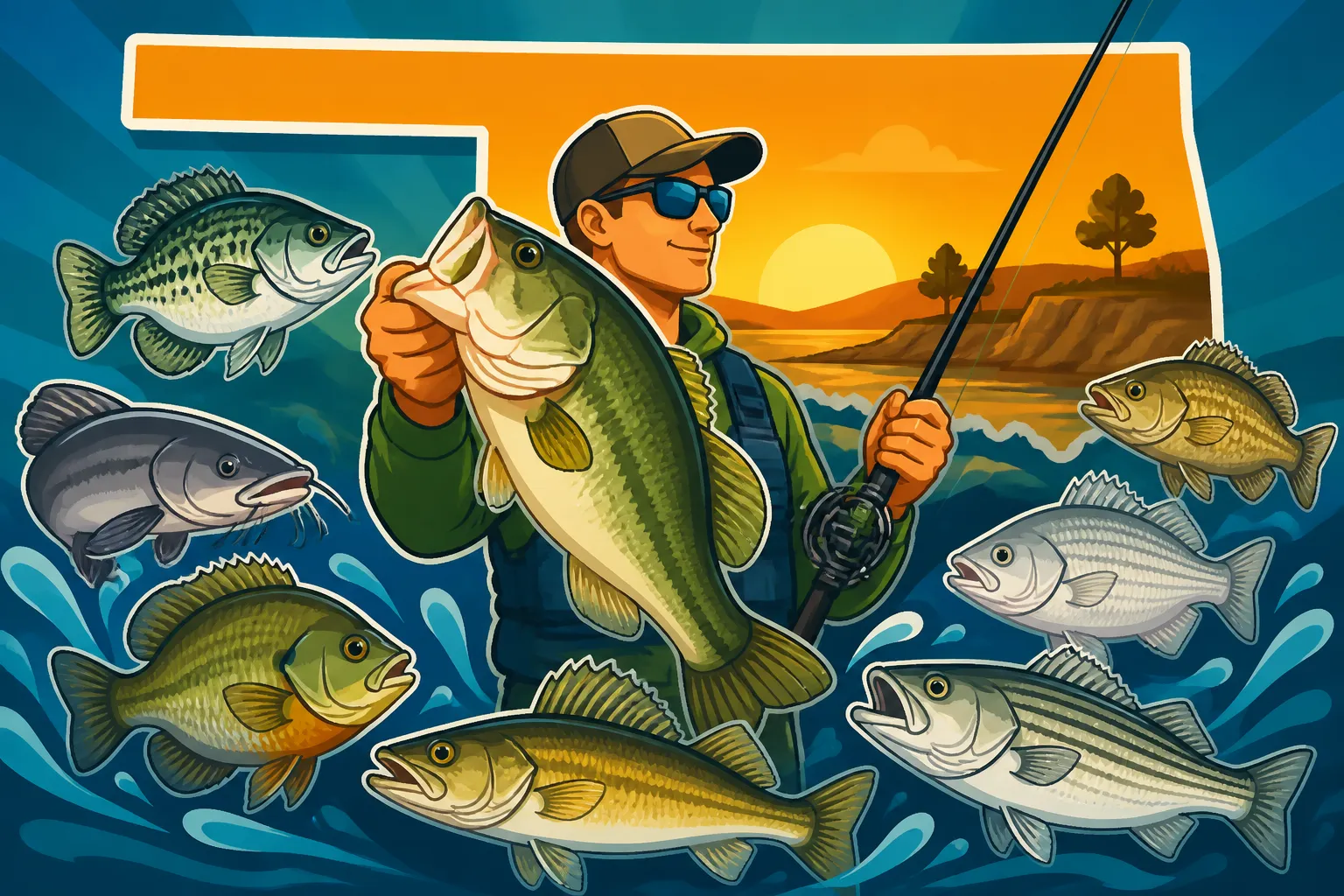
It’s a question every angler asks themselves at some point: just how many different kinds of fish can you realistically hope to catch on a single fishing trip? Oklahoma's waters are teeming with a fantastic variety of species, and while a "grand slam" of every fish imaginable might be a pipe dream, aiming for a multi-species day is absolutely within reach. This guide will dive deep into the factors that influence how many different fish species you can catch in a single outing across the Sooner State's diverse aquatic environments, giving you the best chance to fill your cooler with variety.
Understanding Oklahoma's Rich Aquatic Ecosystems
Oklahoma might be landlocked, but its fishing opportunities are anything but limited. With hundreds of thousands of acres of lakes and reservoirs, thousands of miles of rivers and streams, and countless smaller ponds, the state offers incredibly varied fishing experiences. This diversity in habitat is the primary reason why anglers often find themselves catching a wide array of fish without even really trying!
Diverse Habitats Mean Diverse Fish
Think about it: a shallow, weedy cove on Lake Eufaula is going to hold different fish than the deep, clear waters of Broken Bow Lake or the swift currents of the Illinois River. Our large reservoirs like Lake Texoma are ecosystems unto themselves, with vast open water, rocky points, submerged timber, and shallow flats. Each of these micro-habitats attracts specific species looking for food, shelter, or spawning grounds. For instance, largemouth bass love cover and ambush points, while striped bass prefer open water and schooling baitfish. Crappie often suspend over structure or congregate around brush piles, and catfish, well, they're often on the bottom, whether it's muddy or rocky.
A seasoned angler knows that understanding these different underwater neighborhoods is key to a successful multi-species trip. You might start your day hitting the shallows with topwater lures for bass, then move to a brush pile with jigs for crappie, and finish by dropping some cut bait on the bottom for catfish. The sheer variety of environments within many of Oklahoma's larger lakes makes targeting multiple species a very real possibility. Exploring the different sections of a body of water, from main lake points to creek arms, can dramatically increase the number of species you encounter.
Factors Influencing Species Diversity on a Trip
Successfully catching multiple species isn't just about luck; it's about strategy, timing, and knowing your water. Several key factors play a massive role in how diverse your catch can be during one outing.
First off, the time of year is huge. Early spring sees many fish like bass and crappie moving into the shallows for their spawn, making them more accessible and often concentrated. This is a prime time for multi-species success because many fish are active in similar areas. As you learn about the Oklahoma Fishing Seasons: A Month-by-Month Guide, you'll discover how different species react to temperature changes. For example, the spring white bass runs are legendary and often coincide with excellent crappie action.
Secondly, your chosen location is paramount. Some lakes are simply more diverse than others. Lake Texoma, for instance, is famous for its striped bass, but also offers incredible opportunities for catfish, crappie, and bass. A quick search on a platform like FishingBooker can often highlight local guides who specialize in multi-species trips, giving you a hint at a lake's potential. Conversely, a small, isolated pond might only hold a few species.
Finally, your fishing techniques and bait choices are critical. If you're only throwing big bass jigs, you're probably not going to catch many crappie or bluegill. However, if you're using versatile baits like live minnows, worms, or small jigs, you open yourself up to a much wider range of potential catches. We'll delve deeper into versatile strategies later on.
Common Oklahoma Game Fish and Their Habitats
When you head out fishing in Oklahoma, there are a few species you're almost guaranteed to encounter. These are the workhorses of our fisheries, beloved by anglers of all skill levels, and often found cohabiting in the same general areas, making them perfect targets for a multi-species trip.
The Big Three: Bass, Crappie, and Catfish
It’s no secret that bass, crappie, and catfish are the bread and butter of Oklahoma fishing. They are abundant, widespread, and often found in close proximity, especially in our larger reservoirs.
- Bass: We're talking largemouth, smallmouth, and spotted bass here. Largemouth prefer structure like submerged timber, weed lines, and docks. Spotted bass often hang out in slightly deeper, rocky areas, and smallmouth prefer cooler, rocky habitats, especially in eastern Oklahoma. You can often find them all in a single lake. Casting crankbaits, spinnerbaits, or soft plastics around cover can entice them. When targeting bass, make sure you're aware of Oklahoma's Bass Fishing Rules and Limits, as they can vary by water body.
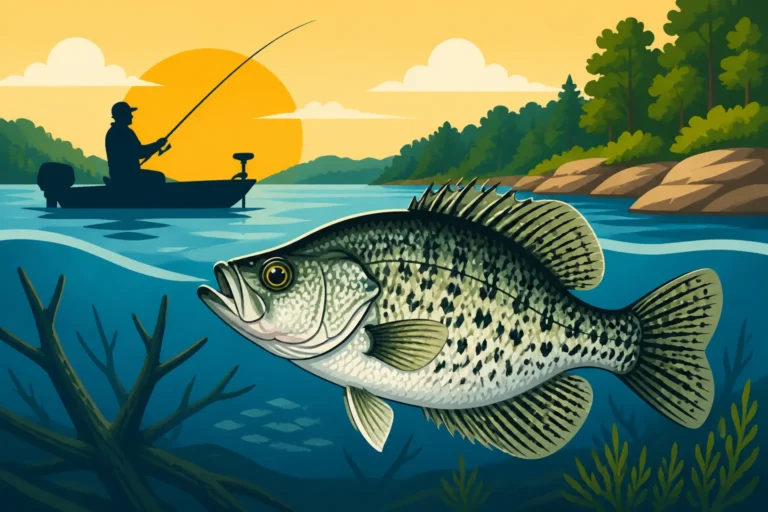
- Crappie: Both black and white crappie are common. They are schooling fish that love to suspend around brush piles, standing timber, bridge pilings, and other vertical structure. They're often found at similar depths to bass, making them a great secondary target. Small jigs, minnows, or tiny crankbaits are usually irresistible. Knowing Crappie Fishing Rules and Limits in Oklahoma is crucial, especially since some lakes have stricter limits.
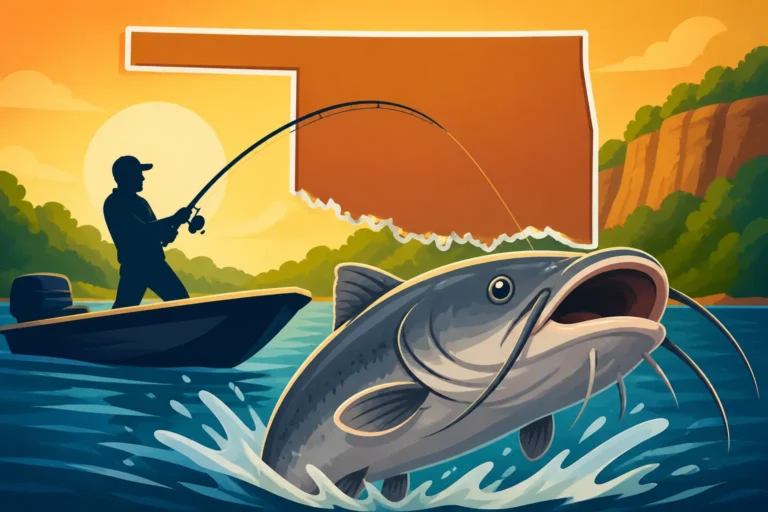
- Catfish: Channel, blue, and flathead catfish are everywhere. Channel cats are often found in creeks and rivers, but also thrive in lakes, cruising flats and channel breaks. Blues prefer deeper water and current, while flatheads are solitary ambush predators found near heavy cover. All three can be caught on bottom-fishing rigs with cut bait, punch bait, or live bait. If you're planning a catfishing trip, remember to check Oklahoma's Catfish Fishing Rules and Limits beforehand.
The beauty of these three is that they often share the same general lake areas. You might be casting a jig for crappie and hook a bass, or have a catfish pick up your crappie minnow that hit the bottom. Versatile baits like live minnows can attract both crappie and smaller catfish, while worms will appeal to smaller catfish and sunfish, which bass also prey on.
Panfish, Walleye, and Stripers: Expanding Your Catch
Beyond the "Big Three," Oklahoma offers an exciting array of other game fish that can easily add more species to your daily tally.
- Panfish (Bluegill, Sunfish, Redear): These little fighters are often overlooked but provide fantastic action, especially for kids or beginners. They inhabit shallow, weedy areas, around docks, and near brush. They readily strike small worms, crickets, or tiny jigs. Targeting these can often lead to incidental catches of smaller bass and even crappie, especially if you're using very light tackle. For families, finding Best Beginner Fish for Kids Just Starting Out is a great way to guarantee some fun.
- Walleye and Saugeye: Found primarily in some of Oklahoma's larger, clearer reservoirs like Canton, Kaw, and Tenkiller, these elusive predators offer a different challenge. They prefer rocky points, humps, and submerged structure in deeper water. Trolling crankbaits, jigging spoons, or using live bait like nightcrawlers can produce strikes. While not as universally distributed as bass or catfish, if you're fishing a lake known for them, they can certainly be part of a multi-species day.
- Striped Bass and Hybrid Stripers: Lake Texoma is the undisputed king for striped bass, a landlocked saltwater species that thrives here. Lake Keystone, Lake Eufaula, and Kaw Lake also offer excellent hybrid striper fishing. These powerful fighters school in open water, chasing baitfish. Trolling, casting topwater lures, or live baiting with shad are effective methods. Catching a striper alongside a limit of catfish or bass is a common and thrilling experience on lakes like Texoma. Our Lake Texoma Fishing Guide for Oklahoma Anglers has plenty more tips.
The Less Common (But Still Possible!) Catches
For the truly adventurous angler, there are a few other species that, while not everyday catches, could potentially round out an incredibly diverse trip in the right locations and circumstances.
- Gar: Alligator, longnose, shortnose, and spotted gar are found in many Oklahoma waters. While typically targeted by bow fishermen, they can be caught on conventional tackle using tough baits like cut shad or even artificial lures, especially if you're fishing slower-moving rivers or backwater areas of large lakes. They provide an intense fight!
- Paddlefish: Grand Lake O' the Cherokees is famous for its paddlefish snagging season. While this is a highly specialized technique and not typically an incidental catch, if you're snagging paddlefish, you might also find yourself in areas that hold catfish or even some bass. It's a unique experience that adds to the species count.
- Trout: Oklahoma has several designated trout streams and ponds, notably the Lower Illinois River, Blue River, and portions of the Mountain Fork River, where rainbow and sometimes brown trout are stocked seasonally. If you plan a trip to one of these cold-water fisheries, you're targeting trout specifically, but could potentially catch other native stream species like sunfish or even small bass.
A single trip that combines, say, bass, crappie, channel cat, bluegill, and perhaps a bonus white bass or drum, is absolutely achievable in many of Oklahoma's premier fishing destinations. Knowing where to go, what to use, and how to adjust your approach are the real keys.
Maximizing Your Multi-Species Trip Strategy
You're geared up, you've got your license, and you're ready to hit the water. But how do you actually put yourself in the best position to catch several different species in one outing? It's all about preparation and adaptability.
Researching Your Chosen Fishing Spot
The single most important step in planning a multi-species trip is doing your homework on the specific body of water you intend to fish. Not all lakes are created equal when it comes to diversity.
- Know the Lake's Reputation: Is it known for its trophy bass, or is it a crappie haven? Does it have a thriving catfish population? Websites, local bait shops, and even forums dedicated to Oklahoma fishing can provide invaluable insights. For instance, if you’re heading to Lake Eufaula: Oklahoma's Gentle Giant for Bass and Crappie, you know you have two major species to focus on right away. For a bigger challenge and more variety, you might consider Best Fishing Spots in Oklahoma that are known for their overall diversity.
- Check Stocking Reports: The Oklahoma Department of Wildlife Conservation (ODWC) often releases stocking reports, especially for species like trout or saugeye. This can tell you if a particular species has been introduced recently, making it a viable target.
- Look at Topographical Maps: These maps, often available on fish finder units or online, show depth contours, submerged structure, creek channels, and humps. Identifying areas where shallow spawning grounds quickly drop off into deeper channels or areas with varied cover (rock, timber, weeds) can indicate spots where multiple species might converge.
- Consult FishingBooker: Before booking a guide, use platforms like FishingBooker to scout out what guides in specific Oklahoma regions are advertising. If a guide offers "multi-species trips," it's a strong indicator that the lake they fish is capable of producing a varied catch.
By doing your research, you're not just casting blindly; you're making educated guesses about where different fish are likely to be, increasing your chances of finding them.
Versatile Gear and Bait Choices
To effectively target multiple species, you need gear and bait that can appeal to a wide range of fish.
- Rod and Reel Setup: While specialized gear has its place, for a multi-species trip, a medium-light to medium action spinning rod (6'6" to 7' long) with a matching spinning reel spooled with 8-10 lb monofilament or fluorocarbon is incredibly versatile. This setup is sensitive enough for crappie and panfish, but also has enough backbone to handle a decent bass or channel catfish. You might carry a heavier baitcasting setup for bigger bass or larger catfish if you’re specifically targeting them, but one good spinning combo can cover a lot of ground. Consider reading up on Fishing Techniques for Bank Anglers vs Boat Anglers to see how different setups might be optimized for your approach.
- Versatile Baits: This is where you really open up your options.
- Live Minnows: A staple for crappie, but also highly effective for white bass, saugeye, and even smaller channel catfish and bass.
- Worms (Nightcrawlers, Redworms): The ultimate multi-species bait. Bluegill, sunfish, crappie, channel catfish, bullheads, and even small bass will readily devour a worm.
- Small Jigs (1/16 oz to 1/8 oz): Tipped with a small soft plastic (like a tube or grub) or a minnow, these are deadly for crappie and white bass, but can also tempt spotted bass and smaller largemouth.
- Small Crankbaits: Often catch bass, white bass, and sometimes even a walleye or saugeye.
- Cut Bait (Shad, Perch): While primarily for catfish, larger pieces can attract blue and flathead catfish, while smaller pieces might entice a striper or even a large drum.
- Tackle Box Organization: Keep a diverse selection of hooks (sizes 2-8), sinkers (split shot, egg sinkers), bobbers, and swivels. This allows you to quickly rig up for different depths and presentations.
Adapting Techniques and Presentation
Having the right gear and bait is only half the battle; you also need to know how to present it effectively to different species.
- Vary Your Depth: If you're not getting bites shallow, move to deeper water. Crappie often suspend at different depths depending on water temperature and time of day. Bass might be shallow in the morning and retreat to deeper structure as the sun climbs. Catfish are often on the bottom, but blue cats can suspend in open water chasing bait.
- Experiment with Retrieve Speeds: A fast retrieve might trigger a reaction strike from a bass or white bass, while a slow, subtle jigging motion is often better for crappie. Catfish require a patient, stationary approach.
- Target Specific Structures: Focus on areas that offer variety. A dock with brush piles underneath might hold crappie and sunfish, while the pilings themselves could attract bass. A creek channel swinging near a shallow flat could be a highway for several species.
- Fish Different Zones: Start by casting shallow along the bank or weed line for bass and panfish. Then, move slightly deeper to target suspended crappie or white bass. Finally, drop a heavier rig to the bottom for catfish. This systematic approach can help you cover different "zones" where various species might be holding. For deeper insights into Bass, Crappie and Catfish Limits Compared, you can plan your daily strategy around species-specific targets.
A multi-species trip doesn't mean chaos; it means being thoughtful and flexible in your approach. It’s about understanding the subtle cues of the water and the fish, and adapting your tactics accordingly. Many anglers who frequent our local ponds know What Fish Species Can You Catch Year-round in Local Ponds and use these very techniques to maximize their catch.
By combining thorough research, a versatile tackle setup, and a willingness to adapt your techniques, you can turn an ordinary fishing trip into an exciting adventure where you're constantly wondering what diverse species will strike next. Many avid anglers, when looking for a new adventure, check out guides on FishingBooker who are known for their ability to find multiple species.
Here's a quick look at common species and some versatile approaches:
| Species Group | Common Habitats | Versatile Baits/Lures | Typical Depth Range |
|---|---|---|---|
| Bass | Structure, cover, points, weed lines, creek channels | Soft plastics, crankbaits, spinnerbaits, live minnows | 2-20 feet (seasonal) |
| Crappie | Brush piles, standing timber, docks, bridge pilings | Small jigs, live minnows, tiny crankbaits | 5-25 feet (seasonal) |
| Catfish | Bottom of channels, holes, flats, current breaks, woody debris | Cut bait, worms, punch bait, live perch | 10-50+ feet |
| Panfish | Shallow, weedy areas, docks, submerged brush | Worms, crickets, small jigs | 1-10 feet |
| White Bass | Open water, schooling baitfish, creek mouths (spawning) | Small jigs, spoons, crankbaits, live minnows | 5-30 feet |
| Walleye/Saugeye | Rocky points, humps, deep structure, dam tailwaters | Jigging spoons, crankbaits, live nightcrawlers | 15-40+ feet |
Ultimately, how many fish species you can catch on a single trip in Oklahoma largely depends on your approach. With its incredible variety of lakes and rivers, and a thriving population of game fish, Oklahoma offers anglers a unique opportunity to experience a truly diverse catch, often making for some of the most memorable days on the water.
Disclaimer
Fishing regulations, license requirements, and local rules can change. Always consult the latest Oklahoma Department of Wildlife Conservation (ODWC) regulations before heading out. The information provided in this guide is for general informational purposes only and should not be considered legal advice.