Summer Night Fishing Techniques in Oklahoma
Oh, the Oklahoma summer. It's a beautiful beast, isn't it? Long, sunny days perfect for lake adventures, but let's be real – that mid-day sun can be absolutely brutal, turning what should be a relaxing fishing trip into a sweaty struggle. Plus, everyone else has the same idea, meaning crowded boat ramps and jostling for a prime spot. If you've ever felt that frustration, you're not alone. This guide is all about escaping the heat and the hordes by embracing the serene, often incredibly productive world of summer night fishing in Oklahoma.
Why Night Fishing in Oklahoma is a Game Changer for Summer Anglers
When the sun dips below the horizon in Oklahoma, a whole new world opens up for anglers. The oppressive heat of the day vanishes, replaced by cooler breezes and a stillness that's hard to find during daylight hours. But it's not just about comfort; the fish themselves undergo a significant shift in behavior, often leading to some of the most exciting and fruitful fishing experiences of the season.
Beating the Heat and the Crowds
Let's face it, trying to fish when the mercury is pushing 100 degrees Fahrenheit is just miserable. Not only are you battling the heat, but the fish are often lethargic, pushed down into deeper, cooler waters, making them harder to locate and entice. Night fishing completely sidesteps this problem. As the air cools, many species become more active and willing to feed. You'll find yourself much more comfortable, able to focus on the fishing rather than just trying to stay hydrated.
Beyond the temperature, the sheer number of people on the water can be a major deterrent. Popular lakes like Lake Texoma or Lake Eufaula can feel like highways during the day, with pleasure boats, jet skis, and other anglers competing for space. Under the cover of darkness, most of these crowds disappear. You're left with a peaceful, quiet environment, often having vast stretches of water all to yourself. This tranquility isn't just a bonus; it can significantly improve your fishing success by allowing you to approach spots more stealthily and fish without constant disturbances. It’s a completely different vibe, one that many anglers cherish.
The Nocturnal Feeding Frenzy
Many of Oklahoma's most popular game fish, from catfish to crappie and even some bass, become incredibly active after dark. The cooler water temperatures near the surface often bring baitfish up, and larger predators follow suit, creating prime feeding opportunities. This shift can turn a slow daytime bite into an explosive night-time bite. Think about it: during the day, they might be hiding in deeper, shadier cover, conserving energy. But when the light fades, their instincts kick in, and they move into shallower areas to hunt.
This nocturnal feeding pattern is especially true for species like catfish, which are naturally more active at night due to their keen sense of smell and touch, allowing them to locate food in low visibility. But even sight feeders like crappie and bass will adjust, using the cover of darkness to ambush unsuspecting prey. For anglers, this means a chance to target fish that might have been impossible to catch just a few hours earlier. It's truly a different game with different rules, and if you learn to play it, you'll be handsomely rewarded.
Understanding Fish Behavior After Dark
To truly master night fishing, you need to think like a fish after sunset. During the day, fish use visual cues, but at night, their other senses become paramount. Lateral lines, which detect vibrations in the water, and olfactory senses (smell) become their primary tools for hunting. This means your bait choices and presentation need to adapt. Louder lures with rattles, or those that create significant water displacement, can be highly effective for bass and striper. For catfish, strong-smelling baits are king.
Additionally, fish often move into shallower water at night to feed. Areas that were barren during the day might become hotspots once the sun goes down. This includes points, humps, weed lines, and even shallow flats. The key is to look for areas adjacent to deeper water, providing a quick escape route if danger arises. Understanding these nocturnal movements is crucial. You might find bass lurking in two feet of water near a boat dock, or crappie suspended just below the surface over a brush pile that was too exposed during daylight. It's a whole new playbook, and learning it can make all the difference.
Essential Gear and Safety for Oklahoma Night Fishing
Venturing out onto the water after dark comes with its own set of challenges and requirements. While the rewards can be great, safety should always be your top priority. Having the right gear, from proper lighting to navigation tools, isn't just a convenience; it's absolutely critical for a successful and safe night fishing experience in Oklahoma.
Lighting Up Your Fishing World
When you're out there in the dark, reliable lighting is non-negotiable. You'll need more than just a small keychain light. A good headlamp is your best friend, keeping your hands free for tying knots, unhooking fish, or baiting your hook. Look for headlamps with multiple settings, including a red-light option. Red light preserves your night vision better than white light and is less likely to spook fish. Many reputable brands offer excellent headlamps, and you can find a wide variety on Amazon that will fit any budget and need. It’s worth investing in one with a long battery life or carrying extra batteries, as running out of light in the middle of the night is a quick way to spoil the trip.
Beyond personal lighting, if you're fishing from a boat, you must have proper navigation lights displayed. This means a red and green light on the bow and a white all-around stern light. These lights aren't just for you to see; they're for other boaters to see you, preventing dangerous collisions. For bank anglers, a larger lantern or floodlight can be helpful for setting up your area, but be mindful of casting too much light directly onto the water, as it can deter fish.
Navigation and Safety on Dark Waters
Navigating a lake or river in complete darkness is a different beast than during the day. Familiar landmarks disappear, and obstacles become invisible. If you're using a boat, a reliable GPS system or a fish finder with GPS capabilities is incredibly important. Many modern Fish Finders and Electronics for Oklahoma Reservoirs offer detailed mapping and charting features that can guide you safely through unfamiliar territory and back to your launch point. Always mark your route and any potential hazards before nightfall. It's also a good idea to have a backup, like a physical map and compass, just in case technology fails.
But safety extends beyond navigation. Always let someone know where you're going and when you expect to return. This is crucial for any fishing trip, but especially at night. Bring a fully charged cell phone (and perhaps a portable charger) for emergencies. And, of course, life jackets are not optional. Review the Oklahoma Life Jacket and PFD Rules for Boaters before you head out. Even if you're an experienced swimmer, a sudden fall into cold, dark water can be disorienting and dangerous. Having your life jacket easily accessible, or better yet, wearing it, is a simple step that could save your life. Remember, fines for not adhering to boating safety regulations, like those covered in Fines for Boating Safety Violations in Oklahoma, can also put a damper on your night out.
Tackle and Bait Considerations for Low Light
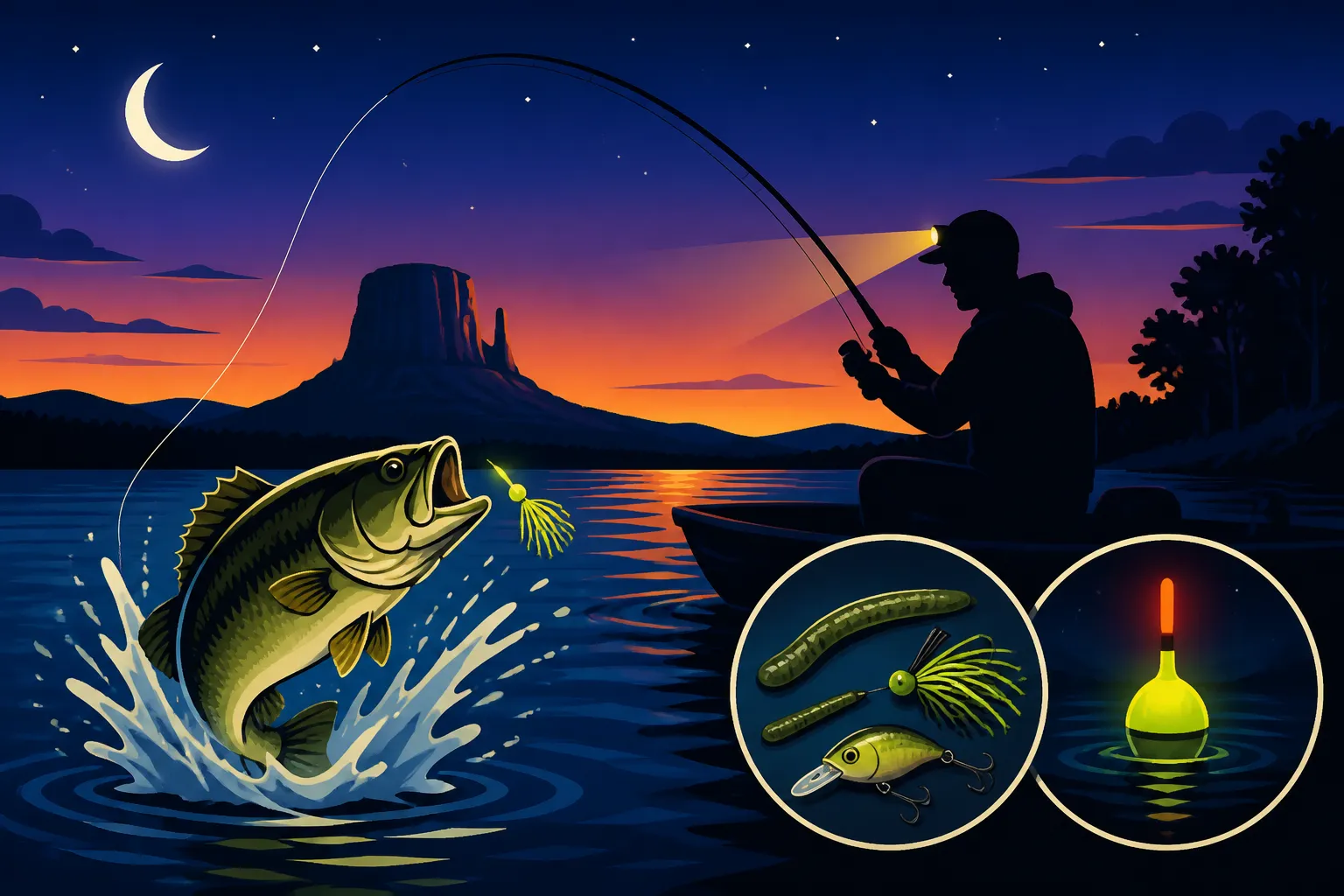
Your tackle and bait choices for night fishing should be adapted to the conditions. Since visual cues are reduced, baits that rely on scent or vibration often outperform. For catfish, stink baits, cut bait (like shad or perch), or chicken livers are always top contenders. Brands like Catfish Charlie or Uncle Josh are staples for a reason. For crappie, small jigs tipped with minnows or soft plastics that glow in the dark can be deadly when fished under lights. Bass anglers will often turn to larger, darker-colored spinnerbaits, chatterbaits, or topwater lures with plenty of commotion, like buzzbaits or Whopper Ploppers, that create a strong silhouette against the night sky.
Your rod and reel setup doesn't necessarily need to change drastically, but you might consider slightly heavier line if you anticipate bigger fish moving inshore, especially with catfish or big stripers. Many anglers also find that brightly colored monofilament or fluorocarbon line can be easier to see with a headlamp, helping detect subtle bites. Remember, organization in your tackle box is paramount. Trying to find a specific hook or lure in the dark can be incredibly frustrating. A well-organized tackle box, perhaps with some clear compartments, will save you a lot of headache. You can find some fantastic organizers on Amazon that are perfect for night excursions.
Top Species to Target During Oklahoma Summer Nights
Oklahoma's waters are teeming with fish, and many of them become particularly cooperative after the sun goes down. Knowing which species are most active and where to find them can significantly boost your success rate and make for a truly memorable night on the water.
Catfish: The Ultimate Night Hunter
If there's one fish synonymous with night fishing in Oklahoma, it's the humble, yet powerful, catfish. Channel, blue, and flathead catfish are all highly active after dark, using their exceptional senses of smell and touch to navigate and feed. They'll often move from deeper channels and holes into shallower flats, creek arms, and even near shorelines to forage. This makes them incredibly accessible to both boat and bank anglers. Lakes like Lake Eufaula, Lake Texoma, and Grand Lake O' the Cherokees are renowned for their incredible catfish populations, and they're particularly popular Best Catfish Fishing Spots in Oklahoma.
For these whiskered warriors, strong-smelling baits are key. Cut bait from shad or carp, chicken livers, prepared stink baits, or even hot dogs soaked in garlic can all be irresistible. Many anglers use simple bottom rigs with an egg sinker above a swivel, leading to a leader with a large circle hook. You'll want sturdy rods and reels to handle these powerful fish, as a big blue or flathead can put up an incredible fight. Always be mindful of Oklahoma's Catfish Fishing Rules and Limits to ensure you're fishing legally. A night spent with a cooler full of catfish fillets is a classic Oklahoma summer tradition, and it's one of the most reliable ways to find action after dark.
Crappie Under the Lights
While often thought of as a daytime fish, crappie fishing at night, especially under lights, is a phenomenon in Oklahoma. As darkness falls, many crappie will suspend near brush piles, submerged timber, or bridge pilings. By deploying submersible green or white LED fishing lights, you can attract plankton, which in turn attracts baitfish like shad, and then the crappie move in for the feast. This technique is incredibly effective and mesmerizing to watch as the schools of bait and then crappie gather around your boat.
Popular crappie lakes in Oklahoma, such as Lake Eufaula, Fort Gibson Lake, and Grand Lake, are fantastic for this method. You'll want to target the deeper brush piles and structure during the day, then return to those areas at night with your lights. Small jigs (1/16 to 1/8 ounce) tipped with soft plastics (like Bobby Garland's Baby Shad or Ozark Tackle jigs) or live minnows are deadly. Use a light to medium action spinning rod and reel combo, as crappie have notoriously soft mouths. Be sure to check the Crappie Fishing Rules and Limits in Oklahoma, as some lakes like Fort Gibson have special regulations. Seeing a slab crappie appear out of the darkness and smash your jig under the glow of your lights is an unforgettable experience.
Bass and Striper After Sunset
Don't count out predatory species like bass and striped bass when the sun goes down. While they might be harder to pinpoint, the rewards can be huge. Largemouth bass, in particular, will often move into shallow water to hunt baitfish that are pushed closer to the surface at night. Points, boat docks, weed edges, and riprap are all prime locations. Big, dark-colored topwater lures like buzzbaits or prop baits, or even large spinnerbaits and chatterbaits, create enough noise and vibration to attract attention in the dark. For more on these aggressive feeders, check out our guide on Largemouth Bass Fishing in Oklahoma: The Complete Guide.
Striped bass, especially at places like Lake Texoma, are also known for their powerful night runs. They'll often push schools of baitfish to the surface, creating explosive boils that you might hear before you see. Trolling deep-diving crankbaits or casting large swimbaits and topwater plugs near main lake points and humps can be very productive. Live bait, particularly shad, is also a highly effective method for stripers. For detailed insights into targeting these powerful fish, our Lake Texoma Fishing Guide for Oklahoma Anglers offers a wealth of information. The thrill of a huge striper smashing a topwater lure in the dead of night is an adrenaline rush like no other.
Specific Techniques for Success After Dark
Night fishing demands a slight adjustment in your approach compared to daytime angling. The reduced visibility means you'll rely more on sound, vibration, and scent, and often on techniques that bring the fish to you, or put your bait right in their path.
Bottom Fishing and Jugging for Catfish
For catfish, especially the larger blues and flatheads, bottom fishing is a tried-and-true method that works wonders at night. This technique involves presenting your bait directly on or near the lakebed where catfish often forage. You’ll want a sturdy rod, a good quality reel spooled with at least 20-pound test line, and a simple rig consisting of an egg sinker (1/2 to 2 ounces, depending on current and wind) above a barrel swivel, with a 12-18 inch leader and a 4/0 to 8/0 circle hook.
Bait selection is paramount here. Cut shad, chicken liver, prepared stink baits, or even large chunks of hot dogs are all excellent choices. Cast your rig out to areas you’ve identified as productive – channel edges, humps, or even just shallow flats near deeper water. Let it sink to the bottom and wait. Catfish bites can range from a gentle tap to a rod-bending thud. When using circle hooks, resist the urge to set the hook hard; simply reel steadily until the fish is engaged.
Another popular and highly effective method for catching large numbers of catfish, particularly channel catfish, is jug fishing. This involves setting out multiple lines attached to floats or "jugs" (often repurposed milk jugs or pool noodles) and letting them drift across productive areas. Each jug has a weighted line with a hook and bait. You can cover a large area, and when a fish bites, the jug will start moving, indicating a strike. This method requires constant monitoring and is typically done from a boat. However, make sure you understand the regulations for jug lines in Oklahoma, as there are rules regarding the number of jugs, marking them, and checking them regularly.
Light-Attraction for Crappie and White Bass
As mentioned, attracting fish with lights is a game-changer for crappie, and it also works wonders for white bass and other panfish. The principle is simple: suspend a light source, typically a green or white submersible LED, in the water. The light draws in zooplankton and insects, which in turn attract small baitfish like shad. Finally, crappie, white bass, and sometimes even smaller bass move in to feast on the concentrated bait.
Once the lights are deployed and the baitfish start to gather, begin fishing with small jigs or minnows. For crappie, a 1/16 or 1/8 ounce jig head tipped with a 1 to 2-inch soft plastic grub or a live minnow is usually all you need. Focus on fishing at various depths around the light, as crappie might be suspended anywhere from just below the surface to several feet down. Pay close attention to your fish finder if you have one; it will show you exactly where the bait and crappie are congregating.
White bass will often cruise through the schools of bait, creating quick, aggressive strikes. They tend to prefer slightly larger jigs or small spoons, and their fight is much more energetic than a crappie's. This method is often most productive in calm, clear water, where the light penetration is best. It’s also incredibly social and fun, as you’ll often have multiple lines going and the action can be non-stop.
Topwater and Subsurface for Predatory Bass
Targeting bass and even some striped bass at night requires a more active approach, often focusing on lures that create a strong presence. Topwater lures are incredibly exciting after dark. The sound and vibration they produce, combined with their silhouette against the night sky, can trigger explosive strikes that you'll feel more than see. Buzzbaits, Whopper Ploppers, and large walk-the-dog style baits like the Heddon Super Spook are excellent choices. Cast them near shallow cover, points, and docks, and work them slowly, allowing the fish to home in on the sound.
If topwater isn't producing, or if you suspect fish are holding a bit deeper, subsurface lures are your next best bet. Large spinnerbaits with dark skirts and big thumping blades (like a Colorado blade) create significant vibration that bass can detect. Chatterbaits are also fantastic, offering a unique vibration and flash. Consider using black or dark-colored lures, as they create a clearer silhouette against the low light, making them easier for fish to see from below.
Working these lures along creek channels, rocky banks, or submerged humps can be highly effective. The key is often a slow, steady retrieve that allows the fish time to find the bait. Sometimes, adding a pause or two can trigger a hesitant strike. While challenging, connecting with a big bass or striper in the dark on a topwater lure is one of fishing's ultimate thrills.
| Species | Primary Techniques | Recommended Baits/Lures | Key Considerations |
|---|---|---|---|
| Catfish | Bottom Fishing, Jugging | Cut Shad, Chicken Livers, Stink Baits, Hot Dogs | Scent is paramount; sturdy gear; patient waiting |
| Crappie | Light Attraction (Jigging) | Small Jigs (1/16-1/8 oz), Live Minnows, Soft Plastics (glow) | Use submersible lights; fish various depths; light tackle |
| Largemouth Bass | Topwater, Subsurface Casting | Buzzbaits, Whopper Ploppers, Dark Spinnerbaits/Chatterbaits | Noise and vibration; target shallow cover; slow retrieve |
| Striped Bass | Trolling, Casting | Deep-Diving Crankbaits, Large Swimbaits, Live Shad | Target main lake points/humps; powerful fight |
Best Oklahoma Lakes for Summer Night Fishing
Oklahoma is blessed with an abundance of fantastic fishing lakes, and many of them offer prime opportunities for night angling during the summer months. Knowing which ones are best suited for your target species and preferred techniques can make all the difference.
Large Reservoirs for Catfish and Striper
When it comes to big catfish and hard-fighting striped bass, Oklahoma's expansive reservoirs are your best bet for night fishing. These massive bodies of water offer the deep channels, vast flats, and abundant baitfish populations that these species thrive on. Lake Texoma, straddling the Oklahoma-Texas border, is legendary for its striped bass fishery, and night fishing for them can be absolutely phenomenal. Trolling big lures or drifting live shad over humps and main lake points after dark often produces impressive results. The sheer size of Texoma means you can find plenty of quiet water, even if there was boat traffic during the day.
Another giant, Lake Eufaula, Oklahoma's largest lake by surface area, is a prime destination for all three catfish species. Its numerous creek arms, submerged timber, and deep channels provide endless opportunities for bottom fishing and jugging. Many anglers find Eufaula's calmer coves and protected areas perfect for setting out lines for a peaceful night of catfishing. Grand Lake O' the Cherokees, in the northeast, also offers excellent catfishing, particularly in its river arms and main lake channels. These large reservoirs often have public access areas and boat ramps that are open 24/7, making them practical choices for night owls.
Smaller Lakes and Ponds for Crappie and Bass
Don't overlook Oklahoma's smaller lakes and even larger ponds for exceptional night fishing, especially if crappie and bass are your main targets. These smaller bodies of water often have less boat traffic, are easier to navigate in the dark, and can offer incredibly consistent action. Lakes like Fort Gibson Lake, Tenkiller Ferry Lake, and Hudson Lake are renowned for their crappie populations, and all are excellent candidates for light-attraction crappie fishing after dark. Their numerous brush piles, bridge pilings, and submerged timber provide ideal habitat for crappie to congregate under lights.
For bass anglers looking for a more intimate night fishing experience, many of Oklahoma's state park lakes or smaller municipal lakes can be fantastic. Lake Murray, near Ardmore, is known for its clear waters and healthy bass population, and night fishing can be very productive along its rocky shorelines and docks. Often, these smaller lakes have less current and fewer navigational hazards, making them a bit more comfortable for new night anglers. Always check specific lake regulations before heading out, as some smaller bodies of water might have restrictions on night access or certain fishing methods.
Considerations for Public Access and Amenities
Before planning your night fishing adventure, it's crucial to consider public access points and available amenities. While many large reservoirs have 24-hour boat ramps, some smaller parks or municipal lakes might have gates that close at sunset. Always check the lake's official website or call ahead to confirm access times. For bank anglers, look for public docks, jetties, or designated bank fishing areas that are accessible after dark. Safety in numbers can be a good idea, especially in less familiar areas.
Another consideration is the availability of facilities. While you're roughing it under the stars, knowing there's a restroom nearby or a gas station for a late-night snack run can be reassuring. Some popular Best Night Fishing Spots in Oklahoma might even have areas with security lighting, which can add a layer of comfort. Always pack everything you need, including plenty of water, snacks, a first-aid kit, and bug spray, as stores might not be open when you're out there. And remember to respect the peace and quiet of others who might be camping or living nearby – keep noise to a minimum.
Disclaimer
Fishing involves inherent risks, and night fishing, in particular, requires extra caution. Always prioritize safety, understand local regulations, and be prepared for changing conditions. The information provided in this guide is for general informational purposes only and does not constitute professional advice. Always exercise good judgment and consult official Oklahoma Department of Wildlife Conservation resources for the most current rules and safety guidelines before heading out on the water.