Where to Catch Crappie on Grand Lake O’ the Cherokees
Finding crappie on a massive body of water like Grand Lake O' the Cherokees can feel like searching for a needle in a haystack, especially when you're faced with acres upon acres of water and countless coves. This comprehensive guide is designed to cut through that frustration, providing you with actionable insights and detailed strategies to pinpoint those elusive crappie schools, no matter the season.
Understanding Grand Lake O' the Cherokees for Crappie
Grand Lake O' the Cherokees is a truly impressive body of water, and its sheer scale can be intimidating for even seasoned crappie anglers. Knowing its unique characteristics is the first step to unlocking its crappie potential. You can't just drop a line anywhere and expect results; understanding the lake's personality is crucial.
The Sheer Size and Structure of Grand Lake
Grand Lake is one of Oklahoma's largest and most popular lakes, boasting over 46,500 surface acres and an incredible 1,300 miles of shoreline. Imagine all that water, all that cover, all that potential hiding space for crappie! This isn't your average farm pond where a few casts cover the whole area. The lake stretches from the relatively shallow, stained waters of the Neosho and Spring River arms in the north to the deeper, clearer main lake areas closer to the Pensacola Dam in the south. This diverse geography means crappie will use different types of cover and depths depending on where you are on the lake. You'll find everything from vast stump fields and standing timber to rocky bluffs, riprap, and man-made brush piles. Targeting these structural elements is key to consistent crappie success here.
The sheer amount of structure means that crappie have endless places to hide, making it a challenge to consistently locate them. Many anglers get overwhelmed by the vastness, not knowing where to begin. It's not uncommon to spend hours cruising around, looking at your sonar, and seeing nothing but open water. But don't despair! With patience and a systematic approach, those hidden gems are out there. Knowing what kind of structure crappie prefer at different times of the year will significantly narrow down your search and boost your confidence.
Seasonal Crappie Movements on Grand Lake
Crappie, like most fish, are creatures of habit driven by water temperature and their biological urge to feed and reproduce. Their movements on Grand Lake are highly predictable if you know what to look for each season. Understanding these patterns is more than just a tip; it's the entire playbook for consistent catches. Without this knowledge, you're essentially just guessing.
In early spring, as water temperatures begin to climb into the 50s, crappie start staging for the spawn, moving from deeper wintering holes into creek channels and secondary points. As the water warms further, they push into incredibly shallow cover to lay their eggs. Summertime sees them retreating to deeper, cooler waters, often suspending over structure or congregating on channel ledges. Fall is another excellent time to fish, as cooling temperatures trigger a feeding frenzy, drawing crappie back into shallower creek arms to chase baitfish before winter sets in. Finally, winter finds them in stable, deeper water, often tightly schooled. Recognizing these shifts is absolutely paramount, and helps you figure out where to start your search. This also plays a huge role in Crappie Fishing Techniques and Seasonal Patterns in Oklahoma.
Prime Crappie Locations on Grand Lake
Grand Lake's crappie can be found throughout its vast expanse, but certain areas consistently produce better results depending on the season. Forget random casting; focusing on these specific types of locations will put you on the fish.
Shallow Water Hotspots in Spring
When spring rolls around and those water temperatures hit the magical 55-65 degree Fahrenheit range, crappie on Grand Lake push hard into the shallows to spawn. This is arguably the most exciting time for many anglers, as crappie become more accessible and aggressive. Look for protected coves and shallow creek arms, especially those with some kind of cover. These areas warm up faster than the main lake, making them ideal spawning grounds.
Prime targets include flooded timber, buckbrush, boat docks, and even riprap banks. Any submerged structure in 2-5 feet of water can hold spawning crappie. Often, you'll find them right up against the bank in incredibly shallow water, sometimes barely covering their backs. The trick is to approach quietly and fan-cast small jigs or minnows around every piece of cover you can find. Don't overlook the backs of long, flat coves, particularly those on the north end of the lake, where the water warms up quicker due to the river influence. Many anglers find great success exploring the numerous small pockets and feeder creeks off the larger creek arms. You can often see them darting around if you're quiet and observant.
Deep Water Haunts in Summer
As the scorching Oklahoma summer heat drives water temperatures up, Grand Lake crappie retreat from the shallow spawning grounds to deeper, cooler, more oxygenated waters. This doesn't mean they disappear; it just means you have to adjust your strategy and go deep. They'll often suspend over significant structure or hug the contours of main lake points and creek channel ledges. Key depths usually range from 15 to 30 feet, sometimes even deeper, depending on the thermocline.
Look for deep timber stands, brush piles on channel breaks, and bridge pilings. The sheer vertical structure of bridge pilings, like those under the many bridges crossing Grand Lake, provides shade and ambush points. Using your fish finder to locate schools of baitfish and crappie suspended over these deep structures is critical. A lot of anglers find this is the time to employ vertical jigging or slow trolling with multiple rods, often referred to as "spider rigging." If you're struggling to locate them, consider booking a trip with a local guide through a platform like FishingBooker; they spend every day on the water and know exactly where those summer crappie hide. For more details on finding these summer hangouts, check out How to Find Crappie in Deep Water in Summer.
Fall Transition Areas and Creek Channels
Fall on Grand Lake brings a beautiful change in weather and another fantastic crappie bite. As water temperatures begin to cool from the summer highs, crappie once again become very active, feeding heavily to build up reserves for winter. They start to move out of their deep summer haunts and follow baitfish into shallower creek channels and tributary arms, but usually not as shallow as they were in the spring. This is a transitional period, so they might be found anywhere from 8 to 20 feet deep.
Focus on the main creek channels leading into larger bays and coves. Look for submerged brush, standing timber, and channel swings. Crappie will often be relating to the edges of these channels, ambushing baitfish that are also moving shallower. The backs of the major creek arms, such as those found on the Elk River arm or near Duck Creek, can be particularly productive as baitfish congregate there. Trolling jigs or live minnows along these channel edges can be incredibly effective. Don't be afraid to experiment with depth; crappie might be holding higher in the water column on sunny days or deeper on cloudy days.
Winter Crappie Shelters and Brush Piles
When the cold winds of winter settle over Oklahoma, crappie on Grand Lake move into their deepest, most stable wintering areas. This doesn't mean fishing stops; it just means you'll need to be precise and often target specific cover. Crappie will congregate in large schools in deep water, typically 20-40 feet, often relating to bottom structure or suspended over it. They're looking for stable temperatures and reliable food sources.
Man-made brush piles and natural standing timber in deeper creek channels or on main lake points are absolute magnets for winter crappie. These structures provide protection and ambush points for baitfish. Many anglers diligently place brush piles throughout the year, marking them on their GPS for these winter hauls. Utilizing your sonar to locate these deep schools is paramount. Once found, vertical jigging with small spoons or minnows, or even slow-trolling tight-lined jigs directly over the schools, can be deadly. The bite might be subtle, so sensitive rods and light line are crucial. If you're not seeing fish on your electronics in these key areas, keep moving until you do.
Essential Techniques and Baits for Grand Lake Crappie
Once you've got an idea of where to look, you need to know how to catch them. Grand Lake's crappie respond to a variety of techniques, and having a few in your arsenal will make all the difference.
Jigging and Live Bait Strategies
Jigging is perhaps the most popular and versatile technique for crappie on Grand Lake. Small, soft plastic jigs, typically 1/16 to 1/8 ounce, are incredibly effective. Colors like chartreuse, white, black/chartreuse, or blue/white are perennial favorites, but always have a variety to match the water clarity and conditions. When spring crappie are in the shallows, a simple cast and retrieve, or vertical jigging around dock pilings and brush, can produce limits. For specific spring techniques, refer to How to Jig for Crappie in Spring. In deeper water, vertical jigging directly over brush piles or suspended schools requires precision, often aided by a good fish finder.
Live minnows are another undeniable crappie magnet. Whether fished under a bobber in shallow water during the spawn, or tight-lined in deeper water on a dropshot rig or split-shot rig, minnows are hard for crappie to resist. Many anglers prefer to tip their jigs with a live minnow for an irresistible combination of scent, action, and profile. When using minnows, pay attention to their size; sometimes smaller "crappie minnows" are preferred, while other times a slightly larger bait will entice bigger slabs. A platform like FishingBooker can connect you with guides who can teach you these precise techniques firsthand on Grand Lake.
Spider Rigging and Trolling Approaches
For covering water and presenting multiple baits at varying depths, especially in open water or along channel edges, spider rigging and trolling are highly effective strategies on Grand Lake. Spider rigging involves using multiple rods (often 6-8 or more, depending on state regulations for Fishing License Requirements in Oklahoma) extended from the front of the boat, presenting jigs or minnows at different depths as you slowly motor along. This allows you to quickly locate active schools and identify the preferred depth.
Trolling is a similar concept but often involves moving a bit faster and targeting larger areas. Small crankbaits or jigs with spinner blades can be trolled behind the boat, imitating baitfish. This is particularly effective during the fall and sometimes in summer when crappie are scattered over flats or along channel drops. The key to both spider rigging and trolling is maintaining a slow, consistent speed and constantly monitoring your electronics to adjust depth and direction based on what you see. You'll want to choose a boat well-suited for this, perhaps looking into the Best Fishing Boats for Grand Lake's Open Water.
| Season | Prime Locations | Effective Techniques | Recommended Baits/Lures |
|---|---|---|---|
| Spring | Shallow coves, docks, flooded timber | Vertical jigging, casting | Small jigs (chartreuse, white), live minnows |
| Summer | Deep brush piles, bridge pilings, channel ledges | Vertical jigging, spider rigging | Live minnows, deep diving jigs |
| Fall | Creek channels, secondary points, submerged timber | Trolling, casting, jigging | Jigs, small crankbaits, live minnows |
| Winter | Deep brush piles, main lake points, standing timber | Vertical jigging, tightlining | Small spoons, ice jigs, live minnows |
Reading Your Electronics for Crappie
In a lake as vast and deep as Grand Lake, your fish finder is not just a tool; it's your eyes underwater. Relying on guesswork will lead to endless frustration. Learning to interpret what your sonar is telling you about the bottom contour, structure, and baitfish schools is absolutely critical for crappie success, especially outside of the spring spawn. Modern fish finders offer features like Down Imaging and Side Imaging, which can reveal brush piles, submerged timber, and even individual crappie hiding within.
When searching for crappie, look for distinct arches or blobs on your sonar screen, often suspended over or within structure. Pay attention to baitfish schools; crappie are almost always nearby. Mark waypoints on your GPS when you find productive spots, allowing you to return to them easily. Understanding what Fish Finder Features That Matter Most on Oklahoma Reservoirs will help you select the right equipment. Don't be afraid to adjust your sensitivity and zoom settings to get a clearer picture. Learning to differentiate crappie from other fish or debris will take time and practice, but it's an investment that will pay dividends on Grand Lake.
Navigating Grand Lake's Regulations and Best Practices
Having all the right techniques and knowing the best spots is only part of the equation. You also need to be a responsible and legal angler. Ignorance of the rules is no excuse, and violating them can lead to hefty fines and a ruined day on the water.
Grand Lake Crappie Limits and Size Restrictions
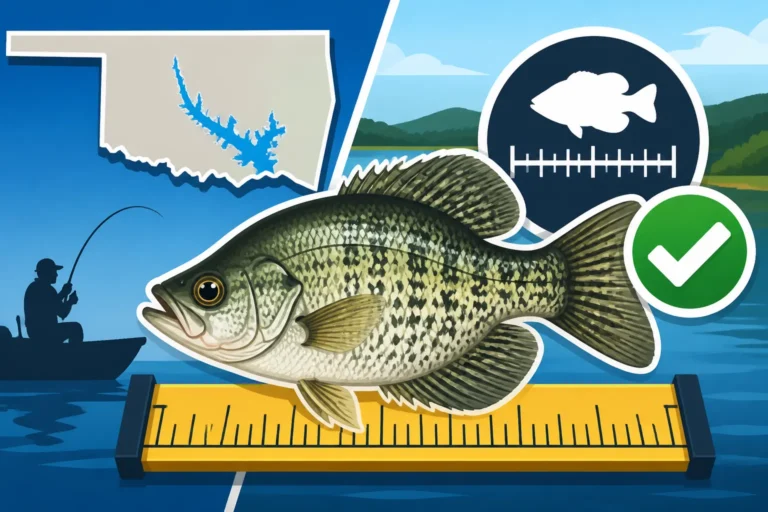
Before you even think about putting a crappie in your livewell, you need to be intimately familiar with Oklahoma's fishing regulations, specifically those for Grand Lake. The statewide crappie bag limit in Oklahoma is 37 fish per day, and a 10-inch minimum size limit applies to certain lakes. However, Grand Lake O' the Cherokees has its own specific rules that differ from the statewide limits. On Grand Lake, the daily limit for crappie (both black and white combined) is 15 fish, and there is a 10-inch minimum size limit. This is a crucial difference that many anglers overlook, leading to potential violations. You can find comprehensive details in the official guide on Grand Lake Crappie Size and Bag Limits.
Always measure your fish accurately. If a crappie doesn't meet the 10-inch minimum, it must be immediately released unharmed. Exceeding the daily bag limit or possessing undersized fish can result in significant penalties. It's always a good idea to keep a copy of the current Oklahoma Fishing Regulations handy, either digitally on your phone or a physical booklet. This knowledge is as important as your fishing license itself, which you can learn more about by reading Fishing License Requirements in Oklahoma.
Respecting Other Anglers and the Environment
Grand Lake is a popular destination, which means you'll often be sharing the water with other anglers, boaters, and even paddleboarders. Practicing good etiquette and respecting your fellow outdoor enthusiasts makes the experience better for everyone. When approaching a fishing spot, always give other boats and anglers plenty of space. Don't crowd someone's fishing area, especially if they've clearly established themselves in a productive spot. If you're trolling, be mindful of other boats that might be anchored or drift-fishing.
Beyond respecting people, it's vital to respect the lake itself. Pack out everything you pack in, and never litter. Dispose of fishing line properly, as it can be deadly to wildlife. If you're catching and releasing, do so carefully to ensure the fish's survival. Consider using barbless hooks for easier release, especially if you're not planning to keep fish. Participating in responsible fishing practices ensures that Grand Lake remains a healthy and productive fishery for generations to come. If you're planning a trip, remember that many reputable guides are available on platforms like FishingBooker, offering expert knowledge while promoting responsible angling.
Disclaimer
Please remember that fishing regulations and conditions can change rapidly. Always consult the latest official Oklahoma Department of Wildlife Conservation (ODWC) regulations before heading out on the water. This guide is for informational purposes only and does not supersede official legal requirements.