Fort Gibson Lake’s Ten-Inch Crappie Rule Explained
It’s easy to get caught up in the excitement of planning a fishing trip to a fantastic lake like Fort Gibson. You’re dreaming of those delicious crappie fillets, imagining the tug on your line. But then you hear whispers about a "10-inch rule" or specific limits, and suddenly, that excitement turns into a little knot of worry. Nobody wants to accidentally break the rules and end up with a fine, especially when you’re just trying to enjoy a peaceful day on the water. This guide is here to untangle all that confusion, explaining exactly what the 10-inch crappie rule at Fort Gibson Lake means for you, why it’s in place, and how to make sure your crappie fishing adventure is both fruitful and completely legal.
Understanding the Fort Gibson Lake Crappie Rule: The "Why" Behind the 10-Inch Minimum
When you're out on the water, the last thing you want to be doing is guessing about regulations. Fort Gibson Lake, like several other popular crappie destinations in Oklahoma, has a specific rule regarding the size of crappie you can keep. It’s not just a random number; there’s some solid science and a lot of forward-thinking management behind it.
The Specifics of the 10-Inch Rule at Fort Gibson
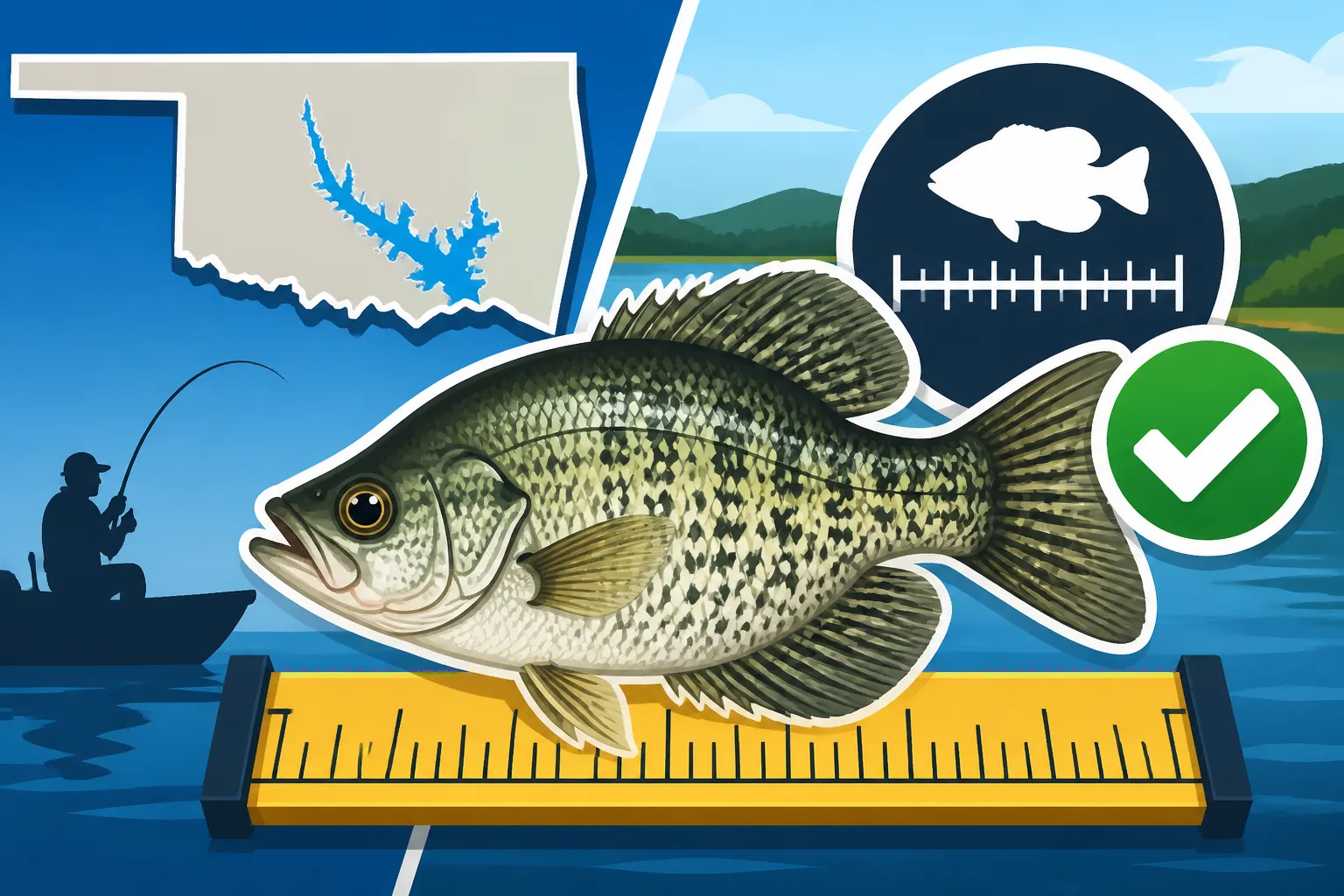
Let's cut right to it: the crappie rule at Fort Gibson Lake dictates that all crappie harvested must be at least 10 inches in length. This is a minimum length limit, meaning any crappie you catch that measures less than 10 inches from the tip of its snout to the end of its tail (with the tail pinched together) must be immediately released back into the lake. This rule applies uniformly to both black crappie and white crappie, so you don't need to worry about identifying between the two for size purposes – if it's a crappie, it needs to be 10 inches or longer to go in your livewell.
This regulation isn't statewide; it's specific to Fort Gibson Lake and a handful of other selected waters. Many anglers assume a single set of rules applies across Oklahoma, but that's simply not the case, especially for popular species like crappie. This specific length limit has been implemented to address particular fishery management goals for Fort Gibson, which we’ll dive into next. It's crucial to understand that even if you're used to different rules on other lakes, once you launch your boat or set up your bank fishing spot at Fort Gibson, this 10-inch minimum is the law of the land.
Why Special Regulations Exist for Fort Gibson Crappie
You might wonder, why Fort Gibson? Why not every lake? The Oklahoma Department of Wildlife Conservation (ODWC) doesn't just pull these numbers out of a hat. These special regulations are the result of extensive biological surveys and data collection aimed at maintaining healthy, sustainable fish populations and improving the quality of fishing for everyone.
The primary reason for a 10-inch minimum length limit for crappie at Fort Gibson is to protect the younger, smaller crappie from overharvest. When too many crappie are harvested before they reach reproductive maturity or a certain size, it can severely impact the future of the population. By allowing crappie to grow to at least 10 inches, the ODWC ensures that a significant portion of the crappie population has the chance to spawn at least once, contributing to the next generation of fish. This also helps prevent stunting, a common problem in crappie fisheries where too many small crappie compete for limited food resources, resulting in a large number of small, unhealthy fish.
Think of it like this: if you continually pick all the small apples from an orchard, you'll never get those big, juicy ones. The 10-inch rule is designed to let those "apples" grow. Over time, this management strategy helps to increase the average size of crappie in the lake, meaning more trophy-sized fish and a more rewarding experience for anglers like you. The goal is to provide a better quality crappie fishery with a healthier age structure and a more consistent supply of desirable-sized fish. This approach is similar to how other specific regulations, such as those covered in the article, Stricter Crappie Limits at Six Oklahoma Lakes, help manage local fisheries.
Practical Implications for Anglers: Navigating the 10-Inch Crappie Rule on Fort Gibson
Understanding the rule is one thing, but actually implementing it on the water is another. It requires a bit of mindfulness and some good habits, especially when you’re in the middle of a hot bite. Don’t let it intimidate you; with a little preparation, it becomes second nature.
Measuring Your Crappie Correctly
This is where the rubber meets the road. Catching a crappie near that 10-inch mark can sometimes be tricky to eyeball. You absolutely need a reliable measuring device on your boat or in your tackle box. A simple ruler, a flexible measuring tape, or even a specialized fish measuring board will do the trick.
Here’s how to measure accurately:
- Lay the fish flat: Gently place the crappie on its side on a flat surface, such as a measuring board or a cooler lid with a tape measure.
- Pinch the tail: Make sure the crappie's mouth is closed and its body is straight. Gently squeeze or "pinch" the lobes of its tail fin together to get the maximum length.
- Measure from snout to tail tip: Measure from the tip of the longest jaw (snout) to the farthest tip of the tail fin.
If, after measuring, your crappie falls even a fraction short of 10 inches, it must go back into the water immediately. There's no "close enough" when it comes to length limits. Game wardens are diligent in their enforcement of these rules, and getting caught with an undersized fish can result in a citation and a fine, which can quickly ruin a great day of fishing. This isn't just about avoiding a ticket; it's about respecting the hard work that goes into managing these fisheries and ensuring future generations can enjoy the same sport. Before you even head out, you might want to review Crappie Fishing Rules and Limits in Oklahoma to ensure you're fully prepared.
Catch and Release Best Practices for Undersized Crappie
Since you’ll inevitably catch crappie under 10 inches at Fort Gibson, knowing how to properly release them is just as important as knowing how to measure them. The goal is to return these fish to the water in the best possible condition so they can grow, reproduce, and be caught again another day.
Here are some best practices for handling and releasing undersized crappie:
- Wet Hands: Always wet your hands before touching the fish. Dry hands can remove the crappie's protective slime coat, making it more susceptible to disease.
- Minimize Air Exposure: Try to keep the fish in the water as much as possible, especially during warmer months. If you must remove it for a quick measure, do so quickly and efficiently. Every second out of water adds stress.
- Gentle Handling: Support the fish horizontally, especially if it’s a larger crappie. Avoid holding it by the jaw alone or squeezing its belly, which can damage internal organs.
- Quick Hook Removal: Use needle-nose pliers or a de-hooking tool to remove the hook quickly. If the fish is deeply hooked and removing the hook would cause significant damage, it's often better to cut the line as close to the hook as possible. The hook will likely rust out, or the fish's body will encapsulate it.
- Revive if Necessary: If the crappie seems sluggish or stunned, gently hold it in the water, facing into the current (if any), and move it back and forth to force water over its gills until it regains its strength and swims away on its own.
By following these guidelines, you greatly increase the chances of survival for the crappie you release, contributing directly to the health and future abundance of Fort Gibson's crappie population. If you're new to fishing, learning these techniques is crucial, and you can find more general insights in Best Fishing Techniques for Beginners.
Tips for Successful Crappie Fishing Under the 10-Inch Rule
The 10-inch minimum doesn't mean you can't have a fantastic crappie fishing day; it just means you might need to adjust your strategy slightly to target those larger, legal-sized fish. After all, isn't landing a bigger crappie more fun anyway?
Targeting Larger Crappie to Meet the Minimum
One of the best ways to ensure you're catching legal-sized crappie is to adapt your techniques to target larger specimens. While smaller crappie often school tightly, bigger crappie tend to be a bit more solitary or found in smaller groups, often relating to specific structure.
Consider these approaches:
- Go Deeper: Larger crappie often hold in deeper water, especially during warmer months or after cold fronts. Look for submerged brush piles, creek channels, ledges, and other significant underwater structure using your fish finder.
- Upsize Your Baits/Lures: While crappie are known for their love of small jigs and minnows, slightly larger presentations can often deter smaller fish while enticing bigger ones. Try a 2-inch or 2.5-inch soft plastic jig instead of a 1-inch one, or use a larger minnow.
- Fish Structure Aggressively: Larger crappie are ambush predators. Target the edges of brush piles, stumps, submerged timber, and bridge pilings. They'll often be tucked right into the thickest part of the cover. Vertical jigging or tightlining directly into these spots can be very effective.
- Understand Seasonal Patterns: Crappie move throughout the year. During the spawn (typically spring), larger crappie will move shallower. Post-spawn and summer will see them retreat to deeper, cooler water. Fall can bring them back shallower as baitfish congregate. Tailoring your approach to Crappie Fishing Techniques and Seasonal Patterns in Oklahoma will significantly improve your odds.
- Look for Solitary Returns: If you’re using a good fish finder, sometimes you’ll see individual, larger arcs near structure that indicate a bigger fish. These are often the ones you want to target.
Many anglers find it helpful to book a guided trip, especially when learning a new lake or specific regulations. Platforms like FishingBooker often list local guides who are experts on Fort Gibson Lake's nuances, including the 10-inch crappie rule and how to find those bigger fish. They can show you the ropes and get you on the fish quickly.
Essential Gear and Bait Considerations
Having the right gear can make a big difference when targeting crappie, especially if you’re aiming for those 10-inch-plus slabs. You want a setup that offers sensitivity for subtle bites but has enough backbone to handle a good-sized crappie and keep it out of snags.
- Rods and Reels: A light to medium-light action spinning rod, typically 6 to 7 feet long, paired with a small spinning reel (size 1000 or 2000) spooled with 4-6 lb test monofilament or fluorocarbon line is ideal. The sensitive tip will help you detect those light crappie bites, while the length gives you good casting distance and leverage.
- Baits:
- Live Minnows: These are often irresistible to crappie. Consider using slightly larger minnows (e.g., 2-3 inches) if you’re trying to specifically target bigger fish. Rig them under a bobber or on a crappie rig for bottom fishing.
- Jigs: Soft plastic jigs in sizes from 1/16 oz to 1/8 oz are incredibly effective. Colors can vary widely based on water clarity and conditions, but chartreuse, white, black, and natural shad patterns are always good starting points. Experiment with different jig head styles and tail actions (e.g., paddle tails, curly tails, tube jigs). You can find more specific advice in Best Bait for Crappie in Oklahoma.
- Fish Finders and Electronics: A good fish finder is invaluable, especially on a large lake like Fort Gibson. It allows you to locate submerged timber, brush piles, creek channels, and even schools of crappie. Features like side imaging or down imaging can help you pinpoint exact locations of cover where bigger crappie might be hiding. If you’re unsure about the best techniques for targeting larger crappie on Fort Gibson, consider looking into guides on FishingBooker who specialize in this lake.
Beyond the 10-Inch Rule: Other Important Fort Gibson Crappie Regulations
While the 10-inch minimum is a key component of Fort Gibson's crappie regulations, it's not the only rule you need to be aware of. Like all well-managed fisheries, there are also daily bag limits and, of course, the fundamental requirement of having a valid fishing license.
Daily Bag Limits and Possession Limits
In addition to the length limit, Fort Gibson Lake also has a specific daily creel limit for crappie. Anglers are allowed to keep a maximum of 15 crappie per person per day at Fort Gibson Lake. This is a crucial number to remember and differs from the statewide limit of 37 crappie per person per day. This reduced bag limit, combined with the 10-inch minimum, is another strategy to ensure the crappie population remains healthy and productive at this particular lake.
It’s also important to understand the difference between a daily creel limit and a possession limit. The daily creel limit refers to the number of fish you can catch and keep in one calendar day. The possession limit refers to the maximum number of fish you can have in your possession at any given time, whether that’s in your livewell, cooler, vehicle, or at your home. For crappie at Fort Gibson, the possession limit is twice the daily creel limit, meaning you can have up to 30 crappie in your possession. This is primarily for anglers on multi-day trips who might keep their catch overnight. However, on the water, you should never exceed your daily limit.
Here’s a quick comparison of the limits:
| Regulation Type | Statewide Crappie Limit | Fort Gibson Lake Crappie Limit |
|---|---|---|
| Minimum Length | None (unless specified) | 10 inches |
| Daily Creel Limit | 37 fish | 15 fish |
| Possession Limit | 74 fish | 30 fish |
This table clearly shows why paying attention to lake-specific rules is so vital. You can explore more about Oklahoma's Statewide Crappie Bag Limit and How Many Crappie You Can Keep in Oklahoma for a broader perspective.
Licensing and General Regulations
Before you even think about casting a line in Fort Gibson Lake (or any other public water in Oklahoma), you absolutely need a valid Oklahoma fishing license. This is non-negotiable for most anglers aged 16 and older. There are various types of licenses available, from annual resident licenses to short-term nonresident options. You can find all the details on Fishing License Requirements in Oklahoma.
Beyond the crappie-specific rules and licensing, always be aware of general boating and fishing regulations. This includes things like:
- Boat Registration and Safety Gear: Ensure your boat is properly registered and equipped with all necessary safety equipment, including life jackets for everyone on board.
- No Waste: It’s illegal to litter or leave fishing line, bait containers, or any other trash on the shore or in the water.
- Respect Private Property: If you’re bank fishing, always be mindful of private property boundaries.
Regulations, especially those related to specific lakes and species, can occasionally change. Before heading out, a quick check of the ODWC website or even consulting a local guide found on sites like FishingBooker can save you a lot of trouble. Planning a trip to Fort Gibson? Reputable fishing charter services, often listed on platforms like FishingBooker, will ensure you're fully compliant with all local rules, including the specific crappie regulations. They’ll also be knowledgeable about Fort Gibson Lake Fishing Guide for a successful outing. Remember, the goal of all these rules is to ensure that fishing in Oklahoma remains fantastic for generations to come.
Disclaimer
Please note that fishing regulations can change. While every effort has been made to provide accurate and up-to-date information, it is the angler's responsibility to verify all current rules and regulations with the Oklahoma Department of Wildlife Conservation (ODWC) before fishing. Always refer to the official ODWC regulations guide for the most current and authoritative information.