Best Remote Lakes for a Quiet Day of Fishing
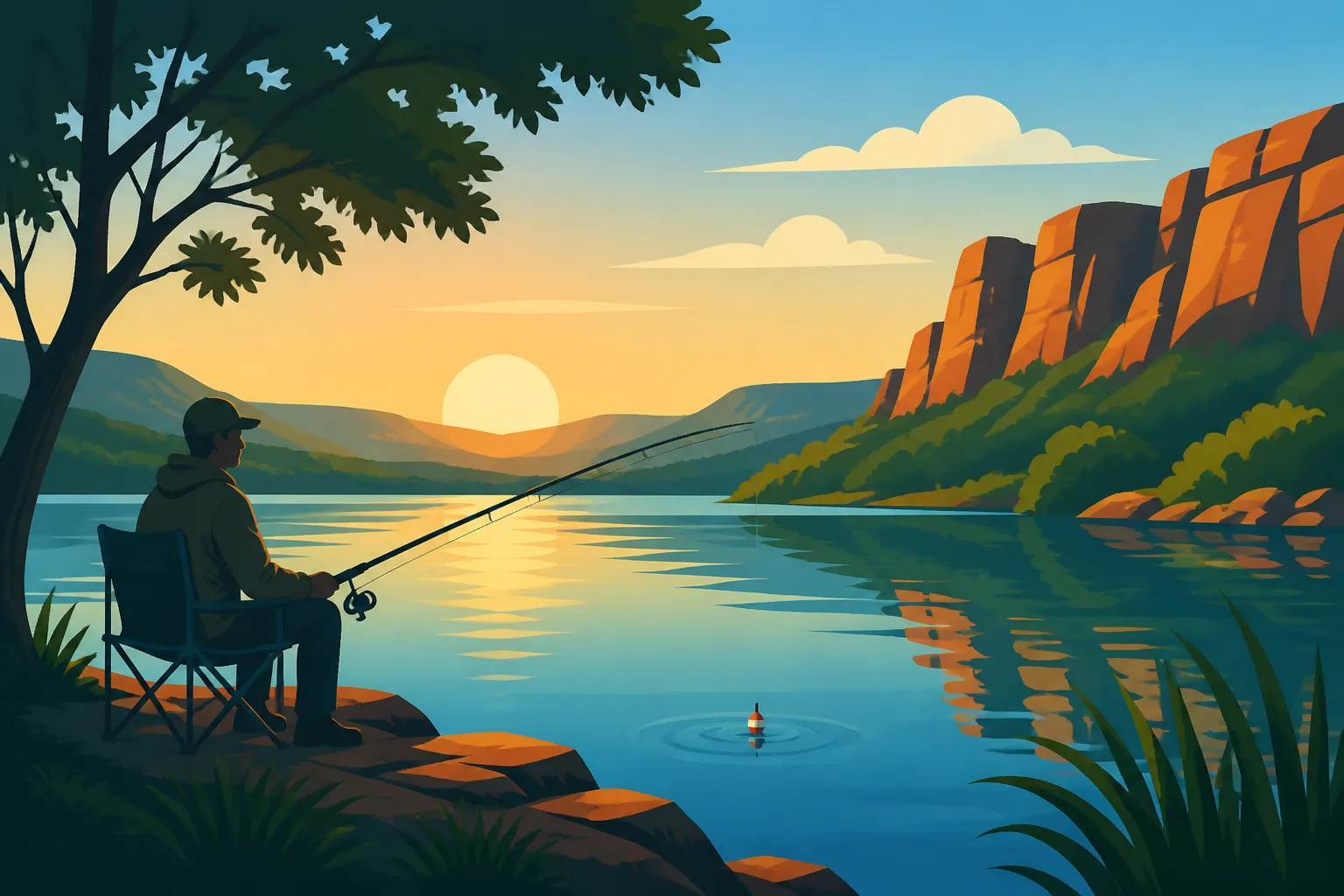
We've all been there: you wake up early, full of anticipation for a peaceful day on the water, only to arrive at your favorite lake and find the boat ramps packed, jet skis buzzing, and every promising cove already claimed. It's frustrating when you just want to escape the noise and connect with nature, isn't it? This guide is for those of us yearning for that quiet solitude, exploring some of Oklahoma's most remote lakes where the biggest distraction might just be a soaring eagle or the splash of a rising fish.
The Allure of Oklahoma's Hidden Fishing Gems
There's a special kind of magic that comes with finding a truly quiet fishing spot. It’s more than just about catching fish; it’s about recharging your soul, and Oklahoma, with its vast and varied landscape, holds plenty of these secluded havens. You just need to know where to look and be willing to put in a little extra effort.
Escaping the Crowds and Noise
I know the feeling. You spend your week dreaming of the tranquility of the water, only for your weekend fishing trip to feel more like a visit to an amusement park. The constant roar of wake boats, the blare of music from nearby pontoons, and the endless parade of personal watercraft can shatter any hope of a peaceful escape. It often feels like you have to compete for every inch of shoreline or every prime fishing spot, completely undermining the point of getting out on the water. This persistent frustration is why so many anglers start seeking out places where the loudest sound is the wind in the trees or the distant call of a loon.
Beyond the sheer annoyance, the constant activity on heavily trafficked lakes can genuinely impact the fishing itself. Fish are sensitive creatures, and persistent boat traffic, loud noises, and endless lines in the water can make them skittish and less likely to bite. When you find a quiet spot, you're not just finding peace for yourself, you're also finding less pressured fish that are often more willing to cooperate. The joy of having a whole cove to yourself, slowly working a jig or casting a topwater bait without interruption, is truly unparalleled.
Think of it as a mental reset. The act of truly focusing on your line, observing the subtle shifts in the water, and listening to the sounds of nature can be incredibly therapeutic. It's a chance to unplug from the demands of daily life and reconnect with the simpler rhythms of the natural world. In these serene settings, every ripple, every shadow, and every rise becomes a part of a larger, calming experience that extends far beyond the catch. It’s not just about what you might land; it’s about the profound sense of peace you take home with you.
Defining "Remote" in the Sooner State
When we talk about "remote" lakes in Oklahoma, we're not necessarily talking about places that require a multi-day backpacking trip into a trackless wilderness, although some come close! Instead, "remote" often refers to lakes that are less developed, have fewer public access points, or are simply further off the beaten path than the popular reservoirs everyone flocks to. This often means driving a bit longer, perhaps down a gravel road, or being willing to launch a smaller boat or kayak from a less-developed ramp.
The key distinction is the absence of heavy recreational traffic and large-scale commercial development. You won't find bustling marinas, rows of lakeside cabins, or countless restaurants dotting the shorelines of these remote gems. Instead, you'll likely encounter more natural shorelines, perhaps a basic campground, and a noticeable quiet that immediately sets them apart from the state's more famous fishing destinations. This lack of infrastructure is precisely what preserves their quiet charm and keeps the crowds at bay.
Sometimes, even larger lakes can offer remote fishing experiences if you know where to look. Expansive reservoirs with numerous arms, coves, and backwaters often have sections that are difficult to access by larger boats or are simply overlooked by the majority of anglers. These areas can feel just as secluded as a smaller, dedicated wilderness lake, offering those quiet corners where you can truly escape. It all boils down to a willingness to explore, a bit of patience, and perhaps some local knowledge to unlock these hidden pockets of tranquility.
Top Remote Lakes for Your Oklahoma Fishing Retreat
Oklahoma boasts a surprising number of lakes that offer that much-desired solitude. While they might require a bit more planning and effort to reach, the reward of peaceful waters and less pressured fish is more than worth it.
McGee Creek Lake: A Wilderness Sanctuary
Nestled in southeastern Oklahoma, McGee Creek Lake is perhaps the quintessential example of a remote fishing haven in the state. Surrounded by the McGee Creek Wildlife Management Area and McGee Creek State Park, this lake is intentionally kept pristine with minimal development. Much of the lake is designated as a "no-wake" zone, immediately setting the tone for a calm, quiet experience. It's not uncommon to spend hours on the water here and see only a handful of other boats, if any at all, especially during weekdays.
This lake is a true gem for bass, crappie, and catfish anglers. Known for its exceptionally clear water, McGee Creek Lake demands a stealthy approach, but the largemouth and smallmouth bass here grow to impressive sizes due to less fishing pressure. Look for structure in its numerous coves and along its rocky points, or explore the standing timber for crappie. Catfish, particularly channels and blues, thrive in the deeper sections and creek channels. The natural beauty of the surrounding Ouachita Mountains only adds to the allure, with towering pines and hardwoods reflecting off the water.
Access to McGee Creek Lake is somewhat limited, with fewer boat ramps compared to other large reservoirs, and some of the roads leading to them can be a bit winding. This relative inaccessibility is precisely what helps preserve its wild character. There are basic camping facilities, ranging from primitive sites to more developed ones, making it ideal for those who want to fully immerse themselves in the outdoors for a multi-day trip. It's a perfect spot for kayak anglers or those with smaller boats who appreciate a more intimate connection with the water.
Pine Creek Lake: Eastern Oklahoma's Quiet Beauty
Another southeastern Oklahoma treasure, Pine Creek Lake, is a Corps of Engineers lake that consistently delivers a quieter fishing experience. While it's not as strictly a "wilderness" lake as McGee Creek, its location and the surrounding timbered hills mean it sees far less traffic than its larger neighbors like Broken Bow or Lake Eufaula. It offers a more intimate feel, with numerous secluded coves and extensive standing timber that provide fantastic habitat and keep boats spread out.
Pine Creek is renowned for its excellent populations of largemouth bass, crappie, and various catfish species. Anglers targeting bass will find plenty of success flipping jigs or pitching soft plastics around the abundant timber and brush piles. Crappie fishing can be exceptional, especially in the spring and fall, as they relate heavily to the standing timber and submerged structure. The lake's waters can range from clear to stained, depending on recent rainfall, so being adaptable with your lure choices is key. Finding a good, quiet spot often involves navigating deeper into one of the many creeks and arms that feed the lake.
The limited development around Pine Creek Lake contributes significantly to its peaceful atmosphere. There are a few well-maintained boat ramps and campgrounds, but you won't find the same level of commercial activity or constant recreational boating as on more popular destinations. This makes it an ideal spot for anglers who want a serious fishing trip without the distraction of crowds. Before you head out, I always recommend checking with services like FishingBooker if you're looking for a local guide to navigate these specific, quieter areas and uncover their best fishing secrets.
Sardis Lake: A Largemouth Bass Haven with Seclusion
Sardis Lake, located in southeastern Oklahoma near Clayton, holds a reputation as one of the state's premier trophy largemouth bass lakes, yet it still manages to maintain a sense of remoteness. Its irregular shape, deeply timbered coves, and vast expanses of hydrilla and other aquatic vegetation mean that even on busier days, you can usually find a quiet corner to yourself. The sheer size and complex structure of the lake naturally disperse anglers, preventing that claustrophobic feeling common on other reservoirs.
While primarily a bass lake, Sardis also offers fantastic crappie and catfish opportunities. The key to bass fishing here is understanding the extensive cover; flipping and pitching heavy jigs or Texas-rigged plastics into the hydrilla, standing timber, and brush piles are highly effective. Crappie anglers will find success around the timber and deeper brush, especially with jigs or minnows. The lake's clear to slightly stained water often means fish are particular, so having a range of presentations is beneficial. This lake truly offers a challenge and a reward for those willing to learn its intricacies.
Despite its size, Sardis Lake is less developed than many other large Oklahoma lakes, contributing to its feeling of seclusion. There are good public access points and campgrounds, but the surrounding area remains largely rural and wild. This blend of world-class fishing with a peaceful, natural setting makes Sardis a top choice for anglers who want the chance at a trophy fish without having to battle crowds. Its extensive aquatic vegetation and numerous nooks and crannies create an endless array of private fishing spots, making it an excellent choice for a quiet day.
Essential Planning for a Remote Lake Adventure
Venturing into Oklahoma's remote fishing spots requires a bit more foresight than a trip to your local pond. Being prepared is key to a safe and enjoyable experience.
Gear and Safety Considerations
When you're heading to a remote lake, self-sufficiency becomes paramount. You won't have a bait shop or convenience store just around the corner, so pack everything you might need and then some. This includes ample water, more snacks than you think you’ll eat, a well-stocked first-aid kit, and a fully charged cell phone (though service can be spotty in some remote areas). Consider bringing a portable power bank for your phone and other electronics. A multi-tool, duct tape, and basic repair items for your boat or gear can also be lifesavers when you’re far from help.
Selecting the right type of watercraft is also crucial. For truly remote and possibly shallow areas, a kayak, canoe, or a small jon boat might be your best bet, allowing you to access nooks and crannies larger vessels can't reach. If you're on a larger, remote lake like Sardis, a well-maintained bass boat or even a comfortable pontoon can work, but ensure it's in top condition. Regardless of your vessel, all safety equipment must be onboard and functional. This includes properly fitting life jackets for everyone (remember to check Oklahoma Life Jacket and PFD Rules for Boaters), a throwable PFD, working navigation lights, a horn or whistle, and a fire extinguisher. Don't skimp on these essentials; they could save lives.
Reliable navigation and communication equipment are non-negotiable. A GPS unit, whether standalone or on your phone, loaded with lake maps, can prevent you from getting lost in unfamiliar waters. Even better, bring a paper map and a compass as a backup – technology can fail. A well-maintained motor (if applicable) and a spare battery for your trolling motor are vital, as towing services might be hours away. Always tell someone your float plan: where you’re going, when you expect to return, and who is with you. These simple steps can make all the difference in an emergency.
Understanding Regulations and Seasonal Patterns
Just because a lake is remote doesn't mean it's free from regulations. In fact, some smaller or more protected remote lakes might have even stricter rules than larger, more popular reservoirs. It's absolutely critical to check the specific lake's fishing regulations before you go, as bag limits, length limits, and even tackle restrictions can differ from statewide rules. The Oklahoma Department of Wildlife Conservation website is your best friend here. Don't get caught with an unexpected fine or, worse, impacting the fishery negatively because you weren't informed. For general information, always refer to Oklahoma's Bag Limit Rules by Species to get a baseline understanding.
Understanding the seasonal patterns is also essential for success in these quiet waters. While fish are generally less pressured, they still respond to water temperature, weather fronts, and spawning cycles. Spring often brings excellent crappie and bass fishing as they move into shallower water for the spawn. Summer mornings and evenings can be productive, especially for catfish, while fall offers active feeding frenzies as fish prepare for winter. Remote lakes often have more stable water conditions, but paying attention to seasonal shifts, as detailed in guides like Best Time of Year to Fish in Oklahoma, will significantly improve your catch rates.
Finally, never forget your fishing license! Even in the most secluded corners of Oklahoma, a valid license is required for anyone age 16 and older. It’s easy enough to purchase online or at various vendors. Don't let a simple oversight ruin your peaceful outing with a citation. Make sure everyone in your party has their appropriate license, whether it's an annual resident license, a temporary nonresident permit, or you're taking advantage of Oklahoma's Senior Fishing License Guide if you qualify. Compliance is part of respecting the resource and ensures these remote fisheries continue to be available for future generations.
Maximizing Your Quiet Fishing Experience
To truly make the most of your remote lake adventure, it's not just about getting there; it's about how you fish once you arrive and how you interact with the environment.
Fishing Techniques for Less Pressured Waters
One of the greatest advantages of fishing remote lakes is that the fish aren't constantly seeing the same lures or being subjected to heavy boat traffic. This means they are often less wary and more aggressive, but still appreciate a stealthy approach. Slower, more natural presentations can be incredibly effective. Think about using finesse techniques like drop-shotting, weightless wacky rigs, or small jigs, especially in clear water. Natural baits such as live minnows, worms, or shad, fished under a bobber or on the bottom, can also produce excellent results when artificial lures aren't cutting it. For those newer to fishing, taking a look at Best Fishing Techniques for Beginners can offer a great foundation for this less-is-more approach.
These quiet waters are often rich in natural structure – standing timber, rock piles, creek channels, and dense brush piles. Fish will hold tight to these features, using them for ambush points and protection. Focus your efforts on dissecting these areas thoroughly. Instead of power fishing, try slowing down and picking apart every stump, log, or weed line you encounter. Use your electronics to locate submerged structure, then work it meticulously. If you're targeting bass, understanding their behavior around different types of structure, as explained in Largemouth Bass Fishing in Oklahoma: The Complete Guide, will give you a significant edge.
Don't underestimate the potential for bank fishing in remote areas. Without heavy development, many remote lakes offer miles of accessible shoreline that boaters might overlook. You can often walk to pristine coves or points that provide unique angles and access to untouched fishing spots. A simple spinning rod, a small tackle box, and a willingness to explore on foot can unlock some incredible opportunities. Sometimes, after a good rain, fish can be quite active near the banks, so learning Fishing Techniques After Rain can also prove invaluable. Remember, in these quiet places, the fish are often right where they should be, undisturbed.
Respecting the Environment and Other Anglers
Maintaining the pristine condition of remote lakes is a shared responsibility. The golden rule is "leave no trace." Whatever you pack in, make sure you pack it out, and that includes fishing line, bait containers, and any food wrappers. These natural areas are fragile, and even small amounts of litter can accumulate and harm wildlife. By taking out more than you bring in, you're actively contributing to the preservation of these special places for everyone to enjoy for years to come.
One of the main reasons people seek out remote lakes is for the peace and quiet, so it’s crucial to respect that same desire in others. Minimize noise from your boat, whether it's an outboard motor or a trolling motor. Avoid loud music or shouting. Even if you're the only one in sight, maintaining a quiet demeanor enhances your own experience and ensures that if another angler does venture into your vicinity, their solitude remains undisturbed. It's a silent agreement among those who appreciate these secluded spots. If you're using a boat, learning How to Anchor a Boat for Better Fishing quietly can make a big difference.
Finally, practice ethical angling. Consider catch-and-release, especially for larger breeding fish, to help sustain the fishery in these sensitive areas. If you plan to keep fish, know your limits and only take what you need. By being a responsible steward of these remote resources, you help ensure that they continue to thrive and offer exceptional fishing for generations to come. If you’re ever unsure about specific species or techniques for conservation, or you’re hoping to improve your chances while adhering to sustainable practices, checking with a local guide through a platform like FishingBooker can provide invaluable, up-to-date advice and a deeper understanding of the local ecosystem.
| Lake Name | Location (Region) | Primary Species Focus | Remoteness Level | Key Features | Best Access Method |
|---|---|---|---|---|---|
| McGee Creek Lake | Southeast Oklahoma | Largemouth Bass, Crappie | High | Wilderness area, clear water, "no-wake" zones | Kayak, small boat, bank |
| Pine Creek Lake | Southeast Oklahoma | Bass, Crappie, Catfish | Medium-High | Abundant standing timber, less development | Small to medium boat |
| Sardis Lake | Southeast Oklahoma | Largemouth Bass, Channel Catfish | Medium | Extensive hydrilla, deep structure, large size | Medium to large boat |
| Lake Wister | Southeast Oklahoma | Crappie, Catfish, White Bass | Medium-Low | River-fed, can have less traffic on weekdays | Medium boat, bank |
Disclaimer
Please be aware that fishing regulations, conditions, and access points can change. Always consult the official Oklahoma Department of Wildlife Conservation website or relevant local authorities for the most current and accurate information before planning your trip. Fish responsibly and safely.