Best Time of Year to Fish in Oklahoma
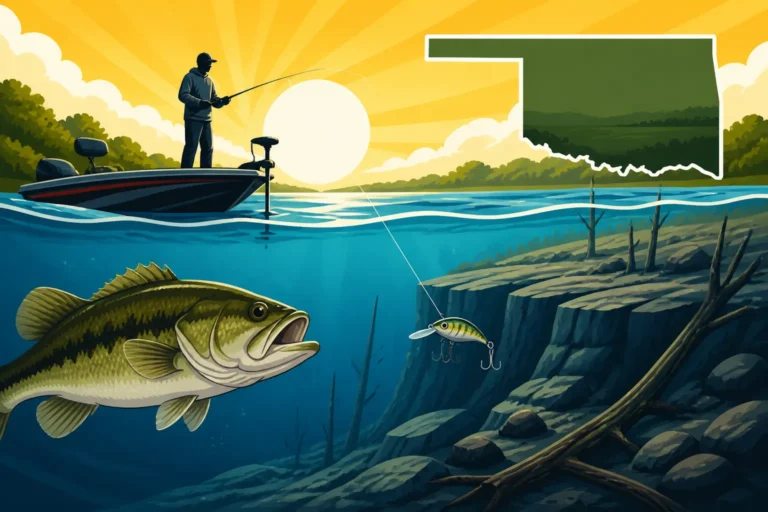
There's nothing quite as frustrating as heading out for a day on the water, full of optimism and a freshly stocked tackle box, only to find the fish just aren't biting. It makes you wonder if you picked the wrong spot, the wrong bait, or perhaps, simply the wrong time. This comprehensive guide is here to unravel the mysteries of Oklahoma's fishing calendar, helping you understand the best times of year to target your favorite species and ensure your next trip isn't just a boat ride, but a successful angling adventure.
Understanding Oklahoma's Fishing Seasons
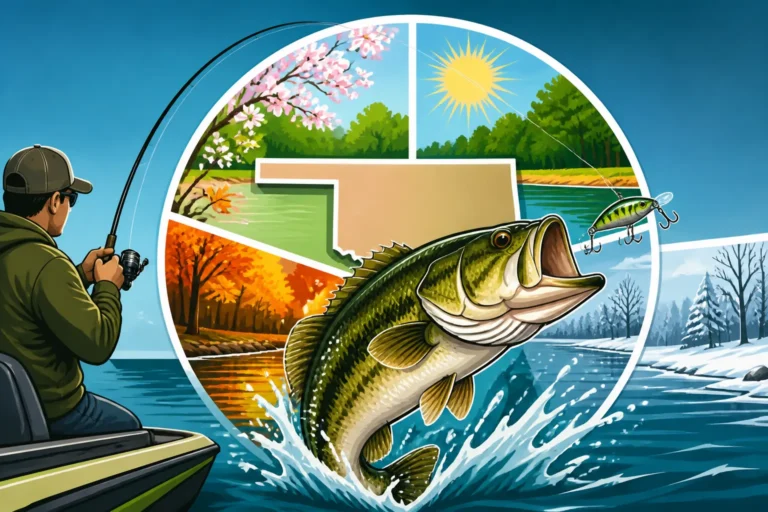
Fishing in Oklahoma isn't a one-size-fits-all endeavor; the subtle shifts in seasons bring dramatic changes to fish behavior. What works like a charm in April might be completely ineffective in August. It’s all tied into their biological rhythms, primarily driven by temperature and light, which dictate everything from feeding habits to spawning patterns. Ignoring these natural cues is like trying to convince a turkey to gobble in July – it just doesn't make sense.
Why Seasonal Changes Matter for Anglers
Think of it this way: fish are cold-blooded creatures, and their metabolism is directly linked to the water temperature around them. When the water warms up in spring, their metabolism kicks into high gear, making them hungrier and more active. They're preparing to spawn, and then recovering from it, both energy-intensive processes. Conversely, as temperatures drop in fall and winter, their metabolism slows down. They become less active, their feeding windows shrink, and they often seek out deeper, more stable water. Understanding these fundamental shifts is the first step to becoming a more consistent angler.
It's not just about comfort for the fish; it's about survival. They have to find food, avoid predators, and successfully reproduce. Each season presents different opportunities and challenges for them, and by extension, for us as anglers. For instance, shallow water that's teeming with bass in the spring might be completely devoid of them during the peak of summer, simply because the water has gotten too hot for them to be comfortable or effectively ambush prey. Learning to anticipate these movements and behaviors based on the calendar is a skill that separates the casual angler from the consistently successful one.
The Impact of Water Temperature and Day Length
Water temperature is, without a doubt, the single most crucial factor influencing fish activity. It tells fish when to eat, when to spawn, and where to hang out. For instance, largemouth bass prefer water temperatures between 60 and 75 degrees Fahrenheit for optimal activity and spawning. Crappie often look for slightly cooler ranges, while some catfish species can tolerate much warmer or colder conditions. It's a constant balancing act for them, seeking out the "comfort zone" where they can thrive.
Day length, or photoperiod, also plays a significant, albeit more subtle, role. As days lengthen in spring, it signals to fish that it's time to move towards spawning areas. As they shorten in fall, it triggers an instinct to feed heavily, packing on weight before the lean winter months. These two factors, temperature and light, work in tandem to orchestrate the yearly cycle of fish activity. Keeping a keen eye on a lake's water temperature, often available from fish finders or even some public reports, can be more telling than the calendar date alone. If you're wondering about the nuances of this, diving into a guide on Water Temperature and Oklahoma Fishing Timing can provide even deeper insights.
Spring: The Burst of Activity
Spring in Oklahoma is an angler's dream, a period of renewed life and energy after the slow pace of winter. As the ice thaws and the sun gains strength, a cascade of changes awakens the aquatic world. This season offers some of the most consistent and exciting fishing opportunities, but it’s a dynamic period with distinct phases that require different approaches.
Pre-Spawn Excitement for Bass and Crappie
As winter's chill begins to recede, typically in March, the water temperature in Oklahoma lakes starts to climb from the low 40s into the 50s. This "pre-spawn" period is arguably one of the most productive times for catching trophy-sized bass and crappie. Fish are moving out of their deep winter haunts and staging in shallower waters, often near creek channels, points, and transition areas, feeding heavily to build up energy for the upcoming spawn. They're hungry, aggressive, and often stacked up in predictable locations.
For bass, this means crankbaits, jerkbaits, and spinnerbaits can be incredibly effective as they aggressively chase down baits. Crappie, too, become much more active, often schooling up in large numbers around submerged brush piles and standing timber in 10-20 feet of water. Jigs, tipped with minnows or soft plastics, fished slowly around these structures can yield incredible results. This is a crucial window for anglers to capitalize on their increased feeding drive before they get distracted by the act of spawning itself.
The Frenzy of the Spring Spawn
Once water temperatures consistently hit the sweet spot – typically 60-68 degrees for largemouth bass, and a bit earlier, around 55-65 degrees, for crappie – the spawn kicks into full gear. This is when the fish move into very shallow water, often less than 5 feet deep, to construct nests and lay eggs. For bass, this means targeting protected coves, sandy flats, and weed lines. You'll often see them on their beds, guarding their offspring, making them highly visible targets.
This period, usually peaking from late March through May depending on the region and specific lake, can be exhilarating. Sight fishing for bass on beds is popular, using baits like jigs, Texas rigs, or weightless Senkos to provoke a strike. Crappie will be around shallow brush, docks, and reeds. A simple bobber and minnow or a tiny jig can be deadly. However, remember that while thrilling, disturbing spawning fish too much can impact future populations, so catch and release is often encouraged, especially for bass. For more detailed insights into this exciting period, check out our guide on Spring Bass Spawn Timing in Oklahoma.
Post-Spawn Recovery and Continued Bites
After the intensity of the spawn, fish enter a "post-spawn" phase, which typically lasts from late May into June. Many anglers mistakenly believe fishing slows down during this time, but it's merely a shift in tactics. Female fish, exhausted from spawning, retreat to slightly deeper, cooler water to recover. They're often lethargic for a short period but soon start feeding again to regain their strength. The males, however, may stay shallow a bit longer, guarding fry, and remain somewhat aggressive.
During this recovery phase, fish often relate to deeper structure near their spawning grounds – think main lake points, ledges, and submerged humps. Soft plastics, finesse baits, and slower-moving crankbaits can be effective. As the month progresses and fry grow, both male and female fish will begin to feed heavily on baitfish, often schooling up in open water. This can lead to incredible topwater action in the mornings and evenings as they chase shad. Don't write off post-spawn; it's just a transition that requires a little adjustment to your approach!
Summer: Navigating the Heat
Oklahoma summers are legendary for their heat, and while the thought of scorching sun might deter some anglers, dedicated fishermen know that some of the most exciting action can happen during these warmer months. It just requires a strategic shift in when and how you fish. The key is understanding how fish react to elevated water temperatures and lower oxygen levels.
Early Morning and Late Evening Bites
When the sun is blazing high overhead, fish, much like us, seek refuge from the heat. That's why the golden hours of dawn and dusk become absolutely critical during summer. The water is at its coolest then, and baitfish are often most active, creating perfect ambush opportunities for predatory species. If you're out on the lake by first light, you'll often be rewarded with explosive topwater strikes from bass and schooling white bass chasing shad.
As the sun begins to set, the cycle repeats. The dropping light and cooling air temperatures signal another feeding window. Throwing buzzbaits, poppers, or walking baits like a Heddon Super Spook Jr. across calm surfaces can trigger aggressive strikes. For crappie, evening means moving closer to shallower brush or under lighted docks where insects congregate, attracting minnows. This is why our guide on Best Time of Day to Fish Oklahoma Lakes in Summer emphasizes these precise windows. It's often worth the early alarm or late night to experience these prime feeding times.
Deep Water Strategies and Thermoclines
Once the sun climbs and temperatures soar, fish move to deeper, cooler, more stable water where oxygen levels are often better. This is where your electronics, like a good fish finder, become your best friend. Learning to read your graph to identify thermoclines – layers of water with different temperatures – is crucial. Fish will often suspend right above or within the thermocline, especially species like striped bass and deep-water crappie.
Targeting these deep-water fish requires different techniques. Vertical jigging spoons, dropping heavy jigs or Carolina rigs to the bottom, or slow-trolling deep-diving crankbaits are all effective methods. For blue catfish and channel catfish, this often means targeting deep river channels, submerged timber, and ledges with cut bait or punch bait. Don't be afraid to fish 20, 30, or even 40 feet deep; that's where the big ones are hiding from the heat. Finding the right gear for this kind of deep fishing, from robust rods to specialized lines, can often be done with a quick search on Amazon.
Embracing the Night Fishing Experience
For many Oklahoma anglers, night fishing isn't just an alternative to battling the summer heat; it's a preferred tactic. Once the sun dips below the horizon, the lake transforms. The surface cools, boat traffic dwindles, and many species become incredibly active under the cover of darkness. This is especially true for catfish, crappie, and even some bass. The lack of light makes fish feel more secure, and they move into shallower water to feed.
Catfish are perhaps the most popular target for night fishing, often caught on stink baits, cut bait, or live perch fished on the bottom or under a bobber. For crappie, hanging submersible lights or lanterns over the water can attract plankton, which draws minnows, and in turn, crappie. Fishing jigs or minnows directly in the halo of light can be deadly. Bass will hunt along shallow points and structures, hitting dark-colored spinnerbaits, buzzbaits, or large worms. For a truly unique summer angling experience, our article on Summer Night Fishing Techniques in Oklahoma offers a detailed roadmap.
Fall: The Feeding Frenzy Before Winter
After the dog days of summer, the arrival of fall brings a welcome change to Oklahoma's fishing scene. The crisp air, vibrant foliage, and steadily cooling water temperatures signal one of the most productive times of the year for anglers. This is a season of transition, marked by aggressive feeding as fish prepare for the colder months ahead.
Cooling Waters and Aggressive Feeding
As September and October roll around, the water temperatures in Oklahoma lakes gradually begin to drop from their summer highs. This cooling trend revitalizes fish metabolism, similar to spring, but with a different urgency. Fish sense the approaching winter and know they need to pack on calories. This leads to what many anglers call the "fall feeding frenzy." Species like bass, crappie, and striped bass become incredibly aggressive, chasing down schools of baitfish with gusto.
This renewed activity means lures like crankbaits, spinnerbaits, and topwater plugs can be highly effective as fish are willing to chase. Don't be surprised to see baitfish, often shad, "balling up" on your electronics, with game fish close behind. This is the time to cover water and present active baits that mimic fleeing prey. The cooler water also means fish are comfortable in a wider range of depths, making them more accessible than during the peak of summer.
Targeting Schooling Fish and Shad Runs
One of the hallmarks of fall fishing in Oklahoma is the congregating of baitfish, primarily shad, into massive schools. These schools are like magnets for predatory fish. Bass, white bass, and especially striped bass will actively pursue these schools, often pushing them to the surface in spectacular feeding frenzies known as "topwater boils" or "jumps." Witnessing a school of stripers erupting on the surface, with gulls diving and water churning, is an unforgettable experience.
Finding these bait balls is key. Pay attention to bird activity, especially gulls, as they often dive where fish are pushing bait to the surface. Your fish finder will also be crucial for locating these schools in open water or along main lake points and humps. Once you find them, cast spoons, swimbaits, or topwater lures into the melee. For crappie, fall often means they're grouping up again around deeper brush piles and channel swings, feeding on baitfish before scattering for winter. This is prime time for Fall Crappie Fishing Patterns in Oklahoma, using jigs and minnows.
Preparing for the Winter Chill
While the fall feeding frenzy is fantastic, the season inevitably progresses, and water temperatures continue to drop. By late November and December, fish activity will begin to slow down considerably as they move towards their winter patterns. This is the time to start thinking about slowing down your presentations and adjusting your bait choices.
For bass, this means transitioning from fast-moving lures to slower-moving jigs, shaky heads, or blade baits. Crappie will often move to very deep brush piles or submerged timber. Catfish might still be caught in good numbers, but they'll typically be in deeper holes or main river channels. It's a period of anticipation, where you can still catch a lot of fish, but the frantic pace of early fall gives way to a more methodical approach as you prepare for the quiet challenge of winter fishing.
Winter: The Quiet Challenge
Winter in Oklahoma might seem like an unlikely time for fishing, especially for those who prefer warm weather, but it can actually be one of the most rewarding seasons. While the bite slows down considerably, the fish you do catch are often larger and the crowds are practically nonexistent. It's a season that demands patience, precision, and a willingness to brave the cold.
Slow and Steady Cold-Water Techniques
When water temperatures dip into the 40s and even 30s, fish metabolism drops dramatically. They're not actively chasing prey across the lake; instead, they're conserving energy. This means your approach needs to be incredibly slow and methodical. Fast-moving baits that worked in spring or fall will often be ignored. The key is to keep your bait in the strike zone for as long as possible and present it in a way that requires minimal effort from the fish to eat.
Techniques like vertical jigging with spoons or small soft plastics, slow-rolling a spinnerbait along the bottom, or fishing jigs and shaky heads with long pauses are highly effective for bass. For crappie, tiny jigs, often paired with a minnow, fished vertically over deep brush piles or standing timber are essential. Remember, a strike might feel like nothing more than a slight "thump" or added weight on your line, so pay close attention. This is a time when the subtle nuances of your presentation make all the difference.
Targeting Specific Winter-Hardy Species
Not all fish species respond to winter the same way. While bass and crappie can be caught, some species actually become more predictable and easier to target during the coldest months. Catfish, particularly blue catfish, can offer excellent winter fishing opportunities in Oklahoma. They often school up in deep river channels or creek bends, gorging on shad. Jug lines, trotlines, or bottom fishing with cut bait can be highly productive. Our guide on Winter Catfishing Techniques in Oklahoma offers a deep dive into these methods.
Trout fishing also becomes a winter staple in Oklahoma. The Oklahoma Department of Wildlife Conservation (ODWC) maintains several designated trout areas, stocking rainbow trout in specific streams and lakes during the colder months. Places like the Lower Illinois River (below Lake Tenkiller) and portions of the Blue River become prime destinations for fly fishermen and spin anglers alike, offering a unique cold-water fishing experience in the state.
Finding Warm Pockets and Overwintering Areas
Even in winter, fish will seek out areas with slightly warmer or more stable water temperatures. These "warm pockets" can be significant magnets for fish activity. Look for deep-water structures like ledges, humps, and submerged timber that offer thermal refuge. Also, the areas around power plant discharges, where water is consistently warmer, can be incredibly productive throughout the winter. Some large reservoirs like Lake Texoma or Lake Eufaula might have these unique zones.
Another strategy is to look for areas with darker bottom composition, such as mud flats, which can absorb more solar radiation and warm up a degree or two on sunny days. These subtle temperature increases can make a big difference to lethargic fish. Similarly, steep bluff walls or deep creek channels can provide stable water temperatures where fish will suspend or hold tight to the bottom, conserving energy until the first signs of spring.
Species-Specific Seasonal Strategies
While the general seasonal patterns apply across the board, each species in Oklahoma has its own unique calendar and preferences. To truly maximize your success, it's vital to tailor your approach to the specific fish you're targeting.
Bass Through the Seasons: Largemouth, Smallmouth, Spotted
Bass are arguably the most popular game fish in Oklahoma, and their behavior changes dramatically throughout the year. For largemouth bass, spring (March-May) is prime, starting with aggressive pre-spawn feeding, moving to shallow beds during the spawn, and then recovering in slightly deeper water. Summer (June-August) means early morning topwater, deep water structure, or night fishing. Fall (September-November) sees a resurgence of aggression as they chase baitfish in cooling water, often around main lake points. Winter (December-February) requires slow, finesse presentations in deep, stable areas. Our comprehensive guide on Bass Fishing Techniques by Season provides even more detailed strategies for each phase.
Smallmouth bass, found primarily in clear, rocky lakes like Lake Murray or the deep, current-rich portions of Grand Lake O' the Cherokees, follow similar patterns but often prefer rockier habitats. They can be particularly active in spring and fall, often hitting small crankbaits or jigs around rocky points and ledges. Spotted bass, common in many of Oklahoma's clear-water reservoirs, are often found deeper than largemouths, especially in summer, but will move shallow in spring to spawn. They respond well to jigs, shaky heads, and small swimbaits year-round.
Crappie Patterns: Black and White Crappie
Crappie fishing in Oklahoma is a year-round affair, but some seasons definitely shine brighter. Spring (March-May) is the undisputed king for crappie, as they move shallow to spawn, making them accessible to bank anglers and boaters alike. Jigs and minnows fished around brush piles, docks, and reeds are deadly. For more on this, consider exploring Crappie Jigging Techniques.
In summer (June-August), crappie retreat to deeper, cooler water, often suspending over brush piles, submerged timber, or around bridge pilings. Night fishing with lights is also highly productive. Fall (September-November) sees them schooling up and feeding aggressively again as water cools, often on deeper brush near creek channels. Winter (December-February) means slow, vertical presentations over the deepest brush piles and standing timber you can find. Lake Eufaula, Tenkiller, and Fort Gibson are known for excellent crappie fishing throughout the year, with specific nuances for each.
Catfish Calendars: Channel, Blue, and Flathead
Oklahoma is a catfish paradise, with channel, blue, and flathead catfish providing excellent opportunities across all seasons, though tactics change. Spring (March-May) sees them moving shallow for pre-spawn feeding and then spawning in cavities and holes. Cut bait, worms, and stink bait work well. Summer (June-August) is fantastic for catfish, especially at night. Channel cats will be active in shallower waters, while blues and flatheads seek deeper holes and channels.
Fall (September-November) can be excellent as they gorge on shad before winter. Blue catfish, in particular, will follow bait schools. Winter (December-February) often finds large blue catfish stacked in deep river channels or below dams, where slow-fished cut bait can yield monsters. For those interested in traditional methods, Catfish Bottom Fishing Techniques are essential. Lakes like Texoma, Eufaula, and Grand Lake O' the Cherokees are legendary for their catfishing potential.
Striped Bass and Walleye: Unique Seasonal Hunts
Striped bass, a landlocked powerhouse, primarily found in Lake Texoma and Keystone Lake, offer incredible action. Spring (April-June) brings the famous "striper run" in the Red River arm of Lake Texoma as they attempt to spawn, creating incredible opportunities for boaters and bank anglers. Summer (July-September) means deep-water trolling with downriggers or spoon jigging as they chase bait in the cooler depths.
Fall (September-November) is another peak, with stripers aggressively chasing massive shad schools. Winter (December-February) sees them suspended over deep structure, where vertical jigging or dead-sticking live bait can be effective. If you're targeting these hard-fighting fish, a guide on Striped Bass Trolling Techniques would be invaluable.
Walleye, though less widespread than other species, can be found in reservoirs like Canton Lake, Lake Fort Supply, and Tenkiller Ferry Lake. Their prime seasons are generally spring (March-May), when they move shallow to rocky areas to spawn, and fall (September-November), when they feed heavily. Trolling crankbaits, jigging, or using live bait like minnows are common tactics. During summer, they retreat to deeper, cooler water, often near the thermocline.
Beyond the Calendar: The Impact of Weather and Water Conditions
While understanding the seasons is paramount, a true Oklahoma angler knows that the weather on any given day can completely override the calendar. Fish aren't just following a date; they're responding to their immediate environment. Paying attention to these subtle (and sometimes not-so-subtle) cues can dramatically increase your success, even on days that seem "off-season."
How Fronts and Pressure Changes Affect the Bite
Ah, the dreaded (or revered) cold front. This is perhaps one of the most frustrating aspects of fishing. A beautiful, high-pressure system following a cold front can make fish incredibly lethargic and lockjawed. The sudden change in barometric pressure, combined with often clear skies and still conditions, makes fish retreat to cover, deeper water, and significantly reduces their willingness to bite. Conversely, a stable, low-pressure system, especially with some cloud cover or light rain, can often trigger an aggressive feeding response.
Learning to read the weather patterns and adjust your tactics is crucial. Before a front moves in, fish often feed aggressively, sensing the coming change. This is a prime time to hit the water! After a harsh front, you'll need to slow down your presentation, downsize your baits, and fish reaction strikes rather than aggressive feeding bites. A deeper understanding of these atmospheric influences can be gained by reading our detailed article on How Cold Fronts Change Fishing Patterns on Oklahoma Lakes.
Reading Water Temperature for Success
We've touched on water temperature, but it bears repeating: this is your most important tool, even more than the calendar. Your fish finder often has a temperature gauge, and learning to correlate that reading with fish activity is a game-changer. For example, knowing that largemouth bass start looking for spawning areas when the water hits the mid-50s or that crappie are most active when it's in the low 60s gives you a huge advantage.
Fish will actively seek their preferred temperature ranges. If the main lake is too hot, they'll go deeper or find spring-fed creeks. If it's too cold, they'll look for shallower, darker bottom areas that warm up faster. Monitoring the water temperature throughout your fishing day, not just at the start, can help you track fish movements and adjust your depth or location to stay on them. This constant vigilance transforms a generic "spring fishing" trip into a precision strike during the optimal thermal window.
The Influence of Rain, Wind, and Clarity
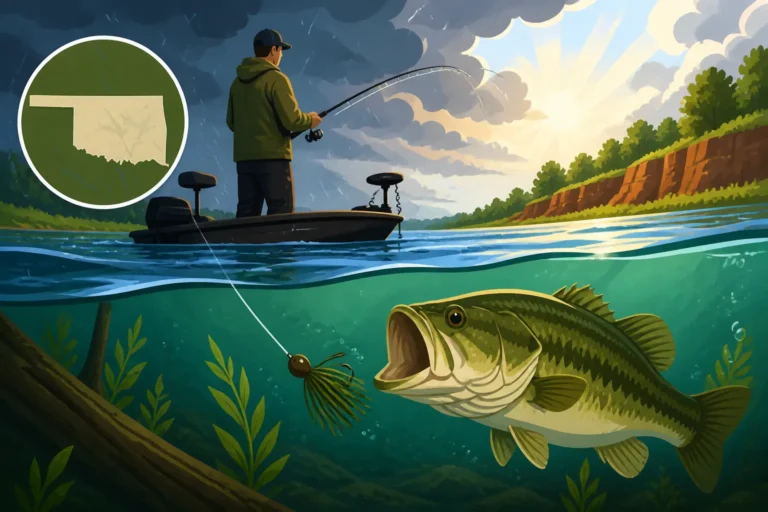
Beyond temperature and pressure, other environmental factors play significant roles. Rain, for example, can be a double-edged sword. A light, steady rain can often spark a bite, especially in warmer months, as it breaks up the surface, adds oxygen, and washes in new food. Heavy downpours, however, can muddy the water, drop water temperatures rapidly, and push fish deeper or into protected areas.
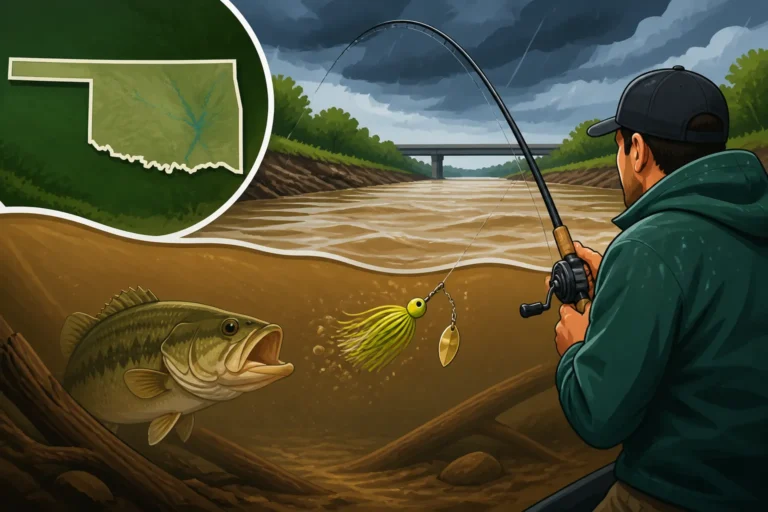
Wind, too, is a powerful force. A gentle breeze can create a "walleye chop" that makes fish more aggressive and concentrates baitfish. Too much wind, and it can make boat control difficult, stir up sediment, and push fish off shallow structure. Water clarity also dictates lure choice and presentation. In clear water, natural colors and finesse presentations shine. In stained or muddy water, brighter colors, noisy baits, and heavier thumping lures are often more effective to help fish locate them. All these elements combined create the ever-changing puzzle of Oklahoma fishing.
Planning Your Oklahoma Fishing Calendar
With all this information, you might feel a little overwhelmed. But don't worry! The goal isn't to memorize every single detail, but to understand the overarching principles and develop a flexible strategy. Planning your fishing calendar means being adaptable and making informed decisions about where and when to cast your line.
Tailoring Trips to Your Target Species
The first step in planning is always to decide what you want to catch. Are you after trophy largemouth bass? Do you prefer a cooler full of crappie? Or are you hoping to tangle with a monstrous blue catfish? Once you have your target, you can then zero in on the best times of year for that specific species, as we've outlined.
For instance, if your passion is paddlefish, you'll know that their snagging season is primarily focused on the colder months at specific locations like Grand Lake. If it's an abundance of white bass, you'll be looking for their spring spawning runs up rivers. A diversified approach, hitting different species at their peak times, means you can enjoy productive fishing throughout the entire year in Oklahoma. Many anglers even consult a guide like Oklahoma Fishing Seasons: A Month-by-Month Guide to help them strategically plan their trips.
Essential Gear for Every Oklahoma Season
Just as fish behavior changes, so should your gear. What works in a 90-degree summer day won't cut it in a 30-degree winter morning. Having the right clothing is paramount – layers in spring and fall, breathable sun-protective gear in summer, and serious thermal wear for winter. Investing in quality rain gear is also a smart move, as you never know when a shower might pop up. You can often find great deals on seasonal fishing apparel and specialized equipment with a quick browse on Amazon, ensuring you're ready for anything Mother Nature throws your way.
Beyond clothing, your tackle box will need seasonal adjustments too. In spring and fall, you might lean towards reaction baits like crankbaits and spinnerbaits. Summer calls for deep-diving lures, topwaters for early mornings, and maybe even a light for night fishing. Winter demands finesse jigs, spoons, and live bait. Keeping a well-organized tackle box with seasonal selections, or even having separate boxes for different times of the year, will save you time and frustration on the water. Make sure to have a good insulated cooler on hand, too, regardless of the season, for keeping your catch fresh or your drinks cold.
Maximizing Your Success Year-Round
Ultimately, the best time of year to fish in Oklahoma is whenever you can get out on the water. However, by understanding these seasonal patterns and adjusting your techniques accordingly, you transform every trip into a higher-probability venture. Don't be afraid to experiment, keep a fishing log to track your successes and failures with different conditions, and always be learning.
Remember, fishing is as much about the experience as it is about the catch. The quiet solitude of a winter morning, the explosive action of a summer sunrise, or the vibrant colors of a fall evening – each season offers its own unique charm. By embracing the ever-changing nature of Oklahoma's waters, you'll not only catch more fish but also gain a deeper appreciation for the rhythms of nature. So go ahead, dust off that tackle, check the forecast, and head out – Oklahoma's waters are calling!
Disclaimer
The information provided in this guide is for general informational purposes only and is based on typical seasonal patterns and expert opinions. Fishing conditions, regulations, and fish behavior can vary significantly based on specific locations, weather anomalies, and environmental factors. Always consult the latest regulations from the Oklahoma Department of Wildlife Conservation (ODWC) before fishing and prioritize safety on the water.