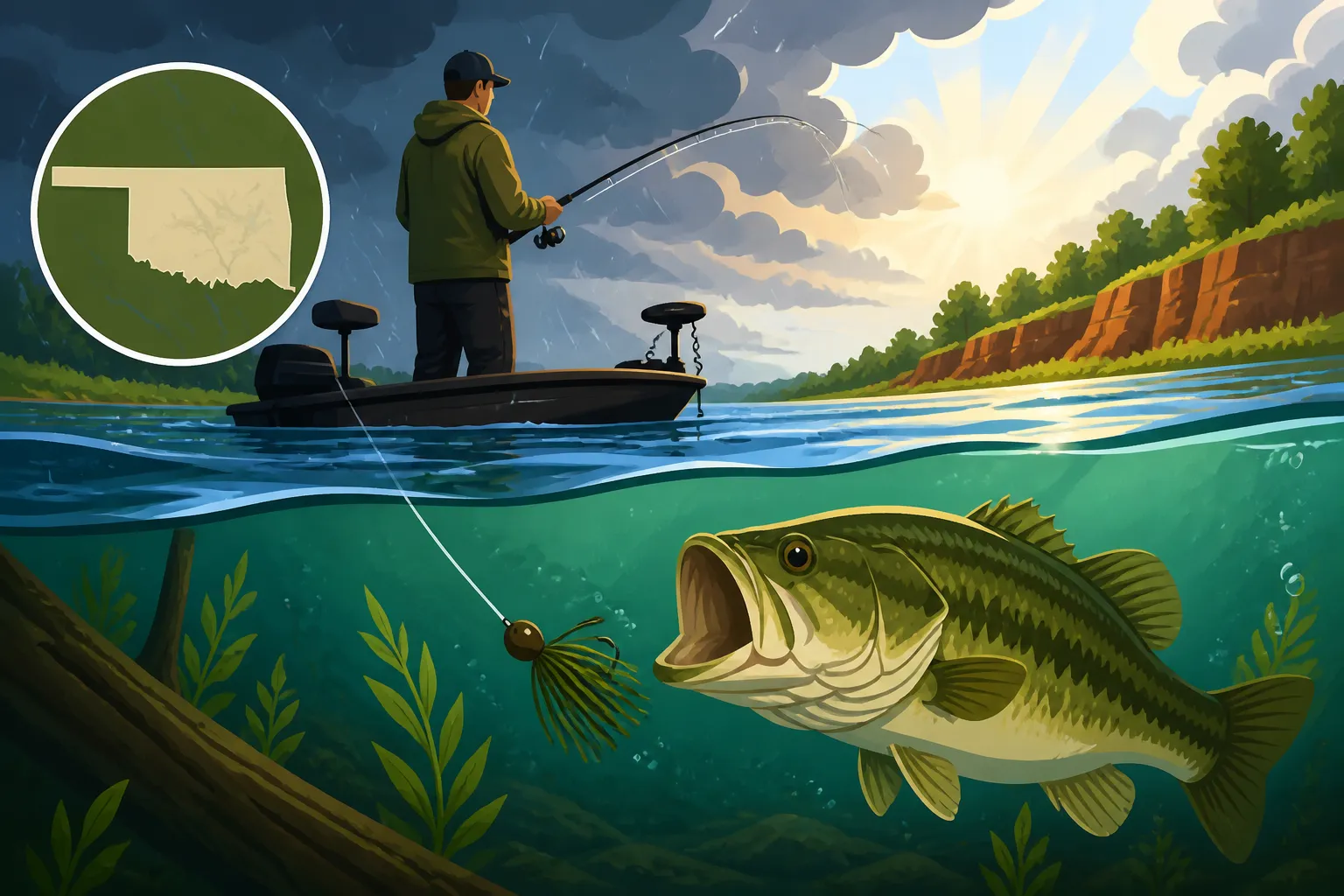
Fishing Techniques After Rain
We've all been there: you've planned your fishing trip for days, maybe even weeks, dreaming of that perfect cast, only for Mother Nature to throw a curveball with a heavy rainstorm. It’s easy to feel utterly deflated, thinking your chances of a successful day on the water are washed away. But don't pack up your gear just yet! Fishing after rain in Oklahoma can actually be incredibly productive if you understand how these weather changes affect the fish and, more importantly, how to adapt your techniques. This guide is all about turning those post-rain frustrations into triumphant catches.
Understanding How Rain Affects Oklahoma Fishing
Rain isn't just rain when it comes to fishing; it's a whole cascade of environmental shifts that completely alter a fish's world. Think of it like a ripple effect across the entire ecosystem of an Oklahoma lake or river. These changes, whether subtle or drastic, dictate where fish will be, what they'll be eating, and how aggressively they'll bite. Getting a handle on these variables is the first step to mastering post-rain fishing.
Water Clarity Changes and Their Impact
Perhaps the most obvious effect of a rainstorm, especially a heavy one, is the change in water clarity. Picture a clear, calm lake before a storm, where you might see several feet down into the water. After a significant downpour, especially if it’s been preceded by dry conditions, runoff from the banks carries sediment, dirt, and organic matter into the water. This can turn crystal-clear water into a murky, muddy mess in a matter of hours. This is what we often refer to as "stained" or "muddy" water.
For fish, this sudden lack of visibility is a huge deal. Predatory fish, like bass and crappie, rely heavily on their eyesight to hunt. When the water gets cloudy, their visual hunting advantage is severely diminished. This can make them less active or force them to rely on other senses. However, it also offers a certain amount of cover, making them bolder and less wary of predators – including us, the anglers! It's a double-edged sword: harder for them to see your lure, but also harder for them to see you or other threats. Understanding How to Fish Muddy Water After Heavy Rain is crucial here; it's not about giving up, but adjusting.
Water Temperature Fluctuations After a Storm
Rainfall, particularly during the warmer months, can have a noticeable impact on water temperature. A sudden summer downpour, for example, often brings cooler air and rain that can significantly drop the surface temperature of a lake. This can be a huge trigger for fish. In the scorching Oklahoma summer, even a few degrees can make a world of difference, invigorating lethargic fish that have been hunkered down in deeper, cooler water. They might move shallower to take advantage of this new, more comfortable thermal zone.
Conversely, during colder months, if the rain itself is warmer than the ambient air or the existing lake temperature, it can actually slightly raise the water temperature in shallower areas. While less common, this subtle warming can also spur fish activity, as they seek out these slightly warmer pockets. It's all about finding those comfortable zones where fish feel most active. How Water Temperature Affects Oklahoma Fishing Timing is a complex but vital piece of the puzzle.
Oxygen Levels and Fish Behavior
Here's a less obvious but equally important factor: oxygen levels. Heavy rain can introduce a significant amount of oxygen into the water, particularly in shallow areas, along shorelines, and in areas with heavy inflow. Think of all those raindrops splashing into the surface – it's like a natural aeration system. This boost in dissolved oxygen can be a huge stimulant for fish, especially in warmer conditions where oxygen levels can naturally dip.
Fish are like us; they prefer comfortable, oxygen-rich environments. When a rainstorm oxygenates the shallows, fish that might have been holding deeper due to low oxygen can suddenly become much more active and willing to feed in those areas. This is particularly true for species like crappie and bass. The new inflow also carries nutrients and small organisms, further drawing fish to these freshly oxygenated zones. It’s a temporary buffet with fresh air!
Finding the Fish: Key Locations After Rain
Once you understand how rain shifts the underwater environment, the next step is knowing where to find those fish. They don't just randomly scatter; they often gravitate to specific areas that offer advantages in the new conditions. Pinpointing these hotspots is key to a productive post-rain outing.
Inflow Areas and Creek Mouths
Without a doubt, one of the absolute best places to target after rain, especially a substantial one, is any area with significant inflow. Think about where creeks, rivers, or even drainage ditches flow into a larger lake or reservoir. These "inflow areas" become magnets for fish for several reasons.
Firstly, they introduce fresh, often cooler, oxygenated water. As we just discussed, this can be incredibly appealing to fish. Secondly, and perhaps most importantly, the rushing water washes in all sorts of food sources. Worms, insects, small baitfish, and organic debris get flushed out of culverts and creek beds and become an easy meal for hungry game fish. Bass, crappie, and catfish will stage themselves near these creek mouths, waiting for the buffet to arrive. Don't be afraid to cast directly into the muddy plume where the creek meets the main body of water. Often, the transition zone, where the dirty water meets cleaner water, is also a prime location.
Shallow Cover and Structure
When the water clarity decreases, fish often feel more secure in shallower water, especially if there's ample cover. The diminished visibility provides a natural camouflage, allowing them to feel safer from overhead predators and making them more inclined to ambush prey. Look for areas with dense vegetation like lily pads, submerged grass beds, or even flooded brush and timber along the shoreline. These spots provide excellent ambush points.
Beyond natural cover, man-made structures are also fantastic. Boat docks, fallen trees, bridge pilings, and riprap banks can hold fish that are seeking cover or a break from any newly generated current. These structures also tend to concentrate baitfish that are themselves looking for refuge, creating a perfect feeding scenario for larger predators. Remember, in murky water, fish often hug cover tighter than usual, so focus your casts right up against these elements.
Current Breaks and Eddies
Heavy rain can create significant current, even in lakes, particularly near dam spillways, narrow channels, or large inflow areas. Fish are smart; they don't want to fight a strong current all day long. Instead, they'll seek out "current breaks" – areas where the flow is disrupted and they can expend less energy. These can be found behind large rocks, fallen trees, bridge pilings, or points of land that jut into the flow.
Eddies, which are swirling pockets of calmer water formed by the current, are also prime locations. These are often found downstream of obstacles or in recessed areas along a bank. Fish will sit in these calm pockets, waiting for food to be swept by in the main current. This strategy is particularly effective for species like striped bass or white bass, which are highly attuned to current and actively feed on baitfish being washed downstream. Understanding how to interpret the water's flow and identify these calmer zones is a skill that will pay dividends after any significant rain event.
Best Baits and Lures for Post-Rain Fishing
With the water turning murky and fish potentially relying more on senses other than sight, your bait and lure selection becomes paramount. You need offerings that can cut through the murk and grab a fish's attention. Forget the subtle, natural-looking presentations you might use in clear water; after a rain, it's often about making a statement.
Attracting Fish in Stained Water
In stained or muddy water, visual appeal takes a backseat to other sensory triggers. This means you need baits and lures that excel at creating vibration, sound, or a strong color contrast.
- Vibration and Sound: Crankbaits with internal rattles, spinnerbaits with large thumping blades, and ChatterBaits are absolute champions in dirty water. The vibration these lures generate can be felt by fish through their lateral lines, even if they can't see the lure. These vibrations act like a beacon, drawing fish in from a distance. Consider a lipless crankbait that creates a lot of commotion.
- Color Contrast: While visibility is low, certain colors still stand out better than others. Chartreuse, bright orange, hot pink, and black-and-blue are classic dirty water colors. These aren't trying to imitate anything natural; they're designed to provide a stark contrast against the dark water, making them easier for fish to spot at close range. Sometimes, even white can offer enough contrast to be effective. Experimentation is key, but generally, brighter or darker, contrasting colors will outshine natural hues.
- Scent: Don't underestimate the power of scent in murky water. Applying scent attractants to your soft plastics, jigs, or even hard baits can make a huge difference. Brands like Berkley PowerBait and Smelly Jelly offer effective options. The fish might not see your lure, but they'll definitely smell it, guiding them to the bite.
Natural Baits and Scent Appeal
When visibility is low, fish often revert to their most basic instinct: follow the smell. This makes natural baits, which are inherently full of scent and flavor, incredibly effective after rain.
- Worms: Earthworms, nightcrawlers, and red wigglers are phenomenal post-rain baits. As the ground becomes saturated, worms are flushed out of the soil and into the water, becoming a natural food source for almost every freshwater species. Presenting them on a simple hook with a weight can be deadly for catfish, crappie, and even bass.
- Minnows: Live minnows are another fantastic option, especially for crappie and even bass. Their natural movement and scent are hard for predatory fish to resist. Hook them through the lip or the back, depending on how you're presenting them, and let them do the work.
- Cut Bait: For catfish, especially blue and channel cats, cut bait is a game-changer. Freshly cut shad, skipjack herring, or even commercially prepared catfish baits have a powerful scent trail that can attract catfish from a surprising distance in murky water. The strong smell penetrates the stained water, guiding the catfish directly to your offering. Best Cut Bait for Catfish Fishing often involves targeting their incredible sense of smell.
Vibration and Noise for Low Visibility
Let's dive deeper into the mechanics of using vibration and noise. It’s not just about throwing a noisy lure; it’s about understanding why it works and how to maximize its effectiveness.
Fish have a highly developed lateral line system – a series of sensory pores running along their sides – that detects pressure changes and vibrations in the water. In low visibility conditions, this becomes their primary way of locating prey. Lures designed to create a strong "thump" or "rattle" capitalize on this.
- Spinnerbaits: With their revolving blades (Colorado or Indiana blades are great for creating thump), spinnerbaits are ideal. They also offer a strong visual profile, especially with a chartreuse or black-and-blue skirt, which can be seen at short distances. Retrieving them slowly enough to ensure the blades are turning is crucial.
- Rattling Crankbaits/Lipless Crankbaits: These lures are essentially noise machines. The internal rattles create a commotion that fish can't ignore. Lipless crankbaits, retrieved with a yo-yo retrieve or a steady burn, also generate significant vibration. A good choice would be something like the Rat-L-Trap or a Strike King Red Eye Shad, widely available on Amazon, known for their loud rattles.
- ChatterBaits (Bladed Jigs): These hybrids combine the flash of a jig with the vibration of a crankbait. The unique bladed head creates an erratic, high-vibration action that drives fish crazy in dirty water. They also offer a profile that can be bulky and enticing.
When using these baits, a slightly slower retrieve can sometimes be beneficial. It gives the fish more time to locate the lure by its vibration and to react, as their reaction time might be slightly slower in the murk.
Adapting Your Techniques for Success
It's not enough to just pick the right bait; you also need to adjust how you present it. The way you work your lure, the depth you target, and even your approach from bank or boat will change after a good rain.
Slowing Down Your Presentation
This is probably one of the most common and crucial pieces of advice for fishing in muddy water. When fish can't rely on sight, they need more time to locate and commit to your bait using their other senses. A fast retrieve might zoom past a fish before it even knows what hit it.
- Patience is Key: Whether you're working a jig, a spinnerbait, or a Texas rig, slow down. Let your lure sit longer, crawl it along the bottom, or pause your retrieve more frequently. If you're using a spinnerbait, slow down just enough so the blades are still turning and thumping, but not so fast that it's out of a fish's strike zone before they can react.
- Contact with Structure: Slowing down also allows you to maintain better contact with the bottom or any cover. In murky water, fish often hug structure very tightly. Dragging a jig or a weighted worm slowly across a stump or rock pile ensures your bait is in the strike zone longer. When considering How to Rig a Jig for Bass Fishing, a slow, deliberate presentation is often the winning ticket after rain.
- Scent Diffusion: For baits with scent, a slower presentation allows the scent trail to dissipate and attract fish from a wider area. If you're soaking cut bait for catfish, the slower the current and the longer it sits, the more time the scent has to spread.
Targeting Different Depths
Rainfall can change the entire water column. Fish might be pushed shallower, pulled deeper, or become stratified at specific thermoclines. Your approach to depth needs to be flexible.
- Shallow Water Focus: Often, after rain, especially in summer, fish will move shallower. This is where oxygen levels are highest, water temperatures might be more comfortable, and fresh food sources are washing in. Don't be afraid to target water as shallow as 1-3 feet, especially around flooded cover. Many anglers overlook these shallow zones in dirty water, assuming fish have gone deep, but often the opposite is true.
- Mid-Depth Exploration: While shallow water can be hot, some fish might prefer to suspend in the mid-depth range, especially if there's a distinct thermocline or if the surface water is too turbulent. Using crankbaits that dive to different depths or suspending jerkbaits can help you probe these intermediate zones.
- Bottom Huggers: Catfish, in particular, are often found right on the bottom, regardless of water clarity, as they're primarily scent feeders. Blue catfish and channel catfish will patrol the bottom, especially near creek channels and drops-offs, looking for food washed in by the rain. Bottom Fishing Techniques for Catfish are generally effective year-round, but especially so after a good rain.
Bank vs. Boat Fishing Adjustments
Your platform matters. Fishing from the bank offers unique advantages and challenges compared to fishing from a boat after a rain.
- Bank Fishing After Rain: If you're a bank angler, rain can actually improve your access to fish. With inflows bringing food closer to shore and fish feeling bolder in murky water, many prime spots become accessible. Focus on creek mouths, riprap banks, and areas where runoff enters the main body of water. You might find fish surprisingly close to the bank. A great resource is Bank Fishing Tips for Beginners, which can help optimize your approach. However, be extremely cautious of slick, muddy banks and potentially elevated water levels.
- Boat Fishing After Rain: From a boat, you have the advantage of mobility. Use your electronics (if you have them) to locate submerged creek channels, drops, and brush piles that might be holding fish. Trolling motor spot-lock can be invaluable for holding position in current around inflow areas. You can also cover more ground, moving from one creek arm to another, or working vast stretches of shoreline cover. When fishing from a boat, prioritize safety with proper gear like life jackets and a well-stocked Safety Gear Checklist for a Day on an Oklahoma Reservoir.
Safety Considerations When Fishing After Rain
While post-rain fishing can be fantastic, it's absolutely crucial to prioritize safety. The very conditions that make fishing productive can also create hazardous situations for anglers. Never let the excitement of the bite overshadow your personal well-being.
Navigating Debris and Strong Currents
Rain, especially heavy or prolonged rainfall, can wash a significant amount of debris into Oklahoma's lakes and rivers. This includes everything from small twigs and leaves to entire trees, large logs, and even man-made trash.
- For Boaters: This floating debris poses a serious hazard. Running into a submerged log at speed can damage your prop, lower unit, or even hull, leading to costly repairs or a dangerous situation. Always operate your boat with extreme caution, especially in areas of significant current or near inflow points where debris tends to concentrate. Keep a vigilant lookout, slow down, and consider waiting until the worst of the debris has passed or settled. Strong currents near dam spillways, river channels, or large feeder creeks can also be dangerous, making boat control difficult.
- For Bank Anglers: Even from the bank, strong currents can be dangerous. Never wade into water with strong currents, as unstable footing and hidden debris can quickly sweep you away. Keep a safe distance from the water's edge in fast-flowing areas.
Dealing with Slick Banks and Eroded Trails
The ground around lakes and rivers becomes incredibly treacherous after rain. Muddy banks are notoriously slick, and even established trails can become eroded, unstable, or simply a muddy mess.
- Footing: Wear appropriate footwear with good traction, like waterproof hiking boots. Avoid sandals or smooth-soled shoes. Be extremely mindful of where you step, testing the ground before committing your full weight. A sudden slip can lead to injury or, worse, a fall into the water.
- Erosion: Areas prone to erosion, such as steep banks or bluffs, can become unstable. Stay away from undercut banks or areas where the soil looks loose and likely to give way. The ground might look solid, but a recent rain could have created hidden weaknesses.
- Accessibility: Some of your favorite bank fishing spots might become temporarily inaccessible or significantly harder to reach due to mud. Don't push it. If a trail looks too hazardous, find an alternative spot or wait for conditions to improve.
Weather Awareness and Flood Warnings
The weather doesn't always clear up immediately after the rain stops. Secondary storms, lingering thunder, or rising water levels can all pose ongoing threats.
- Ongoing Weather: Always check the forecast before and during your trip. Just because one storm has passed doesn't mean another isn't on its way. Be aware of any continued severe weather warnings, especially for lightning, high winds, or flash floods.
- Rising Water Levels: Heavy rain, particularly upstream, can cause water levels to rise significantly and rapidly. This can inundate fishing spots, make boat ramps unusable, and create dangerous currents. Pay attention to local flood warnings and river gauge reports. If the water is rising rapidly, it's time to pack up. Understanding Does Fishing Get Better After a Storm? also involves understanding when it's safe to be near the water.
- Emergency Preparedness: Carry a fully charged cell phone. Inform someone of your fishing plans and expected return time. If boating, ensure all your safety gear is in order, including life jackets for everyone on board, a sound-producing device, and navigation lights if there's any chance you'll be out at dusk or dawn.
Species-Specific Tips for Post-Rain Conditions
Different fish species react to post-rain conditions in their own unique ways. Tailoring your approach to your target species will significantly increase your chances of success.
Bass Fishing After a Downpour
Bass are often invigorated by a good rain, especially if it cools the water or increases oxygen. They can become incredibly aggressive, moving shallow to take advantage of new food sources.
- Largemouth Bass: These are opportunistic feeders and love the cover that muddy water provides. Focus on shallow, flooded cover like brush, grass, and timber, especially near creek mouths or areas with runoff. Big, noisy lures like spinnerbaits (with large Colorado blades), lipless crankbaits, ChatterBaits, and dark-colored jigs with bulky trailers are excellent choices. Slow rolling a spinnerbait or pitching a black-and-blue jig into thick cover can be incredibly effective. Consider using a Texas rig with a creature bait or a worm, allowing it to slowly sink through the cover, especially where the water has just recently risen.
- Smallmouth and Spotted Bass: While they also benefit from oxygenated water, smallmouth and spotted bass often prefer clearer water than largemouths. In heavily stained conditions, they might move to the fringes of the muddy water, near deeper rock piles or bluff ends where the visibility is slightly better. However, don't rule out current breaks in rivers or clear-water feeder creeks where they might congregate to ambush food. Vibrating jigs or small crankbaits can entice them.
Crappie and Catfish Strategies
Crappie and catfish offer some of the most consistent fishing opportunities after a rain, though for different reasons.
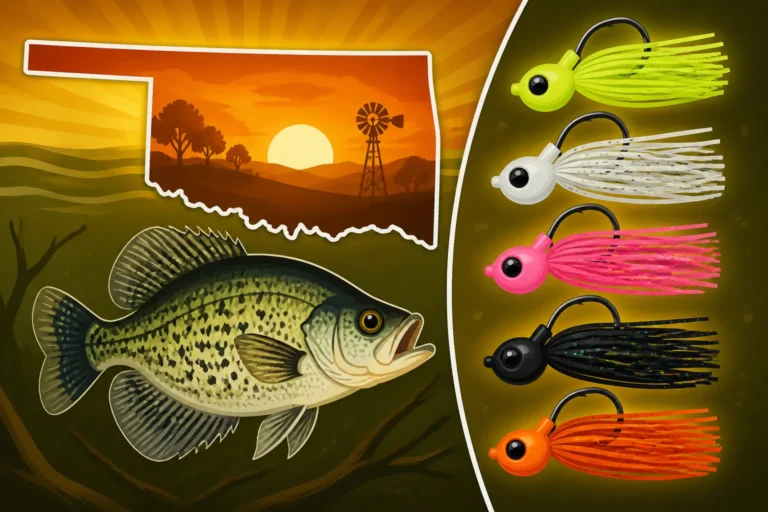
- Crappie: Crappie often move shallower after rain, particularly in areas with brush, standing timber, or boat docks. The increased oxygen and potential for washed-in food makes these areas very attractive. They'll also follow baitfish into these zones. In stained water, use jigs with a strong profile and bright colors like chartreuse, orange, or white. A small minnow fished under a bobber or on a jig head can also be deadly. Look for vertical structure, like bridge pilings or trees, as they will often suspend at a specific depth along these structures. How to Catch Crappie from the Bank becomes a prime strategy when they move closer to shore. Remember that Oklahoma has various Crappie Fishing Rules and Limits, including stricter limits at six specific lakes, so always check local regulations.
- Catfish: This is where rain truly shines for anglers! Catfish thrive in murky water because they rely so heavily on their sense of smell. As organic matter and food sources wash into the lake, catfish go on a feeding frenzy. Focus on creek channels, the mouths of major inflows, and deeper holes on the main lake or river. Use strong-smelling natural baits like cut shad, chicken liver, or shrimp, fished on the bottom with a Carolina rig or a three-way swivel setup. The muddier the water, the stronger the scent you'll want. Think about anchoring upstream of a channel edge and letting your scent trail drift down to waiting catfish.
White Bass and Striped Bass in High Water
These aggressive, schooling fish can offer some truly epic fishing after heavy rain, especially in large reservoirs with significant river inflows like Lake Texoma or Grand Lake.
- White Bass: Often found running up rivers and larger creeks during their spring spawn, white bass will also aggressively feed in these areas after heavy rain flushes in food. Look for them boiling on the surface, or use a fish finder to locate schools in deeper channels. Small spoons, inline spinners, and white or chartreuse soft plastic grubs rigged on a jig head are highly effective. Focus your efforts at the mouths of creeks and rivers, where they'll be feasting on baitfish caught in the current.
- Striped Bass: Lake Texoma is renowned for its incredible striped bass fishery, and rain can certainly stir things up. Stripers will follow baitfish into major creeks and river arms, especially if the current is bringing in new food. Trolling with large crankbaits or live bait (like shad) in the main lake or larger arms can be effective. Near inflows, they'll often hold in deeper channels or current breaks, waiting to ambush prey. The Slab Spoon or Road Runner style jigs, often available on Amazon, can be very effective when jigged vertically into schools of fish you mark on your electronics. They are particularly active when baitfish are being washed into the main lake. Consider the strategies in Best Lures for Striped Bass During the Spring Run, as many of those principles apply to post-rain conditions where fish are active and chasing bait.
| Species | Best Post-Rain Locations | Recommended Baits/Lures | Key Technique Adjustments |
|---|---|---|---|
| Largemouth Bass | Shallow flooded cover, creek mouths, riprap | Spinnerbaits (Colorado blades), ChatterBaits, Jigs, Texas rigs | Slow retrieve, pitch into tight cover, focus on vibration & contrast |
| Smallmouth Bass | Fringes of muddy water, deeper rocks, clear inflows | Crankbaits, vibrating jigs, small spinnerbaits | Work slower, probe edges of clarity, focus on rock structure |
| Crappie | Shallow brush, boat docks, standing timber, vertical structure | Small jigs (chartreuse/white), live minnows, bobber rigs | Slow presentations, vertical jigging, target visual cover |
| Catfish | Creek channels, main lake holes, inflow areas, bottom | Cut bait (shad, liver), worms, stink baits | Bottom fishing, strong scent, allow time for scent to spread |
| White Bass | River/creek mouths, main lake points, schools | Spoons, inline spinners, white/chartreuse grubs | Fast retrieve for active schools, vertical jigging |
| Striped Bass | Main lake channels, large creek arms, current breaks | Large crankbaits, live shad, heavy jigs, slab spoons | Trolling, focus on baitfish schools, target deep water & current |
Disclaimer
Fishing conditions can change rapidly. Always consult the Oklahoma Department of Wildlife Conservation (ODWC) for the most current fishing regulations, license requirements, and any specific lake advisories before heading out. Safety should always be your number one priority on the water.