Oklahoma Free Fishing Days Weekend Fishing Tips
There’s nothing quite like the urge to cast a line, but that pesky fishing license requirement can sometimes be a barrier, especially for newcomers or those just looking for a casual day out with the family. It can feel like a chore to navigate the rules and spend money before you even know if you’ll enjoy it. That’s where Oklahoma’s Free Fishing Days come in, offering a fantastic opportunity to explore the state’s waters without needing a license. This guide will walk you through everything you need to know to make the most of these special weekends, from understanding the rules to finding the best spots and catching some fish.
Understanding Oklahoma's Free Fishing Days
For many, the idea of fishing without the usual licensing hassle is a dream come true. Oklahoma’s Free Fishing Days are designed to encourage new anglers, remind lapsed ones of the joy of the sport, and simply offer everyone a chance to enjoy the state's abundant waterways. But while the license requirement is waived, it’s crucial to understand that it’s not a complete free-for-all. There are still important rules to follow to ensure a legal and enjoyable experience for everyone.
When Are the Free Fishing Days?
The Oklahoma Department of Wildlife Conservation (ODWC) typically designates two specific days each year as Free Fishing Days. Historically, these days fall on the first full weekend of June. For instance, you might see them scheduled for the first Saturday and Sunday in June, a time when the weather is usually fantastic, and the fish are often active. This timing is intentional, coinciding with good conditions for angling and making it easier for families to participate before summer schedules get too hectic.
It's always a good idea to confirm the exact dates each year, as they can sometimes shift slightly. A quick check of the ODWC website closer to spring will give you the precise dates for the upcoming year. Mark your calendar, because these weekends tend to be very popular, and knowing in advance helps you plan a great outing. For the most up-to-date information, it's worth checking out "Oklahoma Free Fishing Days 2026: What You Need to Know" closer to the date.
What Regulations Still Apply?
This is where many anglers, especially new ones, can get a little confused. While you don't need a state fishing license on Free Fishing Days, all other fishing regulations remain in effect. This means statewide bag limits, size limits, and species-specific rules are still strictly enforced. For example, if you’re fishing for bass, the statewide limit of six largemouth and smallmouth bass combined, with only one over 16 inches, still applies. The same goes for crappie and catfish.
Think of it this way: the ODWC is giving you a free pass on the entry ticket, but not on the rules of the game. Game wardens will still be out and about, ensuring compliance, and ignorance of the rules is not an excuse. This is particularly important for species like paddlefish, which have very specific snagging seasons and gear requirements, or trout in designated trout areas. It’s absolutely essential to be familiar with the "Fishing Regulations You Need to Know in Oklahoma" before you head out. These regulations are in place to manage fish populations and ensure healthy fisheries for generations to come, and adhering to them is part of being a responsible angler.
Why Take Advantage of Free Fishing Days?
There are so many fantastic reasons to embrace Oklahoma’s Free Fishing Days! First and foremost, it’s an incredible opportunity for beginners to try fishing without the initial investment of a license. Maybe you’ve been curious about fishing but didn’t want to commit to buying a license only to find out it wasn’t for you. This weekend removes that barrier. It’s also perfect for introducing kids and grandkids to the joys of fishing.
For seasoned anglers, it’s a chance to explore a new lake or river you haven’t fished before, without adding another license to your wallet if you’re just testing the waters. It's also a wonderful excuse to gather friends and family for an outdoor adventure. The atmosphere on these days is often buzzing with excitement, and it can be a really positive and communal experience. Plus, let's be honest, saving a few bucks on the license means more money for bait, snacks, or that new lure you’ve been eyeing! If you’re wondering "Do You Need a License to Fish on Oklahoma's Free Fishing Days?", the answer is a resounding no, but the other rules are still in play.
Essential Gear and Preparation for Free Fishing Days
You don’t need a fully loaded bass boat or a high-end tackle collection to enjoy Oklahoma’s Free Fishing Days. In fact, one of the beauties of these weekends is that they’re perfect for keeping things simple. However, a little preparation goes a long way in ensuring a comfortable, safe, and successful outing. Thinking through your gear and planning ahead can make all the difference, especially if you’re bringing along excited kids.
Basic Tackle Box Essentials
For a successful Free Fishing Day, focus on versatile, user-friendly gear. You’ll want a simple rod and reel combo—a spinning rod setup is ideal for beginners and panfish, while a medium-action baitcasting setup can handle larger bass or catfish. Don’t overthink it. A basic "spincast" or "spinning" combo can be found at local sporting goods stores or even on platforms like Amazon for a very reasonable price, often under $50.
Your tackle box doesn’t need to be overflowing. Start with a selection of hooks (sizes 6 to 2 for panfish and smaller bass, larger sizes for catfish), an assortment of sinkers (split-shot and small egg sinkers are good), and a few bobbers. Live bait is always a winner – crickets and worms for panfish and smaller fish, or cut bait and shad for catfish. For lures, a few small jigs, a spinnerbait, and maybe a simple crankbait can cover a lot of ground. Don’t forget a pair of pliers for removing hooks, line clippers, and a small stringer or cooler to keep your catch fresh if you plan to keep any fish.
Apparel and Comfort Considerations
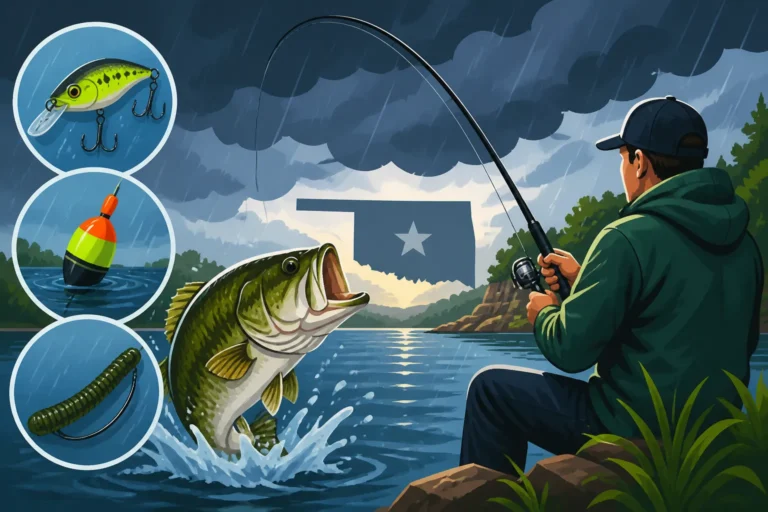
Being comfortable while fishing significantly enhances the experience, especially if you’re spending hours by the water. Dress in layers, as Oklahoma weather can be unpredictable, even in early June. A light long-sleeved shirt can protect you from the sun and pesky insects, while a waterproof jacket might come in handy for unexpected showers. A wide-brimmed hat and polarized sunglasses are absolute must-haves for sun protection and for seeing into the water to spot fish or structure.
Don't forget bug repellent, especially if you're fishing near wooded areas or still water. Comfortable, closed-toe shoes are also important for navigating uneven terrain along the bank. Lastly, stay hydrated! Bring plenty of water or other non-alcoholic beverages in a cooler. You can find quality coolers and insulated water bottles on Amazon that will keep your drinks cold all day, even in the Oklahoma heat. Pack some snacks too – fishing can be hungry work!
Pre-Trip Planning and Safety
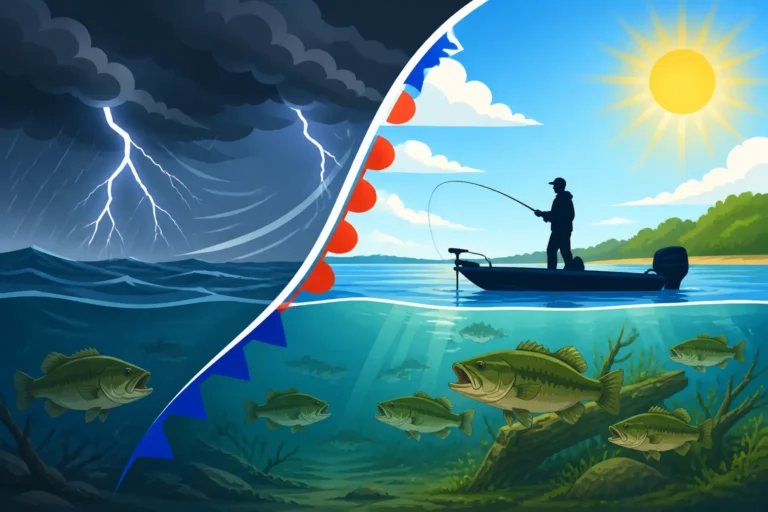
Before you even leave the house, a little planning can prevent a lot of headaches. First, check the weather forecast. High winds, thunderstorms, or extreme heat can dictate where and even if you should go fishing. Second, research your chosen fishing spot. Look for information on access points, parking, and any specific rules for that body of water. Some lakes might have specific regulations that supersede statewide rules.
Safety should always be a top priority. If you’re fishing from a boat, ensure you have all the required safety equipment, including life jackets for everyone on board. Remember, "Life Jacket Rules for Kids 12 and Under on Oklahoma Boats" are always in effect, even on Free Fishing Days. If fishing from the bank, be aware of your surroundings – slippery banks, poison ivy, or uneven ground. Always tell someone where you’re going and when you expect to return, especially if you’re venturing to a more remote location. Carry a basic first-aid kit for minor cuts or scrapes.
Targeting Popular Fish Species During Free Fishing Days
Oklahoma's waters are teeming with a diverse array of fish species, making Free Fishing Days a perfect opportunity to try your hand at catching several different kinds. Whether you're after the thrill of a hard-fighting bass, the delicious reward of crappie, or the steady pull of a catfish, there are techniques and locations to suit your fancy. Understanding the habits of these popular species will significantly boost your chances of success.
Bass Fishing Strategies
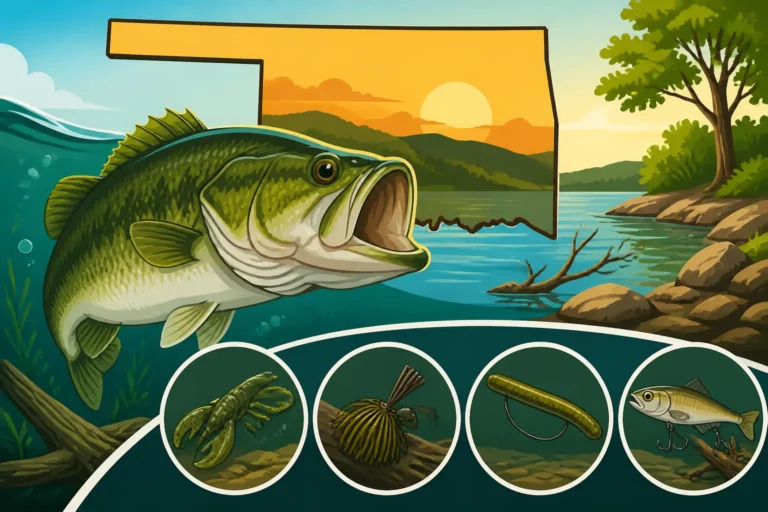
Largemouth bass are arguably the most popular game fish in Oklahoma, and for good reason—they're aggressive, fun to catch, and can grow to impressive sizes. During early June, bass are often in a post-spawn to summer pattern, meaning they’re recovering from spawning and actively feeding. Look for them around cover like submerged timber, weed lines, rock piles, and points. If you're fishing from the bank, target areas where you can cast to these structures or along drop-offs.
For lures, consider using Texas-rigged plastic worms, spinnerbaits, or shallow-diving crankbaits in natural colors like green pumpkin or shad patterns. Early mornings and late evenings are often the best times to target bass, as they'll move into shallower water to feed before retreating to deeper, cooler water during the heat of the day. Remember, Oklahoma's Bass Fishing Rules and Limits still apply, so be sure to measure your catch carefully. If you're new to the game, you might want to read up on "Best Bass Fishing Techniques by Season" to get a better handle on seasonal patterns.
Crappie and Panfish Tactics
Crappie, both black and white, are another fantastic target for Free Fishing Days, especially for family outings, as they are often abundant and relatively easy to catch. They are also delicious! Look for crappie around brush piles, submerged timber, bridge pilings, and docks. They tend to congregate in schools, so if you catch one, there are likely more nearby. Bluegill and other sunfish (often lumped together as "panfish") are even easier targets and provide constant action, which is perfect for keeping kids engaged.
For crappie, a simple jig-and-minnow setup or a small plastic crappie jig (1/16 to 1/8 ounce) fished under a bobber is incredibly effective. For bluegill, a tiny hook with a piece of worm or a cricket under a small bobber is practically foolproof. Focus on areas with calmer water, especially around shallow cover in the mornings and evenings. As the day heats up, crappie might move to deeper brush piles. Just like bass, "Crappie Fishing Rules and Limits in Oklahoma" must be followed, so know the length and bag limits for your chosen lake.
Catfish Techniques
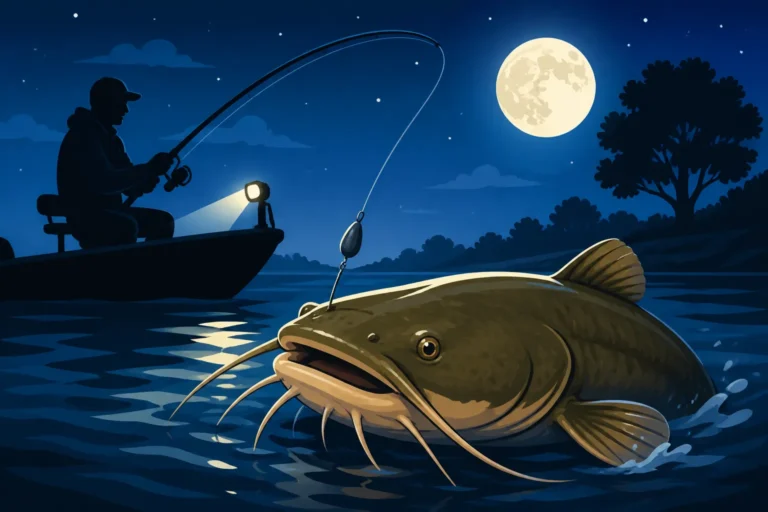
Catfish offer a different kind of angling excitement—a steady, powerful pull that can surprise you. Channel catfish are widely distributed and can be found in almost any Oklahoma waterway. Blue catfish grow much larger and are typically found in the state's larger reservoirs and rivers, while flatheads prefer live bait and ambush tactics. Catfish are generally less finicky than bass or crappie and can be caught throughout the day, though dawn, dusk, and even night fishing can be especially productive.
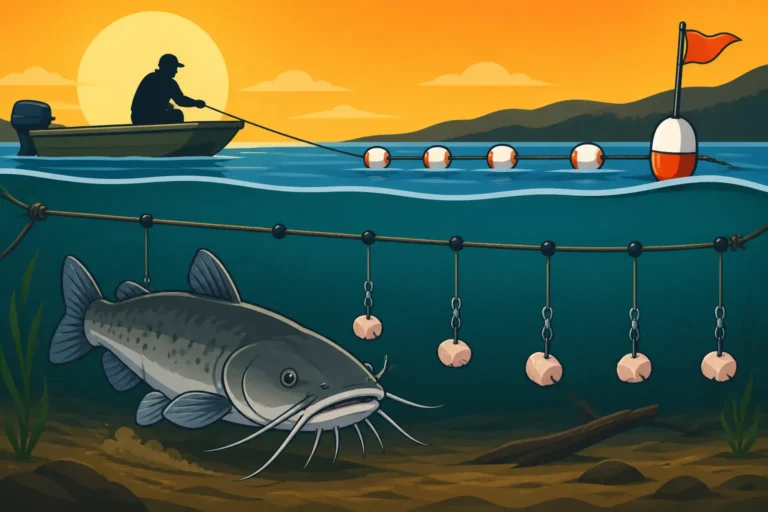
For channel and blue catfish, bottom fishing is the most common and effective method. Use a slip-sinker rig with a large hook and smelly baits like stink bait, cut bait (shad or sunfish work great), chicken livers, or even hot dogs. Cast your bait out into deeper holes, channels, or along river bends and wait for the tell-tale tug. If targeting flatheads, a sturdy rod with live bait, such as a large minnow or sunfish, fished near heavy cover is your best bet. Always be aware of "Oklahoma's Catfish Fishing Rules and Limits", especially the specific rules regarding large blue catfish, such as the single fish over 30 inches rule.
| Species | Statewide Bag Limit | Size Limit Notes | Common Baits/Lures | Best Locations |
|---|---|---|---|---|
| Largemouth/Smallmouth Bass | 6 combined | 1 over 16 inches (some exceptions apply) | Plastic worms, spinnerbaits, crankbaits | Submerged timber, weed lines, rocky points |
| Crappie (Black/White) | 37 combined | 10-inch minimum at certain lakes (check local rules) | Minnows, small jigs, tiny crankbaits | Brush piles, docks, bridge pilings, submerged timber |
| Channel/Blue Catfish | 15 combined (except Flathead) | Only one Blue Catfish over 30 inches | Stink bait, cut bait, chicken livers, live bait | Deep holes, river channels, bends, rocky areas |
| Panfish (Bluegill, etc.) | No daily limit | None | Worms, crickets, small jigs | Shallow cover, docks, lily pads |
Always check the current ODWC regulations guide for specific lake or river exceptions.
Top Fishing Locations for Free Fishing Days in Oklahoma
Oklahoma is truly a fishing paradise, boasting more than 1 million surface acres of water. This means you have an incredible array of choices for your Free Fishing Days adventure. From massive reservoirs to winding rivers and serene ponds, there's a spot for every angler and every family. The key is choosing a location that matches your skill level, desired species, and accessibility needs.
Lakes and Reservoirs Across the State
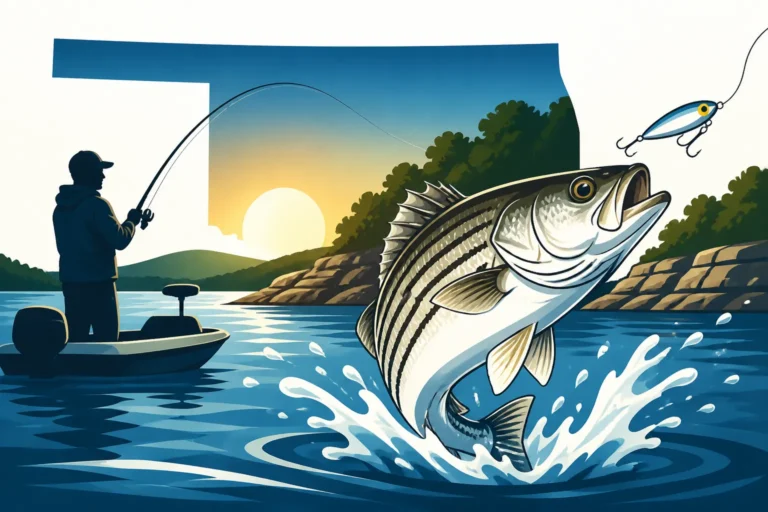
Oklahoma’s large reservoirs are iconic and offer diverse fishing opportunities. For those in North Central Oklahoma, Kaw Lake and Keystone Lake are popular choices, known for their populations of bass, crappie, and catfish. Kaw Lake, near Ponca City, offers extensive shorelines for bank fishing, while Keystone, near Tulsa, provides excellent access with numerous boat ramps. Further south, Lake Texoma, straddling the Oklahoma-Texas border, is famous for its striped bass, but also holds excellent populations of bass, crappie, and catfish. While it can be busy, its sheer size means there's always a quiet cove to explore. You might want to refer to "Lake Texoma Fishing Guide for Oklahoma Anglers" for detailed tips on this massive body of water.
Eastern Oklahoma boasts gems like Lake Eufaula, the state's largest lake, which is a fantastic all-around fishery for bass, crappie, and catfish. Grand Lake O' the Cherokees is another northeast favorite, particularly renowned for bass tournaments and paddlefish snagging (though snagging rules still apply on Free Fishing Days!). Each of these larger lakes has designated public access areas, often within state parks, providing facilities like restrooms and picnic areas which are great for family outings. If you're looking for general guidance, "Best Fishing Spots in Oklahoma" can provide an excellent overview.
Rivers and Smaller Waterways
Don’t overlook Oklahoma’s numerous rivers and smaller waterways, which can offer a more tranquil and unique fishing experience away from the crowds of the bigger lakes. The Illinois River in Eastern Oklahoma is a beautiful float stream and holds good populations of smallmouth bass and panfish in its quieter stretches. The Arkansas River, particularly below its dams, can be excellent for catfish and even striped bass. Smaller creeks and streams often hold abundant populations of channel catfish, sunfish, and even some feisty spotted bass.
Bank fishing is often easier on these smaller waters, and many offer public access through wildlife management areas or roadside pull-offs. These spots can be particularly good for teaching kids, as the current isn't as strong as major rivers, and you can often find calmer pools. Just be mindful of private property signs and always ask for permission if you’re unsure. For beginners, exploring "Bank Fishing Tips for Beginners" can be incredibly helpful when targeting these smaller, more accessible spots.
Urban Fishing Opportunities
Even if you live in or near a city, you don't have to travel far to enjoy Free Fishing Days. The ODWC has a fantastic "Close to Home Fishing" program, stocking many urban ponds and lakes with channel catfish and rainbow trout (seasonally) specifically for easy access. Cities like Oklahoma City, Tulsa, Norman, and Lawton have several such ponds that are perfect for a quick trip, especially with kids. These ponds are often well-maintained, have good bank access, and sometimes even paved trails and picnic tables.
A great example is Lake Hefner or Lake Overholser in Oklahoma City, or the various municipal ponds around Tulsa. These locations are easily accessible, reduce travel time, and offer a relaxed atmosphere for a few hours of fishing. While the fish might not be "trophy" size, the consistent action is fantastic for building confidence and creating fun memories. Always check the specific regulations for these urban ponds, as they sometimes have their own unique rules, but they are a prime choice for "Family-Friendly Fishing Spots in Oklahoma".
Family-Friendly Tips for Free Fishing Weekends
Free Fishing Days are truly a golden opportunity to introduce the younger generation to the wonders of angling. There's nothing quite like seeing a child's face light up with excitement when they catch their first fish. However, a successful family fishing trip requires a bit more planning and patience than a solo outing. Making it enjoyable for everyone, especially the kids, is the ultimate goal.
Engaging Kids in Fishing
The key to engaging children is to make it fun, keep it simple, and manage expectations. Start with species that are easy to catch and provide consistent action, like bluegill or small channel catfish. These fish are usually abundant and don’t require complex techniques. A simple rod and reel, a bobber, and a worm or cricket can provide hours of entertainment. Let them help with baiting the hook (if they’re comfortable), reeling in, and even releasing the fish.
Keep the sessions short, especially for younger kids, or build in breaks for snacks, exploring, or just playing by the water's edge. Too much downtime or frustration can quickly dampen their enthusiasm. Celebrate every catch, no matter how small, and focus on the experience rather than the size or number of fish. Teach them about the fish they're catching, the importance of conservation, and how to safely handle and release fish. Consider using beginner-friendly equipment, easily found on Amazon, which is often brightly colored and sized for smaller hands.
Creating a Memorable Experience
A memorable family fishing trip goes beyond just catching fish. Pack a picnic with their favorite snacks and drinks. Bring a small blanket or chairs so everyone can relax. Consider bringing a camera to capture those priceless moments of a child holding their first catch. Tell stories, point out wildlife, and enjoy the natural surroundings. It’s about building shared experiences and memories in the outdoors.
You might even turn it into a friendly competition with small prizes for the first fish caught, the biggest fish, or even the "most unique" catch (like a turtle, carefully released!). Don’t be afraid to try different spots or techniques if one isn't working out; variety can keep things interesting. The goal is to instill a love for the outdoors and fishing, not just to fill a cooler. Remember to plan how to "How to Plan a Fishing Trip Around Oklahoma's Two Free Fishing Days" to maximize your family's enjoyment.
Safety First with Children
When fishing with children, safety is paramount. Always ensure that young children, especially non-swimmers, wear properly fitted life jackets, even if fishing from the bank. This aligns with regulations and provides peace of mind. Teach them how to safely handle fishing hooks, rods, and any sharp objects. Go over the basics of casting safely, making sure no one is in the line of a backcast.
Be vigilant about potential hazards around the water, such as slippery banks, deep drop-offs, or venomous snakes. Keep a close eye on them at all times. Explain the dangers of straying too close to the water's edge unsupervised. A well-stocked first-aid kit is essential for any minor scrapes, bug bites, or hook injuries that might occur. Establishing clear safety rules before you even arrive at your fishing spot will help ensure a fun and incident-free day for everyone.
Navigating Regulations and Etiquette on Free Fishing Days
Even though the license requirement is waived, Free Fishing Days are not an invitation to disregard all rules. In fact, because these days attract a larger crowd, it's even more important to be mindful of regulations and practice good etiquette to ensure a pleasant experience for all anglers and to protect Oklahoma’s valuable fisheries. Understanding these nuances is a mark of a responsible and respectful angler.
Understanding Bag and Size Limits
As emphasized earlier, all bag and size limits for specific fish species remain in full effect during Free Fishing Days. This is critical for conservation. For instance, if you catch a bass that is under the legal minimum size for that particular lake, it must be immediately released, regardless of whether you have a license or not. The same applies to exceeding daily bag limits. Catching more than the allowed number of crappie or catfish is still a violation.
It’s crucial to carry a measuring tape and, if you plan to keep fish, know how to quickly and accurately measure them. The "What Are the Bag Limits on Oklahoma's Free Fishing Days?" article can provide a quick reference. If you’re unsure about a specific regulation for a particular lake or river, it's always best to err on the side of caution and release the fish. The ODWC’s website or their annual fishing guide is your best friend for clarifying any doubts before you head out. These rules are non-negotiable and are enforced by game wardens to ensure the sustainability of fish populations for future generations of anglers.
Respecting Other Anglers and the Environment
With more people taking advantage of Free Fishing Days, popular spots can get crowded. Practicing good angling etiquette becomes even more vital. Give fellow anglers ample space; don't cast over their lines or crowd their spot. If someone arrived first, respect their space. Keep noise levels down, especially early in the morning, and avoid actions that might disturb others' fishing experience.
Leave no trace. Pack out everything you pack in, including fishing line, bait containers, and any trash. Litter not only pollutes the environment but can also be harmful to wildlife. Properly dispose of fish remains if you clean your catch on-site, or take them with you. Respect private property; ensure you are fishing in areas with public access. Teach children these principles of respect for others and the environment. This helps ensure that Oklahoma’s beautiful fishing spots remain enjoyable for everyone, for many years to come.
When to Get a License Afterward
Free Fishing Days are an excellent introduction, but if you find yourself hooked (pun intended!), you’ll want to get a fishing license for future outings. The ODWC offers various types of licenses to suit different needs, whether you're a resident, non-resident, senior, or just need a short-term option. For residents, an annual license is often the most cost-effective choice if you plan to fish more than a few times a year. Non-residents have options like annual or 1-day licenses.
Consider the cost-effectiveness if you anticipate frequent trips. For example, weighing "Is the $81 Nonresident Annual License Worth It Over Multiple 1-Day Trips?" can save you money in the long run. Getting a license is straightforward and can be done online through the ODWC website, at licensed vendors (like sporting goods stores or even some Walmart locations), or by mail. Many people prefer to "How to Buy an Oklahoma Fishing License Online" for convenience. Supporting the ODWC through license purchases directly funds conservation efforts, fish stocking programs, and habitat improvements, ensuring there are always fish to catch in Oklahoma.
Disclaimer
The information provided in this guide is for general informational purposes only and is based on typical Oklahoma fishing regulations and conditions. Fishing rules and regulations, including Free Fishing Day dates and specific lake limits, can change. Always consult the official Oklahoma Department of Wildlife Conservation (ODWC) website or their current annual fishing regulations guide before any fishing trip to ensure you have the most accurate and up-to-date information. Adherence to all applicable laws and safety guidelines is the sole responsibility of the individual angler.