Best Techniques for Fishing in the Rain
Oh, the rain! I know, I know. When those clouds roll in and the drizzle starts, or worse, the heavens really open up, it’s often our first instinct to pack up our gear and head for shelter. Many anglers see a rainy forecast as a total bust, or at the very least, a reason to postpone their fishing trip. But let me tell you, as someone who’s spent countless hours on Oklahoma’s waters, a rainy day can actually be one of the best times to fish if you know how to adapt. This guide is all about embracing those wet conditions, understanding how rain influences fish behavior, and arming you with the techniques and gear to have a surprisingly successful — and even exciting — day on the water.
Understanding How Rain Affects Oklahoma Fish Behavior
You might think rain just makes everything miserable, but for fish, it can be a wake-up call. The natural world around them changes, and their instincts kick in, often leading to increased feeding activity. It’s all about understanding these shifts and capitalizing on them.
The Initial Downpour: Oxygen Boost and Temperature Drop
When the first drops start hitting the water, a few things happen almost immediately. First, rain introduces fresh oxygen into the water column. In the warmer months, especially, surface waters can become a bit stagnant or deoxygenated. A good rain shower acts like a natural aerator, revitalizing the water and making it more comfortable for fish. This fresh infusion of oxygen can really perk up sluggish fish, making them more active and willing to chase a bait.
Beyond the oxygen, rain often brings a slight drop in water temperature. While not usually a drastic change, even a few degrees can trigger fish, particularly bass, to move into shallower areas where they might be seeking out new food sources that have been washed in. This minor temperature adjustment can push them out of deeper, thermocline-bound zones and into more accessible, active feeding grounds. It’s like hitting a refresh button for the aquatic environment, and the fish often respond by getting on the bite. This is a crucial window many anglers miss, opting to stay home instead.
Runoff and Increased Turbidity
This is where the magic really begins. As rain continues to fall, it starts to create runoff. Think about all those creeks, ditches, and culverts that feed into your favorite Oklahoma lake or river. The rain washes nutrients, insects, small worms, and even baitfish into the main body of water. This influx is like ringing the dinner bell for game fish. They'll naturally gravitate to these inflow points, knowing that an easy meal is being delivered right to their doorstep. Fishing near these areas can be incredibly productive.
Accompanying this runoff is increased turbidity, or murky water. While we humans might prefer clear water for sight fishing, fish often feel much more secure and emboldened to feed in stained or cloudy conditions. The reduced visibility acts as a natural camouflage, allowing predators like bass, crappie, and catfish to ambush their prey without being easily spotted. This means they're often less shy and more aggressive, making them easier to fool with a well-presented lure. You'll find that their reliance on sight diminishes, and their other senses — like the lateral line for detecting vibrations and their keen sense of smell — become paramount, guiding your lure and bait choices.
Barometric Pressure Shifts and Fish Activity
Anglers often talk about barometric pressure, and for good reason. It plays a significant role in fish behavior. Before a storm hits, the barometric pressure typically falls. This downward trend can often trigger a "feeding frenzy" among fish. They sense the coming change in weather and instinctively feed heavily, almost as if stocking up before conditions become less favorable. If you can time your trip to coincide with this pre-frontal drop in pressure, even if it means fishing in a light drizzle, you might hit an incredible bite.
During a steady, prolonged rain, the barometric pressure tends to stabilize at a lower level. This consistent low pressure can keep fish active and feeding for extended periods. It's not the frantic pre-storm bite, but a steady, reliable one. However, once the storm passes and the pressure begins to rise again, fish can sometimes shut down. They might move to deeper water or become more lethargic. Understanding these subtle shifts, along with the other factors, will significantly improve your chances of success. Learning How Water Temperature Affects Fishing Timing in Oklahoma can also give you an edge in these situations.
Adapting Your Fishing Techniques for Rainy Conditions
Now that we understand why rain affects fish, let's talk about how to adjust your strategy to catch them. Simply doing what you'd do on a sunny day often won't cut it. You need to think like a fish in murky, wet conditions.
Lure and Bait Selection for Murky Waters
When the water turns cloudy, fish rely less on sight and more on other senses. This means your lure selection needs to change. You'll want baits that create a lot of vibration, have a strong scent, or offer a bold, contrasting visual profile that stands out in the dim light.
- Vibration and Sound: Lures that displace a lot of water or have rattles are your best friends. Think about chatterbaits, spinnerbaits with large, thumping blades, and lipped crankbaits that dig and wobble aggressively. These send out vibrations that fish can detect with their lateral line, even if they can't see the lure clearly.
- Color Choices: Forget your subtle, natural patterns. In murky water, bright, fluorescent colors like chartreuse, orange, or even stark white can be very effective, creating a contrast against the dark water. Black and blue combinations are also fantastic, as they create a strong silhouette in low light conditions. If you're targeting crappie, exploring Best Crappie Jig Colors for Stained Water will definitely pay off.
- Natural Baits: For species like catfish, the rain often makes natural baits even more potent. The runoff can disperse the scent of cut bait, chicken livers, or worms more widely, drawing fish in from a distance. Catfish thrive in these conditions, so fresh, smelly bait is a go-to.
- Scent Added: Don't underestimate the power of scent in rainy, murky water. Adding a strong scent attractant to your soft plastics, jigs, or even hard baits can make a huge difference, giving fish an extra cue to locate and strike your offering. Many great options are available from retailers like Amazon.
Presentation and Retrieval Adjustments
It's not just about what you throw, but how you throw it and retrieve it. In low visibility conditions, fish need a little more time to find and commit to a strike.
- Slow Down: Generally, you'll want to slow down your retrieve. A slower presentation gives fish ample opportunity to track and react to your lure. This is especially true for crankbaits or spinnerbaits; don't burn them back to the boat. Let them work their magic in the strike zone for longer.
- Work the Cover Thoroughly: Fish will often hug cover even more tightly in rainy, murky conditions. They feel safer and use it as an ambush point. Cast past your target structure and retrieve your lure right through it, bumping logs, dragging through weeds, or skirting dock pilings. Repeat casts to the same area are also key.
- Topwater Opportunities: While it seems counterintuitive, light rain or a steady drizzle can be fantastic for topwater fishing. The rain breaks up the surface tension, making topwater strikes less jarring for the fish. Bass, especially, will often look up for easy meals in these conditions. Poppers, walking baits, or even buzzbaits can be deadly.
- Depth Adjustment: Sometimes fish move shallower with the runoff, but other times, heavy rain can push them to slightly deeper, more stable water. Pay attention to your bites. If you're not getting anything shallow, try working nearby drop-offs or deeper edges of cover. A portable fish finder can be an invaluable tool for understanding these depth changes.
Targeting Key Rainy-Day Fishing Spots
Understanding where fish congregate during rain is half the battle. You can have the perfect lure, but if you're not in the right spot, it won't matter.
- Inflow Points: These are absolute goldmines. Any area where fresh water is running into the main lake or river – be it a creek mouth, a culvert, a ditch, or even just a small erosion point on the bank – will be an active feeding zone. Baitfish gather here for the nutrients, and game fish follow. Cast upstream of these inflows and let your bait wash down into the mixing water.
- Shallow Cover: As mentioned, fish feel secure in murky water, and shallow cover provides excellent ambush points. Look for submerged timber, brush piles, rock piles, dense weed lines, and even flooded grass. Docks and boat houses can also be productive, as they offer overhead cover. These are prime locations for bass and crappie to hold.
- Points and Humps: These underwater structures act like highways for fish, and the runoff can intensify that traffic. Fish will stage on the down-current side of points, waiting for food to wash past. Humps in open water can also become feeding grounds as baitfish get disoriented in the changing conditions.
- Channel Swings and Bends: In rivers or reservoir arms, look for pronounced bends in the main channel. These areas often have current breaks and deeper pockets where fish can hide and wait for passing food. The increased flow from rain can make these spots incredibly productive. If you're Bank Fishing Tips for Beginners, focusing on these accessible points can greatly improve your odds.
Essential Gear and Safety for Fishing in the Rain
Okay, so you're ready to brave the elements and put these techniques to the test. But before you head out, let's talk about staying safe, dry, and protecting your valuable gear. A miserable, wet angler is rarely a successful one!
Staying Dry and Comfortable
Getting soaked to the bone in the first five minutes is a quick way to ruin your trip and potentially put your health at risk. Investing in quality rain gear is non-negotiable for a rainy day angler.
- Waterproof Outerwear: A good waterproof jacket and pants are your first line of defense. Look for breathable materials that will keep rain out but also prevent you from sweating excessively inside. Brands that specialize in outdoor gear often offer excellent options that are truly designed to withstand prolonged exposure. You can find highly-rated rain suits from various brands on Amazon. Don't forget a waterproof hat with a brim to keep rain out of your eyes and off your face.
- Waterproof Storage: Your phone, wallet, keys, and any sensitive electronics (like a handheld GPS or extra batteries) need to stay dry. Invest in some waterproof dry bags or cases. Even a few heavy-duty Ziploc bags can make a difference in a pinch. Water and electronics don't mix, and replacing damaged items is a costly mistake.
- Appropriate Footwear: Nothing is worse than squishy, wet feet. Waterproof boots or deck shoes with good traction are essential. Docks and boat decks can become incredibly slippery when wet, so non-slip soles are crucial for safety. Think about a pair of waterproof gloves too, especially if the temperature drops.
- Layering: Even if it's warm rain, layering is smart. You might start a little chilly, work up a sweat while fishing, and then cool down again. Layers allow you to adjust to the conditions without having to completely change clothes.
Safety Considerations During a Storm
While fishing in the rain can be productive, safety must always come first. Some storms are simply too dangerous to be out in.
- Lightning: This is the absolute biggest threat. If you see lightning or hear thunder, get off the water immediately. Don't take chances. Boats, fishing rods, and open water make you a prime target. Seek shelter in a substantial building or your vehicle. There's no fish worth risking your life for.
- Slippery Surfaces: Rain makes everything slick. Whether you're on a boat, a dock, or the muddy bank, move cautiously. A slip and fall can lead to serious injury or even falling into the water, which can be disorienting and dangerous.
- Reduced Visibility: Heavy rain can drastically reduce visibility on the water. If you're boating, slow down, use your navigation lights, and be extra vigilant for other boats, debris, or hazards. If bank fishing, be aware of your surroundings, especially if you're near a river or creek that might be rising rapidly.
- Life Jackets: Always, always wear a life jacket, especially when boating in inclement weather. Even if you're a strong swimmer, an unexpected fall into cold water or an unforeseen incident can quickly turn dangerous. Familiarize yourself with the Oklahoma Life Jacket and PFD Rules for Boaters to ensure you're compliant and safe.
Protecting Your Equipment
Rain is not kind to fishing gear. A little preventive care can save you money and keep your equipment in top shape.
- Rod and Reel Care: After a rainy outing, make sure to wipe down your rods and reels thoroughly. Pay special attention to the reel, as water can get into the gears and bearings, leading to rust and performance issues. A light spray of silicone lubricant or a reel oil after drying can help protect moving parts.
- Electronics Protection: If your boat has permanent electronics (like a fish finder or GPS), ensure they have their protective covers on when not in use or during heavy rain. For handheld devices, use waterproof cases or keep them stowed in dry bags.
- Tackle Box Organization: Open your tackle box and let it air dry after a trip. Lures, hooks, and weights can rust surprisingly quickly if left wet. Consider using desiccant packs in your tackle box to absorb moisture. Even a small amount of rust on a hook can make it dull and less effective.
- Clean and Dry Everything: Once you get home, take everything out of your boat or backpack. Let your rain gear, towels, and anything else that got wet air dry completely before stowing it away. This prevents mildew and odors, ensuring your gear is ready for your next adventure. Taking care of your Best Rods and Reels for Oklahoma Fishing will extend their lifespan significantly.
Common Oklahoma Species and Rainy Day Tactics
Oklahoma is home to a fantastic array of fish species, and many of them react positively to rainy conditions. Let's look at some of the most popular catches and how to target them effectively when it's wet.
Largemouth and Smallmouth Bass
These are often the species that shine brightest during and after rain. The reduced light, increased oxygen, and influx of food from runoff really get them going.
- Behavior: Bass typically become more aggressive and less wary in stained, rainy water. They'll often move into shallower areas, especially near those inflow points and along points or shorelines with cover. They feel more confident hunting in the murk.
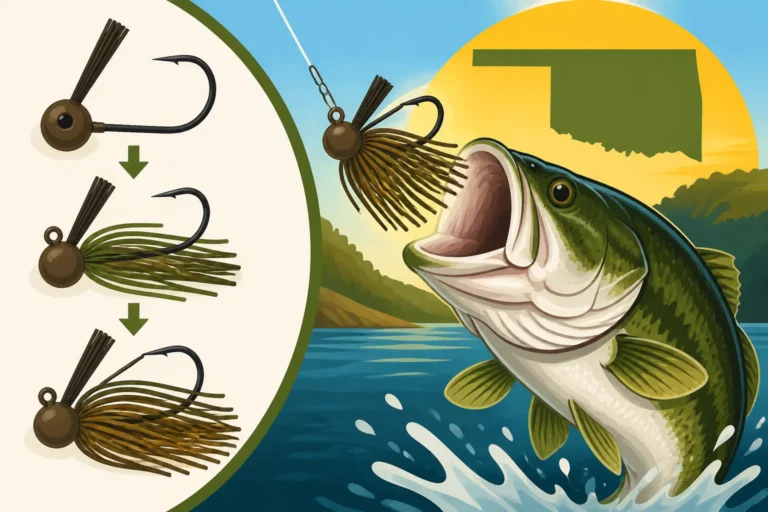
- Effective Lures: This is where those vibrating, noisy, and contrasting lures truly excel. Spinnerbaits with bright or dark blades (chartreuse, white, black, blue), chatterbaits, square bill crankbaits in crawfish or bold patterns, and jigs with large, bulky trailers are excellent choices. Don't forget a soft plastic creature bait Texas-rigged to pitch into heavy cover. For specific suggestions, check out Best Bait for Largemouth Bass in Oklahoma.
- Target Areas: Focus on the mouth of creeks, drainage ditches, and culverts. Work shallow brush piles, flooded timber, and weed lines meticulously. Points that funnel runoff into the main lake can also be hotspots. Remember, fish might be tight to cover, so make precise casts. When fishing rivers, Black Bass Rules for Oklahoma Rivers and Streams might have specific guidelines to keep in mind.
Crappie
Crappie can be a bit more nuanced in the rain, but they can still offer fantastic action, especially if you adapt your approach.
- Behavior: In light rain or drizzle, crappie often move shallower, especially if there's runoff bringing in food sources. They might suspend just under the surface in open water or move tight to submerged brush and docks. Heavy, cold rain might push them a bit deeper, but they'll still be looking for food.
- Effective Lures/Baits: Small jigs (1/16 to 1/8 oz) tipped with a small plastic grub or tube are perfect. Try chartreuse, white, or black/blue combinations. Live minnows, fished under a bobber or tightlined, are always a crappie favorite, especially in dingy water where scent plays a role. Exploring Crappie Fishing Techniques and Seasonal Patterns in Oklahoma can further refine your approach.
- Target Areas: Look for brush piles, submerged trees, and dock pilings. If there's runoff entering the lake, crappie might stage nearby, just out of the main current, picking off disoriented baitfish or insects. For some of Oklahoma's key crappie lakes, don't forget to check Stricter Crappie Limits at Six Oklahoma Lakes as special rules may apply.
Catfish (Channel, Blue, and Flathead)
Catfish are arguably the most receptive species to rainy conditions. They absolutely thrive when the water gets stained and currents pick up.
- Behavior: Catfish, with their incredible sense of smell and lateral line, are perfectly adapted for murky water. Runoff means an abundance of food washing into the water, and they go on the prowl. Increased current also disperses scent more effectively, drawing them in.
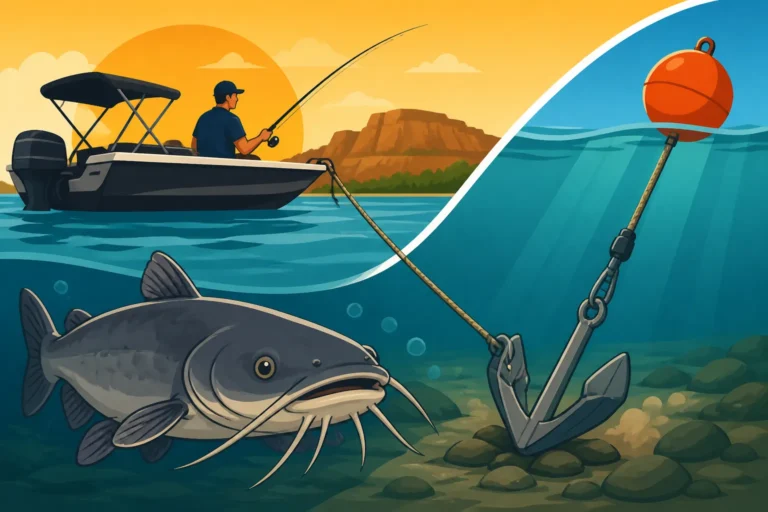
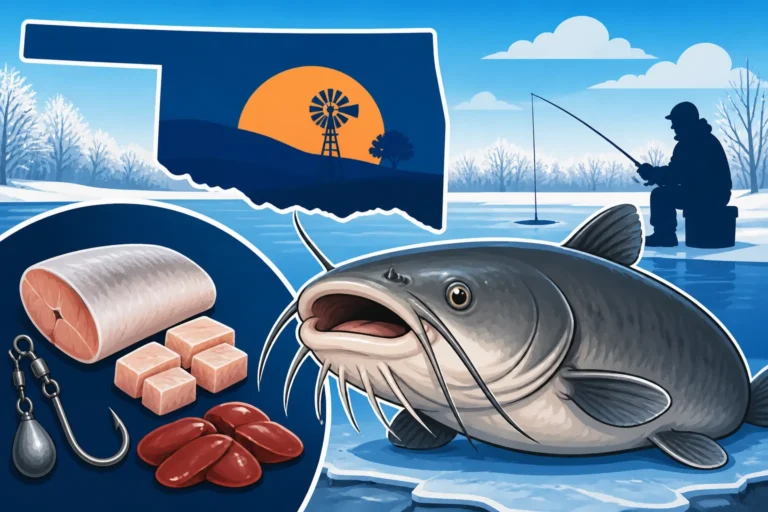
- Effective Baits: This is where scent reigns supreme. Cut bait (shad, perch, carp), chicken livers, stink baits, and good old-fashioned worms are all highly effective. For trophy blue and flathead catfish, live sunfish or shad can be deadly. Learn more about optimal strategies in Catfish Fishing Techniques for Oklahoma Anglers.
- Target Areas: The mouths of creeks and rivers are prime catfish territory during and after rain. They'll stack up there, waiting for the feast. Also, look for deeper holes, channel swings, and current seams in rivers or the main lake. Anchor upcurrent of a promising spot and let your bait wash naturally into their feeding zone. For larger blue catfish, remember The 30-Inch Blue Catfish Rule in Oklahoma when planning your limits.
The next time you see rain in the forecast, don't despair! Instead, grab your rain gear, adjust your techniques, and head out to those Oklahoma waters. You might just find that some of your best fishing memories are made in the pouring rain.
| Species | Primary Rain Effect | Best Lures/Baits for Rain | Key Tactics |
|---|---|---|---|
| Largemouth/Smallmouth Bass | Increased aggression, moves shallower | Spinnerbaits, Chatterbaits, Dark/Bright Jigs, Square Bills | Target inflows, shallow cover, points; slow retrieve, focus on vibration. |
| Crappie | Moves shallower in light rain, follows runoff | Small Jigs (chartreuse/white), Live Minnows | Fish brush piles, docks, just outside inflows; slow jigging or bobber. |
| Channel/Blue/Flathead Catfish | Highly active, follows scent trails | Cut Bait, Chicken Livers, Stink Baits, Live Bait (for flathead/blue) | Focus on creek mouths, channel swings, deep holes; strong scent is key. |
Disclaimer
This article is for general informational purposes only and does not constitute professional advice. Laws, prices and regulations vary by location and change over time. Consult a qualified professional for guidance on your specific situation.