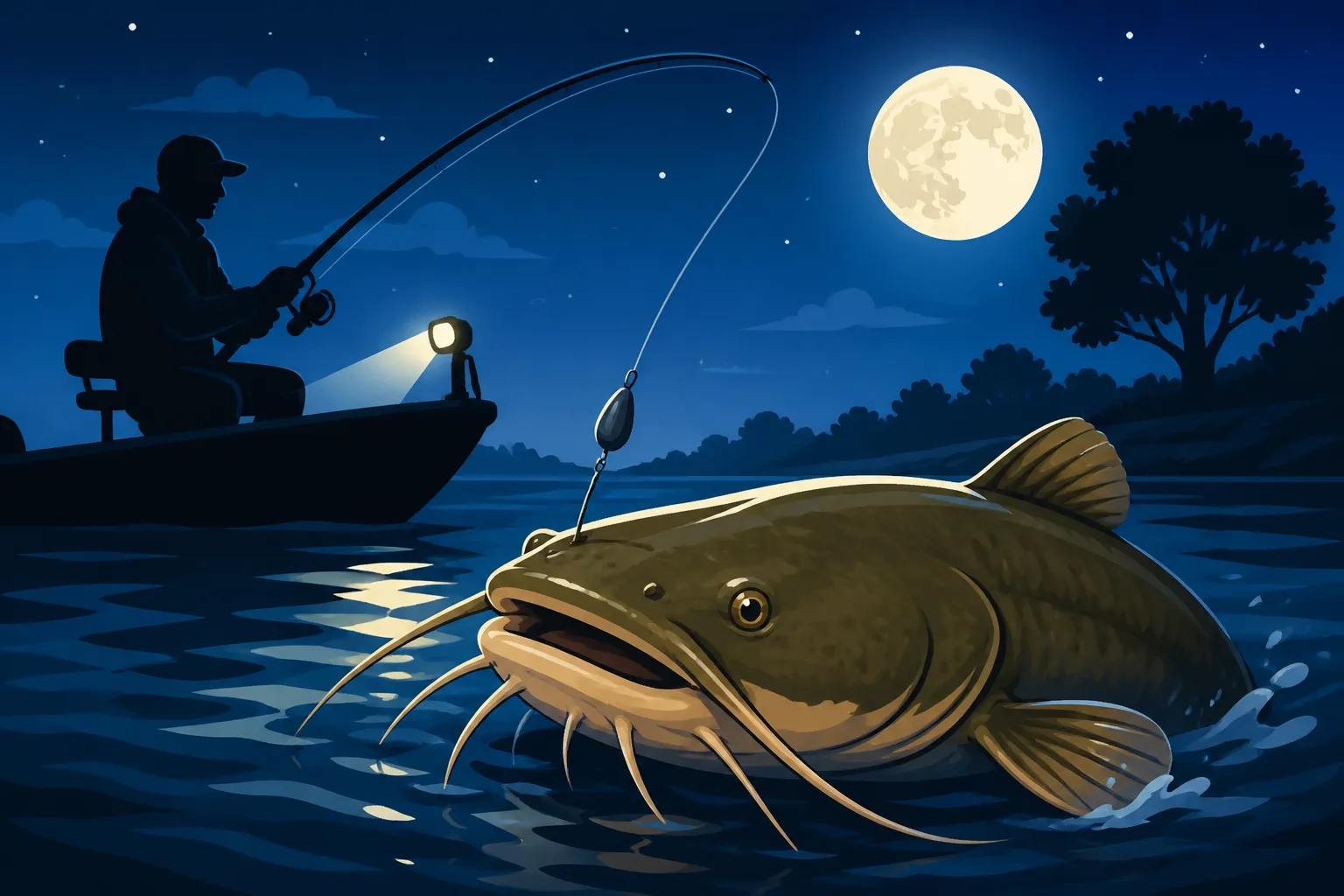
How to Catch Flathead Catfish at Night
Trying to catch flathead catfish during the day can feel like an exercise in futility. These elusive, powerful predators often become far more active and less cautious under the cloak of darkness, making night fishing not just an option, but often the most productive strategy. If you've been frustrated by slow daytime bites or simply want to tap into the prime feeding hours of these magnificent fish, this guide will walk you through everything you need to know to successfully target and land flathead catfish at night in Oklahoma.
Why Flatheads Come Alive After Dark
There’s a common misconception that all fish are the same when it comes to activity levels, but flathead catfish are truly creatures of the night. Understanding this fundamental aspect of their behavior is the first step to consistently putting them in your net.
Understanding Flathead Nocturnal Behavior
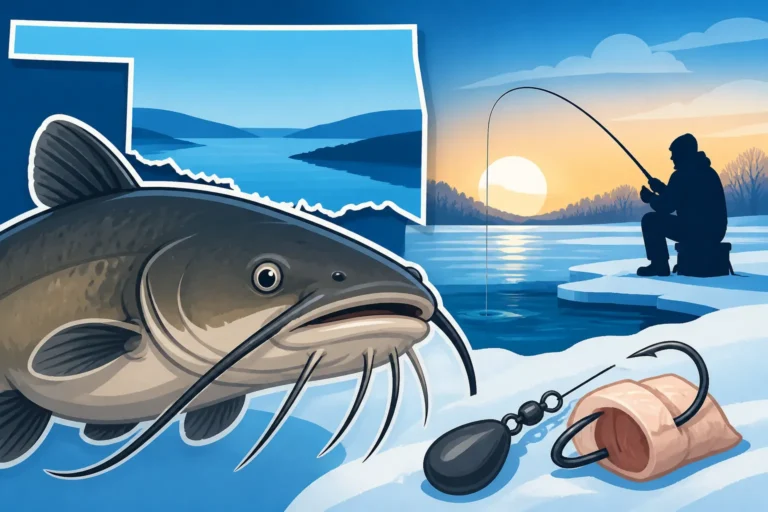
Flathead catfish are ambush predators, and unlike their channel or blue catfish cousins who might scavenge a bit more, flatheads prefer live prey. During the day, especially in clear Oklahoma waters, they tend to hunker down in dense cover. Think submerged logs, rock piles, undercut banks, or deep holes where they can blend in and feel secure from perceived threats. They're waiting, conserving energy.
As the sun dips below the horizon and twilight fades into true darkness, a switch flips. The water cools, boat traffic dwindles, and their natural instincts kick into overdrive. They begin to move out from their daytime sanctuaries, actively cruising shallower flats, creek channels, and structure edges in search of a meal. Their keen sense of smell and lateral line system, which detects vibrations in the water, become incredibly effective tools in the dark, giving them a significant advantage over many prey species. They're less wary, more aggressive, and generally much more willing to strike. This shift from sedentary to actively hunting is why night fishing dramatically increases your chances of success.
The Undeniable Advantages of Night Fishing
Beyond the flathead's natural inclination to hunt at night, there are several practical advantages for anglers. First, you escape the scorching Oklahoma summer sun. Those long, hot days can be brutal on the water, both for you and your bait. Cooler night temperatures make for a much more pleasant and comfortable fishing experience.
Secondly, night fishing significantly reduces boat traffic. On popular lakes like Texoma or Eufaula, daytime can be a constant parade of pleasure boats, jet skis, and other anglers. This constant disturbance can spook fish and make fishing challenging. At night, the waterways are often much quieter, allowing you to focus and giving the fish a sense of security that encourages them to feed more freely. Less noise and fewer disturbances mean less pressure on the fish. You'll often find that the biggest fish, those that are most cautious during the day, are the ones that venture out under the cover of darkness. This quiet solitude also makes for a truly peaceful and immersive angling experience, a great way to unwind after a long week.
Assembling Your Night Catfishing Arsenal
Successfully tackling flatheads at night requires specific gear designed for their size, strength, and the unique challenges of fishing in the dark. Don't skimp on quality; these fish will test your equipment.
Rods, Reels, and Line Built for Battle
When targeting flatheads, especially the giants that swim in Oklahoma's waters, you need serious horsepower. Forget your light spinning gear; we're talking about heavy-action rods, typically 7 to 9 feet long, with a strong backbone to handle powerful runs and the leverage needed to pull a big fish from heavy cover. Look for rods rated for 20-50 lb test line or even heavier.
Pair these with stout baitcasting reels known for their robust drag systems and high line capacity. A smooth, powerful drag is non-negotiable, as a flathead’s initial run can be incredibly strong, often stripping line in a hurry. You'll want a reel that can hold at least 150-200 yards of 30-50 lb monofilament or braided line. Braided line offers superior sensitivity and strength for its diameter, which can be an advantage when feeling subtle bites in the dark. However, its lack of stretch means you'll need a rod with a more forgiving tip to absorb shocks. If you prefer monofilament, choose a good quality, abrasion-resistant line. Remember, flatheads often live in snaggy areas, so line integrity is paramount.
The Critical Role of Live Bait
Flathead catfish are overwhelmingly predatory, and live bait is by far your most effective weapon. While other catfish species might be tempted by stink baits or cut bait, flatheads have a strong preference for live, struggling prey. You can learn more about this in our guide on Best Bait for Catfish in Oklahoma Lakes and Rivers.
The best live baits mimic their natural forage. Here are some of the top choices:
- Sunfish (Perch): Bluegill, green sunfish, and other panfish are flathead magnets. They're hardy and stay alive well on a hook.
- Shad: Gizzard shad or threadfin shad are excellent, especially if they are a prevalent forage fish in the lake you're targeting. They have a strong scent and flash that attracts predators.
- Minnows: Larger minnows like creek chubs or golden shiners can also be effective, particularly for smaller flatheads or in rivers and creeks.
The key is to keep your bait lively. Invest in a good baitwell or a large cooler with a portable aerator. You can find excellent options on Amazon, which will keep your bait kicking all night long. A lively bait is more attractive to a flathead and increases your chances of a strike. Hook your live bait through the back, just behind the dorsal fin, or through the lips to allow it maximum movement while keeping it securely attached.
Lighting the Way: Essential Night Gear
Fishing in the dark without proper lighting is not only ineffective but dangerous. You'll need several types of illumination.
- Headlamp: This is your primary hands-free light source for tying knots, baiting hooks, and handling fish. Look for one with a red light mode, as red light preserves your night vision far better than white light. A good quality, waterproof headlamp is an invaluable tool, and you can find many reliable models on Amazon.
- Lantern: A battery-powered LED lantern provides ambient light for your boat or bank setup. It helps you see your immediate surroundings without blinding you or your fishing partners. Many modern lanterns are rechargeable and offer various brightness settings.
- Rod Tip Lights/Bells: These are crucial for detecting bites. Chemical glow sticks can be taped to rod tips, or you can purchase small electronic lights designed to clip on. Some anglers prefer bells that clip to the rod tip, sounding an alarm when a fish tugs.
- Navigation Lights (for boats): If you're on the water, ensure your boat’s navigation lights are fully functional and in compliance with all regulations. Safety is paramount when operating a vessel at night.
The Rest of Your Tackle Box
Beyond the basics, a few other items will make your night flathead fishing more productive:
- Circle Hooks: These are highly recommended, especially when fishing for flatheads. They are designed to hook fish in the corner of the mouth, reducing gut-hooking and making for easier, safer releases, which is important for conservation. Choose heavy-duty circle hooks appropriate for the size of your bait and target fish, typically sizes 5/0 to 10/0.
- Heavy Weights: You'll need enough weight to hold your live bait near the bottom, especially in current or windy conditions. Pyramid sinkers, egg sinkers, or flat bank sinkers in sizes from 1 to 5 ounces (or more) are common.
- Heavy Leader Material: A strong, abrasion-resistant leader (mono or fluorocarbon, 50-80 lb test) can provide an extra layer of protection against sharp teeth and underwater snags.
- Pliers/Hook Remover: Essential for safely unhooking fish, especially at night when visibility is limited.
- Large Net or Gaff: Once you hook a big flathead, you'll need a way to land it. A large, sturdy landing net with a long handle is ideal, particularly for boat fishing. For truly massive fish, a gaff might be necessary, but only use one if you intend to keep the fish.
- Bait Knife/Scissors: For cutting line or preparing any emergency cut bait (though flatheads prefer live).
- First Aid Kit: Accidents happen, even with careful planning.
- Bug Spray: Don't underestimate Oklahoma's nocturnal insects!
Here's a quick reference table for essential night fishing gear:
| Gear Item | Why It's Essential for Night Fishing | Key Considerations |
|---|---|---|
| Heavy Rod/Reel | Handles powerful runs and large flatheads | Strong drag, high line capacity, 7-9 ft heavy action rod |
| Live Bait Cooler | Keeps bait healthy and active for maximum appeal | Aerator, insulation, appropriate size for your bait |
| Headlamp | Hands-free illumination for rigging, baiting, safety | Red light mode, waterproof, comfortable fit |
| Lantern | Ambient light for your fishing area, prevents stumbling | Battery life/rechargeable, stability |
| Rod Tip Lights | Visual strike indicator for subtle or aggressive bites | Easy attachment, bright, long-lasting batteries |
| Circle Hooks | Promotes mouth hooks, safer for fish and easier removal | Sizes 5/0-10/0, heavy-duty construction |
| Heavy Sinkers | Keeps bait on the bottom in current or wind | 1-5+ oz, pyramid/egg/bank sinker types |
| Large Net/Gaff | Securely lands big fish, prevents lost trophies | Sturdy frame, long handle for net; responsible gaff use for keeping |
| PFD/Life Jacket | Crucial safety for boaters, especially in the dark | Comfortable, Coast Guard approved, worn or readily accessible |
| Pliers/Hook Remover | Safe and efficient hook removal | Long-nose, strong jaws, cutting capabilities |
| First Aid Kit | Essential for minor injuries or emergencies | Well-stocked, waterproof container |
| Bug Spray | Protects against mosquitoes and other biting insects | Effective formula, reapply as needed |
Master the Techniques for Nighttime Success
With your gear sorted, it's time to refine your approach. Catching flatheads at night isn't just about showing up; it's about strategic placement and presentation.
Choosing Your Nocturnal Ambush Spots
Remember, flatheads are leaving their daytime cover to hunt. Your job is to intercept them. Focus on areas where they transition from deep to shallow or where structure provides an ambush point.
- Submerged Timber and Rock Piles: These are classic flathead haunts. Logs, stumps, and fallen trees offer excellent cover and attract baitfish. Anchor upcurrent or upwind of these spots and cast your bait so it drifts naturally into or near the structure.
- River Bends and Deep Holes: In river systems, deep bends create scour holes where flatheads often reside. The slower current on the inside bend or the deeper water in the middle can be productive. Also, look for the downstream side of wing dams or bridge pilings where flatheads can wait for unsuspecting prey.
- Creek Mouths and Inflows: After a rain, or during normal flows, creek mouths dump fresh water and often baitfish into larger lakes and rivers. Flatheads will stage near these inflows, waiting for an easy meal.
- Main Lake/River Channels: As flatheads move from deep cover to shallower feeding flats, they often travel along defined channels. Using a depth finder can help you locate these subtle contours.
For specific locations, researching Best Catfish Holes on Lake Eufaula or similar guides for your chosen lake can give you a starting point.
Presentation is Key
Once you’ve identified a likely spot, your bait presentation needs to be impeccable.
- Bottom Rigging: The most common and effective method for flatheads at night is a simple bottom rig. A slip sinker (egg sinker or no-roll sinker) allows the line to run freely through it, so the fish doesn't feel the weight when it picks up the bait. A swivel then ties your main line to a heavy leader (12-24 inches long) and finally your circle hook with live bait. Cast your rig out and let it settle on the bottom. You can learn more about this in our Catfish Bottom Fishing Techniques guide.
- Anchor or Drift: For boat anglers, you have two primary options:
- Anchoring: If you've found a specific piece of structure (like a log pile or rock formation), anchoring precisely can allow you to present your bait exactly where you want it. Use a sturdy anchor and plenty of rope, especially if there's current or wind. Knowing How to Anchor Up for Catfish Fishing properly is crucial for a successful night.
- Drifting: In larger, open areas or along long channels, drifting with the wind or current can help you cover more water and find active fish. Use a controlled drift with a drift sock if needed to slow your boat.
- Multiple Lines: Where legal, setting out multiple rods can increase your chances. Space them out, target different depths or pieces of structure, and vary your bait size slightly to see what the fish prefer. Ensure your rod tips are visible with glow sticks or lights.
- Alternative Methods: For covering even more water or targeting specific areas without constantly recasting, methods like Trotline Fishing for Catfish or Jug Fishing for Catfish can be highly effective, but be sure to check local regulations carefully before deploying them.
Patience and Persistence
Night fishing for flatheads often isn't a fast-paced affair with constant action. These fish can be finicky, and you might have long periods of quiet followed by a sudden, violent strike. Patience is your greatest virtue. Set your lines, make sure your bait is lively, and relax. Watch your rod tips, listen for splashing, and be ready to spring into action when a flathead decides to eat. Don't be too quick to move spots unless you're absolutely certain the area isn't holding fish. Sometimes, it just takes time for a big flathead to cruise by and find your offering.
Safety and Other Smart Night Fishing Tips
While the allure of a monster flathead at night is strong, safety should always be your top priority. A little preparation goes a long way.
Prioritizing Safety in the Dark
Fishing at night introduces unique hazards that you won't encounter during the day.
- Tell Someone Your Plan: Always inform a friend or family member of where you're going, when you expect to return, and any emergency contact information.
- Wear a Life Jacket (PFD): If you're fishing from a boat, wear your life jacket, or at the very least, have one readily accessible and properly fitted for everyone on board. Accidents can happen quickly in the dark, and a PFD can save your life.
- Check Weather Forecasts: Oklahoma weather can be unpredictable. Check the forecast before you go and be prepared for sudden changes, especially thunderstorms. Getting caught in a storm at night on the water is a dangerous situation.
- Carry a First Aid Kit: Ensure it's well-stocked and easily accessible.
- Extra Batteries: Your headlamp and lantern are critical. Always carry spare batteries or ensure your rechargeable devices are fully charged.
- Know Your Area: If possible, fish familiar waters at night. Navigating unfamiliar lakes or rivers in the dark, especially with submerged hazards, can be risky.
Understanding Oklahoma's Catfish Regulations
Before you even cast a line, make sure you're familiar with Oklahoma's fishing regulations for catfish. These rules are in place to help manage fish populations and ensure healthy fisheries for everyone. You can typically find detailed information on bag limits, length limits, and legal fishing methods on the Oklahoma Department of Wildlife Conservation's website. Our comprehensive guide on Oklahoma's Catfish Fishing Rules and Limits can also provide valuable insights.
While flathead catfish often don't have the same strict length limits as some other species, it’s always good to be aware of any special lake-specific rules. For example, rules like The 30-Inch Blue Catfish Rule in Oklahoma may apply to blue cats in certain bodies of water, and while flatheads are different, understanding the spirit of conservation is important. Catch and release for larger breeding fish is always a good practice, especially if you’re not going to eat them.
Preparing for Comfort
Long nights on the water can be a blast, but only if you're comfortable.
- Dress in Layers: Even if the day was hot, nights in Oklahoma can get surprisingly cool. Layers allow you to adjust to changing temperatures.
- Bug Protection: Mosquitoes and other biting insects are often most active at night. Generously apply bug spray to exposed skin.
- Food and Drink: Pack plenty of snacks, water, and perhaps a thermos of coffee or hot chocolate to stay energized and warm.
- Comfortable Seating: If you're bank fishing, a comfortable chair can make a huge difference over several hours.
By paying attention to safety, knowing the rules, and planning for your comfort, you can ensure that your night flathead catfishing adventures are not only productive but also enjoyable and safe.
Disclaimer
This article is for general informational purposes only and does not constitute professional advice. Laws, prices and regulations vary by location and change over time. Consult a qualified professional for guidance on your specific situation.