Dusk Fishing Techniques
There’s nothing quite like packing up your gear after a long, hot day of fishing, feeling like you barely scratched the surface, or worse, feeling defeated by the intense midday sun and boat traffic. Many of us know that frustration of struggling in bright, clear conditions, but what if I told you that the magical transition period right before nightfall holds some of the best fishing opportunities Oklahoma has to offer? This guide is all about unlocking those twilight secrets, sharing techniques to make your dusk fishing trips successful and utterly enjoyable.
Why Dusk is a Prime Time for Anglers in Oklahoma
Fishing at dusk isn't just a pleasant way to end the day; it's a strategic move that can significantly increase your chances of catching fish. The changing light, decreasing temperatures, and shifting behavior of both prey and predator fish create a unique window of opportunity that many anglers overlook or simply don't utilize to its full potential.
The Biological Advantage: Fish Activity Changes
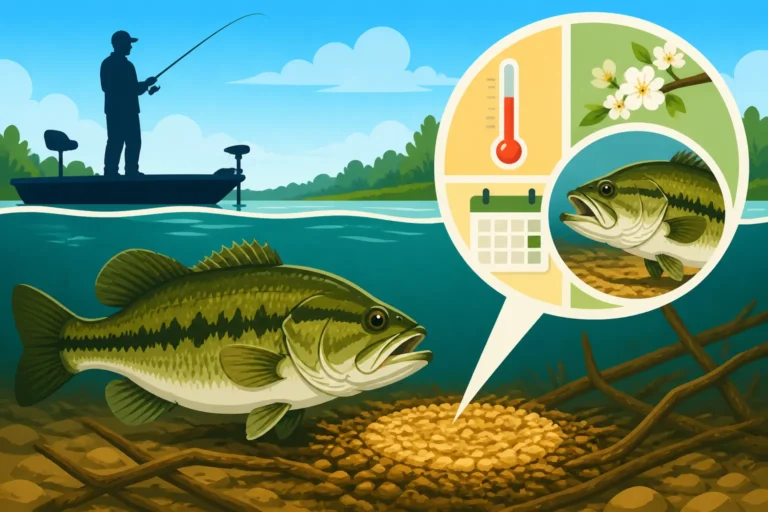
As the sun dips below the horizon, a remarkable transformation occurs beneath the water's surface. Many species, especially predatory ones, become significantly more active. The harsh, direct sunlight that often pushes fish deep or into heavy cover starts to fade, allowing them to feel safer and more comfortable venturing into shallower waters to feed. This crepuscular activity surge is a biological imperative for many fish. They know this brief window of low light offers the best chance to ambush prey that might be less visible or more exposed.
Think about it: during the bright midday hours, a bass might be hunkered down under a dock or in dense hydrilla, waiting for an opportune moment. But as dusk settles in, their hunting instincts kick into high gear. They'll cruise shorelines, seek out baitfish in open water, or patrol structure they wouldn't dare approach in high sun. This heightened activity isn't just for bass; crappie move into brush piles and shallow flats, while catfish become incredibly active, using their keen senses to forage. Understanding this shift is the first step to truly mastering dusk fishing.
Beating the Heat and the Crowds
Let's be honest, fishing in Oklahoma during the summer can be absolutely brutal. The heat, the humidity, the relentless sun beating down on you – it’s enough to make even the most dedicated angler call it a day early. And then there's the boat traffic, especially on popular lakes like Lake Texoma or Grand Lake O' the Cherokees. Jet skis, pleasure boats, and other anglers can chop up the water, creating noise and pressure that makes fish wary.
Dusk offers a glorious escape from all of that. As the sun begins to set, the air temperature drops, providing a much more comfortable experience for us anglers. The boat traffic also starts to thin out considerably, leaving you with calmer waters and less competition. This means you can focus more on your presentation and less on dodging wake boats. It’s a peaceful, often serene time to be on the water, allowing you to truly connect with nature and the sport without the distractions and discomfort of peak daytime hours. For those who find daytime fishing too intense, the cool quiet of dusk is a welcome relief. You might even find that the fish are more cooperative simply because they haven't been harassed all day.
Essential Gear for Successful Dusk Fishing
Approaching dusk fishing successfully means adapting your gear to the unique challenges and opportunities that low-light conditions present. It's not just about what you're throwing, but how you're seeing, how you're feeling, and how you're navigating. A little preparation goes a long way here.
Lighting and Visibility Aids
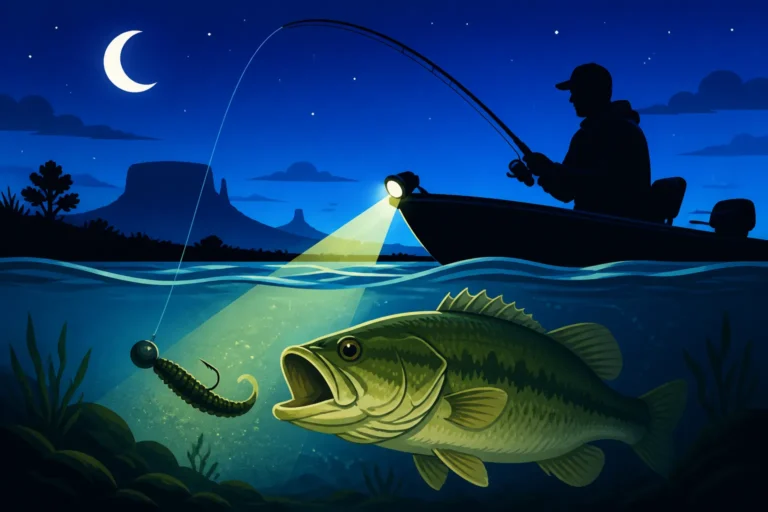
When the sun dips, your natural visibility decreases rapidly, so having reliable lighting is absolutely crucial. A good headlamp is your best friend. Look for one with adjustable brightness settings and, ideally, a red light option. The red light preserves your night vision much better than white light, allowing your eyes to adjust more quickly when you switch back to darkness. Plus, it's less likely to spook fish if you accidentally shine it on the water. Beyond personal lighting, if you're on a boat, ensure all your navigation lights are fully functional and easily accessible. Being visible to other (diminishing) boat traffic is paramount for safety.
Another handy tool is a small, waterproof flashlight or a clip-on light for your tackle box or boat console. This makes tying knots, re-rigging, or rummaging for that perfect lure much less frustrating. You might also consider glow sticks or small LED lights that can be attached to your rod tip or a bobber if you're live-baiting or bank fishing. These small additions won't just make your experience smoother; they're vital for both practical fishing needs and ensuring you can see and be seen when the ambient light fades completely. For instance, brands like Amazon offer a wide selection of robust, waterproof headlamps that are perfect for this scenario.
Rods, Reels, and Line for Low Light
While you don't necessarily need specialized "dusk fishing" rods and reels, certain characteristics can give you an edge. The most important factor in low light is sensitivity. Since visual cues are reduced, you'll be relying more heavily on feel to detect subtle bites. This means choosing a rod with a fast or extra-fast action and a sensitive tip, often made of graphite or a graphite composite. These rods transmit vibrations from a fish inhaling your bait much more effectively.
For line, consider going with a braided line as your main line. It offers superior sensitivity due to its lack of stretch, allowing you to feel even the slightest tap. You can then tie a fluorocarbon leader for invisibility in the water. Some anglers also swear by high-visibility braided lines (like neon green or yellow) for their main line, as the bright color can be easier to see against the darkening sky, helping you detect line movement from strikes. As for reels, smooth operation is key. A reel with a good drag system and comfortable handle will make fighting fish in the dark much less stressful. You can explore a variety of these options on platforms like Amazon to find the perfect setup. For a deeper dive, check out our guide on the Best Rods and Reels for Oklahoma Fishing.
Lure and Bait Selection for Dusk
This is where dusk fishing gets really interesting. As light diminishes, fish rely more on their other senses: hearing, their lateral line (to detect vibrations), and scent. Therefore, your lure and bait choices should reflect this shift.
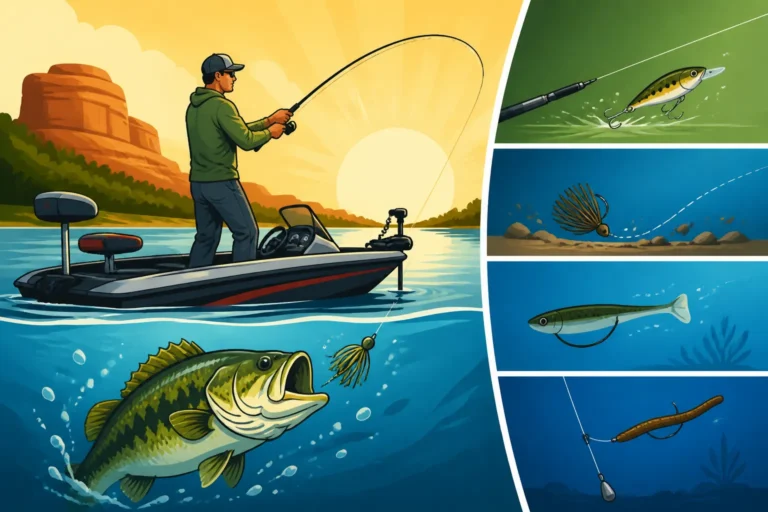
- Vibrating and Noisy Lures: Crankbaits with rattles, spinnerbaits with large thumping blades, and bladed jigs (like a ChatterBait) are excellent choices. Their vibration and sound draw attention from fish that can't see them clearly. Topwater lures like poppers, walking baits, and buzzbaits can be absolutely deadly at dusk, creating irresistible surface commotion. The silhouette of a topwater bait against the fading sky can trigger explosive strikes.
- Darker Colors or Silhouettes: Contrary to popular belief, bright colors often lose their effectiveness in low light. Instead, opt for darker colors that create a strong silhouette against the twilight sky or the surface. Black, blue, purple, and junebug are fantastic choices for soft plastics, jigs, and even crankbaits. The idea is to make your lure stand out as a clear, distinct shape, rather than relying on color.
- Scented Baits and Live Bait: For catfish and crappie, especially, scent becomes incredibly important. Dough baits, cut bait, chicken livers, and stinky prepared baits are fantastic for attracting catfish after dark. For crappie, live minnows are always a top producer, and small jigs tipped with scent can also be effective. Don't underestimate the power of a lively minnow or a juicy worm when fish are actively foraging but visibility is low. Our article on Best Bait for Catfish in Oklahoma Lakes and Rivers has more detailed suggestions.
Top Species to Target During Oklahoma Dusks
Some fish species truly come alive as the sun sets, making them prime targets for the dusk angler. Knowing which species to focus on and adapting your techniques accordingly can lead to some incredible catches.
Largemouth and Smallmouth Bass Tactics
Oklahoma's bass, especially largemouth, are notorious for their crepuscular feeding habits. As the light fades, they abandon their deep-water haunts and heavy cover hideouts to cruise the shallower areas. This is your chance to really connect with them. Look for them moving into points, humps, weed lines, and rocky shorelines where baitfish congregate.
Topwater lures are often the undisputed champions during this transition. A Zara Spook or a Whopper Plopper worked across the surface can draw strikes that are visually exhilarating. Spinnerbaits with larger, Colorado-style blades that displace more water and create a strong thumping vibration are also highly effective. Cast these parallel to shorelines or over submerged grass beds. As the light gets even lower, switch to darker-colored soft plastics like a black and blue jig or a Texas-rigged worm. Work these slowly along the bottom or through cover, relying on the bass's lateral line to detect the movement. Remember, the presentation should be a little slower and more deliberate than in full daylight, giving the bass more time to locate your offering. For a comprehensive guide on these species, check out Largemouth Bass Fishing in Oklahoma: The Complete Guide.
Crappie: From Twilight to Night
Crappie are another species that absolutely thrive in low-light conditions. While they might be suspended over deeper brush piles during the day, as dusk approaches, they often move shallower, congregating around submerged timber, docks, and brush. This movement makes them much more accessible to anglers, whether you're fishing from the bank or a boat.
For crappie, small jigs (1/16 to 1/8 ounce) in darker colors like black, blue, or junebug are fantastic. Tipping these jigs with a small live minnow can be even more irresistible. Focus your efforts on the edges of cover, where crappie will stage to ambush baitfish. If you're on a boat, using a slip bobber rig with a minnow can be incredibly effective, allowing you to present the bait at a precise depth without constantly having to re-rig. Many anglers also find success using lights (submersible or above-water) to attract baitfish, which in turn attract crappie. Just be aware of local regulations on using lights for fishing. Our article on Crappie Fishing in Oklahoma: Black and White Crappie goes into more detail about these popular panfish.
Catfish: The Night Shift Feeders
If you're after substantial fish, catfish are hands-down one of the best species to target at dusk and into the night. Channel catfish, blue catfish, and flathead catfish all become significantly more active as the sun fades, using their incredible sense of smell and touch to hunt for food. They'll move from deeper holes into shallower flats, river bends, and channels to scour the bottom for anything edible.
For channel and blue catfish, cut bait (shad, perch, or hot dogs), chicken livers, and prepared stink baits are perennial favorites. Rig these on a simple Carolina rig or a three-way swivel rig, allowing the bait to rest on the bottom. Flathead catfish, on the other hand, almost exclusively prefer live bait. A lively sunfish, perch, or large minnow presented near submerged timber or rocky structure will often entice a big flathead. Focus on areas with current, like river bends or spillways, or deep humps in larger reservoirs like Lake Eufaula. Dusk is the absolute best time to set up your lines, bait your hooks, and settle in for some serious catfishing action. You can learn more about these fascinating fish in our Catfish Species You'll Find in Oklahoma guide.
Strategic Approach to Dusk Fishing Spots
Simply being on the water at dusk isn't enough; you need to understand where the fish will be during this transition period. Fish move with the changing light and conditions, so knowing their likely routes and ambush points is crucial.
Transition Zones and Structure
As daylight wanes, fish don't just magically appear everywhere; they move along predictable pathways. These pathways are often called "transition zones." Think about the areas where shallow water meets deep water, or where open water meets cover like a submerged brush pile or a rock reef. During the day, fish might be in the deeper, cooler water. As evening approaches, they'll often move up onto these shallower shelves and edges to feed.
Therefore, targeting structure that offers both deep and shallow access is key. Consider fishing around submerged creek channels, sudden depth changes, rock piles, or artificial brush piles. These provide security and ambush points for predatory fish while also attracting baitfish. For example, on a lake like Keystone Lake, identifying a submerged road bed that transitions from 20 feet of water to 5 feet of water can be a goldmine at dusk. Bass, crappie, and even walleye will use these highways to move and feed. Pay close attention to your fish finder during the day to mark these key structural elements, then return to them as the sun sets. You can find more specific locations in our Best Fishing Spots in Oklahoma article.
Shallow Water Ambush Points
With the cover of diminishing light, many predatory fish, especially bass, will move into surprisingly shallow water to hunt. This is particularly true for areas that offer good cover or quick access to deeper water should they feel threatened. Think about fishing docks, fallen trees, lily pad fields, and rip-rap banks. These are all prime ambush points where a bass can hide, wait, and then dart out to snatch an unsuspecting baitfish.
When targeting these shallow ambush points, a stealthy approach is vital. Avoid loud noises, and make long, accurate casts to present your lure without spooking the fish. Working a topwater lure right up against a dock piling or alongside a fallen log can trigger incredible strikes as the bass become more confident under the cloak of twilight. Even small farm ponds can become incredibly active during dusk, with bass cruising the edges for frogs, insects, or small baitfish. Don't be afraid to cast into water that seems too shallow; at dusk, it might just hold the biggest fish of your day.
Safety Considerations for Fishing After Sunset
While dusk fishing offers incredible rewards, it also introduces unique challenges and increased safety considerations. Being prepared and cautious is paramount to ensure your outing is enjoyable and safe.
Navigation and Awareness
Once the sun is truly gone, navigating on the water becomes significantly more difficult. Familiar landmarks disappear, and the surface can become disorienting. If you're in a boat, make sure your navigation lights are working perfectly – bow (red and green) and stern (white). It's not just about seeing; it's about being seen by others. Having a reliable GPS unit or even a good mapping app on your phone (fully charged!) can be a lifesaver, especially on large, complex reservoirs like Lake Eufaula or Grand Lake. Always have a plan for how you'll get back to the ramp, and consider sticking to familiar waters until you gain more experience fishing in the dark.
Bank anglers also need to be aware of their surroundings. Tripping hazards that are obvious during the day can become invisible pitfalls at night. Uneven terrain, roots, rocks, and slippery banks are all potential dangers. Keep your headlamp on and use it to scan your immediate area frequently. Let someone know where you're going and when you expect to return, whether you're on a boat or fishing from shore. Situational awareness isn't just a suggestion at dusk; it's a necessity.
Personal Safety and Wildlife Encounters
Beyond navigation, personal safety requires extra thought when fishing at dusk. The air temperature can drop considerably after sunset, even in summer, so bringing an extra layer of clothing is always a good idea. Bug repellent is also non-negotiable in Oklahoma during the warmer months; mosquitoes and other biting insects become much more active at twilight. Keep a basic first-aid kit handy for minor cuts or scrapes that are harder to see in the dark.
Wildlife encounters also become more common at dusk. Nocturnal animals like raccoons, possums, and even larger predators may be more active along shorelines. While most are harmless, it's good to be aware of your surroundings. More importantly, be mindful of snakes, which might be out foraging and are much harder to spot in low light. Wear sturdy, closed-toe shoes if you're bank fishing. If you're fishing alone, consider carrying a whistle or other signaling device in case of an emergency. A little extra caution ensures that your peaceful dusk fishing experience doesn't turn into a perilous one.
Comparing Dusk Fishing Conditions by Species
To help you plan your next twilight adventure, here's a quick comparison of what to expect when targeting some of Oklahoma's most popular game fish at dusk.
| Species | Peak Dusk Activity | Preferred Depth/Location at Dusk | Recommended Lures/Baits | Key Considerations |
|---|---|---|---|---|
| Largemouth Bass | High | Shallow cover, weed lines, docks | Topwater, spinnerbaits, jigs | Dark colors, focus on structure edges, slower retrieve |
| Smallmouth Bass | High | Rocky points, humps, current areas | Crankbaits, tubes, grubs | Often found in clearer water, may stay a bit deeper |
| Crappie | High | Shallow brush piles, docks, timber | Small jigs, live minnows | Lights can attract them, slow jigging |
| Channel Catfish | Very High | Shallow flats, river bends | Cut bait, stink baits, worms | Bottom fishing, strong scent is key |
| Blue Catfish | Very High | River channels, humps, deep bends | Cut shad, large live bait | Can grow very large, heavier tackle needed |
| Flathead Catfish | Very High | Submerged timber, rock piles | Live sunfish, large live bait | Ambush predator, best with fresh, lively bait |
| Walleye | Moderate to High | Rocky points, humps, dam faces | Crankbaits, jigging spoons | Look for baitfish schools, often suspended |
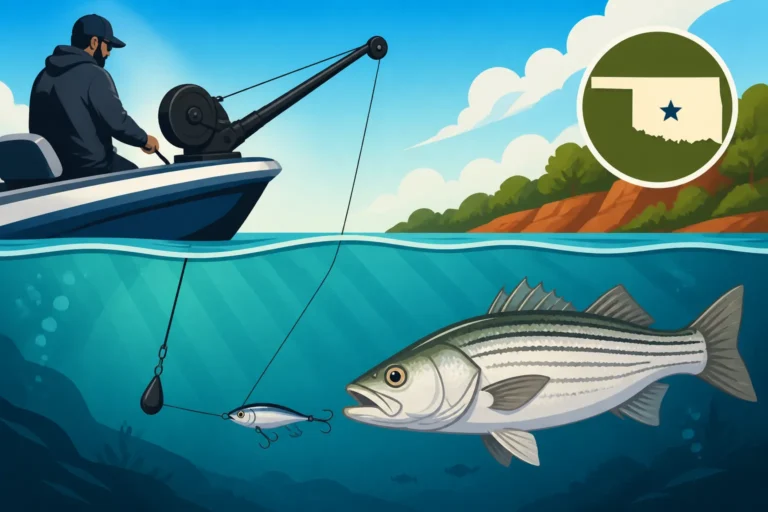
| Striped Bass | Moderate to High | Open water, schooling baitfish | Topwater, large swimbaits | Can be found chasing bait schools near surface |
The table above is a general guide, and local conditions at specific lakes, like what you'd find at Tenkiller Ferry Lake, might always influence the best approach. However, it gives you a solid starting point for planning your strategy as the sun goes down.
Disclaimer
Fishing involves inherent risks. Always prioritize safety, wear appropriate personal flotation devices when boating, and be aware of your surroundings. Regulations regarding fishing licenses, bag limits, and boating safety in Oklahoma are subject to change. It is your responsibility to consult the latest Oklahoma Department of Wildlife Conservation (ODWC) regulations before heading out on the water. This guide is for informational purposes only and does not constitute professional advice.