Spring vs Fall Fishing Patterns on Oklahoma Reservoirs
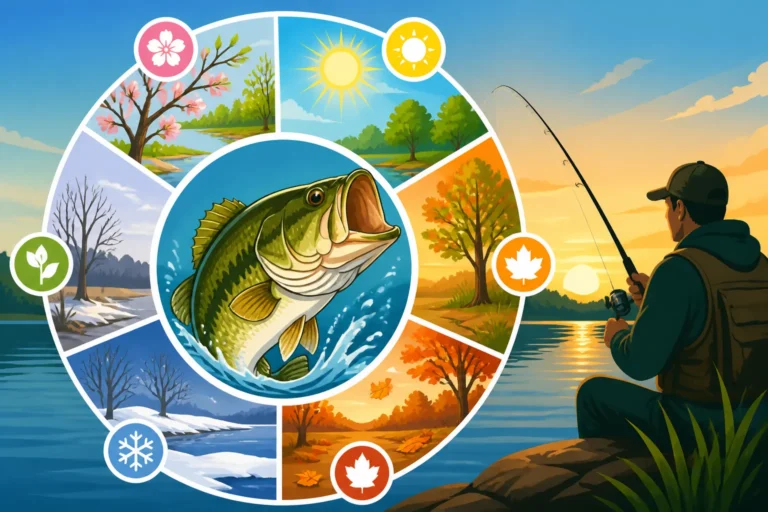
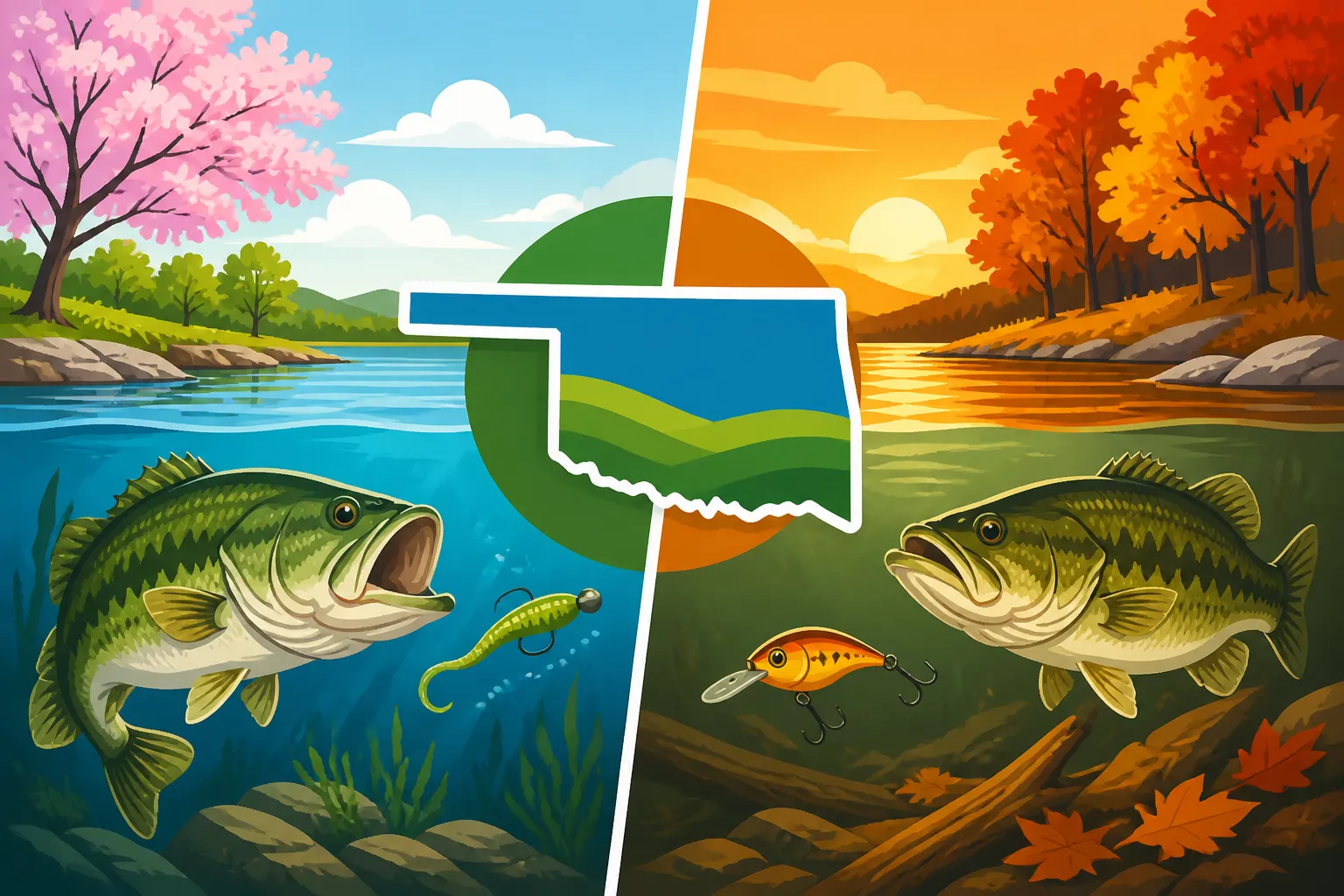
If you've spent any time on Oklahoma's beautiful reservoirs, you know that fishing can feel like a completely different sport depending on the season. Anglers often face the frustrating challenge of adapting their strategies from the vibrant, energetic bite of spring to the frantic, pre-winter feeding of fall. This guide aims to unravel those seasonal mysteries, helping you understand the distinct patterns and productive techniques for both spring and fall fishing in the Sooner State.
The Spring Awakening: Understanding Oklahoma's Pre-Spawn and Spawn
Spring in Oklahoma is a time of renewal, and for fish, it's all about reproduction. The warming waters signal a crucial biological shift, drawing fish out of their deeper winter haunts and into shallower areas. This period, often broken into pre-spawn, spawn, and post-spawn, offers some of the most exciting and predictable fishing opportunities, but only if you know what to look for.
Early Spring: Pre-Spawn Aggression
As late winter begins to fade and the first hints of spring arrive, usually in February and March, reservoir water temperatures start to creep into the upper 40s and low 50s. This is the pre-spawn phase, and fish, especially bass, crappie, and even some catfish, start getting very active. They're moving up from their winter depths, staging on points, humps, and channel swings adjacent to spawning flats. Think of them as athletes getting ready for a big event – they're feeding heavily to build up energy reserves.
This is a fantastic time to throw reaction baits. Lures like lipless crankbaits, jerkbaits, and spinnerbaits that mimic fleeing baitfish can trigger aggressive strikes. On a lake like Grand Lake O' the Cherokees or Lake Eufaula, targeting those transition areas where deep water quickly meets shallower coves can be incredibly productive. The fish aren't on the beds yet, but they're definitely thinking about it, and they're hungry.
Peak Spring: The Spawn
Once water temperatures consistently hit the mid-50s to low 60s, typically from late March through May, the main event begins: the spawn. This is when most popular game fish move into the shallowest, protected areas of the reservoir to lay and guard their eggs. For bass anglers, this means looking for visible beds in clear water coves, along sandy or gravelly banks, and around flooded timber or brush piles.
During the spawn, fish become highly territorial. Bass, in particular, will aggressively guard their nests from any perceived threat, making them vulnerable to precise presentations. Soft plastics, jigs, and creature baits dropped directly onto or near a bed can often provoke a strike. It's an incredible experience, but remember to practice catch and release, especially with bedding fish, to ensure future populations. Understanding How Water Temperature Affects Bass Spawning in Oklahoma is key to timing this phase perfectly.
Late Spring: Post-Spawn Recovery
After the rigors of spawning, fish enter a post-spawn recovery phase, usually from late May into June. They've spent all their energy guarding beds, and now they're tired and hungry again, but often a bit lethargic. You'll find them starting to move off the shallow beds, retreating to nearby cover such as submerged brush, docks, or deeper points. They’re still in the vicinity but need to recuperate.
During this period, targeting areas where baitfish are abundant becomes crucial. Fish will feed opportunistically, so slower-moving baits like Texas-rigged worms, shaky heads, or even small crankbaits can be effective. This is also a good time for crappie to be found around submerged brush piles near deeper water as they recover from their own spawning efforts. Don't be surprised if you catch some of your biggest fish during this recovery, as they're really trying to pack on the pounds again.
The Autumn Shift: Fall Turnover and Feeding Frenzies
Fall fishing in Oklahoma, generally from September through November, brings a different kind of excitement. As air temperatures drop, the entire aquatic ecosystem undergoes a transformation, most notably with the phenomenon of "lake turnover." This period marks a shift from the summer's stratified layers to a more uniform water column, which in turn triggers a massive feeding frenzy as fish prepare for winter.
Early Fall: The Turnover
The early fall, often in September and early October, is dominated by lake turnover. During summer, lakes stratify into warm surface water and cold, oxygen-depleted deep water. As surface temperatures cool, the density changes, causing the layers to mix. This process can be a bit chaotic for fishing. It often displaces baitfish, disorients game fish, and can even temporarily make the water appear dirty or smell a bit funky.
Fishing during turnover can be challenging, as fish are scattered and less predictable. They might be in shallower water one day and deeper the next. Many anglers find success by covering a lot of water with search baits like spinnerbaits or squarebill crankbaits, trying to find active schools. This period is a prime example of why understanding Fall Fishing Patterns on Oklahoma's Major Reservoirs is so important; knowing what's happening beneath the surface helps you anticipate fish behavior.
Mid-Fall: The Feeding Binge
Once the lake turnover settles down and the water temperatures stabilize in the 60s and 50s (usually late October through mid-November), Oklahoma reservoirs come alive with one of the most exciting fishing periods of the year: the fall feeding binge. Baitfish, like shad, school up in massive balls, migrating into shallower coves and creek arms in search of warmer water and available forage. Game fish, knowing winter is coming, follow them relentlessly, feeding aggressively to build fat reserves.
This is a fantastic time for power fishing. Topwater baits can be explosive, especially during low-light conditions, as predator fish smash into bait balls on the surface. Crankbaits, especially those that imitate shad, are incredibly effective when retrieved through schooling baitfish. On lakes like Lake Texoma, you'll see massive schools of striped bass and white bass chasing shad to the surface, making for some truly epic fishing. Look for bird activity – seagulls diving usually means game fish are driving bait to the surface.
Late Fall: Transition to Winter Holds
As fall progresses into late November and December, and water temperatures drop further into the 40s, the feeding frenzy begins to wane. Fish, having gorged themselves, start to transition towards their winter holding patterns. They'll move to deeper main lake points, channel edges, and submerged humps, often congregating in large schools. Their metabolism slows down, and they become less aggressive, requiring a more finessed approach.
During this late fall phase, vertical presentations become more effective. Jigging spoons, blade baits, and drop shots can tempt sluggish fish holding tight to structure. Look for deep schools on your fish finder, perhaps near thermal refuge areas or deep brush piles. While the action isn't as frantic as mid-fall, patient anglers can still find great success by slowing down their presentation and focusing on precise bait placement.
Key Differences and Adaptations: Spring vs. Fall Strategies
Understanding the distinct behaviors of fish during spring and fall is paramount to consistent success on Oklahoma's waters. While both seasons offer incredible fishing, the underlying motivations and environmental conditions are vastly different, demanding unique strategies from anglers.
Water Temperature and Fish Behavior
The most significant differentiator between spring and fall fishing patterns is how water temperature influences fish behavior. In spring, rising temperatures are the primary driver, signaling the biological imperative to spawn. Fish move from cold, deep water to warmer, shallow areas to reproduce. Their aggression is often territorial, defending beds, or a pre-spawn hunger to fuel the upcoming reproductive effort.
In contrast, falling temperatures in the fall trigger a "winter is coming" instinct. Fish move from summer patterns to actively chasing and consuming baitfish to build up fat reserves. Their aggression is driven by hunger, often leading to fierce competitive feeding among schools. The Best Time of Year to Fish in Oklahoma often hinges on whether you prefer the reproductive drive of spring or the feeding drive of fall.
Here’s a quick comparison of how temperature affects target zones:
| Season | Typical Water Temperature Range | Primary Fish Motivation | Preferred Depth/Structure |
|---|---|---|---|
| Spring (Pre-Spawn) | 48-55°F | Building energy for spawn | Main lake points, channel swings, creek mouths leading to flats |
| Spring (Spawn) | 55-68°F | Reproduction (laying/guarding eggs) | Shallow coves, protected flats, docks, flooded timber |
| Spring (Post-Spawn) | 65-75°F | Recovery & opportunistic feeding | Nearby cover, deeper edges of spawning flats, main lake points |
| Fall (Turnover) | 68-60°F | Adjusting to mixing water column | Scattered, often suspend, may be found shallower or deeper |
| Fall (Feeding Binge) | 60-50°F | Aggressive feeding before winter | Creek arms, schooling baitfish, main lake points, shallow flats |
| Fall (Winter Transition) | 50-40°F | Moving to deep winter holds | Deep main lake points, channel edges, humps, submerged brush |
Baitfish Movement and Presentation Styles
Another critical difference lies in baitfish patterns and how they dictate your lure choices and presentation. In spring, baitfish are generally more dispersed. While they might be present in spawning areas, they aren't typically forming the dense, actively chased schools you see in the fall. Therefore, in spring, your lures need to provoke an individual fish's strike, whether it's an aggressive pre-spawn reaction or a territorial defense. This is where Seasonal Bait Selection for Bass and Seasonal Lure Selection for Crappie really come into play.
In the fall, especially during the feeding binge, baitfish congregate in massive schools, often pushed to the surface or against banks by predator fish. This means your presentations should aim to imitate these large schools and capitalize on the competitive feeding. Fast-moving search baits like crankbaits, topwaters, and swimbaits are highly effective, mimicking a panicked baitfish trying to escape. Understanding this shift is vital for success; a bait that dominates in spring might be completely ignored in fall.
Weather Impact and Angler Tactics
Weather fronts impact fishing differently in spring versus fall. In spring, a sudden cold front can shut down a bite quickly, especially if fish are on beds, driving them deeper and making them lethargic. Steady warming trends are usually ideal. Knowing How Cold Fronts Change Fishing Patterns on Oklahoma Lakes is paramount in spring. Anglers need to be prepared for finicky bites and slow down their presentations significantly after a front.
In the fall, while severe cold fronts can also slow things down, milder fronts often trigger even more aggressive feeding as fish sense the impending winter. Stable, cooling weather can lead to some of the best fishing days. Anglers often find themselves racing against the clock in the fall, trying to take advantage of peak feeding windows. The strategies outlined in Bass Fishing Techniques by Season provide a good framework, but the nuanced differences between spring and fall require keen observation and adaptability.
Gear and Techniques for Seasonal Success
Having the right tools and knowing how to use them is just as important as understanding fish behavior. While some gear is universal, optimizing your rods, reels, and lure selection for the specific demands of spring and fall fishing patterns will significantly boost your catch rates on Oklahoma's reservoirs.
Essential Spring Gear
For spring fishing, especially targeting bass during pre-spawn and spawn, versatility is key. You'll want a medium-heavy casting rod (7' to 7'3") for throwing jigs, Texas rigs, and spinnerbaits, paired with a reliable baitcasting reel with a decent gear ratio (6.4:1 to 7.1:1). A medium-light spinning rod (6'6" to 7') with a 2500-3000 series spinning reel is indispensable for finesse techniques, drop shots, or throwing lighter jerkbaits, especially around spawning beds.
When it comes to lures, stock up on lipless crankbaits like the Rat-L-Trap or Strike King Redeye Shad in chrome/blue or craw patterns for pre-spawn. For the spawn, creature baits, soft plastic stickbaits (like a Senko), and jigs in natural colors (green pumpkin, black and blue) are critical. Don't forget suspending jerkbaits; they can be deadly in cooler pre-spawn water. You can find a great selection of these on Amazon, ready for your next trip. To learn more, check out Best Bass Lures for Spring Fishing.
Essential Fall Gear
Fall fishing, particularly during the feeding binge, often calls for gear that can handle aggressive strikes and cover water quickly. A stout medium-heavy casting rod is still vital, but consider a slightly faster gear ratio (7.1:1 or 8.1:1) baitcasting reel for quickly retrieving line after a long cast or burning a crankbait. For topwater action, a medium-heavy rod with a softer tip can help with casting distance and hook sets.
Lure selection in the fall revolves around imitating schooling baitfish. Crankbaits in shad patterns (chrome, white, silver) are indispensable. Lipless crankbaits, swimbaits, and even large topwater plugs like a Zara Spook or a Whopper Plopper are excellent choices for breaking fish. If you're targeting deeper schools in late fall, vertical jigging spoons or blade baits are a must. Many anglers stock up on these in bulk from sites like Amazon due to the high likelihood of losing them to snags. For detailed recommendations, see Best Bass Lures for Fall Fishing.
Leveraging Technology
Modern fishing electronics can be a game-changer in both spring and fall, helping you pinpoint fish and structure. In the spring, side-imaging and down-imaging on your fish finder can help you locate subtle changes in depth or submerged cover where fish might be staging before they move to beds. Some anglers even use their electronics to spot actual bass beds in clearer waters.
In the fall, especially during the turnover and feeding frenzy, a good fish finder is invaluable for locating schooling baitfish and the predators that follow them. Look for dense bait balls and arcs representing game fish on your sonar screen. GPS capabilities can help you mark productive areas and return to them later. Brands like Humminbird and Garmin offer excellent units that can be purchased from online retailers like Amazon. Understanding Fish Finder Features That Matter Most on Oklahoma Reservoirs will help you choose the right unit for your needs.
Disclaimer
The information provided in this guide is for general informational purposes only and is subject to change. Always consult the official Oklahoma Department of Wildlife Conservation (ODWC) regulations before fishing, as rules regarding licenses, bag limits, and specific water body regulations can be updated annually. Fishing conditions, including water levels and fish behavior, can vary based on local weather and environmental factors.