How to Catch Bass in Muddy Water After Rain
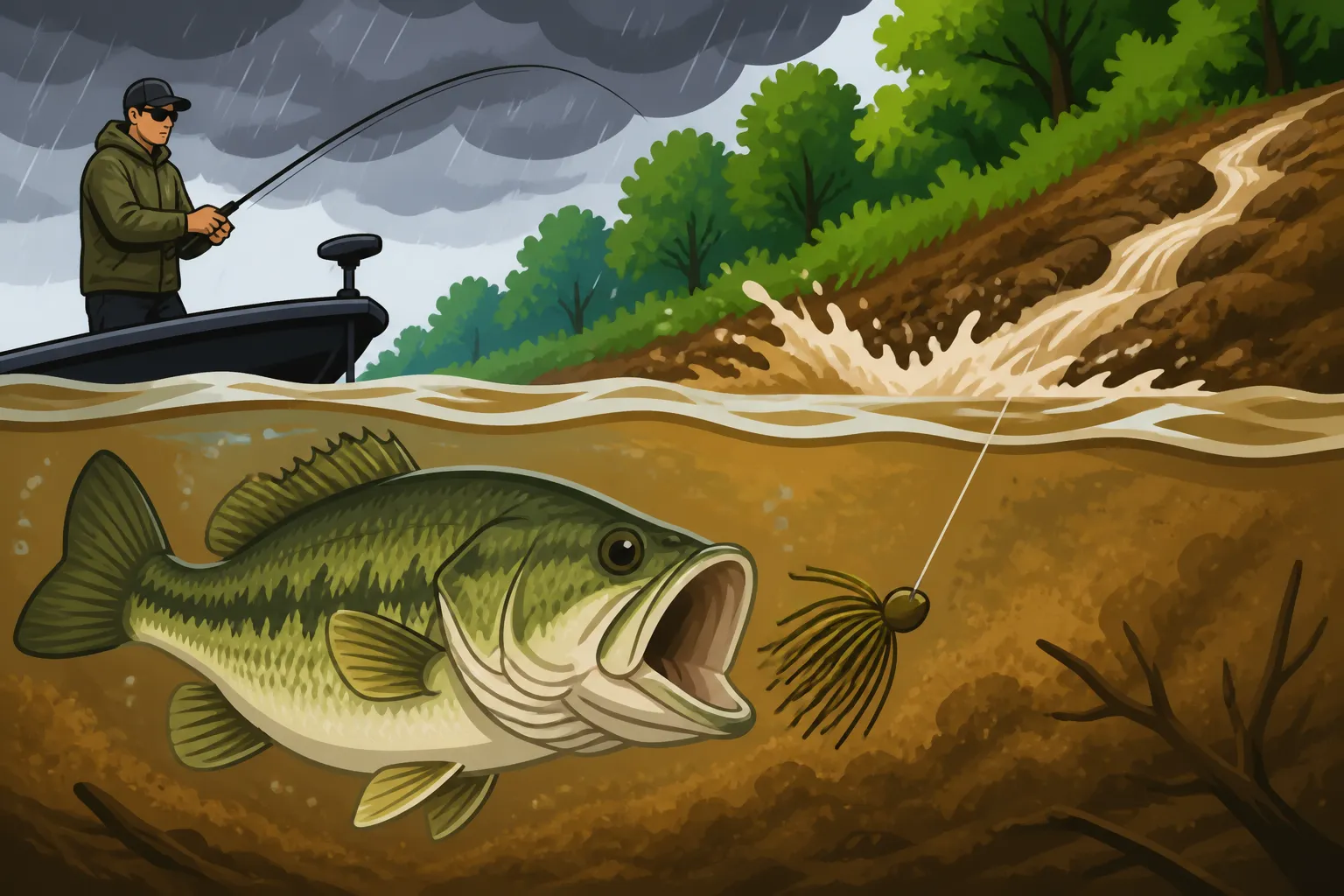
There’s nothing quite as disheartening as planning a much-anticipated bass fishing trip, only to wake up to a heavy downpour and find your favorite lake or pond transformed into a chocolate milk shake. That murky, stirred-up water can make even the most seasoned angler scratch their head, wondering if it's even worth casting a line. But trust me, muddy water after a good rain isn't a death sentence for your bass fishing plans; it's just a different puzzle to solve. This guide is all about equipping you with the knowledge and tactics to not just survive, but thrive, when Oklahoma's waters turn turbid, ensuring your next rainy-day outing can still be a successful one.
Understanding Why Bass React to Muddy Water
When a significant rain event hits, especially after a dry spell, the landscape changes dramatically, and so does the underwater world for bass. It's easy for us anglers to just see "muddy water," but understanding the chain reaction below the surface is key to adapting our approach.
The Immediate Impact of Heavy Rain on Water Clarity
First and foremost, rain, particularly heavy rain, brings with it an influx of sediment. This sediment, composed of clay, silt, and organic matter from surrounding banks and runoff, gets suspended in the water column, drastically reducing visibility. Imagine trying to hunt in a thick fog – that’s essentially what a bass experiences. Here in Oklahoma, where we have a lot of red clay in our soil, especially in areas around lakes like Eufaula or Sardis, the water can turn a deep, opaque red-brown almost instantly. Lakes with a lot of shallow, soft bottom will churn up faster than those with predominantly rocky bottoms like parts of Broken Bow Lake or Lake Murray.
This decrease in visibility does more than just make it harder for bass to see their prey; it also affects their sense of security. Bass are ambush predators, and they rely on being able to see their surroundings, detect threats, and target baitfish. When that visual advantage is taken away, they often become less active, hugging cover even tighter, or moving to areas where conditions might be slightly better. It’s a stressful situation for them, but it also creates opportunities for anglers who understand how to exploit these changes.
How Bass Use Their Senses in Low Visibility
Since their primary sense of sight is severely diminished in muddy water, bass lean heavily on their other senses: their lateral line, hearing, and smell. The lateral line is a sensory organ that runs along both sides of a fish's body, allowing them to detect vibrations and pressure changes in the water. This is like a built-in sonar system, helping them "feel" objects and movements around them, even in total darkness.
Sound also becomes incredibly important. The low-frequency thumps and splashes made by struggling baitfish or a well-chosen lure can travel further and be more easily detected by a bass's inner ear than in clear water where visual cues are dominant. Similarly, scent plays a much larger role. A strong scent trail can guide a bass directly to a lure that they can't visually track, making it a critical factor in successful muddy water fishing. Understanding this sensory shift is paramount to selecting the right lures and techniques.
Essential Gear and Lure Choices for Muddy Water Bass Fishing
When the water turns murky, you can't just throw your usual confidence baits and expect the same results. You need to adjust your arsenal to appeal to those heightened senses of vibration, sound, and smell. This means rethinking lure types, colors, and even how you present them.
Lure Selection: Vibration, Color, and Scent are Key
When choosing lures for muddy water, prioritize anything that displaces a lot of water, creates strong vibrations, emits loud sounds, or leaves a potent scent trail. These are the qualities that will trigger a bass's lateral line, hearing, and olfactory senses.
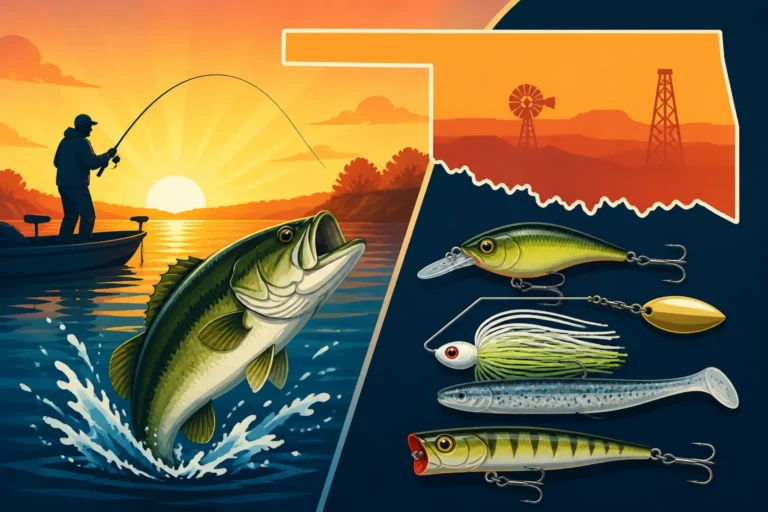
Vibration and Sound: Start with lures known for their strong vibration and noise. Bladed jigs, often called Chatterbaits (like the Z-Man Chatterbait or similar designs), are phenomenal for this. The blade violently vibrates, sending out a powerful ripple that bass can feel from a distance. Spinnerbaits with large, thumping Colorado or Indiana blades are another excellent choice. The flash isn't as critical as the thump, so focus on blade size. Squarebill crankbaits, which typically have a wide, erratic wobble, also displace a lot of water and create a distinct vibration that bass can home in on. For heavy cover, jigs with large, bulky trailers (like a craw or beaver-style bait) dropped into tight spots also create a noticeable presence.
Color: The general rule of thumb for muddy water is to use colors that provide the most contrast or are exceptionally bright. Darker colors like black, blue, black/blue, junebug, or even dark purple stand out as silhouettes against the murky background. Think of it like trying to see a dark object against a cloudy sky – it’s easier than seeing a gray object. Conversely, very bright, fluorescent colors like chartreuse, white, or firetiger can also be effective by providing a stark, unnatural pop of color that might grab a bass's attention when everything else is muted. Often, a combination like black and blue with a chartreuse blade on a spinnerbait or Chatterbait hits all the right notes. Many of these effective lures, along with tackle boxes and other essential gear, can be easily found and ordered through online retailers like Amazon, ensuring you’re ready for whatever conditions Oklahoma throws your way.
Scent: Don't underestimate the power of scent in muddy water. Many soft plastics come pre-scented, like those from Berkley PowerBait or Yum Dinger, which can make a big difference. If your favorite plastics aren't scented, consider adding a topical scent spray or gel. Brands like Gulp! Alive or Pro-Cure offer effective options. The idea is to create a scent trail in the water that a bass can follow, guiding them to your lure even if they can't see or feel it until the last moment. In murky conditions, a lingering scent can mean the difference between a curious sniff and a committed strike.
Rod, Reel, and Line for Increased Sensitivity and Power
Your tackle setup also needs to be robust enough to handle the challenges of muddy water fishing. Often, this means fishing in heavy cover where bass feel most secure, and you'll need the power to extract them.
Rods: Opt for medium-heavy to heavy power baitcasting rods with a fast action. The increased power helps you cast heavier, bulkier lures like bladed jigs and spinnerbaits, and more importantly, provides the backbone needed to wrench a bass out of thick cover like flooded willows or submerged brush piles. A fast action tip gives you the sensitivity to detect subtle bites (which can be more common in murky water) and ensures quick, powerful hooksets. Whether you’re fishing for Largemouth Bass Fishing in Oklahoma: The Complete Guide or Smallmouth Bass in Oklahoma: What Anglers Should Know, the right rod makes all the difference.
Reels: Pair your robust rod with a quality baitcasting reel. You'll want a reel with enough cranking power to muscle in fish and control your presentation. Gear ratio is important too. A slower gear ratio (around 6.3:1 or 6.4:1) is excellent for cranking squarebills, allowing for a slower, more deliberate retrieve that gives bass time to react. For spinnerbaits and bladed jigs, a slightly faster ratio (7.0:1 or 7.3:1) can help you keep the lure in the strike zone and burn it if needed, though slower is often better in dirty water. Look for reels with strong drag systems, as bass tend to fight harder and bolt for cover when they can't see what's happening.
Line: This is where many anglers make a mistake. In muddy water, you're not usually worried about bass seeing your line, so you can go heavier. Fluorocarbon line in the 15-20 lb test range is a great choice because of its low stretch (offering increased sensitivity for those subtle bites) and its abrasion resistance, which is crucial when fishing around snags and heavy cover. However, many anglers also opt for braided line (30-50 lb test) due to its extreme strength, zero stretch, and unparalleled sensitivity. Braid excels in fishing heavy cover and for punching jigs, but you might want to tie a short fluorocarbon leader if you're concerned about line visibility in slightly clearer patches or if the water isn't completely opaque.
Strategic Techniques for Finding and Catching Bass in Murky Conditions
Knowing what gear to use is only half the battle; knowing how and where to use it is just as crucial. Muddy water requires a distinct shift in fishing strategy, focusing on specific locations and presentation styles that appeal to a bass's non-visual senses.
Focusing on Shallow Water and Cover
When heavy rains hit, bass often migrate to shallower waters for a few key reasons. Firstly, runoff water can be warmer than deeper lake water, especially in spring and summer. This warmer, often more oxygenated water is attractive to bass and their prey. Secondly, baitfish, minnows, and crawfish are frequently washed into shallow areas and along the banks, creating easy feeding opportunities. Bass will follow this food source.
Therefore, your primary focus should be on shallow cover. This includes laydowns (fallen trees), flooded bushes and timber, boat docks, riprap shorelines, and even dense grass beds. Bass will bury themselves in this cover, feeling secure from predators and waiting to ambush anything that comes too close. Cast your lures tight to these structures, often making multiple casts to the same spot from different angles. Remember, bass are relying on feeling or smelling your lure, so it needs to be right there for them to find it. This is particularly true in many of Oklahoma's major reservoirs, which are known for their abundant timber and shoreline vegetation.
Slow and Deliberate Presentations
In clear water, a fast, erratic retrieve can trigger reaction strikes. In muddy water, this often doesn't work. Bass can't track fast-moving objects visually, so they need more time to locate your lure with their lateral line and sense of smell. This means slowing everything down.
When fishing a squarebill crankbait, "grind" it along the bottom or bounce it off cover, making sure it generates constant contact and vibration. For spinnerbaits, try a slow-rolling retrieve, just fast enough to keep the blades turning and thumping. Jigs pitched into cover should be worked slowly and methodically, allowing them to sit on the bottom and soak, giving bass ample time to find them. Don't be afraid to let your soft plastics sit motionless for a few seconds after a hop or twitch; sometimes, that's all it takes for a bass to commit. This patient approach is often the key when bass are in a more lethargic, non-visual feeding mode. Considering the Seasonal Bait Selection for Bass, slower presentations are often effective across seasons in dirty water.
Targeting Inflow Areas and Creek Channels
Rainfall naturally means water is flowing into the lake or river from feeder creeks, ditches, and culverts. These inflow areas are absolute magnets for bass in muddy water for several reasons. The fresh water often brings higher oxygen levels, which is vital after heavy rain, especially in warmer months. More importantly, these inflows act like a conveyor belt, washing in all sorts of food – worms, insects, and baitfish that were in the creeks are now being swept into the main body of water.
Look for the "mud line" – the visible line where the murky runoff meets the slightly clearer main lake water. This transition zone is often a hotbed of activity, as baitfish get disoriented and bass patrol the edge, ambushing anything that crosses their path. Cast your lures parallel to this line or directly into the inflow, working your way out. Creek channels, especially those that wind their way close to the bank, also serve as highways for bass moving into or out of these feeding zones. Finding these spots can concentrate fish, making your efforts much more efficient. Many anglers specifically target these areas, especially in lakes like Lake Eufaula, which has numerous creeks and vast shallow flats that get washed out. Knowing where these creeks are can give you a significant advantage, much like understanding how water temperature affects fishing success.
Overcoming Common Challenges and Adapting Your Approach
Even with the right gear and techniques, muddy water fishing can be tough. It challenges your patience and your confidence. But by understanding the nuances and staying persistent, you can consistently turn challenging days into memorable ones.
The Timing Factor: When Does the Bite Turn On?
The timing of your fishing trip relative to the rain event can significantly impact your success. Often, the best bite in muddy water isn't during the heaviest rain, but shortly after it. As the rain subsides and the water levels begin to rise or stabilize, but before the water becomes completely devoid of oxygen or excessively cold, is usually a prime window. The initial influx of fresh water can stimulate feeding, and the rising water covers new shallow cover, drawing bass in.
Conversely, if the water remains heavily stained for several days or weeks, the bite might slow down considerably as oxygen levels drop or the bass become accustomed to the conditions and disperse. Monitoring local conditions and checking forecasts for rain patterns can help you time your trips better. Sometimes, a full 24-48 hours after the rain stops can be ideal, allowing the initial shock to wear off and the bass to settle into their new, shallow muddy haunts. This can be as critical as knowing Spring Bass Spawn Timing in Oklahoma when planning your trips.
Adjusting to Different Oklahoma Lake Types
Oklahoma is blessed with a diverse range of lakes, and each one reacts differently to heavy rain and subsequent muddy conditions. A red clay lake, common in central and eastern Oklahoma like Lake Eufaula or Lake Texoma, will stain a deep red-brown and can take days or even weeks to clear up, especially after significant runoff. On these lakes, you'll almost always be fishing dirty water tactics, and bass are often more accustomed to it.
On the other hand, clearer, rocky lakes found in southeast Oklahoma, such as Broken Bow or Tenkiller Lake, might only stain slightly or in localized areas after rain. Here, the contrast is even more pronounced, and bass might be even more disoriented. You might find pockets of clearer water, or the stain might be confined to specific arms or creek mouths. Understanding the geological makeup of your chosen lake is crucial for predicting how long the muddy conditions will last and how much the bass will be affected. This is a good opportunity to review Best Bass Fishing Lakes Across Oklahoma and consider how each might respond to heavy rain.
Here's a quick look at how some common Oklahoma lake types respond to rain:
| Lake Type | Example Lakes | Typical Response to Heavy Rain | Turbidity Persistence | Key Strategy Notes |
|---|---|---|---|---|
| Red Clay Lakes | Lake Eufaula, Lake Texoma, Keystone Lake | Turn a deep, opaque red-brown due to clay runoff | Slow to clear (days to weeks) | Focus on loud, vibrating, dark lures. Fish shallow cover aggressively. |
| Clear, Rocky Lakes | Broken Bow Lake, Tenkiller Lake, Lake Murray | Stains are often localized; main body may stay clearer | Faster to clear (hours to days) | Target muddy inflows/transition lines. Bass may be more sensitive to changes. |
| Prairie Lakes | Lake Hefner, Lake Overholser (near OKC) | Can get very murky due to agricultural runoff | Moderate to slow (days) | Focus on wind-blown banks, riprap, and channel swings with strong baits. |
| Riverine Lakes | Arkansas River Navigation System lakes | High flow keeps water turbid; constant current | Highly variable, often persistent | Target eddies, current breaks, and log jams. Heavy jigs and crankbaits. |
The Importance of a Good Game Plan and Persistence
Fishing muddy water is often a grind. It's not usually about numbers, but about quality bites that you really have to work for. A good game plan starts with understanding the conditions, selecting the right gear, and heading to known shallow, cover-laden, or inflow areas. Once there, practice persistence. Make repeated casts to promising spots. Don't leave a brush pile after just one cast. Really work the cover.
Sometimes, all it takes is adjusting your retrieve speed by a hair, or swapping out a black and blue jig for a junebug one, to trigger a strike. Trust the principles: vibration, sound, and scent. And most importantly, stay positive. The bass are there; they're just harder to find. When you finally connect with a chunky bass in those challenging conditions, the reward feels even sweeter. Remember, even during tough conditions, staying informed about Oklahoma's Bass Fishing Rules and Limits is crucial.
You've got this, Oklahoma angler! Embrace the muddy water, and you'll find a whole new level of satisfaction in your fishing adventures.
Disclaimer
The information provided in this guide is for general informational purposes only and is intended to offer helpful tips and insights into fishing techniques. Fishing conditions, regulations, and fish behavior can vary greatly depending on location, time of year, and other environmental factors. Always consult the official Oklahoma Department of Wildlife Conservation (ODWC) regulations before heading out to fish, and be aware of any local rules or advisories. Fishing involves inherent risks, and safety should always be your top priority. Neither the author nor the publisher assumes any responsibility for accidents, injuries, or legal issues arising from the use of this information.