Winter Catfishing Tips for Oklahoma Lakes
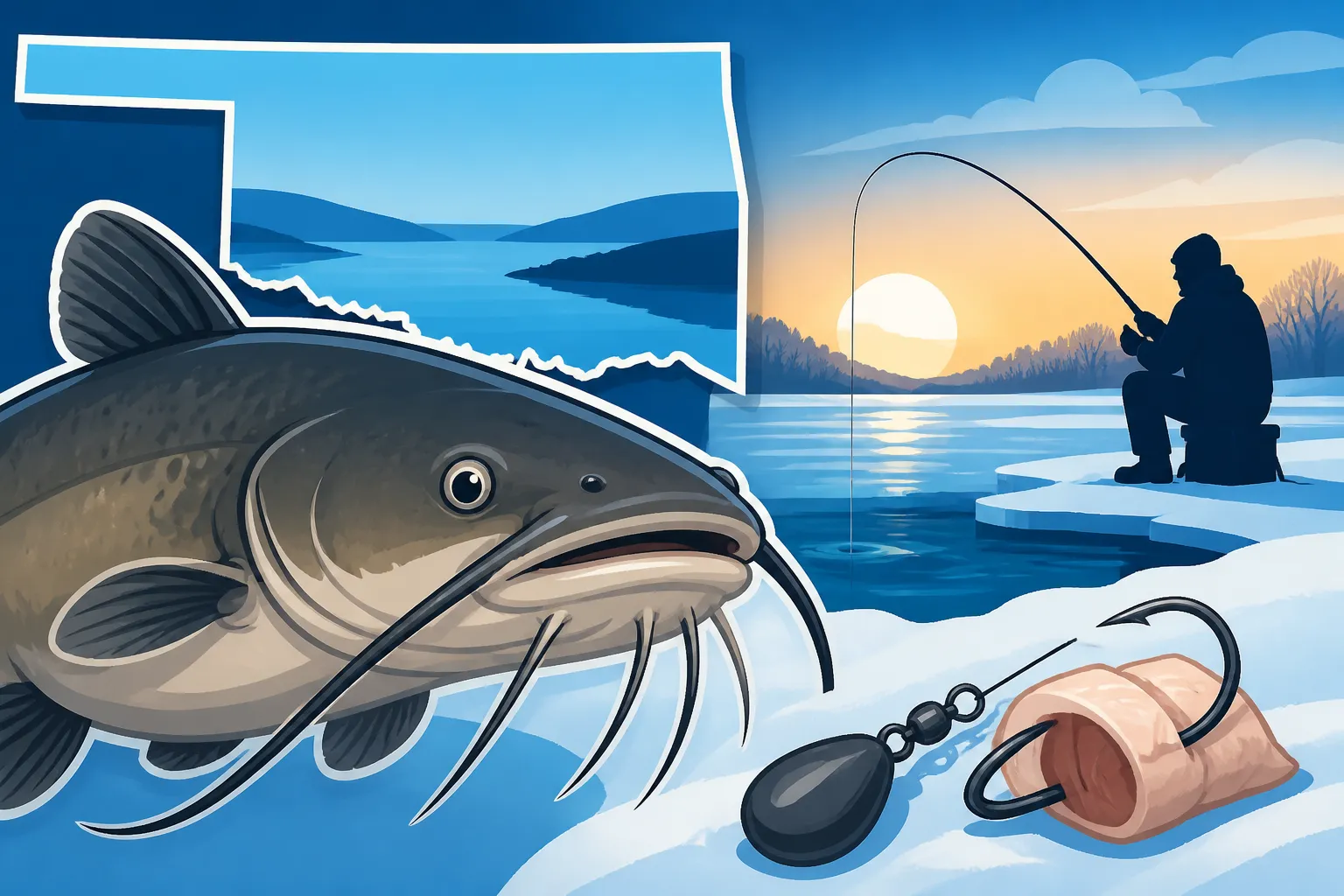
Many anglers hang up their rods once the temperatures dip, mistakenly believing that fishing, especially for catfish, becomes impossible or not worth the effort in Oklahoma's winter months. This couldn't be further from the truth. While the biting cold might make you want to stay bundled indoors, savvy anglers know that winter offers unique opportunities to land some truly impressive catfish. This guide will help you understand how to adapt your strategy, find these cold-water giants, and enjoy successful catfishing even when the mercury drops.
Dispelling the Myth: Why Winter Catfishing in Oklahoma is Worth It
It’s a common misconception that fish, particularly catfish, go dormant in winter and become impossible to catch. People often associate catfishing with hot summer nights and stinky bait, but that’s only part of the story. While their metabolism does slow down, catfish are still actively feeding, and often, the biggest fish are more accessible than you might think. Don't let the chilly air deter you; some of the most memorable catfishing trips happen in the quieter, colder months.
The Winter Behavior of Catfish
When water temperatures plummet, catfish, like most cold-blooded creatures, become less active. They don't disappear, though; they simply adapt their behavior to conserve energy. Instead of roaming vast areas, they tend to school up in large groups, often in deeper water where temperatures are more stable. This schooling behavior can be a huge advantage for anglers. If you find one fish, you've likely found a whole pile of them. Their feeding becomes less frantic, transitioning from opportunistic scavenging to more deliberate, less frequent meals. This means your bait needs to be presented perfectly, right in front of them, and often requires a bit more patience than a summer free-for-all. They're still hungry, but they're not going to chase your offering very far.
Targeting Specific Catfish Species
Oklahoma is home to three main species of catfish: channel, blue, and flathead. Each behaves a little differently in winter, and understanding these nuances can significantly improve your success. For a deeper dive into their identification, you can check out our guide on Channel Catfish vs Blue Catfish vs Flathead Catfish in Oklahoma.
- Blue Catfish: These are often the stars of the winter catfishing show, especially in larger reservoirs like Lake Texoma, Grand Lake O' the Cherokees, and Lake Eufaula. Blue cats are known to congregate in massive schools in deep main lake channels, near submerged timber, or along bluff walls. They'll actively feed, albeit at a slower pace, throughout the winter. Targeting these schooling fish can lead to incredible catches, with some trophy-sized blues hitting the scales. Remember, there are specific Oklahoma Forked-Tail Catfish Bag Limit rules, including The 30-Inch Blue Catfish Rule in Oklahoma, so always be aware of the regulations.
- Channel Catfish: While still catchable, channel cats tend to be less active than blues in colder water. They'll often seek out slightly shallower, protected coves or areas with some current in rivers and smaller lakes. They might not form the massive schools that blues do, but they're still present and willing to bite if you can present a tempting meal right to them.
- Flathead Catfish: These solitary predators are perhaps the most challenging to catch in winter. Flatheads prefer live bait and often hide out in deep holes, log jams, or rock piles. Their metabolism slows down considerably, and they feed much less frequently. While not impossible, targeting flatheads in winter requires extreme patience and precision, focusing on their known haunts with fresh, lively bait.
Understanding these behaviors and knowing Catfish Species You'll Find in Oklahoma will help you choose your target and refine your winter strategy.
Gearing Up for the Cold: Essential Equipment and Baits
Winter fishing isn't just about finding the fish; it's about being prepared for the elements and having the right tools for the job. You'll need more than just a good rod and reel; you'll need gear that can handle colder temperatures and keep you comfortable.
Rods, Reels, and Line for Winter Catfishing
Your standard summer catfishing setup will generally work, but a few considerations can make a big difference. For heavy blue cats, a sturdy medium-heavy to heavy action rod, around 7-8 feet long, paired with a reliable baitcasting reel (like a Penn Squall or an Abu Garcia Ambassadeur) spooled with 20-50 pound monofilament or braid, is ideal. Braided line offers superior sensitivity, which is crucial when fish are biting subtly in cold water, but it can freeze up more easily than mono in extreme cold. A good compromise is a monofilament mainline with a fluorocarbon leader for abrasion resistance and reduced visibility. For more general advice on what to use, check out our guide on Best Gear for Catfish Fishing in Oklahoma.
- Rods: Look for rods with good backbone but a sensitive tip. The sensitive tip will help detect those light winter bites, which can feel like nothing more than a slight tap or pressure change.
- Reels: Ensure your reel is well-maintained and lubricated with cold-weather grease if you're fishing in truly freezing conditions to prevent sluggish operation.
- Line: As mentioned, braid offers sensitivity, but mono is less prone to ice-up. Consider your fishing environment and target species when choosing.
The Right Baits for Cold Water Success
In cold water, catfish metabolism slows, and they often become more scent-oriented. Forget the super strong, super stinky summer baits that work through sheer overwhelming odor. In winter, a more subtle, natural approach is often best. The colder water also means bait will last longer on the hook without deteriorating too quickly. For more specific bait recommendations, you can read our article on Best Catfish Bait for Winter Fishing.
Here are some top choices:
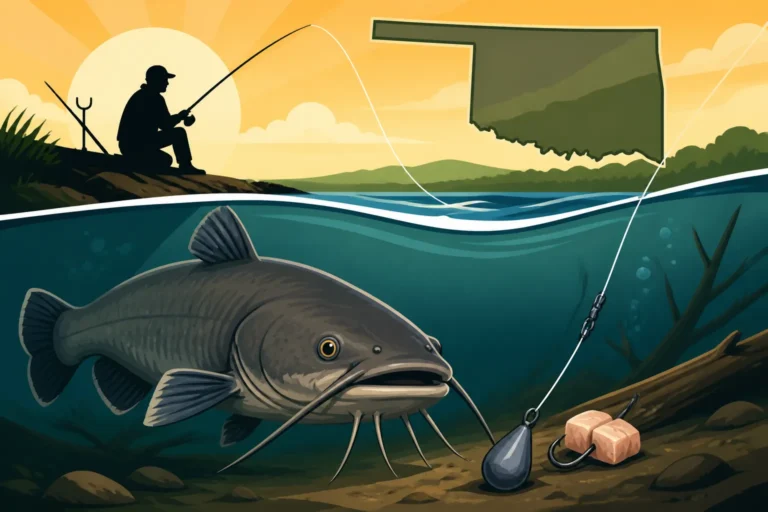
- Cut Bait: Fresh cut bait is king. Shad, carp, skipjack herring, and even fresh-cut pieces of larger bluegill or perch are excellent. The natural oils and blood are highly attractive. Cut it into smaller pieces than you might use in summer, as catfish aren't as aggressive and might prefer a more manageable meal.
- Prepared Baits: While some prepared stink baits might work on channel cats, they are generally less effective for large blues and flatheads in winter. If you do use them, opt for less overpowering varieties or those specifically designed for cooler water.
- Live Bait: For flathead catfish, live bait is almost always the preferred choice, even in winter. Smaller sunfish, carp, or suckers presented near known flathead haunts can entice a strike. Just make sure your live bait is healthy and active.
Staying Warm and Safe on the Water
This is perhaps the most critical "gear" consideration. Winter fishing can be enjoyable, but it can also be dangerous if you're not prepared for cold exposure. Layering is key: start with a moisture-wicking base layer, add insulating layers (fleece, down), and finish with a waterproof and windproof outer shell. Hand warmers, insulated boots, thick gloves (with convertible finger access for knot tying), and a warm hat are non-negotiable. Always let someone know where you're going and when you expect to return. Consider bringing a thermos of hot coffee or soup to keep your core temperature up. Safety equipment like a fully charged cell phone, a first-aid kit, and plenty of water are just as important in winter as any other time of year.
Decoding Winter Waters: Where to Find Catfish
Finding catfish in winter isn't about casting randomly; it's about understanding their cold-water movements and congregating habits. They’re looking for stable temperatures and easy access to food, which usually means deep water with some form of structure.
Deep Water Structure and Creek Channels
This is where the magic happens for blue catfish in winter. On big reservoirs like Lake Texoma or Lake Eufaula, blue cats will often school up in the deepest parts of the main lake channel or in the deep bends of submerged creek and river channels. They seek out areas where the water temperature is most stable, typically 30-60 feet deep, sometimes even deeper, depending on the lake and current conditions.
- Submerged Humps and Ridges: Catfish love to sit on top of or along the edges of underwater humps and ridges, especially if they are adjacent to deep channels. These spots offer a vantage point and slight current breaks.
- Bluff Walls and Drop-offs: Steep bluff walls that plunge into deep water provide excellent vertical structure where catfish can stack up. Look for ledges, small caves, or brush piles along these walls.
- Timber and Brush Piles: While less common in the deepest channels, any submerged timber or brush in deep water can attract and hold catfish. These areas offer cover and ambush points.
- Using Electronics: A good fish finder with side imaging or down imaging is an absolute game-changer for winter catfishing. It allows you to scan wide areas, locate those massive schools of blue cats, and pinpoint exactly where they are holding on structure. You're not just looking for individual fish; you're looking for bait balls and dense concentrations of arcs on your screen. When you see a big school, mark it and target it directly.
The Importance of Current Breaks and Dam Tailraces
Current plays a significant role in winter catfishing, especially in rivers or below dams. Catfish will often position themselves just out of the main current, in eddies or current seams, where they can conserve energy but still ambush food being washed downstream.
- Dam Tailraces: Below major dams, the generation of electricity can create consistent, oxygenated current that attracts baitfish and, consequently, catfish. These areas often have deeper holes and scour marks where fish can hold. However, always exercise extreme caution in these areas due to strong currents and fluctuating water levels. Check release schedules before you go.
- River Bends and Confluences: In river systems, deep bends and the confluences of smaller creeks with the main river are prime winter catfishing spots. The deeper water offers refuge, and the varied currents create seams where food accumulates.
Remember, fish are constantly moving, even in winter, so don't be afraid to move your boat and try different depths and structures until you find them.
Master Your Approach: Effective Winter Catfishing Techniques
Once you've geared up and located potential catfish holding areas, it's time to refine your fishing techniques. Winter fishing demands a slower, more deliberate approach compared to the fast-paced action of summer.
Bottom Fishing and Vertical Jigging Strategies
These are two of the most effective methods for targeting winter catfish, especially blue and channel cats.
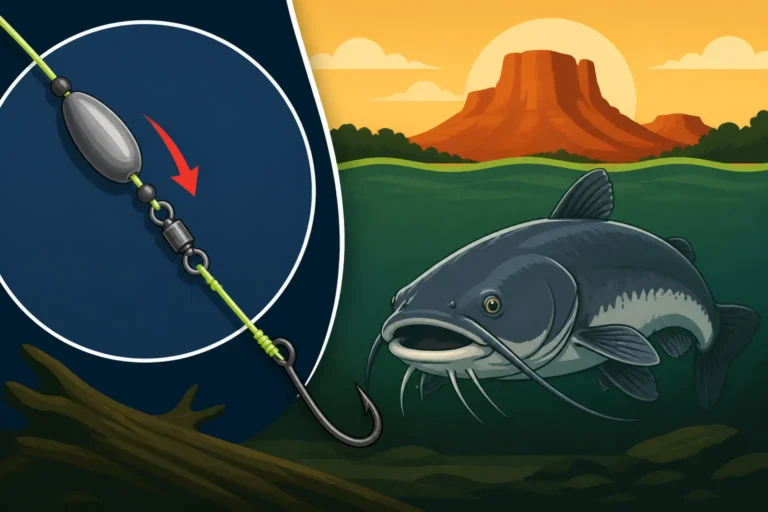
- Bottom Fishing: This is a classic for a reason. Catfish, particularly in cold water, spend a lot of time on the bottom. Use a slip-sinker rig or a Carolina rig to present your bait directly on or slightly above the bottom. The key is to use enough weight to hold your bait in place, especially if there's any current. For detailed instructions, check out How to Bottom Fish for Catfish.
- Presentation: Drop your bait straight down to the bottom. If you're drifting, do so very slowly, allowing your bait to bounce along the bottom. If anchored, make precise casts to suspected holding areas and let your bait sit.
- Bite Detection: Winter bites can be incredibly subtle. Sometimes it's a slow pull, sometimes just a slight increase in pressure, or a barely perceptible tap. Pay close attention to your rod tip. Rod holders are useful, but keep your hands on the rod if possible to feel those light taps.
- Vertical Jigging/Spoon Fishing: While more commonly associated with striper or bass, this technique can be deadly for tightly schooled blue catfish in deep water. Use heavy spoons (like a Sassy Shad or Johnson Silver Minnow) or lead head jigs with soft plastics (such as Berkley Gulp! or Mister Twister) and drop them directly into the school of fish you've located on your sonar.
- Action: Once at the desired depth, use a lift-and-drop motion, reeling up the slack as you drop. The goal is to imitate a dying or injured baitfish. Sometimes a simple dead stick, just holding the bait motionless in the middle of the school, can be very effective as well.
- Targeting Depth: This is where your fish finder is invaluable. You can see the fish, drop your bait to their exact depth, and often watch them react to your presentation. This is particularly effective for How to Catch Blue Catfish in Deep Water.
Adapting Trotlines and Juglines for Cold Conditions
While single rod-and-reel fishing is popular, some anglers still prefer the efficiency of trotlines and juglines, even in winter. These methods can be effective, but require adaptations for cold water. Our guides on How to Set Up a Trotline for Catfish and How to Jug Fish for Catfish offer foundational knowledge, but winter adds extra considerations.
- Trotlines: When setting trotlines in winter, focus on deeper channels and known catfish congregations. Use slightly larger hooks and space them further apart, as fish aren't feeding as actively and might need more time to find the bait. Fresh cut bait is paramount. Check your lines more frequently to prevent fish from dying in the cold water. Ensure your anchoring points are secure, as winter winds can be fierce.
- Juglines: Juglining in winter can be effective on large, relatively calm lakes with deep channels. Use heavier jugs or weights to keep your bait at the desired depth, especially if you're targeting those deep-schooling blue cats. Again, fresh cut bait is key. Since catfish are less active, jugs might not move as dramatically as in summer, so keep a close eye on them. You might need to deploy more jugs over a wider area to cover potential fish zones.
Remember to always adhere to Oklahoma's specific regulations for trotlines and juglines, which include marking requirements and limits on the number of hooks and lines. These regulations can be found in the Oklahoma's Catfish Fishing Rules and Limits section of the wildlife department's website.
No matter your chosen technique, patience is your greatest ally in winter catfishing. Bites will be slower, and sometimes hours might pass between strikes, but the reward of landing a big, healthy winter catfish is truly worth the wait.
| Catfish Species | Typical Winter Habitat | Preferred Winter Bait | Recommended Technique | Activity Level (Winter) |
|---|---|---|---|---|
| Blue Catfish | Deep main lake channels, bluff walls, submerged humps | Fresh cut shad, carp, skipjack | Bottom fishing, vertical jigging, slow trolling | Moderate to High |
| Channel Catfish | Deeper coves, river bends, current seams (slightly shallower than blues) | Fresh cut bait, less potent prepared baits | Bottom fishing | Low to Moderate |
| Flathead Catfish | Deep holes, log jams, rock piles | Live sunfish, carp, suckers | Bottom fishing (deadsticking) | Very Low |
Disclaimer
Fishing conditions and regulations in Oklahoma can change. Always consult the latest Oklahoma Department of Wildlife Conservation (ODWC) regulations before heading out on the water. This information is for general guidance only and should not replace official ODWC publications.