Spring Bass Spawn Timing in Oklahoma
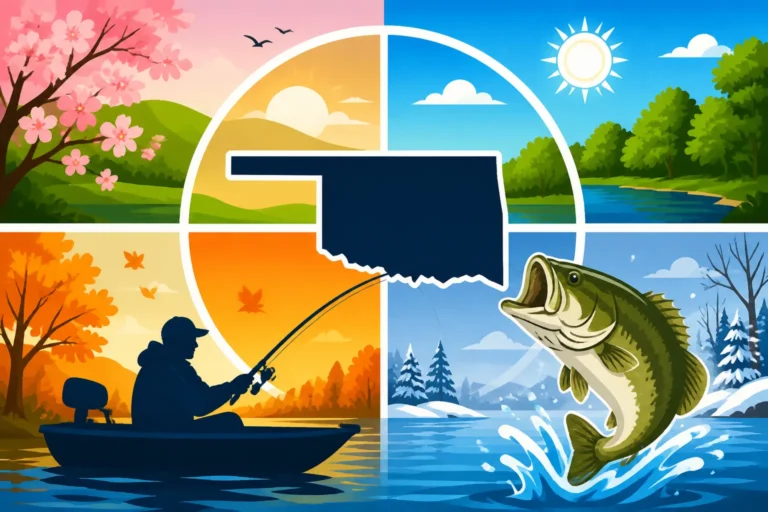
Few things are as exhilarating – or as frustrating – as trying to pinpoint the exact timing of the spring bass spawn in Oklahoma. One week the water feels too cold, the next you hear whispers of fish on beds, and if you blink, you've missed the peak action. This guide is dedicated to demystifying the Oklahoma bass spawn, helping you understand the crucial environmental cues, regional differences, and effective strategies to ensure you're there when the big bass are ready to move shallow and create the next generation.
Understanding the Bass Spawn Cycle in Oklahoma
The bass spawn isn't a single event; it's a dynamic process that unfolds over several weeks, encompassing distinct pre-spawn, spawn, and post-spawn phases. Each phase requires a different approach from anglers, and understanding what the bass are doing at each stage is key to consistent success. It's a bit like a seasonal drama playing out beneath the surface, and knowing the script gives you a huge advantage.
The Pre-Spawn Build-Up: What Happens Before the Beds are Made
Before bass commit to building nests and laying eggs, they go through a crucial pre-spawn period. This is often heralded by water temperatures creeping into the high 40s and low 50s. During this time, bass, especially the larger females, are aggressively feeding to build up energy reserves for the strenuous spawning process ahead. Think of it as their last big feast before a marathon. They'll be moving from deeper wintering holes into shallower staging areas, often along creek channels, points, and humps that offer easy access to future spawning grounds.
These staging areas are typically within a short distance of protected coves and flats. Anglers will often find large schools of bass congregating in these spots, making for some incredibly productive fishing. They're not on beds yet, but they're thinking about it, and they're hungry. Lures that mimic baitfish or crawfish are highly effective, as bass are looking for substantial meals. It's a time of anticipation, both for the bass and for us anglers, as we watch the water temperatures climb, knowing what's coming next. You can learn more about how to tell when bass are spawning in Oklahoma Lakes by observing these early signs.
The Spawning Peak: When the Magic Truly Happens
The actual spawning peak occurs when water temperatures stabilize in the mid-50s to low 60s, typically after a consistent warming trend. This is when the males move into the shallow, protected coves and pockets to fan out nests – or "beds" – usually on hard bottoms like gravel, sand, or even submerged wood. They're looking for areas with good sunlight penetration and protection from wind and strong currents, often near emergent vegetation, old stumps, or dock pilings. Once the beds are ready, the females move in, lay their eggs, and the males fertilize them.
This window, where you see bass actively on beds, is what most anglers refer to as "the spawn." The males guard the eggs fiercely, protecting them from predators like bluegill and crawfish, and will strike at anything that invades their space. While fishing for bedding bass can be incredibly exciting, it requires a careful approach to avoid unduly stressing the fish. Catching a bass off a bed means temporarily leaving its eggs vulnerable, so many anglers advocate for a quick catch and release to allow the male to return and resume guarding. Understanding the nuances of the Oklahoma Statewide Bass Bag Limit Explained is also crucial during this sensitive time.
Post-Spawn Recovery: Where Bass Go After the Deed
Once the spawning is complete, bass transition into the post-spawn phase. This can be one of the more challenging times to catch them, as the fish are often exhausted and stressed from the rigors of spawning. Females, in particular, will drop off the beds and move to slightly deeper water to recover, often suspending over points or returning to the edges of creek channels. They're not actively feeding as much, and their metabolisms are a bit sluggish.
Males, on the other hand, will continue to guard the fry for a period before moving off as well. Eventually, both sexes will begin to recuperate and feed again, though often in more dispersed patterns than during the pre-spawn. They might be found near deep-water access, shaded areas, or around cover where they can ambush prey without expending too much energy. This recovery period is vital for the health of the bass population and for the individual fish to regain strength before the summer heat truly sets in. Fishing during this phase often means slower presentations and targeting ambush points.
Key Environmental Factors Influencing the Spawn
While the calendar gives us a general idea, Mother Nature calls the shots when it comes to the precise timing of the bass spawn. Several environmental factors play a critical role, with water temperature being the most dominant. Understanding these cues helps anglers predict and locate spawning activity more accurately.
Water Temperature is King: The Most Critical Factor
If there's one thing every bass angler obsesses over in the spring, it's water temperature. It is, without a doubt, the single most critical factor that triggers and sustains the bass spawn. Bass are cold-blooded creatures, and their metabolic processes, including reproduction, are directly tied to the temperature of their environment.
The magic numbers that most Oklahoma anglers look for are consistently in the mid-50s to low 60s Fahrenheit.
- 50-55°F: This is often the pre-spawn staging zone. Bass are actively feeding, preparing for the spawn. They might be shallow, but not on beds yet.
- 58-65°F: This is the prime spawning window. Most largemouth bass will be actively building nests and laying eggs.
- 65°F and above: Spawning activity begins to wane, and bass transition into post-spawn patterns, although some late spawners might still be found on beds.
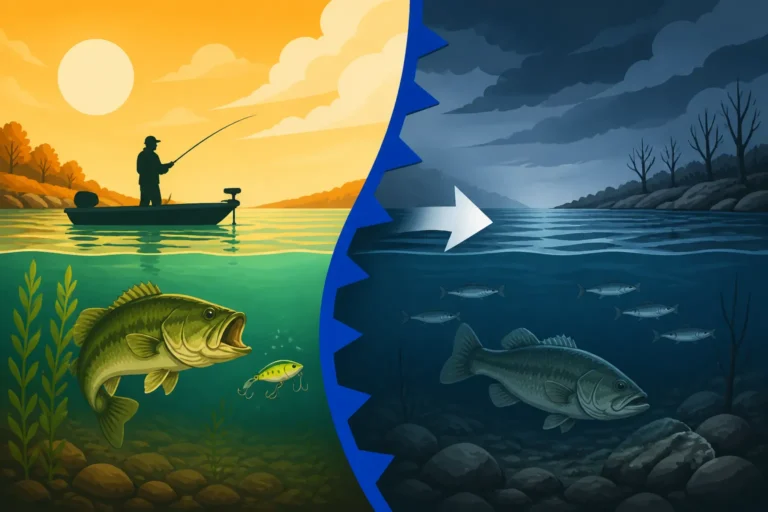
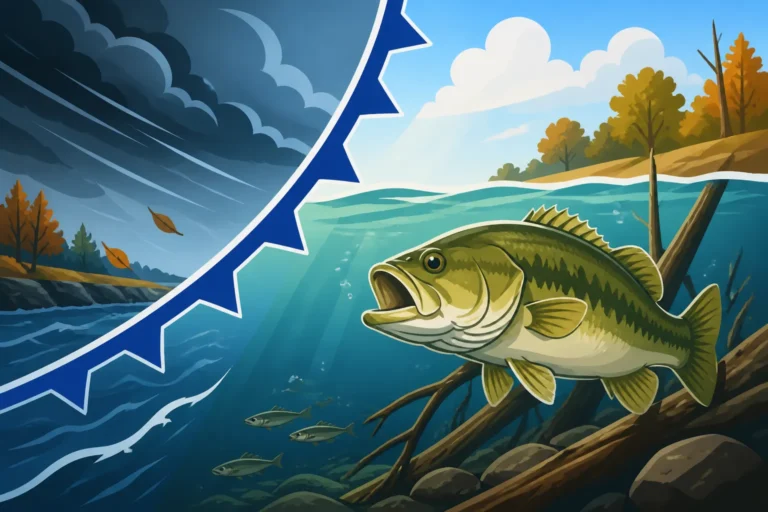
However, it's not just about hitting these numbers; it's about the stability of these temperatures. A sudden cold front that drops the water temperature significantly can halt the spawn in its tracks, pushing bass back to deeper water until conditions stabilize again. This is why a period of sustained warm, sunny weather is so vital. Anglers often look for the warmest parts of a lake – northern coves, shallow flats, and areas protected from wind – as these will warm up first and attract the earliest spawners. Checking the water temperature and Oklahoma Fishing Timing frequently will give you an edge.
Photoperiod and Day Length: Nature's Subtle Cues
While water temperature might be the immediate trigger, the increasing length of daylight hours, known as photoperiod, acts as the overarching biological clock for bass. As the days grow longer after the winter solstice, it signals to the bass's endocrine system that spring is approaching, even if the water is still cold. This gradual increase in daylight hours primes the fish for spawning, initiating hormonal changes that prepare them for reproduction.
Think of photoperiod as the long-term forecast, and water temperature as the daily weather report. The bass know spring is coming because the days are getting longer, and this guides their general timeline. Then, as the water temperature finally reaches the ideal range, it gives them the green light to move into specific spawning behaviors. This means that even if a warm spell hits in February, bass might not fully commit to spawning if the day length isn't quite right. Conversely, even with consistent warm water, bass rarely spawn in, say, December, because the photoperiod isn't signaling spring.
Moon Phases and Weather Systems: Minor but Impactful Influences
Beyond the major players of temperature and photoperiod, more subtle factors like moon phases and incoming weather systems can fine-tune the timing of the bass spawn. Many seasoned anglers swear by the full moon and new moon in spring as peak spawning periods. While the scientific evidence isn't as strong as for water temperature, anecdotal evidence suggests that many fish species, including bass, often have a surge in spawning activity around these lunar phases, particularly if they coincide with stable, warm weather. It's thought that the increased gravitational pull can affect tidal flows or simply that brighter nights encourage nocturnal movement, but whatever the reason, it's a pattern many anglers observe.
Incoming weather systems, particularly cold fronts, can significantly impact spawning behavior. A strong cold front bringing high pressure, clear skies, and dropping temperatures can shut down an active bite and push fish off beds, sometimes for several days. Conversely, stable, overcast conditions with light rain and rising temperatures often coincide with active spawning. Paying attention to the forecast, not just for air temperature but for pressure changes and precipitation, can help you decide if it's a good day to hit the water for spawning bass or if it's better to wait a day or two. Remember, fishing after a cold front can be tough, so adapting your approach is key.
Here's a quick look at how these factors generally align in Oklahoma:
| Factor | Pre-Spawn | Spawning Peak | Post-Spawn |
|---|---|---|---|
| Water Temp | 50-57°F | 58-65°F | 66°F+ (recovery zone) |
| Photoperiod | Increasing rapidly (late Feb – March) | Peak increase (April – May) | Stabilized (late May – June) |
| Moon Phases | Often precedes full/new moon | Often peaks around full/new moon | Less direct influence |
| Weather | Warming trends, some cold fronts | Stable, warm, sometimes overcast | Variable, often hot, occasional storms |
| Bass Behavior | Aggressive feeding, staging, cruising | Nest building, egg laying, guarding beds | Recovering, less aggressive, dispersed |
Regional Variations Across Oklahoma Lakes
Oklahoma is a diverse state, stretching from the temperate southeastern mountains to the arid panhandle. This geographical spread, combined with the varying depths and characteristics of its lakes, means that the bass spawn doesn't happen uniformly across the state. Understanding these regional differences is crucial for timing your fishing trips effectively.
Southern Oklahoma's Earlier Start: Lakes like Texoma and Murray
The lakes in southern Oklahoma generally experience the earliest bass spawn. This region, closer to the Texas border, tends to warm up sooner in the spring due to its more southerly latitude and often shallower lake characteristics. Lakes like Lake Texoma, Lake Murray, and Lake Arbuckle are prime examples where you might see the first signs of spawning activity in late March, with the peak often occurring in April.
Lake Texoma, a massive border lake shared with Texas, has vast shallow flats and protected coves that absorb sunlight quickly, leading to earlier warming. Anglers targeting this area might find bass on beds a week or two earlier than their counterparts further north. Similarly, Lake Murray, with its crystal-clear water and numerous coves, can be an early hotspot. However, even within these lakes, microclimates exist; the shallower, more protected northern coves will typically see spawning activity before the deeper, main-lake points. If you're looking for the earliest action, these southern gems are often your best bet, though you'll also find some of the best fishing for striped bass at Lake Texoma.
Central and Eastern Oklahoma's Main Window: Eufaula, Grand, Broken Bow
The heart of Oklahoma's bass fishing country, encompassing central and eastern regions, typically sees its main spawning window from mid-April through early May. This is where many of the state's largest and most popular reservoirs are located, including Lake Eufaula, Grand Lake O' the Cherokees, Broken Bow Lake, Lake Tenkiller, and Fort Gibson Lake. These lakes are generally larger and often deeper than their southern counterparts, meaning they take a bit longer to warm up consistently.
The spawn in these lakes can be incredibly prolific, with vast numbers of bass moving shallow. Anglers here often experience a "wave" spawn, where fish in the northern, shallower arms of a reservoir might spawn earlier than those in the deeper, main lake areas. For instance, on Lake Eufaula, the expansive flats of the North Canadian River arm might see spawning bass before the deeper main lake coves near the dam. Broken Bow Lake, known for its clear, deep waters, might have a slightly later or more drawn-out spawn compared to a shallower, stained-water lake like Fort Gibson. This main window is often considered the prime time for "Best Bass Lakes in Oklahoma During the Spring Spawn" for many anglers.
Western and Panhandle Lakes: Later and More Unpredictable
Moving west and into the Panhandle region, the bass spawn tends to occur later and can be more variable. Lakes in these areas, such as Canton Lake or Lake Overholser (near Oklahoma City), often experience cooler spring temperatures and more dramatic weather swings, which can delay or disrupt spawning patterns. The peak spawn here might not occur until late April or even into May, and it can be less predictable due to fluctuating conditions.
These lakes often have less extensive shallow cover compared to the eastern reservoirs, and the water can be more turbid, making sight fishing for beds more challenging. Anglers in western Oklahoma need to be even more diligent about monitoring water temperatures and watching for stable weather patterns. The spawn might be shorter and more intense once it begins, as bass try to complete their reproductive cycle within a narrower ideal temperature window. While not typically known for their trophy bass like the eastern giants, these lakes can still offer excellent opportunities for those willing to adapt to the later timing.
How to Locate Spawning Bass and Their Beds
Finding spawning bass is a mix of knowing what conditions they prefer and actively searching for visual cues or using technology. It's not always easy, as bass can be masters of camouflage, but with a keen eye and the right tools, you can pinpoint their secret nesting sites.
Visual Identification of Bass Beds: What to Look For
Once water temperatures are in that sweet spot (high 50s to low 60s), the most direct way to locate spawning bass is by looking for their beds. Bass beds are circular depressions on the lake bottom, typically fanned out by the male bass to clear away debris and expose a firm, clean surface for egg deposition. They range in size from about 1 to 3 feet in diameter, depending on the size of the fish.
When looking for beds, focus on shallow, protected areas of the lake. Think northern coves, shallow pockets, backs of creeks, and areas shielded from prevailing winds. Look for hard bottom composition – gravel, sand, small rocks, or even firm clay. Bass rarely bed in soft, mucky bottoms. From a boat, you'll need polarized sunglasses to cut through the glare and get a clear view into the water. Idle slowly through these shallow areas, keeping an eye out for lighter-colored circles on the bottom. Often, you'll see a male bass, or sometimes a pair, hovering protectively over the bed. Be patient, move slowly, and let your eyes adjust. You might spot many small beds from bluegill or other sunfish before you identify a true bass bed.
Using Electronics to Pinpoint Spawning Areas: Sonar Strategies
Even if you can't see the beds with your naked eye, modern marine electronics can be incredibly helpful in identifying potential spawning areas and even seeing bass on beds. Side imaging and down imaging sonar units, especially from brands like Humminbird or Lowrance, are invaluable tools for this.
When idling through a shallow cove, set your side imaging range to about 50-70 feet on either side. Look for those distinct circular depressions on the bottom, which will show up as lighter-colored circles on your screen. You might even be able to spot the darker 'shadow' of a bass sitting on the bed. Down imaging can provide a more detailed, photographic-like view directly beneath your boat, helping to confirm what you see on side imaging. Traditional 2D sonar can also show you subtle changes in bottom hardness, indicating areas bass prefer for bedding, or even the faint returns of bass hovering close to the bottom in shallow water. For more advanced techniques, consider learning about Fish Finder Features That Matter Most on Oklahoma Reservoirs. Remember, using your electronics efficiently allows you to cover much more water than just relying on visual searching alone, especially if the water isn't perfectly clear.
Finding the Right Habitat: Shallow Coves and Protected Areas
Bass don't just spawn anywhere; they are highly selective about their nesting sites. Their ideal spawning habitat combines several critical elements: shallow water, protection, and a suitable bottom. Typically, they prefer water depths ranging from 1 to 5 feet, though they can sometimes be found deeper in exceptionally clear lakes.
Key habitat features to look for:
- Protected Coves and Pockets: These areas offer shelter from wind, waves, and strong currents, creating stable conditions for eggs and fry.
- Northern Banks/Shallows: These areas receive the most direct sunlight, warming the water fastest in spring.
- Hard Bottoms: Gravel, sand, small rocks, or even firm clay are preferred over soft mud, which can smother eggs.
- Submerged Cover: Laydowns, stumps, brush piles, dock pilings, and emergent vegetation (like lily pads or cattails) provide security and ambush points for the bedding bass.
- Proximity to Deeper Water: While bedding shallow, bass appreciate having quick access to deeper water for escape or recovery during cold fronts. Creek channel edges or points leading into a cove can be excellent staging areas that indicate nearby spawning grounds.
By focusing your search on these types of areas, you drastically increase your chances of finding active spawning beds.
Effective Techniques for Spawning Bass
Once you've located bass that are either actively on beds or staging nearby, it's time to adjust your fishing techniques. Spring bass can be incredibly aggressive, but they can also be finicky, especially when guarding their eggs. Matching your approach to their current behavior is crucial for success.
Sight Fishing for Bedding Bass: Precision and Patience
Sight fishing for bedding bass is arguably one of the most exciting and challenging ways to catch them. The thrill of seeing a big female on a bed and then coaxing her into biting is unmatched. However, it requires significant patience, stealth, and precise lure presentation.
Here's how to approach it:
- Stealth is Paramount: Approach beds slowly and quietly. Use a trolling motor at its lowest setting or pole your boat. Avoid casting a shadow over the bed if possible, as this can spook the fish.
- Polarized Sunglasses: These are absolutely essential for spotting beds and observing the bass's reactions to your lure.
- Lure Choice: Small, non-intrusive lures are often best. A weightless soft plastic lizard, a finesse jig, a creature bait, or a Texas-rigged Senko are all excellent choices. The goal is often to irritate the bass into striking, rather than triggering a feeding response. Many of these can be easily found on Amazon.
- Presentation: Cast your lure a few feet past the bed, then slowly drag or twitch it into the bed. Let it sit there. Watch the bass's reaction. If it flares its gills, nudges the bait, or moves to pick it up, set the hook! The strike might be subtle, just a slight pull or a feeling of "mush." Repeated casts to the same bed might be necessary.
- Mark Your Spot: If you find multiple beds, use your waypoint feature on your depth finder to mark them.
- Quick Release: When you catch a bedding bass, especially a male, try to release it quickly so it can return to guard its eggs. This helps ensure the successful hatch of the next generation. For more detailed instructions, check out Pre-Spawn Bass Fishing Techniques Explained and Post-Spawn Bass Fishing Techniques Explained for specific lure and retrieve advice.
Targeting Cruising Pre-Spawn Bass: Aggressive Bites
The pre-spawn phase offers some of the most aggressive and exciting bass fishing of the year. These bass, often large females, are gorging themselves, building up the energy reserves needed for the spawn. They're typically cruising the edges of creek channels, points, and humps leading into spawning coves. They aren't locked onto beds yet, but they're actively hunting.
Effective techniques for pre-spawn bass:
- Reaction Baits: Since bass are actively feeding, reaction baits can trigger violent strikes. Lipless crankbaits (like a Rat-L-Trap or a Bill Lewis Outdoors Rat-L-Trap, widely available on Amazon), jerkbaits, bladed jigs (ChatterBaits), and spinnerbaits are fantastic choices. Vary your retrieve speeds to find what they prefer.
- Jigs and Craws: Bass also love a good jig-and-trailer combo, especially when mimicking crawfish, which are a primary food source in spring. Target transition areas where rock meets mud or where cover is present.
- Slow Rolling Swimbaits: Larger soft swimbaits, slowly retrieved near the bottom or through cover, can entice big females looking for a substantial meal.
- Focus on Staging Areas: These are the key zones. Look for channels, secondary points, and even shallow humps just outside the eventual spawning pockets. These fish are typically grouped up, so if you catch one, there are often more nearby. The Best Bass Lures for Spring Fishing will heavily feature these types of baits.
Post-Spawn Tactics: Dealing with Tired Fish
The post-spawn period can be a bit tougher, as bass are recuperating. They're often lethargic and less inclined to chase a fast-moving bait. However, they still need to eat, just in a more conservative manner. This is when finesse tactics often shine, and targeting specific types of cover becomes even more critical.
Strategies for post-spawn bass:
- Finesse Presentations: Drop shots, shaky heads, Ned rigs, and weightless wacky-rigged worms are excellent choices. These offer a subtle, easy meal that a tired bass is less likely to refuse.
- Soft Plastics: Small creature baits, plastic worms, and stick baits are highly effective. Cast them to cover, let them sink slowly, and work them with minimal movement.
- Topwater (Later Post-Spawn): As water temperatures continue to climb into the late post-spawn and early summer, topwater baits (poppers, walking baits) can become deadly, especially during low-light conditions when bass are more willing to chase.
- Target Shade and Deeper Cover: Post-spawn bass will often move to areas with deeper water access and shade, such as main lake points, bluff ends, submerged brush piles, or beneath docks. They're looking for comfort and easy ambush opportunities.
- Patience is Key: Don't expect aggressive bites. Often, a post-spawn bite will feel like a slight "thump" or just added weight on your line. You'll also want to know the Best Rod for Largemouth Bass Fishing for these situations, as sensitivity is key.
Gear and Lures for Spring Bass Fishing
Having the right tools for the job can make all the difference, especially during the dynamic spring months. From the rods and reels to the specific lures and terminal tackle, being prepared for each phase of the spawn will significantly boost your success.
Rod and Reel Setups: Power and Sensitivity
For spring bass fishing in Oklahoma, you'll want a versatile arsenal of rods and reels to cover various techniques. Generally, a good balance of power for heavy cover and sensitivity for subtle bites is ideal.
- Medium-Heavy Casting Rod (6'10" – 7'4"): This is your workhorse for most reaction baits like spinnerbaits, bladed jigs, lipless cranks, and even Texas rigs. Pair it with a baitcasting reel with a gear ratio in the 6.1:1 to 7.1:1 range. This provides enough power to get a good hookset and control fish in cover. Look for good quality rods with sensitive tips but strong backbones, which you can find from brands like Ugly Stik or St. Croix, with many models available on Amazon.
- Medium-Light to Medium Spinning Rod (6'6" – 7'0"): Essential for finesse techniques, especially during the post-spawn or for finicky bedding bass. A fast action tip on this rod will give you the sensitivity to detect light bites and the power to drive small hooks. Pair it with a 2000 or 2500 series spinning reel spooled with 8-10 lb fluorocarbon or braided line with a fluorocarbon leader. This setup is perfect for shaky heads, drop shots, and wacky rigs.
- Heavy Casting Rod (7'3" – 7'10"): For punching mats, throwing larger swimbaits, or flipping heavy jigs into thick cover, a heavy-action rod provides the necessary backbone. Combine this with a powerful baitcasting reel (7.1:1 or faster) and heavy braided line (50-65 lb). This setup is less about sensitivity and more about sheer power to extract big fish from dense vegetation.
Your choices will depend on the specific lakes you're fishing and the density of cover you expect, but having a couple of these setups ready will keep you prepared.
Essential Lures and Baits: Matching the Hatch and Triggering Strikes
The spring bass bite is incredibly diverse, demanding a wide array of lures. Here are some essentials every Oklahoma angler should have in their tackle box:
- Soft Plastic Lizards/Creature Baits: Absolutely crucial for sight fishing bedding bass. Lizards, in particular, are often seen as egg-eaters by bass, triggering a defensive strike. Colors like green pumpkin, watermelon red, or black and blue are staples.
- Jigs: Flipping jigs (black/blue, green pumpkin) with craw trailers are fantastic for pre-spawn bass around cover and also for coaxing bedding bass. Finesse jigs are great for post-spawn.
- Lipless Crankbaits: For pre-spawn, these are deadly. Chrome with blue back, shad patterns, and crawfish patterns are top producers. Vary your retrieve, ripping them through grass or bouncing them off the bottom.
- Spinnerbaits/Bladed Jigs: Excellent search baits for pre-spawn and early post-spawn. Chartreuse and white, or shad patterns are versatile choices. Use a steady retrieve or let them helicopter down near cover.
- Wacky-Rigged Senkos/Stick Baits: A weightless, slow-falling stick bait is a killer for both bedding bass and sluggish post-spawn fish. The subtle shimmy on the fall is often irresistible. Green pumpkin or natural shad colors are always good.
- Jerkbaits: For colder pre-spawn water, suspending jerkbaits can be highly effective. A twitch-pause retrieve often triggers strikes from lethargic but hungry bass. The Best Bass Lures for Spring Fishing guide will offer even more specific recommendations.
Having a good selection of these will allow you to adapt to whatever mood the bass are in during the spring.
Terminal Tackle and Line Choices: The Small Details That Matter
Often overlooked, the small details of terminal tackle and line choice can make or break your day on the water.
- Hooks: For soft plastics, invest in quality Extra Wide Gap (EWG) hooks for Texas rigging (3/0 to 5/0 depending on bait size) and straight shank worm hooks for flipping. Don't forget wacky rig hooks with weed guards for Senkos. Sharp hooks are paramount, especially for subtle bites.
- Weights: Bullet weights (1/8 oz to 1 oz) for Texas rigs, tungsten weights are preferred for their sensitivity and smaller profile. Shaky head jigs (1/8 oz to 1/4 oz) and Ned rig heads are also crucial.
- Line:
- Fluorocarbon: The preferred choice for many techniques due to its low visibility, excellent sensitivity, and abrasion resistance. Use 12-20 lb for casting reels and 8-12 lb for spinning reels.
- Braided Line: Ideal for fishing heavy cover, punching, or flipping due to its extreme strength, no stretch, and abrasion resistance. Use 30-65 lb test. Often used with a fluorocarbon leader when fishing clearer water.
- Monofilament: While less common for primary bass lines now, it can still be good for topwater baits due to its buoyancy.
Always carry a good selection of swivels, snap swivels, and spare leader material. Your choice of line should be determined by the technique, cover density, and water clarity. Many essential terminal tackle items, including a variety of hooks, weights, and lines, can be conveniently purchased through Amazon.
Disclaimer
Fishing regulations, license requirements, and local conditions can change. Always consult the latest Oklahoma Department of Wildlife Conservation (ODWC) regulations before heading out on the water. This guide is for informational purposes only and should not replace official sources.