Best Bass Spots on Hudson Lake
It can be incredibly frustrating to hit a new lake, or even a familiar one, only to find yourself casting into seemingly empty water, wondering where all the bass have gone. You’ve heard the tales of big largemouth and feisty spotted bass in Hudson Lake, but translating those stories into actual fish on your line is a whole different ballgame. This guide is here to cut through the guesswork, helping you pinpoint the best bass spots on Hudson Lake and arm you with the strategies you need for a successful trip, no matter the season.
Understanding Hudson Lake's Unique Bass Fishery
Hudson Lake, nestled in the scenic hills of Northeast Oklahoma, offers a fantastic bass fishing experience, but it’s a lake with its own personality. Unlike some of the flatter, shallower impoundments, Hudson has a good mix of deep channels, rocky points, and significant timber, all remnants of its former life as a river valley. Understanding these underlying features is key to unlocking its bass potential.
The Lay of the Land: Habitat and Structure
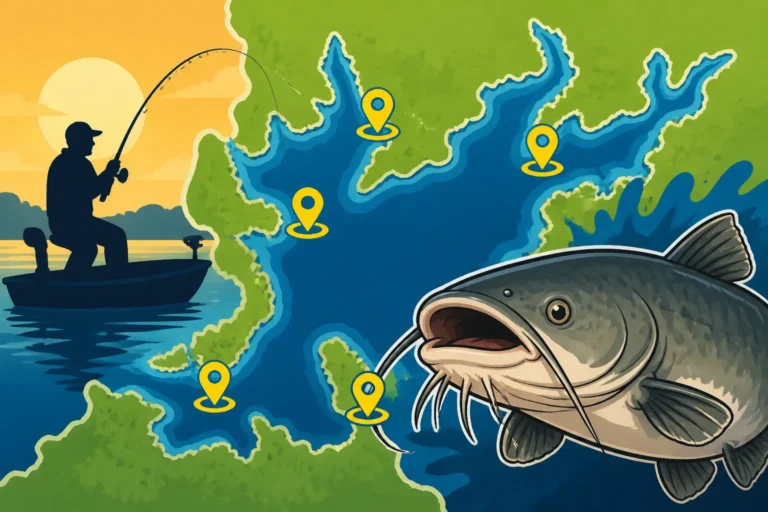
Hudson Lake, a sprawling reservoir on the Neosho River, is a treasure trove of structure that bass absolutely love. If you look at a contour map, you’ll immediately notice the prominent old river channel snaking its way through the lake. This channel, with its varying depths and sharp bends, acts like a bass highway, especially during seasonal migrations. Largemouth and spotted bass often relate to the channel ledges, using them as ambush points or as a comfortable temperature and oxygen zone during different times of the year.
Beyond the channel, Hudson is famously rich in standing timber. While some of these areas have been cleared over the years, significant stands of drowned trees, particularly in the upper reaches and larger coves, remain. This timber provides incredible cover and shade, crucial for bass that want to hide from predators or intense sunlight. Think of these timber fields as underwater cities for baitfish, and where the baitfish are, the bass won't be far behind. Rock formations, ranging from scattered rip-rap along causeways to massive rocky points, also dot the landscape. These rocky areas absorb and radiate heat, attracting bait and bass, especially in cooler months. Don't overlook the myriad boat docks and marinas, either. These man-made structures provide overhead cover and often have brush piles sunk nearby by local anglers, creating irresistible homes for bass.
Seasonal Bass Behavior on Hudson Lake
Just like us, bass change their habits with the seasons, and knowing what they’re up to throughout the year on Hudson Lake is half the battle.
During spring, after the cold grip of winter starts to loosen, bass begin to move shallow. This is the pre-spawn phase, where they're fattening up for the upcoming spawn. You'll find them cruising transition areas, moving from deeper water into coves, looking for warmer water and food. As the water temperature climbs into the 60s, the spawn kicks off, usually around April to May. Bass will be locked onto beds in shallow, protected coves, often around submerged timber or rocky banks. After the spawn, the post-spawn funk sets in, and bass can be a bit lethargic. They’ll often suspend around deeper cover just outside spawning areas, recovering their energy.
Summer brings consistent warm temperatures, pushing bass deeper during the day, especially in the main lake. They'll often seek out the thermocline – that layer of water where the temperature changes rapidly – or hold tight to deep structure like main lake points, humps, and the river channel ledges. Early mornings, late evenings, and especially night fishing can be incredibly productive as bass move shallower to feed under the cover of darkness. The intense summer sun can make daytime fishing tough, so targeting shade or hitting the water before sunrise is often your best bet.
As fall arrives and the water starts to cool, Hudson Lake’s bass go on a feeding frenzy, bulking up for winter. This is a fantastic time for schooling fish, particularly white bass and sometimes largemouth, chasing shad in the open water or pushing them into coves. Bass will be more active and can be found across a wider range of depths, from shallow flats to rocky points. They're often aggressive and willing to chase down a fast-moving bait.
Winter slows everything down. Bass become lethargic and seek out deep, stable water. You’ll find them congregated on main lake points, creek channel bends, and deep timber, often in schools. Slow, subtle presentations are key here, as bass aren't going to expend much energy chasing a fast meal. The fishing can be tough, but when you find them, you can often catch several from the same spot.
Top Bass Fishing Hotspots on Hudson Lake
Hudson Lake's diverse topography means there are fantastic bass spots scattered from its northern riverine arms all the way down to the dam. Knowing which areas to focus on will significantly increase your chances of success.
North End: River Channel and Flats
The northern reaches of Hudson Lake, where the Neosho River feeds in, have a distinctly different character from the main lake. This area is shallower, often more stained, and heavily populated with standing timber and submerged brush. The river channel here is particularly pronounced, offering fantastic current breaks and depth changes that bass love. During the spring and fall, when water levels are stable, bass will stage along the channel bends and move onto the adjacent flooded flats to feed. The vast fields of standing timber in this region are absolute magnets for largemouth bass, providing countless ambush points.
Focus on the inside and outside bends of the old river channel. Bass will often position themselves on the deeper side of a bend, waiting for baitfish to be swept by. The edges of the timber lines, where timber meets open water or a slight depth change, are also prime targets. After heavy rains, this area can get quite muddy, which might push bass deeper or further south, but during stable periods, it’s a goldmine. Local anglers often explore these timber-rich zones with electric trolling motors, pitching jigs or Texas-rigged plastics into every nook and cranny.
Central Lake: Main Lake Points and Deep Water
As you move towards the central portion of Hudson Lake, the lake widens and deepens, offering a different kind of bass habitat. Here, main lake points and humps become critical. These underwater topographical features act as highways for bass, especially during the summer and winter months when fish prefer deeper, more stable water. Points that extend far out into the main lake, or those with a sharp drop-off on one side, are particularly productive. Look for secondary points within larger coves as well; these can hold schooling bass that are moving in and out of the shallower waters.
Electronic fish finders become indispensable here. You’ll be looking for baitfish schools, changes in depth, and any irregular features like isolated brush piles or rock formations on these points and humps. Deep-diving crankbaits, spoons, or vertically jigged plastics can be incredibly effective when bass are schooled up on these offshore structures. The presence of shad is a huge indicator – if you see large schools of baitfish suspended over a point, there’s a very good chance that predatory bass are lurking below or nearby.
South End: Coves, Docks, and Submerged Timber
The southern end of Hudson Lake, closer to the dam, generally features clearer water and more rocky shoreline, but it’s also home to numerous coves and a good deal of boat docks. These coves offer protected, calmer water, making them ideal for bass, especially during spawning season or when strong winds whip up the main lake. Many of these coves also contain standing timber or submerged brush piles, whether naturally occurring or placed by anglers.
Focus on the mouths of these coves, particularly any points or rock transitions, as bass will often stage there before moving further in. Once inside, thoroughly fish the boat docks – every single one. Bass love the shade and cover they provide. Flipping jigs, Texas-rigged plastics, or skipping wacky worms under these docks can be deadly. In the deeper coves, look for submerged timber or brush piles using your electronics. These hidden sanctuaries can hold significant numbers of bass, especially in the heat of summer or cold of winter. Remember that areas around Salina State Park and Snowdale State Park often have good dock fishing opportunities.
Targeting Specific Forage Areas
Understanding where bass forage and what they eat on Hudson Lake is a game-changer. Bass are opportunistic predators, and their location is almost always dictated by the presence of their food source. The primary forage for bass in Hudson Lake includes threadfin and gizzard shad, various sunfish species (like bluegill and green sunfish), and even smaller crappie.
- Shad Concentrations: Shad are pelagic, meaning they often suspend in open water or cruise along main lake points and channel ledges. When you mark large schools of baitfish on your sonar, you’re in a prime area for bass. Look for bass to be holding just below or to the sides of these schools, waiting to ambush. Topwater lures, lipless crankbaits, and swimbaits are excellent for imitating schooling shad.
- Sunfish in Cover: Sunfish, particularly bluegill, often inhabit shallow, brushy, or rocky areas. Bass will often move into these shallower zones to feast on sunfish. When targeting areas with bluegill, consider using jigs, small crankbaits that mimic sunfish, or even chatterbaits.
- Crappie Near Structure: While crappie are predators themselves, smaller crappie can become a meal for a hungry largemouth. Crappie often relate tightly to timber and brush piles. If you're fishing a submerged brush pile for crappie, don't be surprised to hook into a chunky bass.
By observing baitfish activity – whether it's shad flickering on the surface at dawn or bluegill darting around docks – you can often predict where the bass will be. It's about connecting the dots of the food chain.
Essential Techniques and Lures for Hudson Lake Bass
Having the right bait and technique can make all the difference between a frustrating day and a memorable one on Hudson Lake. There's no single magic bullet, but rather a versatile approach based on conditions and seasonal patterns.
Go-To Baits for Different Conditions
Matching your lure selection to the conditions and the season is paramount for bass fishing success on Hudson Lake.
- Spring: During the pre-spawn, aggressive bass respond well to lipless crankbaits like a Bill Lewis Rat-L-Trap or a lipped crankbait that deflects off timber. Spinnerbaits are also excellent for covering water and triggering reaction strikes around shallow cover. As the spawn approaches, jigs (especially a ½ ounce jig in black/blue or green pumpkin) and Texas-rigged plastics (creature baits, worms) become highly effective for pitching into spawning flats and timber. For post-spawn, a jerkbait can be deadly for suspended bass around deeper cover just outside the coves.
- Summer: When the sun is high and bass are deep, consider large deep-diving crankbaits that can reach depths of 15-25 feet, targeting main lake points and channel ledges. Texas-rigged worms (like a Zoom Ol' Monster) or Carolina-rigged lizards are fantastic for dragging along the bottom on offshore structure. Early morning, late evening, and night fishing often calls for topwater baits like a Zara Spook or a buzzbait over submerged vegetation or around docks. Don't forget shaky heads or drop shots for finicky deep bass.
- Fall: As bass aggressively feed, reaction baits shine. Spinnerbaits, lipless crankbaits, and swimbaits are great for covering water and imitating schooling shad. Jigs and creature baits remain effective for pitching into timber and brush piles, especially as bass begin to relate to cover more tightly as the water cools. Topwater can still be productive on calm mornings.
- Winter: This is a slow game. Jigs, especially a football head jig, fished excruciatingly slowly along deep rocky points and channel ledges, can entice strikes. Suspending jerkbaits, paused for extended periods, are also highly effective for lethargic bass. Small, slow-moving soft plastics on a shaky head or a subtle drop shot presentation can also tempt strikes from deep-holding fish.
Advanced Strategies for Tricky Bass
Sometimes, the bass on Hudson Lake can be incredibly stubborn. This is where leaning into more advanced strategies and understanding the nuances of the lake can pay off. First and foremost, really learn to read your electronics. Don't just look for fish; look for bait, look for changes in bottom composition, and look for subtle contours. A good side imaging unit can reveal brush piles, old foundations, or subtle humps that you'd never see with traditional sonar. Understanding how Water Temperature and Oklahoma Fishing Timing affects bass location and activity is also crucial. When the water cools significantly after a front, bass might suspend or move to the warmest available water. Conversely, a warming trend can activate them.
Another key is adjusting to fishing pressure. Hudson Lake can get busy, especially on weekends. Highly pressured fish will often shy away from popular spots or conventional presentations. This might mean fishing smaller, more subtle baits, downsizing your line, or targeting less obvious cover. It could also mean switching to a night fishing pattern during the summer to avoid boat traffic and target active bass.
If you're still struggling or want to truly unlock the lake's secrets, consider booking a trip with a local guide. Services like FishingBooker can connect you with experienced Hudson Lake guides who spend countless hours on the water. They know the current patterns, the subtle nuances of the lake, and where the bass are biting right now. A day with a good guide can dramatically shorten your learning curve and introduce you to techniques and spots you might never find on your own. Many guides specialize in specific species, so you could even find one focused on largemouth bass or perhaps even Striped Bass Fishing Techniques for Oklahoma's Lake Texoma if you plan to visit a different lake later.
Planning Your Hudson Lake Bass Fishing Trip
A well-planned trip to Hudson Lake can significantly boost your enjoyment and success. Knowing the best times to go and understanding the local amenities are vital.
Best Times to Visit and What to Expect
Hudson Lake offers year-round bass fishing opportunities, but certain seasons undoubtedly stand out as prime times. Spring (April-May) is arguably the most popular, as bass are shallow, aggressive, and often focused on spawning. This is when many anglers target trophy largemouth. You can expect higher boat traffic during this period, especially on weekends and during local tournaments.
Fall (September-October) is another fantastic window. The cooling water reinvigorates the bass, and they'll feed heavily. This is often an excellent time for quantity, with schooling bass providing fast action. Summer (June-August) can be challenging due to heat and recreational boat traffic, but it offers exceptional early morning, late evening, and night fishing. Winter (December-February) is the toughest, requiring patience and slow presentations, but can yield big, heavy bass if you find them grouped up.
When visiting, be prepared for typical Oklahoma weather swings. Spring can bring thunderstorms, and summer can be scorching hot. Always check the forecast and dress in layers. Also, remember that Fishing License Requirements in Oklahoma are strictly enforced, so make sure your license is current before you cast a line.
Local Resources and Boat Access
Hudson Lake has several convenient public access points and marinas that cater to anglers.
- Whitaker Point: This is a popular spot with good boat ramps and access to the upper, timber-filled northern sections of the lake.
- Salina State Park: Located on the western shore, Salina State Park offers multiple boat ramps, camping, and cabin facilities, providing easy access to central and northern lake areas.
- Snowdale State Park: Situated on the eastern side, Snowdale State Park also provides boat ramps and camping options, giving you good access to the mid-lake and southern portions.
- Sequoyah State Park: While not directly on Hudson, it's a major hub nearby with extensive facilities that might serve as a base for exploring the region.
You'll find local bait and tackle shops in nearby towns like Salina and Locust Grove. These shops are invaluable resources for up-to-date information on what baits are working, current water conditions, and local tips. Don't hesitate to ask the folks behind the counter – they're often the best source of real-time intel. If you're looking for an organized trip or simply need to rent a boat, you can often find options through online platforms. Again, FishingBooker can be a great tool for discovering local boat rentals or even charter services that operate on Hudson Lake, ensuring you have the right vessel for your bass hunt.
Important Regulations and Tips for Success
Before you head out, make sure you're familiar with Oklahoma's fishing regulations. While this guide focuses on finding bass, it's crucial to know Oklahoma's Bass Fishing Rules and Limits which govern legal size and creel limits. These can sometimes vary between lakes, so always double-check the latest regulations from the Oklahoma Department of Wildlife Conservation (ODWC).
Here's a quick table summarizing key bass regulations, but remember to verify the latest rules:
| Bass Species | Statewide Daily Limit | Statewide Size Limit | Notable Exceptions (Always Check Current ODWC Regs) |
|---|---|---|---|
| Largemouth Bass | 6 (combined) | No minimum length; only one bass over 16 inches allowed | Some lakes may have specific slot limits or minimums. |
| Smallmouth Bass | 6 (combined) | No minimum length; only one bass over 16 inches allowed | Rivers/streams often have a 14-inch minimum. |
| Spotted Bass | 6 (combined) | No minimum length; only one bass over 16 inches allowed | Usually follows largemouth/smallmouth rules. |
Catch and release is highly encouraged, especially for larger, older bass. These fish are vital for maintaining a healthy fishery. Consider using single, barbless hooks for easier release, and always handle fish gently, minimizing their time out of the water. Taking a quick photo is fine, but get them back in the lake quickly to ensure their survival. Being a responsible angler not only helps the fish but preserves the fantastic fishing opportunities for everyone on Hudson Lake. Don't forget that Penalties for Fishing Without a License in Oklahoma can be steep, so ensure your license is always on you.
Disclaimer
Please note that fishing conditions and regulations can change rapidly. Always consult the latest official Oklahoma Department of Wildlife Conservation (ODWC) regulations before heading out. This guide is for informational purposes only and does not constitute legal advice.