What a First-Time Oklahoma Angler Needs Before Casting a Line
So, you're ready to dip your toes (or your line!) into the wonderful world of Oklahoma fishing, huh? It's a fantastic journey, but let's be honest, standing there, staring at a wall of fishing tackle or trying to decipher state regulations can feel a bit overwhelming, like trying to learn a new language overnight. You might be wondering, "What do I really need to get started without breaking the bank or accidentally breaking a law?" Well, you're in the right place! This guide is designed specifically for you, the first-time Oklahoma angler, to cut through the confusion and get you confidently casting a line.
The Non-Negotiables: Licenses and Regulations
Before you even think about baiting a hook, there are a couple of absolute must-haves that every single angler in Oklahoma needs to sort out. These aren't just suggestions; they're the bedrock of legal and responsible fishing in our beautiful state.
Securing Your Fishing License
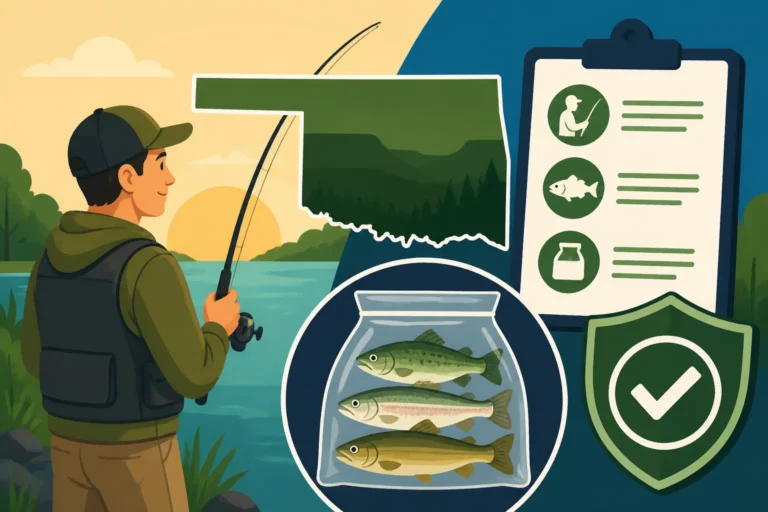
The very first thing on your checklist, before you buy a single lure or even touch a fishing rod, is to obtain your Oklahoma fishing license. It's truly non-negotiable for most people over a certain age, and it’s what grants you the legal right to participate in the sport. Imagine spending a glorious afternoon on the water, only to have a friendly (but firm) game warden remind you that you're missing this crucial piece of paper. It happens, and it's a bummer, often leading to fines that are way more expensive than the license itself.
Oklahoma offers a variety of licenses to fit different situations. For most residents, an annual fishing license is the most common choice, offering a full year of fishing opportunities. If you're just trying it out for a day or two, there are also short-term options. Non-residents, on the other hand, will find different pricing structures, but the need for a license remains. You can typically purchase these licenses online through the Oklahoma Department of Wildlife Conservation (ODWC) website, making it incredibly convenient to get it sorted from your couch. Alternatively, many sporting goods stores, bait shops, and even some convenience stores across the state are authorized vendors. It's always a good idea to check out the specifics in our detailed guide on Fishing License Requirements in Oklahoma and also to understand the current Oklahoma Fishing License Costs and Types so you can pick the option that best suits your plans. For example, a resident might look into the specific cost of an Oklahoma Resident Annual Fishing License Cost, while visitors would want to investigate the Nonresident Annual Fishing License Cost in Oklahoma. Having your license in hand, whether printed or on your phone, is your golden ticket to the water.
Understanding Basic Bag and Size Limits
Once your license is squared away, your next homework assignment is to get familiar with the basic fishing regulations concerning bag and size limits. These rules aren't just there to make your life difficult; they're vital for conservation, ensuring that our fish populations remain healthy and abundant for generations to come. It would be incredibly frustrating to catch what you think is a trophy fish, only to realize later that it was either too small or too big to legally keep, or that you've exceeded the daily limit.
Each species, and sometimes even specific bodies of water, will have different rules. For instance, common game fish like bass, crappie, and catfish all have distinct regulations. For bass anglers, knowing Oklahoma's Bass Fishing Rules and Limits is crucial, especially regarding the statewide six-fish limit for largemouth and smallmouth bass, and often a size restriction on how many larger fish you can keep. Crappie enthusiasts need to be aware of the Crappie Fishing Rules and Limits in Oklahoma, which can include a statewide limit but also stricter rules on certain lakes. And if you're chasing whiskered giants, understanding Oklahoma's Catfish Fishing Rules and Limits, particularly the difference between blue, channel, and flathead catfish, is paramount. Always check the current ODWC fishing regulations booklet or website for the specific lake or river you plan to fish. A quick glance at Oklahoma's Bag Limit Rules by Species before you head out can save you a lot of headache and potential fines.
Essential Gear for Your First Outing
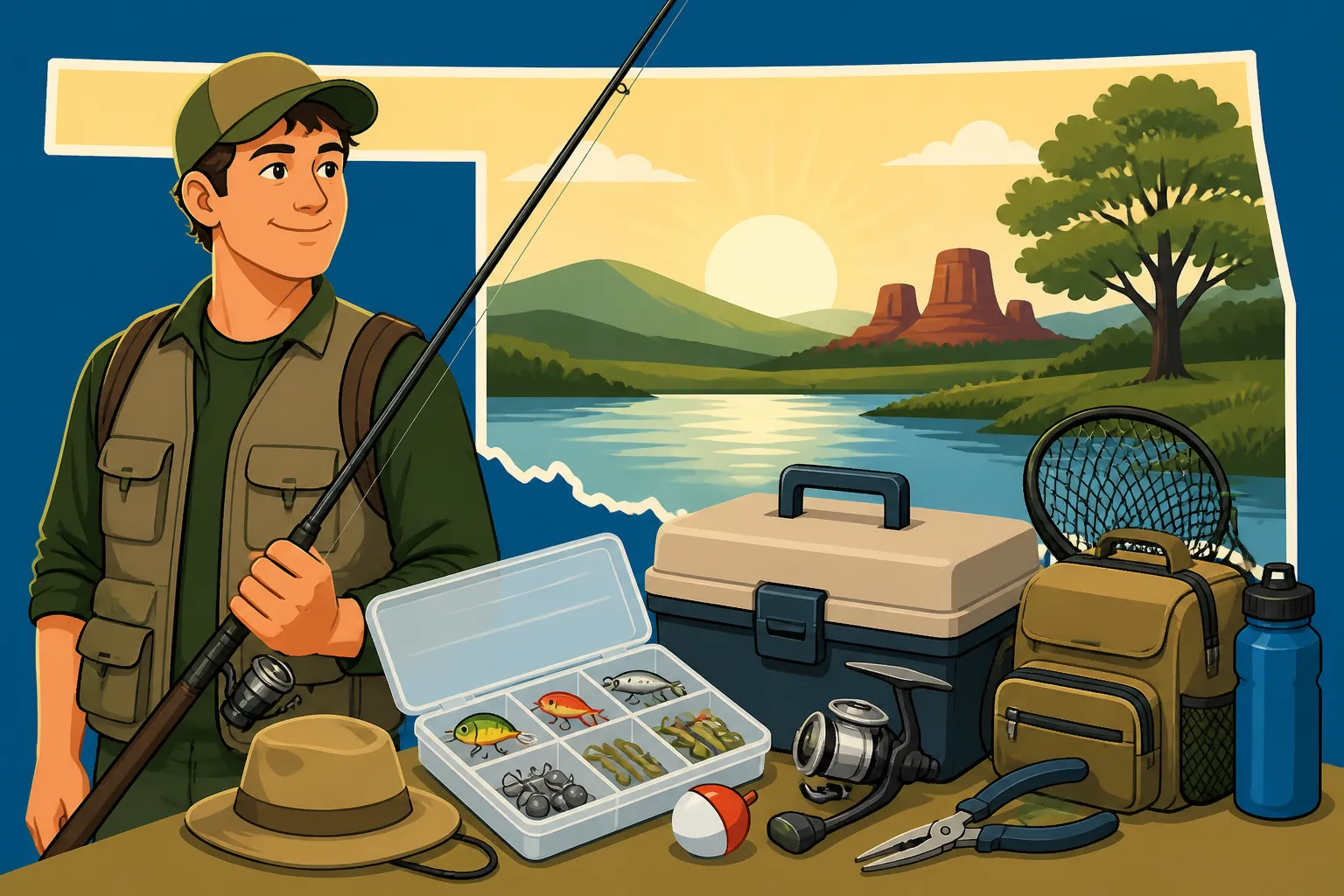
With your legal bases covered, now comes the fun part: thinking about what gear you'll need. Don't worry, you don't need to empty your wallet or buy every gadget on the market. For a first-timer, simplicity and versatility are your best friends.
Rod, Reel, and Line Basics
For your very first fishing adventures, you want a setup that's forgiving, easy to use, and versatile enough to catch a variety of common Oklahoma fish species. Forget about specialized bass rods or ultra-light crappie rigs for now. A medium-action spinning rod and reel combo is almost universally recommended for beginners. These combos, often found as a set, strike a perfect balance between power and sensitivity, allowing you to cast light lures but still handle a decent-sized fish. You can find some excellent, budget-friendly options that are perfect for beginners on Amazon.
- Rod: Look for a rod in the 6-foot to 7-foot range with a "medium" power and "fast" action. This means it has enough backbone to cast various baits and fight fish, but the tip is sensitive enough to detect subtle bites.
- Reel: A spinning reel in the 2500 or 3000 series size is ideal. These are simple to operate, minimize tangles (especially compared to baitcasters), and hold plenty of line.
- Line: Spool your reel with 8-10 pound test monofilament fishing line. Monofilament is a great choice for beginners because it's affordable, has good stretch (which helps prevent hooks from tearing out of a fish's mouth), and is generally easy to tie knots with. You'll find a ton of choices, often pre-spooled on those beginner combos.
If you want to dive deeper into selecting the right gear, check out our guide on Best Rods and Reels for Oklahoma Fishing. For targeting specific species, you might eventually explore options like a Best Rod for Largemouth Bass Fishing or a Best Spinning Reel for Crappie Fishing, but for now, keep it simple!
Tackle Box Essentials: Baits, Hooks, and Sinkers
Your tackle box doesn't need to be overflowing. For a first-timer, focus on the fundamental items that will allow you to fish effectively for the most common species like sunfish, crappie, and smaller catfish and bass.
| Item Type | Specific Examples | Purpose |
|---|---|---|
| Hooks | #6, #4, #2 bait holder hooks; 1/0, 2/0 worm hooks | For live bait (worms, minnows); for soft plastic baits like worms. |
| Sinkers | Split shot sinkers (various sizes); Bullet weights (1/8 oz, 1/4 oz) | To get your bait to the desired depth; for Texas rigging soft plastics. |
| Bobbers | Small clip-on bobbers; Slip bobbers | To suspend your bait at a certain depth and indicate bites. |
| Swivels | Barrel swivels (size 10-12) | Prevents line twist, especially when using spinning lures or live bait. |
| Lures | Small jig heads (1/16 oz, 1/8 oz); Grubs/paddle tails; Small inline spinners | Versatile for crappie, sunfish, and small bass; good for covering water and active fish. |
| Live Bait | Worms (nightcrawlers, red wigglers) | Universally appealing and easy to use for panfish, catfish, and even bass. |
For live bait, a simple container of worms from your local bait shop is a fantastic starting point. Worms are irresistible to almost every freshwater fish! For artificials, a small pack of plastic grubs or paddle tails in a few colors (chartreuse, white, pumpkinseed) paired with some small jig heads, and maybe a couple of small inline spinners, will give you a lot of options. You can easily find a well-stocked starter tackle box or a basic tackle kit on Amazon that includes many of these essentials.
The Must-Haves: Pliers, Stringer/Cooler, and First Aid
Beyond the rod, reel, and bait, there are a few other items that, while not directly involved in catching fish, are absolutely crucial for a safe, comfortable, and successful outing.
- Fishing Pliers: These are indispensable. You'll use them to safely remove hooks from fish (and sometimes from yourself!), cut line, and even crimp split shot. Trying to unhook a feisty fish without pliers is a recipe for frustration (and potentially a poked finger).
- Stringer or Cooler: If you plan on keeping any fish to eat (make sure they're legal to keep!), you'll need a way to store them. A simple stringer will keep them alive in the water, while a small cooler with ice is perfect for longer trips or if you catch several fish. Fresh fish tastes best, and a cooler ensures they stay that way until you get home.
- First Aid Kit: Accidents happen, even on the most peaceful fishing trips. A small, basic first aid kit is essential for treating minor cuts, scrapes, or hook pokes. Include bandages, antiseptic wipes, pain relievers, and perhaps some tweezers for splinters. Even if you're just bank fishing, it's wise to have some basic safety gear at hand. Our comprehensive Safety Gear Checklist for Oklahoma Boaters might offer some additional ideas, and there's always the option to pick up a pre-made Best First Aid Kit for a Fishing Boat on Amazon. Don't forget sunscreen, a hat, and plenty of water, especially on sunny Oklahoma days!
Practical Knowledge for a Smooth Start
Having the right license and gear is a huge step, but a little practical know-how before you hit the water can make all the difference between a frustrating day and a fantastic one.
Choosing Your First Fishing Spot
For your first few trips, forget about trying to find secret trophy spots or remote wilderness lakes. Start with easily accessible, well-known locations that have a reputation for being beginner-friendly. Many state park lakes, city ponds, and community fishing areas in Oklahoma are perfect for this. These spots often have good bank access, amenities like restrooms, and typically hold a healthy population of easy-to-catch panfish (like bluegill and sunfish) and sometimes smaller bass or catfish. These are great places to practice your casting, knot tying, and fish handling without the pressure of a more challenging environment.
Look for areas with some form of cover – things like lily pads, submerged timber, or even a dock. Fish love to hide in these places. Checking out resources like our guide to the Best Fishing Spots for Beginners in Oklahoma or exploring specific Best Bank Fishing Spots in Oklahoma can provide some excellent starting points. Many of these locations are also considered Family-Friendly Fishing Spots in Oklahoma, making them perfect for a relaxed first outing.
Basic Knot Tying and Rigging
This is where many new anglers feel a bit intimidated, and understandably so! Tying knots can seem like a complex puzzle. But here's the secret: you only need to master a couple of basic, reliable knots to get started.
- Improved Clinch Knot: This is your go-to knot for tying your hook or lure directly to your fishing line. It's strong and relatively easy to learn. There are countless videos online that demonstrate it step-by-step. Practice it at home a few times before you go, and it'll become second nature.
- Palomar Knot: Another excellent, strong knot, especially good for braided lines, but works well with monofilament too. Some anglers find it even easier than the clinch.
For rigging, start with something simple like a bobber rig:
- Tie your hook to the end of your line using an improved clinch knot.
- About 6-12 inches above the hook, attach a small split shot sinker (just enough to get your bait down).
- About 1-3 feet above the sinker (depending on how deep you want your bait), clip on a bobber.
- Thread a worm onto your hook, and you're ready to cast!
This simple setup will catch plenty of panfish and small catfish, giving you the confidence to explore more complex rigs later.
Weather and Water Wisdom
Fishing success is often heavily influenced by environmental factors. You don't need to become a meteorologist, but being aware of the weather and water conditions can significantly improve your chances.
- Check the Forecast: Always look at the weather forecast before you go. Dress in layers, as Oklahoma weather can change quickly. Pack rain gear if there's a chance of showers, and always bring plenty of water to stay hydrated, especially during our hot summers.
- Water Temperature and Clarity: These play a huge role in fish behavior. After a heavy rain, for example, the water might be muddy, and fish might behave differently. Similarly, a sudden cold front can put fish into a funk, making them less willing to bite. Understanding these nuances can come with experience, but even knowing to expect slower fishing after a big weather change can help manage your expectations. Our guide on How Cold Fronts Change Fishing Patterns on Oklahoma Lakes can give you a head start on what to expect when the weather shifts unexpectedly.
What to Expect on Your First Trip
So you've got your license, some basic gear, and a game plan. What's it actually like out there?
Your first trip might be filled with more learning than catching, and that's perfectly okay. Don't go out expecting to break any state records. Instead, focus on:
- Practice Casting: Get comfortable with your rod and reel. Learn to cast accurately and without getting a bird's nest (a tangled mess of line).
- Identifying Bites: Sometimes a bite is a subtle tug; other times, it's a violent strike. Pay attention to your bobber or the tip of your rod.
- Handling Fish: Learn how to safely remove a hook and handle a fish gently before releasing it (if you're not keeping it). Wet your hands before touching fish to protect their slime coat.
- Enjoying the Outdoors: Take in the scenery, listen to the sounds, and appreciate the peace and quiet. Fishing is as much about relaxation and connecting with nature as it is about catching fish.
Remember, every experienced angler started exactly where you are now. The learning curve is part of the fun. So, grab your gear, double-check those regulations, and get ready to create some awesome fishing memories in Oklahoma!
Disclaimer
Please remember that fishing regulations, license requirements, and fees are subject to change. Always consult the official Oklahoma Department of Wildlife Conservation (ODWC) website or current fishing regulations guide before your trip to ensure you have the most up-to-date information. This guide is for informational purposes only and should not replace official sources.