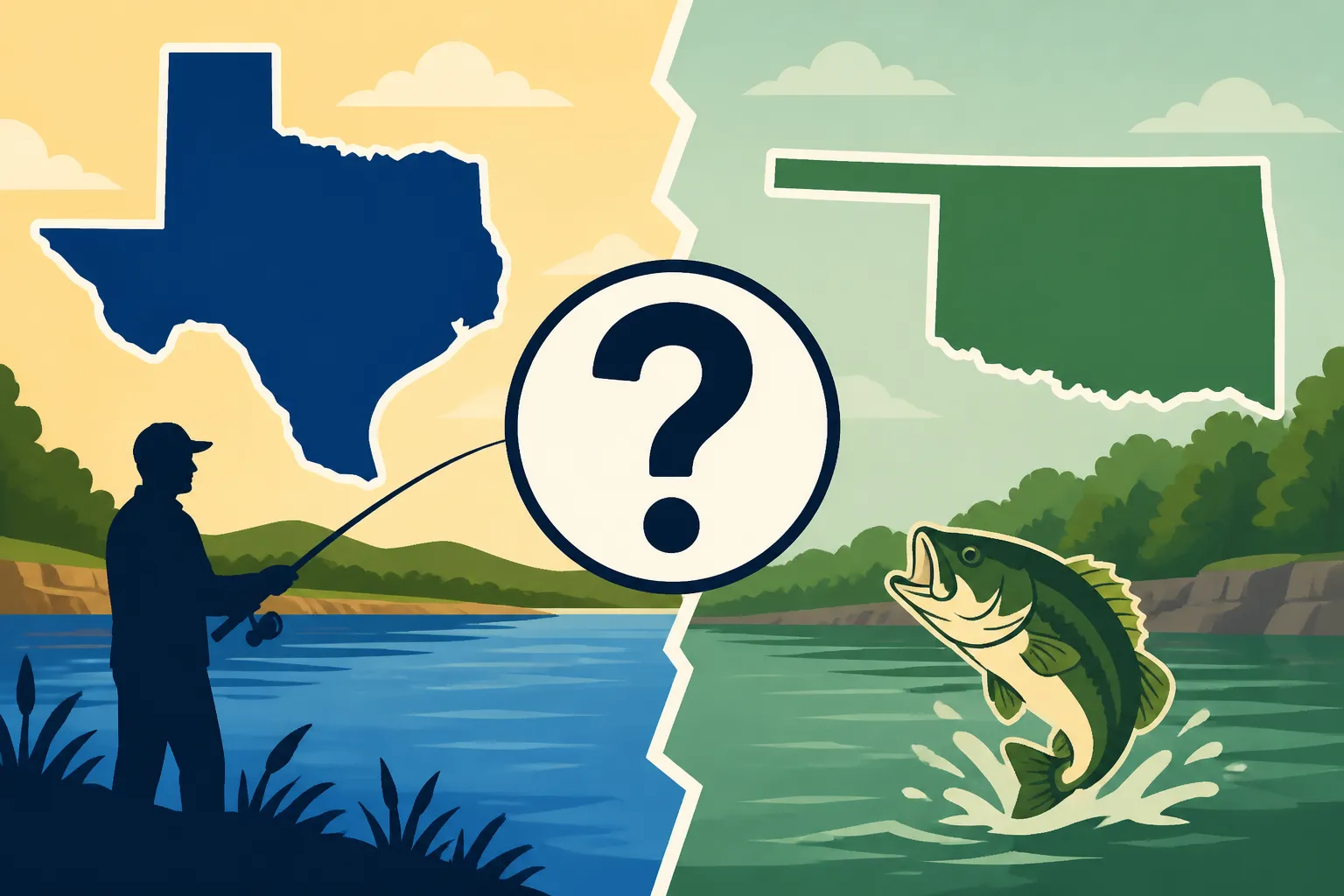
Does a Texas Fishing License Work Across the State Line?
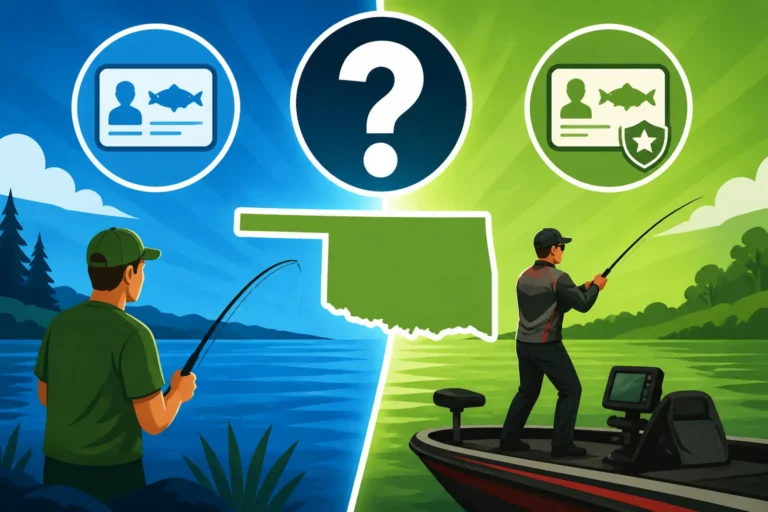
There's nothing quite like the boundless feeling of being out on the water, the horizon stretching before you, tackle box ready, and the promise of a big catch just a cast away. But for many anglers living near state lines, that boundless feeling often slams into a brick wall of confusion: "Does my Texas fishing license really work here in Oklahoma?" It’s a common, utterly frustrating question that can turn a relaxing day into a stressful scramble for legal clarity, or worse, a run-in with a game warden. This guide is here to clear up that very real confusion, helping you navigate the specifics of fishing licenses when crossing from Texas into Oklahoma waters.
The Frustration of State Lines on the Water
It feels intuitively wrong, doesn't it? You're on a massive body of water like Lake Texoma, seeing boats from both sides of the state line, and it's natural to assume that if you're licensed in one state, you're good to go. But unfortunately, the legal reality often doesn't align with that natural assumption, leading to widespread confusion and a fair bit of understandable annoyance among anglers.
The Seamlessness Myth
When you’re out on a vast lake, the state line isn't marked by buoys or barriers. You can easily drift from one state's jurisdiction to another without even realizing it. This physical seamlessness creates a mental one, making anglers believe their license should cover the entire body of water. Imagine casting your line near a cove, reeling in a beautiful largemouth bass, and then later finding out you were technically in Oklahoma waters without an Oklahoma license. It’s a scenario that plays out far too often, leading to surprise and disappointment for folks who honestly thought they were doing everything right. This perception of fluidity across state borders is often what trips people up, leading them to inadvertently break regulations.
Why the Confusion Exists
The confusion isn't just a lack of attention; it stems from a mix of factors. For starters, some states do have reciprocal agreements for border waters, which further complicates things. An angler might have fished in another region where a single license covered both sides of a river or lake and assume the same applies everywhere. Then there's the sheer size of some of these border lakes. Lake Texoma, for instance, is absolutely enormous, and trying to constantly track your exact location in relation to the state line while focused on fishing is nearly impossible. Add to that the varying license types and fees, and you've got a recipe for genuine misunderstanding, not intentional rule-breaking. Many simply don't know where to look for definitive answers, and the official regulations can sometimes be a bit dry and hard to parse for the average recreational angler.
Understanding Reciprocity: Oklahoma and Texas Fishing Licenses
Alright, let's get down to brass tacks about how Texas and Oklahoma handle fishing licenses, especially for those highly trafficked border waters. The general rule is pretty straightforward, but there's one very significant exception that every angler needs to know.
The General Rule: No Reciprocity
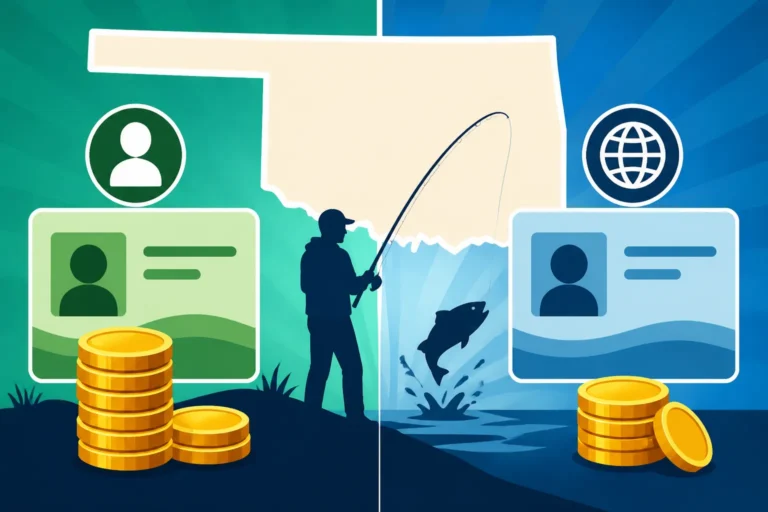
For the vast majority of shared waterways or when you fully cross into the other state's territory, your Texas fishing license is not valid in Oklahoma, and vice-versa. This means if you're a Texan angler planning a trip to, say, Lake Eufaula or Grand Lake O' the Cherokees, you absolutely need to purchase an Oklahoma Fishing License Requirements in Oklahoma. You can't just rely on your home state's license. The same goes for an Oklahoman heading south to fish in Texas. Each state maintains its own licensing structure, enforcement, and revenue collection, making it necessary for anglers to comply with the jurisdiction they are actively fishing in. It’s a fundamental principle of state sovereignty over natural resources.
Imagine you've driven a couple of hours from Dallas up to a great fishing spot just over the Oklahoma border, perhaps near Lake Murray. You pull out your Texas license, ready to cast. If a game warden checks you, and you're in Oklahoma waters, that Texas license won't cut it. You'd be considered fishing without a license. This is why understanding the specific rules for your intended fishing location is paramount. It’s not about being unfair; it’s about each state managing its resources and ensuring everyone contributes to conservation efforts in that state.
The Lake Texoma Exception
Now, here's where things get interesting, and a little bit complicated, for the legendary Lake Texoma. This massive reservoir, straddling the border between Oklahoma and Texas, is a special case. For Lake Texoma specifically, there is a reciprocal agreement in place between the Oklahoma Department of Wildlife Conservation (ODWC) and Texas Parks and Wildlife Department (TPWD).
This means that if you possess a valid fishing license from either Oklahoma or Texas, you are generally allowed to fish in any portion of Lake Texoma, regardless of which side of the state line you're on. This is a huge relief for anglers who frequent Texoma, as it eliminates the constant worry of drifting into the "wrong" state's water. However, it's crucial to understand that this reciprocity is strictly limited to Lake Texoma itself. You can't use your Texas license to fish anywhere else in Oklahoma, and an Oklahoma license won't work in other Texas waters. This unique arrangement is a testament to the lake's importance and the efforts of both states to simplify fishing for the thousands of anglers it attracts annually.
What You Need for Texoma
While a general Oklahoma or Texas license gets you on the water at Lake Texoma, there's a vital detail: special endorsements. Both states require certain endorsements or stamps for particular species, even on Texoma. For instance, if you're targeting striped bass – which Lake Texoma is famous for – a Texas angler with a Texas license still needs to ensure they have the appropriate Texas "saltwater" or "freshwater" endorsement if required by Texas law, and an Oklahoma angler with an Oklahoma license might need a specific endorsement or stamp depending on their license type and what they are targeting. You can find out more about Striped Bass Fishing Techniques for Oklahoma's Lake Texoma and how to prepare.
Additionally, remember that even with the reciprocity, bag limits and size restrictions are determined by the state you are physically fishing in at the moment of capture. So, if you're an Oklahoman fishing the Texas side of Texoma, you must adhere to Texas bag limits for any fish you catch. Conversely, a Texan fishing the Oklahoma side must follow Oklahoma's bag and size limits. This distinction is often overlooked and can lead to trouble, even with a valid license. Always double-check the specific regulations for the species you're targeting on the exact location you plan to fish, particularly for species like bass, crappie, and catfish, which can have varying limits.
| Location | Texas Resident License Only | Oklahoma Resident License Only | Texas Nonresident License Only | Oklahoma Nonresident License Only | Texas or Oklahoma Lake Texoma License |
|---|---|---|---|---|---|
| Entire Lake Texoma | YES (with proper endorsements) | YES (with proper endorsements) | YES (with proper endorsements) | YES (with proper endorsements) | YES (specifically for Texoma) |
| Anywhere else in Oklahoma | NO | YES | NO | YES | NO (only covers Texoma) |
| Anywhere else in Texas | YES | NO | YES | NO | NO (only covers Texoma) |
Consequences of Fishing Without the Right License
Nobody wants their relaxing day on the water to end with a hefty fine or worse. But for those who accidentally (or intentionally) fish without the proper license in Oklahoma, the consequences can be a real headache. It’s not just a slap on the wrist; there are genuine legal and financial repercussions that can quickly outweigh the cost of an annual license.
Getting Caught: What to Expect
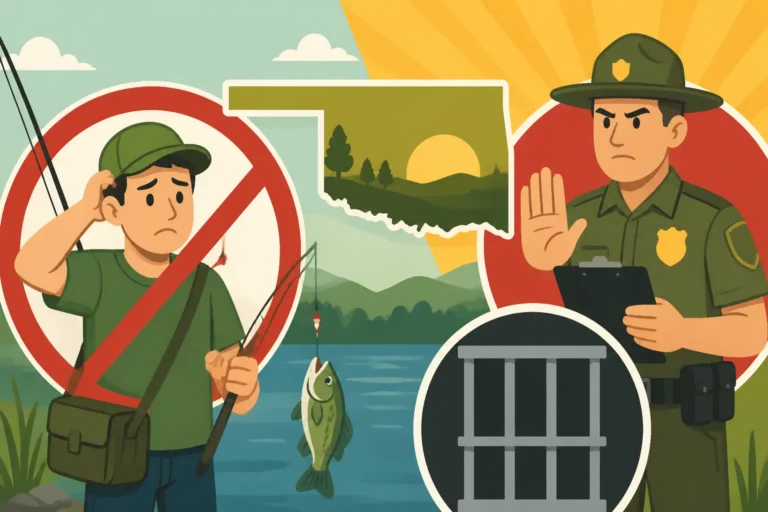
If you're out fishing and a game warden approaches you, the first thing they'll ask for is your fishing license. These dedicated conservation officers are responsible for enforcing wildlife and fishing laws to protect the state's natural resources. They're usually pretty good at identifying who's legitimate and who might be trying to skirt the rules. If you're found to be fishing in Oklahoma waters without a valid Oklahoma license (and not on Lake Texoma with a Texas license), you'll be cited. This isn't just a friendly warning.
The process typically involves the warden issuing a citation, much like a traffic ticket. You'll have to sign it, acknowledging receipt, and it will outline the violation. Depending on the circumstances and the warden's discretion, they might also require you to cease fishing immediately. It's a sobering experience that can completely ruin your day, leaving you feeling embarrassed and frustrated. Your fishing equipment might even be temporarily confiscated in some serious cases, though this is less common for a first-time license violation.
Financial Penalties and Beyond
The financial penalties for fishing without a license in Oklahoma can vary, but generally, it's considered a misdemeanor. Fines can range from around $50 up to several hundred dollars, depending on the exact statute violated and the judge's ruling. On top of the fine, you'll also likely have to pay court costs, which can add a significant amount to the total. This can easily make a "free" day of fishing incredibly expensive. To put it into perspective, a nonresident annual license typically costs around $81, or a 1-day license for $15, which is a fraction of what a fine and court costs would be. You can learn more about Penalties for Fishing Without a License in Oklahoma to understand the full scope of potential repercussions.
Beyond the immediate financial hit, there can be other consequences. Repeated offenses could lead to more severe penalties, including potential loss of fishing privileges for a period. This means you might be barred from purchasing any fishing license in Oklahoma for a certain number of years, effectively ending your angling adventures in the state for a while. It's truly not worth the risk, especially when the cost of a proper license is so low compared to the potential fines and hassle. Always ensure you have the correct documentation before you cast your line.
How to Ensure You're Always Legal
Avoiding the headache of license confusion is actually pretty simple with a bit of foresight. The key is to understand your options for purchasing an Oklahoma license and to plan your trips meticulously, especially when near state lines.
Purchasing an Oklahoma License
For any fishing trip to Oklahoma (outside the Lake Texoma exception for Texas anglers), you'll need to obtain an Oklahoma fishing license. Thankfully, the Oklahoma Department of Wildlife Conservation (ODWC) has made this process quite convenient. You have several options:
- Online: This is often the easiest and quickest method. You can visit the ODWC website and purchase your license digitally. You can even print it out immediately or keep a digital copy on your phone. Many anglers find this the most convenient way to secure their license, especially for last-minute trips. For details, check out How to Buy an Oklahoma Fishing License Online.
- In-person: Licenses are available at various vendors across the state, including sporting goods stores like Academy Sports + Outdoors, Walmart, and many local bait shops. Just walk in, provide your information, and walk out with your paper license.
- By Mail: While less common for immediate needs, you can also apply for a license by mail through the ODWC.
When considering which license to buy, you'll typically have options for annual licenses or short-term licenses. If you're only visiting for a day or two, a Nonresident 1-Day Fishing License Price in Oklahoma might be your best bet. If you plan multiple trips throughout the year, an Nonresident Annual Fishing License Cost in Oklahoma might be more cost-effective. Remember, all funds generated from license sales go directly back into Oklahoma's conservation efforts, helping maintain healthy fish populations and habitats for everyone to enjoy.
Planning Your Cross-State Trip
Effective planning is your best defense against license-related issues. Before you head out, especially if you're approaching a border lake or river, take a few minutes to confirm your location and the specific regulations that apply.
- Map Your Route: Use a reliable mapping app on your phone or a dedicated GPS fishing unit to clearly identify which state's waters you'll be fishing in. For Lake Texoma, while the reciprocity applies to the license itself, remember that bag and size limits for species like Oklahoma's Bass Fishing Rules and Limits, Crappie Fishing Rules and Limits in Oklahoma, and Oklahoma's Catfish Fishing Rules and Limits can still differ based on the state you're actually casting into. The Oklahoma side of Texoma might have different specific regulations than the Texas side, so knowing where you are and what applies is critical.
- Check Specific Regulations: Always consult the official Oklahoma Fishing Regulations Guide, available on the ODWC website. It's a free resource that provides all the up-to-date information on limits, special areas, and license requirements. Don't rely on old knowledge or assumptions. Regulations can change from year to year, so a quick check is always a good idea. For those serious about their Texoma experience, a dedicated guide like Lake Texoma Fishing Guide for Oklahoma Anglers can be invaluable.
- Purchase Ahead of Time: Don't wait until you're at the boat ramp to buy a license. Purchase it online or at a vendor a day or two before your trip to avoid any last-minute stress or technical glitches. Keeping a physical copy in a waterproof pouch in your tackle box, along with a digital copy on your phone, is a smart move.
By taking these proactive steps, you can ensure your fishing trip is filled with enjoyment, not anxiety. It's a small investment of time and money for the peace of mind that comes with knowing you're fishing legally and contributing to the conservation of Oklahoma's incredible aquatic resources.
Disclaimer
The information provided in this guide is intended for general informational purposes only and does not constitute legal advice. Fishing regulations can change, and specific rules may apply to certain bodies of water or species. Always consult the official Oklahoma Department of Wildlife Conservation (ODWC) regulations and relevant Texas Parks and Wildlife Department (TPWD) regulations before engaging in fishing activities to ensure compliance with current laws.