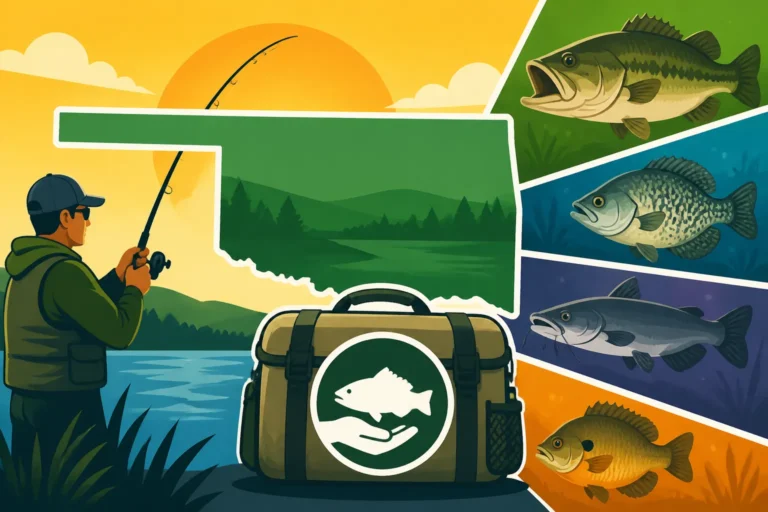
Do Arkansas Anglers Need a Separate Oklahoma License?
It's a question that pops up a lot when you're an avid angler living near a state line: "Do I need a separate license if I just want to dip my line in the next state over?" For our friends in Arkansas looking to fish the bountiful waters of Oklahoma, the answer can be a bit more complicated than a simple yes or no, often leading to confusion and, frankly, frustration. This guide is here to clear up those murky waters, making sure your next cross-border fishing adventure is legal, stress-free, and full of great catches.
The Nuances of Interstate Fishing Licenses
Crossing state lines to chase fish is a common practice for many anglers, but it often brings up a crucial question about licensing. It's easy to assume that if you have a license in your home state of Arkansas, it might just carry over to a neighboring state like Oklahoma, especially if you're only going a few miles over the border. However, the reality is almost always more complex, and understanding these nuances is key to avoiding an unexpected chat with a game warden.
Why Reciprocity Agreements Are Rare
When it comes to fishing licenses between states, full reciprocity, where one state's license is completely valid in another, is pretty rare. And honestly, it makes sense when you think about it from a regulatory standpoint. Each state manages its own wildlife resources, its own stocking programs, and its own enforcement efforts. The fees from fishing licenses directly fund these programs. If everyone could just use their home state license everywhere, those crucial funds would be spread too thin, making it harder to maintain healthy fisheries for everyone.
This means that while it would be super convenient to just hop over from Fort Smith into eastern Oklahoma with your Arkansas license in hand, the chances are incredibly slim that it would be legally recognized. States usually have very specific agreements, and if there isn't one clearly stated for all waters, you can bet you'll need a separate license. It's a bummer, I know, because it adds another layer of planning and cost, but it's part of the deal when you're enjoying what different states have to offer.
The General Rule: One State, One License
So, what's the golden rule for fishing across state lines? Almost without exception, the general rule is "one state, one license." If you plan to fish in Oklahoma waters, you need an Oklahoma fishing license. Period. This applies whether you're a full-time resident of Arkansas, just passing through, or even if you own property in both states. Your Arkansas fishing license is valid only for waters within Arkansas's jurisdiction.
This might seem a bit bureaucratic, but it's designed to ensure fairness and proper funding for conservation efforts in each state. Think of it like driving: your Arkansas driver's license lets you drive in Oklahoma, but you wouldn't expect your Arkansas vehicle registration to be valid if you moved your primary residence to Oklahoma and never changed it. Fishing licenses operate similarly. Each state wants to ensure that those who are benefiting from their fish populations and management efforts are contributing to them.
What Happens if You Don't Have the Right License?
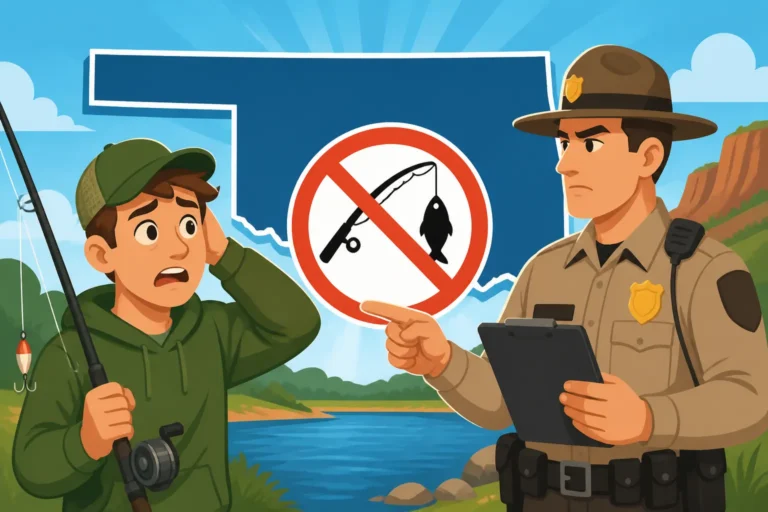
Now, let's talk about the uncomfortable bit: what happens if you decide to roll the dice and fish in Oklahoma without the proper Oklahoma fishing license? This isn't just a slap on the wrist kind of situation. Fishing without a valid license in Oklahoma is a misdemeanor offense. The penalties can range from substantial fines to court appearances, and in some cases, even the confiscation of your fishing gear. It’s certainly not the way anyone wants their fishing trip to end.
Game wardens in Oklahoma are out there actively protecting the state's natural resources. They're often seen patrolling popular fishing spots, boat ramps, and even checking anglers on the banks. They're trained professionals who know the regulations inside and out, and they're not shy about asking to see your license. Trust me, that sinking feeling you get when you realize you've been caught unprepared is absolutely not worth the cost of a license. It’s always, always better to be safe than sorry, and just get the appropriate documentation before you cast your first line. You can learn more about this by reading about the Penalties for Fishing Without a License in Oklahoma.
Oklahoma's Specific Requirements for Nonresidents
Okay, so we've established that if you're an Arkansas angler, you absolutely need an Oklahoma license to fish in the Sooner State. Now, let's dive into the nitty-gritty of what that actually entails. It’s not as daunting as it might sound, and Oklahoma makes it pretty straightforward to get what you need.
The Absolute Need for an Oklahoma Nonresident License
As an angler from Arkansas, you are considered a "nonresident" in the eyes of the Oklahoma Department of Wildlife Conservation (ODWC). This means you're subject to their specific nonresident licensing requirements. There are no special carve-outs or reciprocal agreements with Arkansas that allow you to use your Arkansas license in Oklahoma waters. This applies whether you're fishing a small farm pond, a major reservoir like Lake Eufaula, or a river like the Illinois or Arkansas River as it flows through Oklahoma.
It’s crucial to understand that residency is generally determined by where you primarily live. Even if you spend a lot of time visiting Oklahoma, or have family there, if your main home is in Arkansas, you’ll need to purchase a nonresident license. Don't try to bend the rules on this, as misrepresenting your residency status can lead to even more severe penalties than simply fishing without a license. The ODWC has pretty clear guidelines on what constitutes residency, and they're usually looking for things like your driver's license, voter registration, or property tax records if there's ever a question.
Types of Nonresident Licenses Available
Oklahoma offers a few different options for nonresident anglers, allowing you to choose the license that best fits your fishing plans. You're not stuck buying a full annual license if you only plan a quick weekend trip.
- Nonresident Annual Fishing License: This is your best bet if you plan on making multiple trips to Oklahoma throughout the year. It covers you for a full year from the date of purchase. While it's pricier than the resident annual license, it offers the most flexibility for those who love to explore different Oklahoma waters across seasons. For a detailed breakdown, check out Nonresident Annual Fishing License Cost in Oklahoma.
- Nonresident 1-Day Fishing License: If you're just popping over for a single day of fishing, or maybe an impromptu afternoon outing, the 1-Day license is a fantastic option. It's much more affordable and perfect for those spontaneous trips. Just remember it expires at midnight on the day it's valid. You can find more info on the Nonresident 1-Day Fishing License Price in Oklahoma.
- Other Specialized Licenses: Depending on what you're targeting, there might be additional permits or licenses. For example, if you're planning on snagging paddlefish, you'll need a special Paddlefish Permit in addition to your regular fishing license. Always double-check the ODWC website for any specialized permits related to your chosen species or technique.
Here's a quick comparison of the most common nonresident fishing licenses in Oklahoma:
| License Type | Cost (Approx.) | Duration | Ideal For |
|---|---|---|---|
| Nonresident Annual Fishing | $81.00 | 1 year from purchase | Frequent visitors, multiple trips |
| Nonresident 1-Day Fishing | $15.00 | Valid for specific date | Single day trips, spontaneous outings |
| Nonresident Youth Annual | $15.00 | 1 year from purchase | Nonresident youth 16 & 17 years old |
| Paddlefish Permit (add-on) | $3.00 | Annual | Required for paddlefish snagging |
Note: Prices are subject to change, so always verify the latest costs on the Oklahoma Department of Wildlife Conservation website before purchasing.
How to Purchase Your Oklahoma Nonresident License
Gone are the days when you had to track down a bait shop or a specific government office. The ODWC has made purchasing a license incredibly convenient. You have a few main ways to get your Oklahoma nonresident fishing license:
- Online: This is by far the easiest and most common method. You can visit the official ODWC website from your computer or even your smartphone. The process is quick, secure, and once purchased, you can often print a temporary license or save it digitally to your phone. This means you can even buy it while sitting in your truck at the boat ramp, provided you have cell service! Head to How to Buy an Oklahoma Fishing License Online for a step-by-step guide.
- ODWC Go Outdoors Oklahoma App: Many states, including Oklahoma, now have dedicated apps for purchasing and displaying licenses. Download the "Go Outdoors Oklahoma" app, create an account, and you can purchase your license right on your phone. It's super handy for proof of license if a game warden checks.
- Authorized License Dealers: If you prefer a physical copy or need some bait and tackle anyway, you can still purchase licenses at thousands of authorized dealers across Oklahoma. These include most sporting goods stores, many bait shops, and even some convenience stores. Just look for the "Go Outdoors Oklahoma" sign.
No matter which method you choose, make sure you have some form of identification and payment ready. Once you have your license, keep it with you at all times while fishing, either a physical copy or a digital version on your phone.
Common Misconceptions and Border Waters
The idea of fishing across state lines naturally brings up a lot of questions, and often, some misunderstandings. It's easy to get caught up in rumors or assume certain things, especially when it comes to border areas. Let's clear up some of those common points of confusion.
Debunking Reciprocity Myths
One of the most persistent myths is the idea that because Oklahoma and Arkansas share a border, there must be some sort of blanket reciprocity agreement for fishing licenses. I've heard countless stories of anglers assuming this, only to find themselves in hot water. To be absolutely clear: there is no general reciprocity agreement between Oklahoma and Arkansas that allows you to use an Arkansas fishing license in Oklahoma waters, or vice-versa.
This means you can't fish the Oklahoma portion of the Arkansas River with just your Arkansas license, nor can you fish any of the numerous lakes and rivers along or near the border without a valid Oklahoma license. While some states have very specific, localized reciprocity agreements for certain border lakes or rivers (like Lake Texoma between Oklahoma and Texas for specific species), such agreements are rare and do not currently exist for the entire Oklahoma-Arkansas border regarding general fishing licenses. Always operate under the assumption that if you're in Oklahoma, you need an Oklahoma license.
Understanding Border Water Agreements
When specific border water agreements do exist, they are usually very detailed and apply only to clearly defined bodies of water. For example, between Oklahoma and Texas, there’s a limited reciprocal agreement for residents of both states to fish on Lake Texoma without needing an additional license if they possess a valid license from their home state and a free Lake Texoma permit. This kind of agreement is the exception, not the rule, and it's almost always for large, shared bodies of water that are physically divided by the state line.
For the Oklahoma-Arkansas border, there aren't similar widespread agreements that would exempt an Arkansas angler from needing an Oklahoma license for Oklahoma waters. Even if a river flows from one state into another, the moment it crosses that invisible state line, you're officially in a new jurisdiction. This is why it's so important to know exactly where you are and what state's regulations apply. Don't rely on hearsay or old wives' tales; always check the official ODWC regulations.
What About Lakes on the Border?
The Oklahoma-Arkansas border is mostly defined by land, with the mighty Arkansas River flowing through both states, but not directly on the border for much of its length. There aren't many large, shared impoundments directly on the state line that mimic the situation of a lake like Texoma. Instead, you'll find lakes like Lake Eufaula, Fort Gibson Lake, or Tenkiller Ferry Lake entirely within Oklahoma territory, even if they're just a short drive from the Arkansas border.
This means that if you're traveling from Arkansas to fish any of these incredibly popular and productive Oklahoma lakes, you will absolutely need an Oklahoma fishing license. There's no gray area here. You're entering a distinct state's jurisdiction, and their rules apply. It's not uncommon for anglers to drive from western Arkansas to fish these renowned waters, and every single one of them, if they're 16 or older, needs that valid Oklahoma license. Don't let geographical proximity fool you into thinking the rules bend a little; they don't.
Planning Your Oklahoma Fishing Trip from Arkansas
Now that we've got the license part sorted out, let's talk about making your cross-border fishing trip a success. Coming from Arkansas, you're in for some fantastic fishing opportunities, but a little planning goes a long way to ensure a smooth and enjoyable experience.
Checking Bag Limits and Regulations
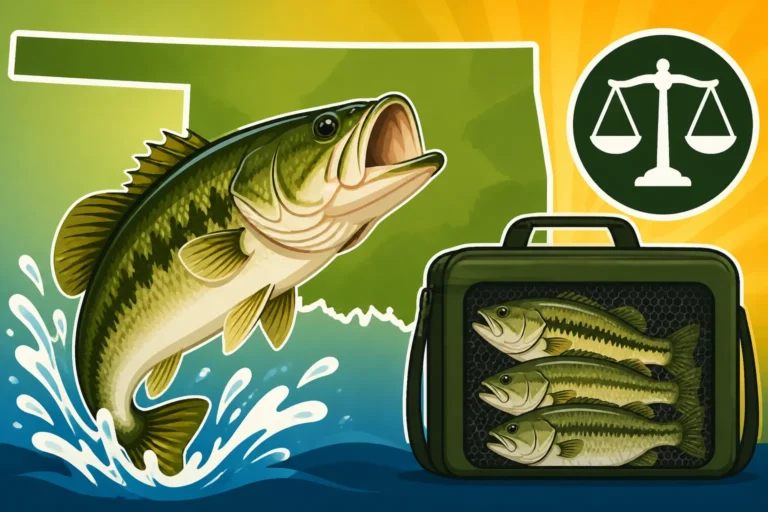
Getting your license is the first step, but it's certainly not the last. Each state, and sometimes even individual lakes within a state, will have specific bag limits, size restrictions, and other regulations for different species. Oklahoma is no different. For instance, the Oklahoma's Bass Fishing Rules and Limits might differ significantly from what you're used to in Arkansas, especially concerning length limits or the number of fish you can keep. The same goes for Crappie Fishing Rules and Limits in Oklahoma and Oklahoma's Catfish Fishing Rules and Limits.
Before you head out, always, always check the current Oklahoma Fishing Regulations Guide. This document is available on the ODWC website and usually at license dealers. Pay close attention to:
- Species-Specific Limits: How many bass, crappie, or catfish can you keep? Are there minimum or maximum size limits? Are there any slot limits?
- Lake-Specific Regulations: Some lakes in Oklahoma have special regulations that override the statewide limits. For example, some lakes have stricter crappie limits, and failing to know this could lead to trouble.
- Gear Restrictions: Are there any specific rules about the types of hooks, bait, or methods you can use?
- Seasons: While many species are open year-round, there might be specific seasons for certain methods or species like paddlefish snagging.
Being knowledgeable about these rules shows respect for the resource and ensures you're fishing legally.
Essential Gear and Preparations
Beyond just your license and knowing the rules, thinking about your gear is crucial. Oklahoma boasts a diverse range of fishing environments, from the vast open waters of Lake Texoma (shared with Texas, but still requires an OK license for OK waters) to the deep, clear impoundments like Broken Bow Lake, and the fertile systems like Lake Eufaula. What works best in one might not be ideal in another.
- Rod and Reel Setup: Consider what species you're targeting. If it's big blue catfish, you'll want heavy-duty gear. For crappie, a light action rod and reel are perfect. For bass, you might bring a variety of setups for different techniques.
- Bait and Lures: Research what's biting and what baits are working at your chosen destination. Live bait like shad, minnows, or worms are often universal, but specific lures excel depending on the season and water conditions. Don't forget to check local bait shops once you arrive – they're treasure troves of local knowledge.
- Safety Equipment: If you're bringing a boat, make sure you have all the required safety equipment, including life jackets for everyone on board (especially kids under 13), a throwable device, fire extinguisher, and sounding device. Oklahoma has strict boating safety regulations.
- Weather Prep: Oklahoma weather can be notoriously unpredictable. Pack layers, rain gear, sunscreen, and plenty of water. A comfortable day can turn stormy or scorching in a hurry.
A little forethought in packing can make or break your trip, turning potential frustrations into a truly memorable angling experience.
Where to Go: Top Spots for Arkansas Anglers in Oklahoma
Now for the fun part! Oklahoma offers an incredible variety of fishing experiences, and as an Arkansas angler, you're perfectly positioned to explore many of them. Some of the Best Fishing Spots in Oklahoma are just a short drive across the border.
- Eastern Oklahoma Lakes: If you're coming from western Arkansas, you're in prime position to hit some of Oklahoma's best eastern lakes.
- Lake Eufaula: Known as Oklahoma's Gentle Giant for Bass and Crappie, it's a massive lake offering incredible opportunities for bass, crappie, catfish, and white bass. It's a huge fishery with countless coves and creeks.
- Tenkiller Ferry Lake: This lake is famous for its clear waters and fantastic crappie and bass fishing. It also holds good populations of catfish and offers a scenic fishing experience.
- Fort Gibson Lake: Another eastern gem, Fort Gibson is excellent for bass, crappie, white bass, and catfish. It's a popular tournament lake and has plenty of access.
- River Systems: The Arkansas River flows through Oklahoma, offering great catfishing and sand bass opportunities, especially below the locks and dams.
- Other Renowned Lakes: Depending on how far you're willing to drive, Oklahoma offers even more. For example, Grand Lake O' the Cherokees Bass Fishing Guide will tell you about one of the state's premier bass and crappie destinations, especially popular for paddlefish snagging in season. Or, for a truly different experience, look into Best Bass Fishing Lakes Across Oklahoma for trophy opportunities.
Take some time to research which lake aligns with your fishing goals. Whether you're looking for a relaxing day of crappie fishing with the family or a hardcore bass tournament, Oklahoma has a spot waiting for you.
Disclaimer
The information provided in this guide is for general informational purposes only and is not intended as legal advice. Fishing regulations, license requirements, and fees can change. Always consult the official Oklahoma Department of Wildlife Conservation (ODWC) website or current regulations guide for the most up-to-date and accurate information before planning your fishing trip. Failure to comply with regulations can result in fines and penalties.