How Big Do Alligator Gar Get in Oklahoma
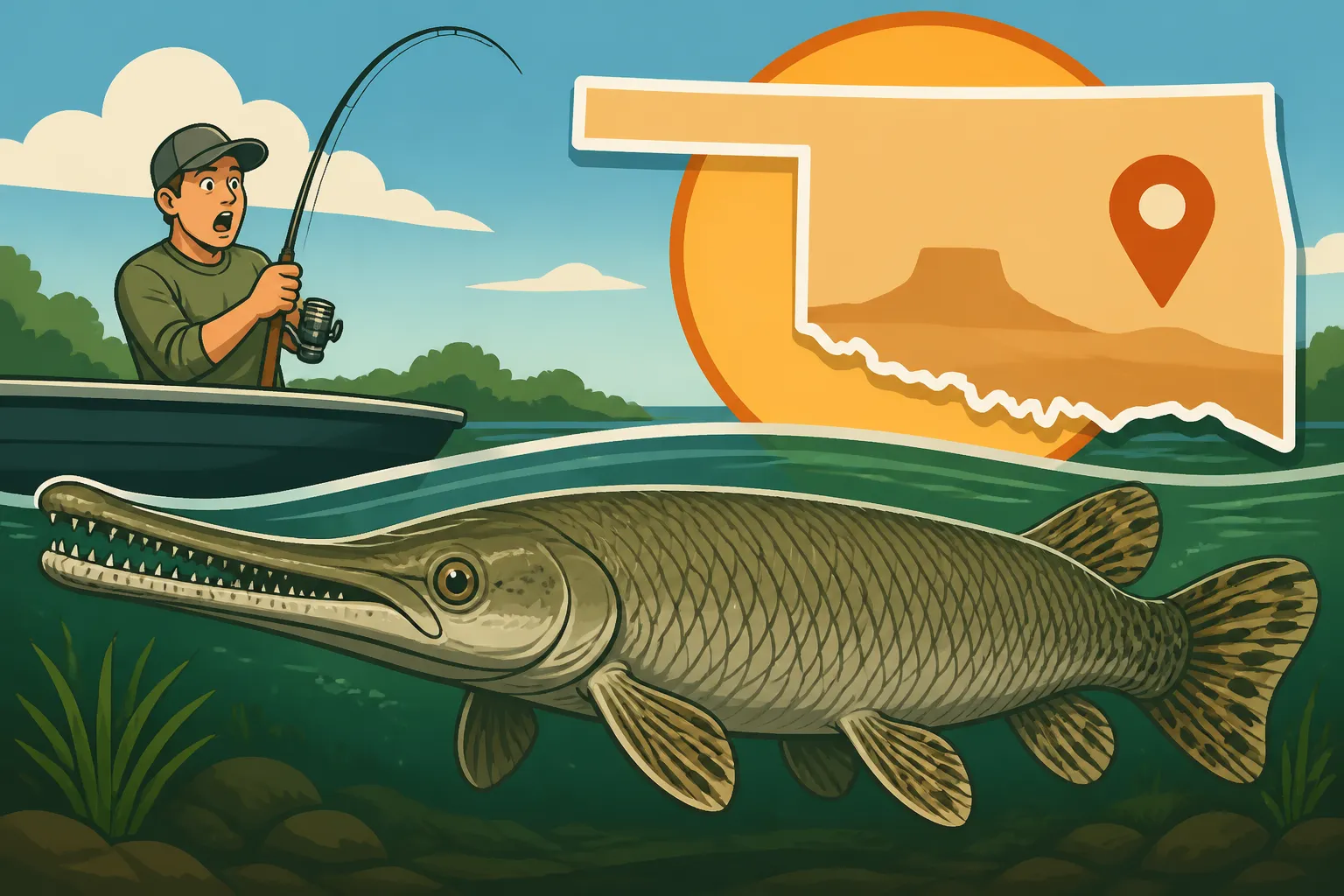
Many anglers in Oklahoma are captivated by the sheer size and prehistoric appearance of the alligator gar, often wondering just how massive these incredible fish can get in our local waters. It's a common frustration to hear tales of giant fish but never truly understand the potential scale or what it means for your fishing adventure. This guide aims to demystify the impressive growth potential of alligator gar in Oklahoma, from average catches to truly record-breaking monsters, preparing you for what you might encounter out on the water.
Understanding Alligator Gar Size in Oklahoma
Alligator gar are truly an apex predator in Oklahoma's freshwater ecosystems, and their size is often the first thing that strikes an angler. Unlike many other fish species that might top out in the double-digit pounds, alligator gar have the potential to grow to truly colossal proportions. This isn't just about length; it's about girth and an imposing presence that can make even a seasoned angler feel a rush of adrenaline.
Average Length and Weight
When you're out fishing for alligator gar in Oklahoma, you'll find that most of your catches, especially if you're not specifically targeting trophy fish, will fall into a certain range. These are still big fish by any standard! A typical adult alligator gar in Oklahoma's rivers and reservoirs might measure anywhere from 3 to 6 feet in length, often weighing in the range of 50 to 150 pounds. Imagine trying to haul in a fish that's taller than you are and weighs more than some people! They are thick-bodied, with that distinctive broad, flat snout and rows of sharp teeth that truly set them apart. These "average" fish are already a monumental challenge and provide an incredible fight. If you're wondering Alligator Gar vs Longnose Gar: How to Tell Them Apart, you'll notice the alligator gar's broader snout immediately.
It's important to remember that "average" varies quite a bit depending on the specific body of water and the age structure of the gar population there. In areas with abundant food and stable water conditions, even younger adults can push the higher end of this average range. For instance, a four-foot gar might feel manageable until you get it boat-side and realize just how powerful its body is and how much muscle it puts into every thrash. Handling these fish requires respect, both for their power and their well-being.
Record-Breaking Catches
Now, let's talk about the true giants – the record-breakers that fuel legends and dedicated expeditions. Alligator gar are among the largest freshwater fish in North America, and Oklahoma is certainly home to some monsters. Historically, reports exist of alligator gar reaching lengths well over 8 feet and exceeding 300 pounds in other parts of their range. While such giants are rare, they are not unheard of in Oklahoma. Our state record, a testament to the potential of these fish, sits at an incredible 254 pounds! That particular fish was a staggering 8 feet, 1 inch long. Just picture that – a fish longer than most cars are wide, and weighing as much as a small grizzly bear.
These record-setting catches are not everyday occurrences; they are the result of dedicated pursuit, specific techniques, and often a bit of luck to be in the right place at the right time. For an angler, encountering a fish of that magnitude is a once-in-a-lifetime experience. It proves that the elusive, truly massive alligator gar do indeed swim in our waters, silently patrolling the deep channels and slow-moving backwaters. The thought of hooking into something that big is what keeps many trophy hunters coming back, year after year, hoping to land their own piece of history. For more on where these giants might be lurking, check out Where to Catch Alligator Gar in Oklahoma.
Factors Influencing Alligator Gar Growth
The growth of any fish is a complex equation, and alligator gar are no exception. While they are inherently a large species, several environmental and biological factors play a significant role in how big an individual gar can truly become. Understanding these influences can help you identify prime habitats where larger specimens are more likely to thrive.
Habitat and Environment
The environment an alligator gar lives in is perhaps the most critical factor in its growth. Alligator gar prefer large, slow-moving rivers, oxbow lakes, and reservoirs with plenty of shallow, weedy areas for ambush and deeper channels for refuge. Think about the Red River system, the lower stretches of the Arkansas River, or large reservoirs like Lake Eufaula or Lake Texoma. These expansive waterways provide the space and stability needed for gar to grow uninterrupted over many years. Constant access to stable water levels, minimal pollution, and undisturbed spawning grounds contribute to a healthy, robust population.
Lakes with extensive timber stands, submerged brush, and deep cover offer excellent ambush points for these stealthy predators. A consistent habitat means less stress on the fish, allowing them to conserve energy for growth rather than constantly seeking new shelter or struggling with fluctuating conditions. Areas with slow currents are also preferred, as these fish are ambush predators, conserving energy and waiting for prey to come to them rather than actively chasing it in fast-moving water. This combination of factors creates a nursery and hunting ground perfectly suited for these massive fish. If you're curious about different gar species, you can find out more in our Gar Fishing Guide: Alligator Gar and Longnose Gar.
Diet and Food Availability
You are what you eat, and for an alligator gar, that means a lot of protein! These fish are voracious predators, and a steady, abundant supply of food is essential for them to reach their impressive sizes. Their diet primarily consists of rough fish like carp, buffalo, shad, and drum, but they aren't picky and will eat almost anything they can overpower, including turtles, waterfowl, and even small mammals that fall into the water. In Oklahoma, our lakes and rivers are rich in many of these forage species, providing a buffet for growing gar.
Consider a large reservoir teeming with huge schools of shad and carp. A gar in such an environment has less need to expend energy searching for food, allowing it to put more of its caloric intake towards increasing its body mass. Lakes and rivers that support robust populations of rough fish are often the same ones that produce the largest alligator gar. The more consistent and plentiful the food supply, the greater the potential for gar to reach those truly astonishing weights and lengths.
Age and Genetics
Like all living creatures, alligator gar have a genetic blueprint that dictates their maximum potential size. Some individuals are simply predisposed to grow larger than others, a trait passed down through generations. However, genetics only set the potential; it's age that allows that potential to be realized. Alligator gar are incredibly long-lived fish, capable of surviving for 50 years or more. It takes decades for a gar to reach those truly trophy-class sizes. A 200-pound gar isn't just big; it's ancient, a survivor of countless seasons and challenges.
This longevity is what allows them to accumulate mass over a very long period. A fish that reaches eight feet and over 200 pounds has likely been patrolling the waters for half a century, witnessing generations of other fish come and go. When you hook into a truly immense gar, you're not just fighting a fish; you're connecting with a living piece of history. It's a reminder of the incredible endurance and survival capabilities of these magnificent creatures. This also explains why Do Trophy Alligator Gar Live in Oklahoma Rivers? is such a popular question among dedicated anglers.
Targeting and Handling Large Alligator Gar
Okay, so you've heard the stories and you understand what goes into making a giant gar. Now, let's talk about what it takes to actually target and safely handle these prehistoric behemoths. It’s not your everyday bass fishing setup, that’s for sure. Preparing properly is key, not just for your success but for the well-being of the fish.
Gear for Trophy Gar
Catching a truly large alligator gar requires specialized, heavy-duty gear. Forget your medium-action bass rod; you're going to need something much more substantial. Think along the lines of saltwater tackle or gear designed for heavy catfish. A sturdy boat rod or a heavy-action conventional rod, paired with a large, high-capacity conventional reel, is paramount. You'll want a reel that can hold at least 300 yards of heavy braided line, somewhere in the 80 to 100-pound test range. This isn't overkill; it's a necessity when you're hooking into a fish that could weigh as much as you do or more. Look for reliable brands on Amazon that offer robust, saltwater-grade equipment.
For terminal tackle, you'll need heavy wire leaders, often 100-pound test or more, to stand up to their sharp teeth and powerful jaws. Large, strong circle hooks are generally preferred because they tend to hook in the corner of the mouth, making for an easier and safer release. Your bait should also be substantial – whole carp, buffalo, or large cut baits are common. And don't forget heavy-duty gloves, long-nose pliers or bolt cutters for hook removal (in case of a deep hook-set, though circle hooks mitigate this), and a very large net or sling designed for big fish, again, available from reputable vendors on Amazon. It's truly a different league of fishing. You'd use similar heavy tackle for big cats; for example, you could check out Best Rod for Catfish Fishing From a Boat for inspiration.
Safe Handling Practices
Handling a large alligator gar is serious business and requires both caution and respect. These fish are powerful and have incredibly sharp teeth. The most important rule is to prioritize the safety of both the angler and the fish. Never attempt to "lip" an alligator gar like you would a bass. Instead, if you're going to bring the fish aboard for a quick photo, use a specialized lip gripper designed for large fish or, even better, a large cradle or sling to support its body.
Minimize the time the fish is out of the water. Have your camera ready, snap a few quick photos, and then get the fish back into the water as quickly as possible. When releasing, support the fish horizontally in the water until it regains its strength and swims off on its own. Avoid dragging the fish over rough surfaces or holding it vertically by its head or tail, as this can damage its internal organs. Ethical angling means giving these magnificent creatures the best chance of survival. Learning these techniques also applies to other species, as detailed in our guide on Alligator Gar Fishing in Oklahoma.
Finding Prime Alligator Gar Waters
While alligator gar are present in many of Oklahoma's larger water bodies, certain areas are renowned for producing bigger fish. Look for sections of major rivers with deep, slow-moving pools and plenty of submerged timber or brush. The backwaters and oxbow lakes off these main river channels are also prime targets, offering rich feeding grounds and secluded areas for large gar to thrive. Reservoirs with significant populations of rough fish, especially those with extensive shallow flats adjacent to deeper channels, can also hold true giants. Lake Texoma, Lake Eufaula, and the lower portions of the Arkansas and Red Rivers are historically productive areas.
Understanding water temperature and seasonal movements can also be crucial. Alligator gar are most active in warmer water, typically from late spring through early fall. They'll often move into shallower areas to feed or sun themselves during this time, especially in the early mornings or late evenings. During colder months, they tend to retreat to deeper, more stable waters. Knowing these patterns will significantly increase your chances of not just finding gar, but finding the truly large specimens that call Oklahoma home.
| Size Category | Typical Length (feet) | Typical Weight (pounds) | Description |
|---|---|---|---|
| Average Adult | 3-6 | 50-150 | Common catch, still a significant challenge. |
| Large Trophy | 6-7.5 | 150-250 | Impressive fish, sought after by dedicated anglers. |
| State Record/Giant | 7.5+ | 250+ | Extremely rare, legendary catches (e.g., 254 lbs, 8'1"). |
For anglers seeking the thrill of a lifetime, Oklahoma's waters hold the promise of truly immense alligator gar. It takes preparation, patience, and the right gear, but the reward of hooking into one of these prehistoric giants is an unforgettable experience that few other freshwater fish can offer.
Disclaimer
This article is for general informational purposes only and does not constitute professional advice. Laws, prices and regulations vary by location and change over time. Consult a qualified professional for guidance on your specific situation.