Lake Texoma’s Striped Bass Fishery in Oklahoma
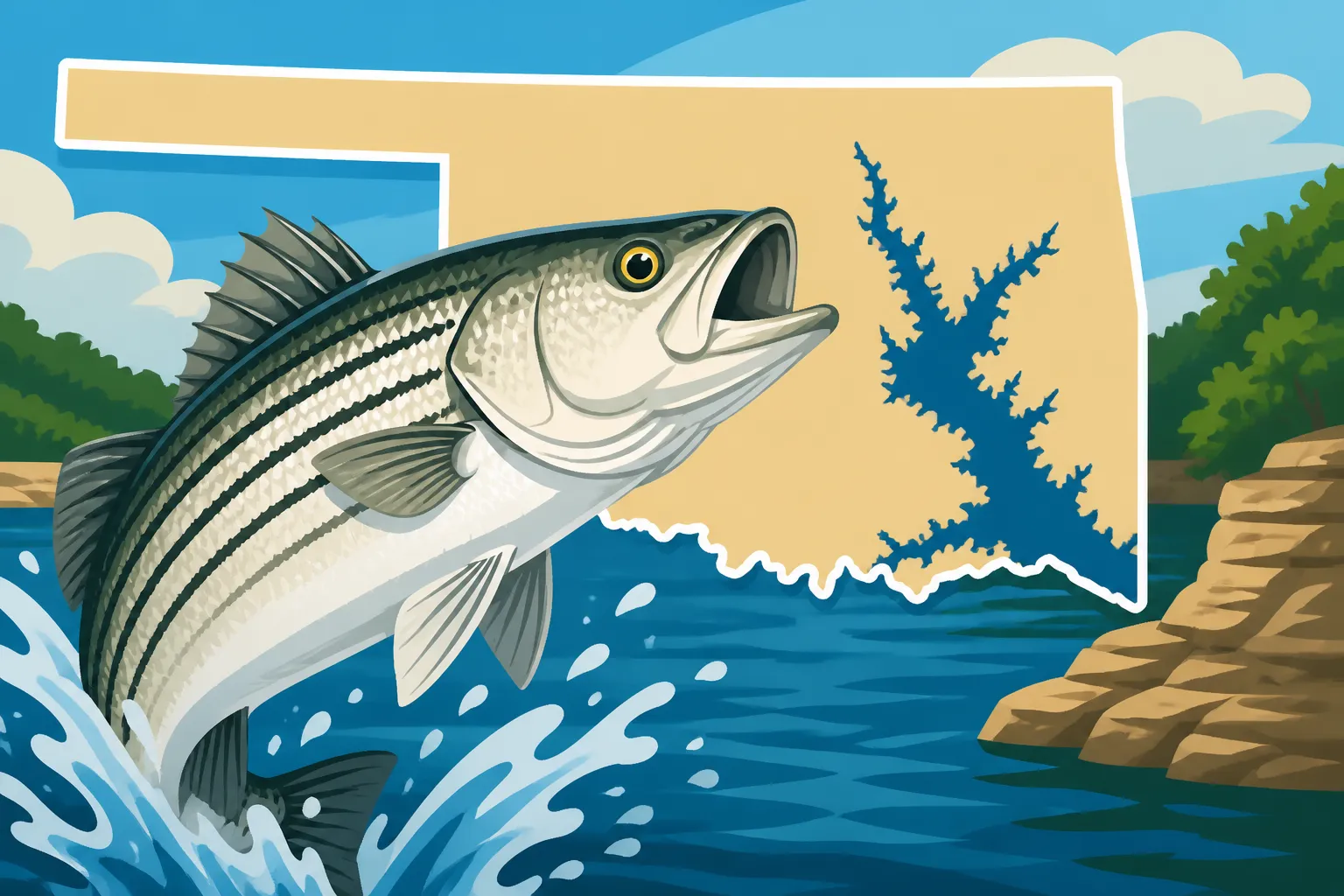
Lake Texoma, often called the "Striper Capital of the World," can be an exhilarating yet intimidating place for anglers. Many folks arrive with high hopes of landing those famous striped bass, only to feel overwhelmed by the sheer size of the lake and the unique behavior of its fish. This guide is designed to cut through that confusion, giving you a clear, in-depth understanding of Lake Texoma's striped bass fishery so you can confidently plan your next trophy-worthy trip.
The Unique History of Lake Texoma's Striped Bass Fishery
It's truly a marvel, isn't it? A massive freshwater lake teeming with striped bass, a species usually associated with saltwater oceans. The story of how these hard-fighting fish came to dominate Lake Texoma's ecosystem is fascinating and crucial to understanding why it's such a renowned fishery. Unlike many other lakes where stripers are stocked, Texoma boasts a self-sustaining, naturally reproducing population. This is a rare phenomenon in freshwater environments, making it a truly special place for anglers seeking a unique challenge.
The Phenomenon of Naturally Reproducing Stripers
Most inland striped bass fisheries rely heavily on state wildlife departments stocking fingerlings annually. They might grow big, but they don't complete their full life cycle without human intervention. Lake Texoma, however, is a different beast entirely. The Red and Washita rivers, which feed into the lake, provide the perfect conditions for striped bass to spawn naturally. These rivers have long stretches of flowing water with just the right salinity gradients and turbidity for the striper eggs to remain suspended and develop. This unique hydrological setup means that Texoma's stripers aren't just surviving; they're thriving and making more stripers all on their own. It’s this natural cycle that keeps the population robust and healthy, year after year, offering an incredible opportunity for anglers.
Imagine a fishing experience where you're not just catching a stocked fish, but a wild, self-reproducing specimen. It adds a whole new layer of appreciation to every fight and every catch. It means the fishery is resilient, and the populations aren't solely dependent on hatchery efforts. This natural abundance is what has cemented Lake Texoma's reputation globally.
Why Lake Texoma is the "Striper Capital"
The title "Striper Capital of the World" isn't just a catchy phrase; it's backed by the consistent production of both numbers and trophy-sized fish. Anglers flock from all corners of the country to experience this fishery, and for good reason. Not only do the stripers reproduce naturally, but the lake also provides an abundant forage base, primarily gizzard shad, which allows these fish to grow to impressive sizes. It’s a perfect storm of environmental factors: ideal spawning grounds, a massive body of water, and a robust food chain.
The sheer volume of catchable stripers makes it an exciting destination. You can often find schools of feeding fish boiling on the surface, creating an electrifying experience that's hard to replicate elsewhere. Guides on the lake have refined their techniques over decades, and their success rates are a testament to the fishery's richness. Whether you're a seasoned pro or a novice angler, the chances of landing a quality striped bass are exceptionally high here. It's not just about catching fish; it's about the experience of being on a lake where the odds are genuinely in your favor for an epic day.
Understanding Striped Bass Behavior in Texoma
To consistently catch striped bass on Lake Texoma, you've got to think like a striper. These are schooling fish, highly migratory, and their behavior is heavily influenced by water temperature, forage availability, and spawning instincts. Understanding their seasonal movements and feeding habits is the cornerstone of successful striper fishing.
Seasonal Movements and Patterns
Striped bass are constantly on the move, chasing baitfish and seeking comfortable water temperatures. Their patterns shift dramatically throughout the year. In the spring, as water temperatures begin to rise, stripers migrate up the Red and Washita rivers to spawn. This pre-spawn and spawn period can offer some fantastic river fishing opportunities. After the spawn, they begin to move back into the main lake.
During the hot summer months, stripers seek deeper, cooler water, often congregating around main lake points, humps, and submerged timber. Early morning and late evening topwater bites can be explosive, but midday fishing usually requires going deep. As fall arrives and water temperatures cool, stripers become incredibly active, often schooling up and chasing bait in massive surface boils. This is often considered one of the most exciting times to fish. Winter sees them move to deep channels and warmer thermal layers, where a more subtle approach is needed. Knowing these general patterns is your first step to narrowing down where to cast your line.
Diet and Forage Base
The primary food source for Lake Texoma's striped bass is the gizzard shad, a small, silvery baitfish that proliferates in the lake. Stripers are opportunistic feeders, and they'll gorge themselves on shad whenever possible. This means that matching the hatch – or at least using baits and lures that imitate shad – is often your best bet. Live shad are highly effective, but artificial lures like soft plastics, topwaters, and crankbaits that mimic shad in size, color, and action can be equally deadly.
Other forage includes various species of sunfish and even smaller stripers, especially for the truly large, aggressive fish. Understanding what they're eating helps you select the right presentation. If you see them busting on tiny shad, you'll want a smaller topwater lure or spoon. If they're holding deep, a larger jig or deep-diving crankbait might be more appropriate. Always pay attention to the size of the baitfish you see in the water or on your Fish Finder Features That Matter Most on Oklahoma Reservoirs. This direct observation can significantly improve your success rate.
Top Techniques for Landing Texoma Stripers
Fishing for striped bass on Lake Texoma isn't a one-size-fits-all endeavor. Successful anglers employ a variety of techniques, often switching between them depending on the season, time of day, and the fish's mood. Whether you prefer the thrill of a topwater blow-up or the steady pull of a trolled bait, there's a method that will work for you.
Trolling for Deep-Water Stripers
Trolling is perhaps one of the most consistent and popular methods for catching striped bass on Lake Texoma, especially during the warmer months when fish are holding deeper. This technique involves dragging artificial lures or live bait behind a moving boat, covering a lot of water until you find actively feeding fish. Heavy-duty trolling rods, stout reels, and line that can withstand the pull of deep-diving lures or heavy weights are essential. You’ll often see anglers using planer boards or downriggers to get their baits down to specific depths and spread their lines out, covering a wider swath of water.
Choosing the right lure for trolling is key. Deep-diving crankbaits that mimic shad are a common choice. Umbrella rigs, which consist of multiple lures trailing behind a larger central bait, are also incredibly effective as they create the illusion of a school of baitfish. The beauty of trolling is its efficiency; you're constantly presenting your bait to new fish. You'll need to pay close attention to your speed and the depths where you're marking fish on your electronics. Sometimes a slight adjustment in speed or a change in lure color can make all the difference between a slow day and a hot bite. Trolling Gear for Striped Bass at Oklahoma's Lake Texoma can make a huge impact on your results.
Live Bait Fishing (Bait and Wait)
While artificial lures are effective, nothing quite beats the appeal of live bait for tempting a finicky striper. Live gizzard shad are the king of baits on Lake Texoma. Anglers typically catch their own shad using cast nets in shallow coves or purchase them from bait shops around the lake. Once you have a good supply of live bait, there are several ways to present them.
One common method is "deadsticking" or "free-lining," where a live shad is hooked through the nose or back and allowed to swim naturally behind the boat, often with little to no weight. This is particularly effective when stripers are suspended or cruising near the surface. Another popular technique is to use a slip-sinker rig to present the live bait near the bottom or at a specific depth where you're marking fish. This "bait and wait" approach can be incredibly patient, but the reward of a solid striper hitting a live bait is often worth it. Make sure you have a good aerated livewell to keep your bait fresh and lively throughout the day. It's also worth noting that many guides offer live bait trips, handling the bait acquisition for you, which can be a huge convenience.
Topwater and Surface Fishing
For sheer excitement, it's tough to beat a topwater bite. When striped bass are actively feeding on schools of shad near the surface, they'll create explosive "boils" or "blow-ups" that can be seen from a distance. Casting a topwater lure into one of these feeding frenzies is an adrenaline rush like no other. Large walk-the-dog baits, poppers, and even some smaller swimbait-style topwaters can trigger incredible strikes.
This technique is most effective during low-light conditions, such as dawn and dusk, or on overcast days when fish are more likely to push bait to the surface. It's also a hallmark of the fall "run" when stripers are incredibly aggressive. The key is to get your lure into the action quickly and work it with an erratic, fleeing baitfish retrieve. Sometimes, a faster retrieve works best, other times a slower, more deliberate action is preferred. Watching for bird activity is often a dead giveaway for surface-feeding stripers, as gulls and terns will dive into the same bait schools. Keep an eye out for those birds – they're your best fishing buddies when the stripers are up! For more details on this, check out Deep Water Striper Fishing Techniques.
Essential Gear for Texoma Striper Fishing
Preparing for a Lake Texoma striper trip requires specific gear, especially if you're targeting those bigger, harder-fighting fish. Having the right tools won't just make your day easier; it'll dramatically increase your chances of success and minimize lost fish. You don't want to be caught unprepared when a trophy striper decides to commit!
Rods, Reels, and Line Selection
For the varied techniques used on Lake Texoma, a versatile rod and reel setup is crucial. If you're primarily trolling or fishing with heavy live bait, you'll want medium-heavy to heavy action casting rods, typically 7 to 8 feet long. These rods need enough backbone to handle heavy lures or weights and to subdue powerful fish. Pair them with baitcasting reels that have a strong drag system and ample line capacity, capable of holding 200-300 yards of line. Brands like Penn or Abu Garcia are popular choices for their durability and performance in these situations.
For casting artificial lures, particularly topwaters or lighter jigs, a medium-heavy spinning rod (7-7.5 feet) with a fast action tip can be incredibly effective. This allows for long casts and sensitivity to detect subtle bites. Pair this with a high-quality spinning reel in the 3000-5000 size range. As for line, braided line is a favorite among many striper anglers due to its strength, sensitivity, and small diameter. A 30-50 lb test braided mainline is common, often with a fluorocarbon leader (20-40 lb test) for abrasion resistance and reduced visibility. Many anglers find great deals on these setups on Amazon. Don't skimp on line quality; a cheap line can be the weakest link in your battle with a big striper.
Lures and Bait Specifics
Your tackle box for Lake Texoma should be diverse to cover different conditions and striper moods. As mentioned, live gizzard shad are unparalleled, so having a good cast net and livewell is a must if you plan to catch your own. For artificials, think "shad imitation."
- Topwater Lures: Large poppers (like a Chug Bug) and walk-the-dog baits (like a Zara Spook) in chrome, white, or bone colors are fantastic for surface action.
- Spoons: Heavy spoons, often in chrome or white, are excellent for jigging in deep water, especially when fish are suspended. Sizes from 1 to 3 ounces are common.
- Soft Plastics: Large swimbaits (4-6 inches) rigged on jig heads (½-2 oz) are versatile. Paddle tail varieties in white, pearl, or chartreuse can be fished by casting, slow rolling, or vertically jigging.
- Crankbaits: Deep-diving crankbaits in shad patterns are essential for trolling. Look for models that can reach depths of 15-30 feet or more.
- Umbrella Rigs: These multi-lure rigs are incredibly effective for mimicking a school of baitfish while trolling.
Having a selection of these, along with various jig head weights and hook sizes, will ensure you're prepared for whatever the Texoma stripers throw your way. Many anglers stock up on these versatile lures before hitting the water; Amazon offers a wide selection.
Essential Boating and Electronics
Fishing Lake Texoma without a boat capable of handling its vastness and potential for rough water can be challenging. A stable boat, whether it's a dedicated striper boat, a large center console, or a sturdy bass boat, is paramount. You’ll be covering significant distances and potentially navigating choppy conditions, so safety and comfort are key. Best Fishing Boats for Oklahoma's Big Reservoirs discusses some great options.
Beyond the boat itself, high-quality marine electronics are non-negotiable for serious striper fishing. A good fish finder with down imaging and side imaging capabilities is invaluable for locating schools of baitfish and stripers, identifying underwater structure, and determining depth. GPS functionality is also essential for marking productive spots, navigating the lake, and ensuring you can return to a hot bite or safely find your way back to the ramp. Many modern units combine these features, providing a comprehensive view of the underwater world. A reliable trolling motor can also be a game-changer for precise boat control, especially when trying to stay on top of a school of fish or working a specific piece of structure.
| Technique | Best Season | Preferred Bait/Lure | Ideal Depth | Key Gear |
|---|---|---|---|---|
| Trolling | Summer, Fall, Winter | Deep-diving crankbaits, umbrella rigs | 20-50+ feet | Heavy casting rod, stout reel, downriggers/planer boards, fish finder |
| Live Bait Fishing | Year-round | Live gizzard shad | Varies, often deeper | Medium-heavy rod, baitcasting reel, aerated livewell, slip-sinker rigs |
| Topwater / Surface | Spring, Fall, Summer (early/late) | Walk-the-dog, poppers | Surface | Medium-heavy spinning rod, fast action, braided line, binoculars (for birds) |
| Jigging (Spoons/Soft Plastics) | Winter, Summer (deep) | Heavy spoons, large swimbaits | 15-60+ feet | Medium-heavy rod, sensitive tip, braid, fish finder (for vertical jigging) |
Conservation and Regulations on Lake Texoma
Fishing on Lake Texoma is a privilege, and with that comes the responsibility of understanding and adhering to the specific regulations designed to protect this incredible fishery. Because Texoma straddles the border of Oklahoma and Texas, there are some unique rules you need to be aware of. Neglecting these can lead to fines and negatively impact the striper population for future generations. For a detailed look at general rules, check out Fishing Regulations You Need to Know in Oklahoma.
Oklahoma-Texas Border Rules
Lake Texoma is managed jointly by the Oklahoma Department of Wildlife Conservation (ODWC) and the Texas Parks and Wildlife Department (TPWD). This cross-border management means that anglers need to be careful about which state's regulations apply to them. The general rule of thumb is that anglers must possess a valid fishing license from either Oklahoma or Texas. However, if you possess a license from only one state, you must obey that state's regulations regarding length limits, bag limits, and gear restrictions, regardless of which side of the lake you are fishing on.
For example, if you have an Oklahoma license, you must follow Oklahoma's striper limits and rules, even if you're fishing in Texas waters. Conversely, if you have a Texas license, you follow Texas rules. This can get a little confusing, especially if you're used to only one state's laws. Many seasoned Texoma anglers opt to purchase a special Lake Texoma fishing license, often called the "Lake Texoma license" or "Border Lakes license," which covers both states' waters under specific reciprocal agreements. It simplifies things immensely and ensures you're always legal, no matter where on the lake you cast your line. Always double-check the current regulations from both states, as they can sometimes change. Texas Anglers Fishing in Oklahoma Waters will give you more specific details.
Striped Bass Bag and Length Limits
Specific bag and length limits are put in place to ensure the long-term health and sustainability of the striped bass population. These limits can vary between Oklahoma and Texas, which further emphasizes the need to know your license's governing regulations or to hold that special Lake Texoma license. Typically, there will be a daily bag limit (the maximum number of fish you can keep in one day) and a possession limit (the maximum number of fish you can have in your cooler or at your camp). There will also be a length limit, which often includes a slot limit or a minimum length, sometimes even allowing only one fish over a certain trophy size.
For example, common regulations might be a daily bag limit of 10 stripers, with only two of those being over a specific length, say 20 inches. These rules are designed to protect the breeding stock while allowing anglers to harvest some fish. It's not uncommon to hear stories of anglers accidentally violating these rules, so paying close attention to the details on your license and current regulation guide is crucial. Always measure your fish carefully and release any that don't meet the legal requirements as quickly and safely as possible. Remember, conservation is key to keeping Lake Texoma the "Striper Capital" for generations to come. Oklahoma's Bag Limit Rules by Species can help clarify some of the general rules.
The Future of Lake Texoma's Striped Bass Fishery
The Lake Texoma striped bass fishery is a dynamic ecosystem, constantly influenced by environmental factors, fishing pressure, and management strategies. Its health and vibrancy are not guaranteed, but rather a result of ongoing efforts and the unique natural conditions that allow stripers to thrive here. Thinking about the future helps us appreciate the present and act responsibly.
Environmental Factors and Sustainability
The very existence of Lake Texoma's self-sustaining striped bass population hinges on the delicate balance of its environment, particularly the Red and Washita rivers. Factors like water flow, temperature, and salinity levels during the spring spawning run are critical. Too little flow, or changes in water quality due to drought or pollution, could severely impact spawning success. Similarly, the health of the gizzard shad population directly affects the growth and condition of the stripers.
Conservation efforts extend beyond just bag limits. They include monitoring water quality, managing river flows, and protecting critical habitat areas within the spawning rivers. Anglers also play a crucial role by practicing responsible catch-and-release, especially for large, spawning-age fish. Understanding that our actions on the water have a ripple effect on the entire ecosystem helps us all become better stewards of this incredible natural resource. The long-term sustainability of this fishery depends on these interconnected elements remaining healthy.
Role of Anglers and Management Agencies
The partnership between anglers, guide services, and state management agencies (ODWC and TPWD) is vital for the future of Lake Texoma's striped bass. Anglers contribute through license fees, which fund research and conservation programs, and by reporting illegal activities. Guide services often provide valuable data to biologists and educate their clients on responsible fishing practices.
The management agencies, in turn, conduct regular fish surveys, study population dynamics, and adjust regulations as needed to ensure a healthy fish population. They also work to address habitat concerns and coordinate cross-state management strategies. It's a continuous cycle of monitoring, adapting, and educating. By staying informed about the latest regulations and participating in conservation efforts, every angler contributes to safeguarding Lake Texoma’s status as a premier striped bass destination. The future is bright, but it requires continued vigilance and cooperation from everyone who enjoys this magnificent fishery.
Disclaimer
This article is for general informational purposes only and does not constitute professional advice. Laws, prices and regulations vary by location and change over time. Consult a qualified professional for guidance on your specific situation.