Northern Pike Fishing in Oklahoma
You might be surprised to learn that Oklahoma, with its warm waters and diverse fisheries, is home to the formidable Northern Pike. Many anglers don't even realize these toothy predators lurk beneath our lakes, often confusing them with other species or assuming they're strictly a northern fish. This comprehensive guide is designed to shed light on Northern Pike fishing in Oklahoma, helping you identify them, understand where they thrive, equip yourself with the right gear, and master the techniques needed to successfully target these elusive giants.
The Unexpected Angler: Northern Pike in Oklahoma Waters
It’s easy to think of Northern Pike as a fish purely belonging to the cold, clear lakes of Minnesota or Canada. But believe it or not, these aggressive, torpedo-shaped predators have established a foothold in some of Oklahoma’s waters. When you mention "pike" in Oklahoma, most people immediately think of gar, which is an entirely different beast. The genuine Northern Pike is a rare and exciting catch here, offering a unique challenge for those willing to seek them out. Their presence adds another layer of intrigue to our state's already rich fishing landscape, making the possibility of hooking one a true angler's dream.
A Brief History of Northern Pike in Oklahoma Waters
The story of Northern Pike in Oklahoma isn't one of natural migration; it's a tale of deliberate introduction. Decades ago, the Oklahoma Department of Wildlife Conservation (ODWC) introduced Northern Pike into a handful of our state's reservoirs. The idea was to establish a new trophy sport fish and potentially help control populations of prolific forage fish. While these introductions weren't as widespread or successful as, say, striped bass, a few populations did manage to take hold and sustain themselves. These populations are typically smaller and more isolated than what you'd find further north, making each catch a truly special event and adding to the mystique of pursuing them here. It's a testament to the adaptability of these fish, and to the foresight of those who thought to bring them here.
Where to Actually Find Northern Pike in Oklahoma
Finding Northern Pike in Oklahoma isn't as simple as driving to any major reservoir and casting a line. Their populations are primarily confined to a few specific lakes where the initial stockings had some success and where conditions allow them to survive, if not truly thrive. While details can change over time, historically, lakes like Lake Carl Blackwell and portions of the Arkansas River system have been known to hold Northern Pike. These aren't high-density fisheries, so you won't be catching them one after another. Instead, it's about targeting specific, cooler, deeper sections of these lakes, often near submerged structure or weed lines, where they prefer to ambush their prey. Keep an eye on local fishing reports and talk to bait shop owners in the vicinity of these historical locations – they're often the best source for current, hyper-local information on where these elusive fish might be showing up. To learn more about specific cold water spots, check out Where to Catch Northern Pike in Cold Reservoirs.
Identifying Your Catch: Northern Pike vs. Other Oklahoma Fish
One of the biggest hurdles for Oklahoma anglers is correctly identifying a Northern Pike once it's on the line. Given their rarity, it's far more common to hook a gar, a walleye, or even a large bass, and momentarily mistake it for a pike. This misidentification can lead to confusion, especially with different regulations applying to different species. Knowing the distinct features of a Northern Pike is crucial, not just for bragging rights, but for adhering to proper fishing regulations and conservation efforts.
Key Characteristics of Northern Pike
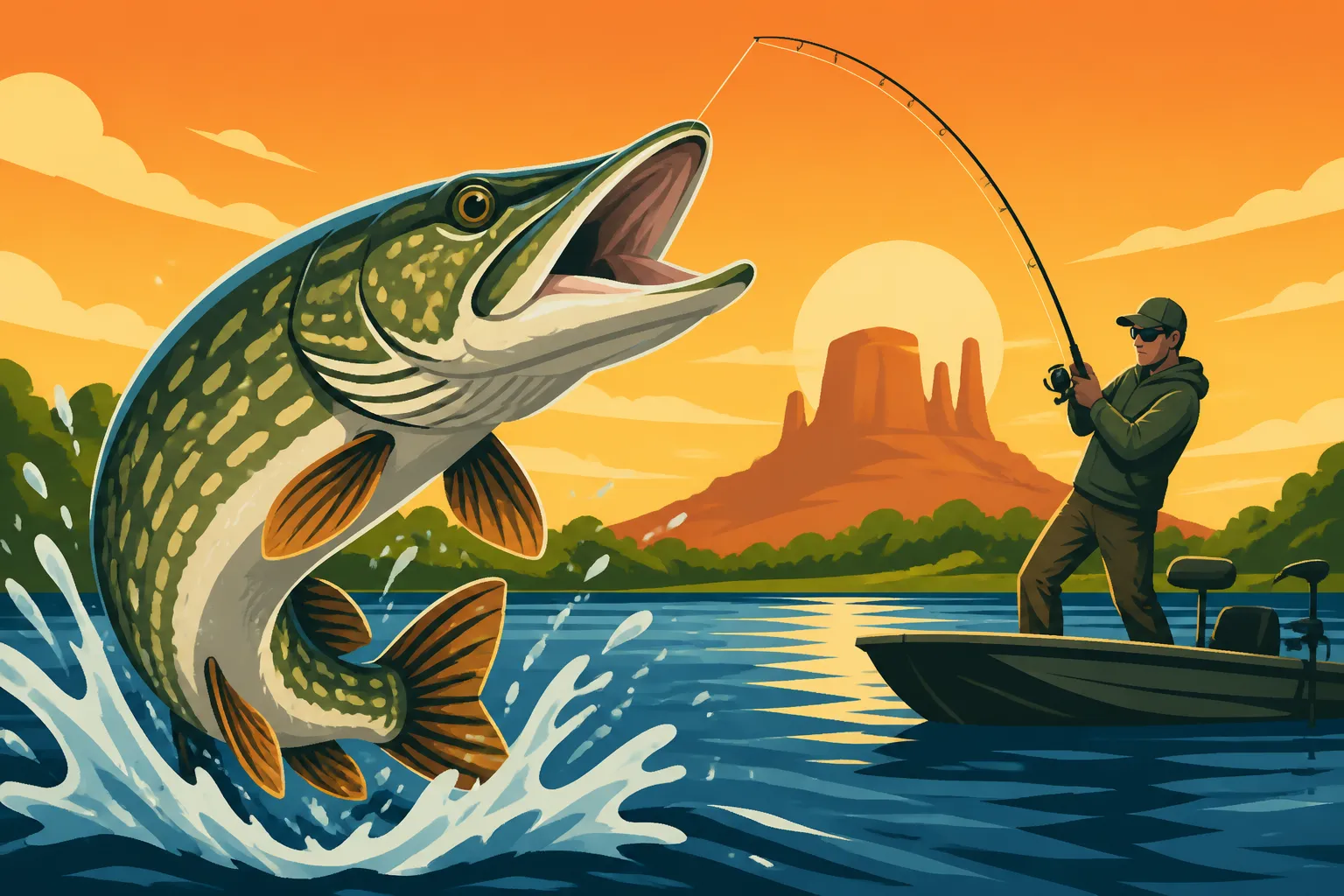
Northern Pike have several tell-tale characteristics that set them apart. First, their body shape is distinct: long, slender, and torpedo-like, built for sudden bursts of speed. Their color typically ranges from olive green to yellowish-green, with distinct light, bean-shaped spots along their sides. Perhaps the most defining feature, and what gives them their fierce reputation, is their mouth. It's large and duckbill-shaped, armed with rows of sharp, needle-like teeth. Their dorsal fin is located far back on their body, close to the tail, which is another key identifier. This posterior placement of the dorsal and anal fins helps them propel themselves forward with incredible force, perfect for ambushing unsuspecting baitfish. If you hook a fish with these features, especially those light spots and that toothy, duckbill snout, you've likely found yourself an Oklahoma Northern Pike! For more details on their growth, you might be interested in How Big Do Northern Pike Get in Oklahoma.
Northern Pike vs. Walleye: A Common Mix-Up
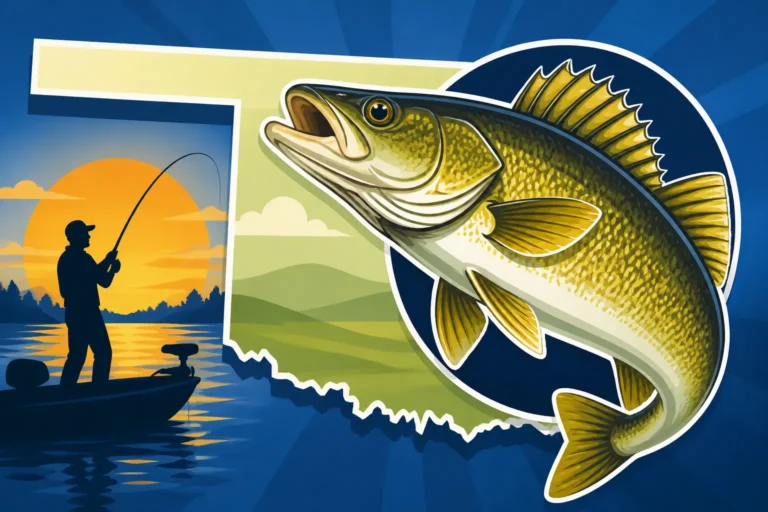
It's surprisingly common for anglers to confuse Northern Pike with Walleye, especially when they're excited on the water. While both are predatory fish, they have very different appearances. Walleye have a more elongated, cylindrical body, and their coloration is typically olive green to gold, with darker mottling or bars, but no distinct bean-shaped spots. Their mouths are also different: Walleye have prominent canine teeth, but their jaws aren't nearly as long or duckbill-shaped as a pike's. A definitive difference is the Walleye's spiny dorsal fin, which is much more pronounced and located further forward on its back than a pike's soft-rayed dorsal. Also, check the tail: a Walleye will often have a white tip on the lower lobe of its tail fin, a feature absent on pike. Understanding these distinctions is key to correctly identifying your catch. If you want to dive deeper into the differences, check out Northern Pike vs Walleye: How to Tell Them Apart.
Northern Pike vs. Gar: Understanding the Differences
Another frequent mix-up, especially in Oklahoma, is confusing a Northern Pike with one of our native gar species. While both are long, predatory, and have sharp teeth, their evolutionary paths are quite divergent. Gar, such as Longnose Gar, have extremely elongated, toothy snouts that are almost beak-like, far more pronounced than a pike's duckbill. Their bodies are covered in thick, diamond-shaped, ganoid scales that are incredibly tough, almost like armor. Pike scales are much smaller and smoother. Gar also tend to be slower, more deliberate swimmers, often seen basking near the surface, while pike are known for their lightning-fast strikes. The fins also differ significantly in shape and placement. If you've caught a fish with a truly needle-like snout and a body covered in bony plates, you've got a gar, not a Northern Pike.
Gear Up for the Pike Challenge: What You'll Need
Successfully fishing for Northern Pike in Oklahoma isn't just about finding them; it's about being prepared with the right equipment. These fish are powerful, aggressive, and their teeth are no joke. Using inadequate gear will not only lead to lost fish but potentially damaged equipment or even injury. Think of it as preparing for a battle; you need the right weaponry and armor to stand a chance.
Rods, Reels, and Line for Pike
For Northern Pike, you'll want to step up your tackle. Forget your ultralight panfish setup; you need something with backbone. A medium-heavy to heavy power spinning or baitcasting rod, typically in the 6.5 to 7.5-foot range, is ideal. This length provides good casting distance and enough leverage to handle a hard-fighting fish. Pair that with a robust reel capable of holding plenty of line and delivering smooth drag. For spinning reels, a 3000-4000 series is a good starting point, while a baitcaster with a high retrieve ratio for quick line pickup is excellent.
When it comes to line, braided line in the 20-50 pound test range is highly recommended due to its strength, sensitivity, and lack of stretch. However, the most critical piece of line-related gear for pike is a leader. Those razor-sharp teeth will slice through fluorocarbon or monofilament like butter. You must use a steel, titanium, or heavy fluorocarbon (80+ lb test) leader, about 6-12 inches long, to prevent bite-offs. You can find quality leaders, as well as rods and reels suitable for pike, on platforms like Amazon, ensuring you're ready for the fight. For general gear advice, consider Best Rods and Reels for Oklahoma Fishing.
Lures and Baits That Entice Pike
Northern Pike are opportunistic predators, and they're not shy about hitting a variety of lures. The key is to present something that mimics their natural prey – baitfish like shad, sunfish, or even smaller gamefish. Larger lures generally work best, as pike are looking for a substantial meal.
Here are some go-to options:
- Spoons: Classic metal spoons, especially those with a wobbly action in silver, gold, or red/white patterns, are incredibly effective. Sizes from 3/4 oz to 1.5 oz are often productive.
- Spinnerbaits: Large spinnerbaits with tandem willow leaf or Colorado blades create a lot of flash and vibration, irresistible to hungry pike. Chartreuse, white, and dark patterns work well.
- Jerkbaits/Stickbaits: These lures, often 4-7 inches long, can be twitched and paused to imitate a wounded baitfish. Look for models that suspend in the water column.
- Swimbaits: Soft plastic swimbaits, rigged on heavy jig heads, offer a very realistic profile and swimming action.
- Live Bait: If legal in your chosen fishing spot (always check regulations!), large shiners, shad, or even smaller bluegill can be extremely effective, fished under a bobber or on a bottom rig.
When selecting lures, remember that pike are visual hunters, so flash, vibrant colors, and erratic action can be crucial. Many anglers stock up on these versatile lures from various online retailers, including Amazon, before heading out. For seasonal lure choices, check out Best Lures for Spring Fishing.
Essential Pike Fishing Accessories
Beyond the basic rod, reel, and lures, a few essential accessories will make your Northern Pike fishing experience safer and more successful. Given their sharp teeth and aggressive nature, handling a pike requires caution.
- Long-Nose Pliers or Forceps: These are non-negotiable. Pike often swallow lures deep, and those teeth make reaching in with bare hands extremely risky. Long pliers allow you to safely extract hooks.
- Jaw Spreaders: For those particularly toothy and feisty fish, jaw spreaders can be invaluable for holding their mouth open while you work on hook removal.
- Large Landing Net: A net with a deep, rubberized mesh is ideal. The rubberized mesh is gentler on the fish's slime coat if you're planning to release it, and it prevents treble hooks from getting hopelessly tangled in the netting. A large net also ensures you can safely land a big, thrashing pike without losing it boat-side.
- Cut-Resistant Gloves: While not always necessary for every angler, a good pair of cut-resistant gloves can provide an extra layer of protection when handling a lively pike, especially if you're not accustomed to their sharp gill plates and teeth.
- First Aid Kit: Always a good idea on any fishing trip, but especially when dealing with potentially dangerous fish. A small kit with bandages and antiseptic can quickly address minor scrapes or punctures.
Having these items readily accessible on your boat or in your tackle box means you're prepared for the challenges and excitement that come with landing an Oklahoma pike.
Techniques for Landing Oklahoma's Elusive Pike
Catching a Northern Pike in Oklahoma isn't just about having the right gear; it's about understanding their behavior, their preferred habitats, and employing the right techniques. These fish are ambush predators, meaning they'll lie in wait and explode on their prey. Your approach needs to capitalize on this natural hunting instinct.
Targeting Pike: Structure and Habitat
Northern Pike are masters of camouflage and ambush. They prefer to hide in areas that offer plenty of cover, allowing them to dart out and surprise unsuspecting baitfish. When targeting pike in Oklahoma, focus on specific types of structure and habitat:
- Weed Beds and Grass Lines: Dense submerged vegetation is prime pike territory. They will lie just inside or along the edges of these beds, waiting for prey to swim by. Look for areas where healthy green weeds meet open water.
- Submerged Timber and Brush Piles: Fallen trees, old stumps, and brush piles offer excellent cover. Pike will tuck themselves into the thickest parts of this structure.
- Rock Piles and Ledges: In clearer lakes, rock formations and sudden depth changes create ambush points. Pike will often patrol the deeper edges of these structures.
- Inflows and Outflows: Areas where creeks or rivers feed into a lake, or where water flows out (like near a dam), often concentrate baitfish and can be hotspots for pike.
- Cooler Water: Even in Oklahoma, pike prefer slightly cooler water than many other species. In summer, this means looking for deeper thermoclines or areas with spring-fed inflows.
Use your fish finder to locate these features, especially submerged weed lines or timber, and then work your lures aggressively around them.
Casting and Retrieval Strategies
Once you've identified potential pike habitat, your casting and retrieval strategies become crucial. Pike are often reactive strikers, meaning they'll hit something that flashes or moves quickly past their hiding spot.
- Fan Casting: Don't just cast in one direction. Work an area thoroughly by fan casting, starting with casts perpendicular to the shore or structure, and gradually moving around until you've covered the entire zone.
- Varying Retrieve Speeds: Experiment with your retrieve. Sometimes a fast, erratic retrieve triggers a strike, mimicking a fleeing baitfish. Other times, a slower, more deliberate retrieve with pauses might be necessary to entice a less active fish. Jerkbaits are fantastic for this "stop-and-go" retrieve.
- Twitching and Pausing: Many pike strikes happen during the pause. When using spoons or jerkbaits, retrieve a few feet, then pause for a second or two, allowing the lure to flutter or suspend. This often mimics a dying fish, which is irresistible to a pike.
- Precision Casting: Being able to cast accurately right up against a weed line, a fallen tree, or a rock pile is paramount. The closer you can get your lure to their ambush point without getting snagged, the higher your chances of a strike.
Remember, pike hits can be incredibly violent, so be ready to set the hook firmly the moment you feel that unmistakable thump.
Trolling for Deeper Water Pike
While casting to visible structure is effective, sometimes pike will hold in deeper water, especially during warmer months or in large, open reservoirs. This is where trolling can become a valuable technique. Trolling involves dragging lures behind a moving boat, allowing you to cover vast amounts of water and present baits at specific depths for extended periods.
- Target Depth: Use crankbaits or deep-diving spoons that can reach the thermocline or the depth where you've marked baitfish and potential pike on your sonar.
- Speed Control: Experiment with your trolling speed. Pike often prefer a relatively fast retrieve, but sometimes a slower speed is necessary, especially if the water is very cold. Using a trolling motor can help maintain precise speeds.
- Line Counters: If your reel has a line counter, it's incredibly helpful for replicating successful presentations. Knowing how much line you have out allows you to consistently hit the same depth and distance behind the boat.
- Multiple Rods (if legal): If regulations permit, running multiple rods with different lures and at varying depths can help you quickly ascertain what the pike are keying in on. Just be sure you can manage multiple lines if a fish strikes!
Trolling allows you to explore vast areas and find fish that aren't holding tight to obvious cover, making it a crucial technique for larger, more open Oklahoma lakes.
Seasonal Pike Fishing in Oklahoma: Timing Your Trip
Just like any other game fish, Northern Pike behavior and location shift with the seasons and water temperature. Understanding these seasonal patterns can significantly increase your chances of success, turning a difficult quest into a rewarding adventure. Knowing when and where to focus your efforts throughout the year is key to unlocking Oklahoma's pike potential. For a broader view of seasonal fishing, check out Oklahoma Fishing Seasons: A Month-by-Month Guide.
Spring Pike Fishing: Post-Spawn Aggression
Spring is often considered one of the best times to target Northern Pike. After the rigors of spawning, which typically occurs in shallow, vegetated areas as water temperatures warm into the 40s and low 50s (Fahrenheit), pike become incredibly aggressive as they look to replenish their energy reserves.
- Timing: Look for this post-spawn feeding frenzy in early to late spring, usually from March through May, depending on the specific lake and yearly conditions.
- Location: Pike will often remain in or near the shallow, vegetated bays and coves where they spawned. They’ll also push out to the edges of these areas, ambushing baitfish that are also moving into the shallows to feed or spawn.
- Techniques: Aggressive presentations work wonders. Fast-retrieved spoons, spinnerbaits, and jerkbaits twitched erratically near emergent vegetation or submerged wood are excellent choices. They are not shy about hitting large lures when they are in this feeding mood. This is also a fantastic time for fly fishing with large streamers if you're into that challenge!
The post-spawn period offers some of the most consistent pike action, as they are actively hunting and less lethargic than they might be in the dead of summer or winter.
Summer Pike Fishing: Early Morning and Late Evening
Summer in Oklahoma brings warmer water temperatures, which can make pike fishing a bit more challenging. Northern Pike prefer cooler water, so they'll often retreat to deeper, cooler areas of the lake during the heat of the day.
- Timing: Your best bet during the summer months (June through August) will be during the low-light periods of early morning and late evening, or even into the night if you're feeling adventurous and local regulations allow.
- Location: During the peak heat, pike will move to deeper weed lines, submerged points, rocky ledges, or areas with current that provides cooler, oxygenated water. They might suspend over deeper water if there's a strong thermocline and baitfish are present.
- Techniques: Consider slowing down your retrieve a bit in deeper water, using jigs tipped with large plastic grubs or swimbaits, or even vertical jigging. Trolling with deep-diving crankbaits can also be very effective for covering water and finding those deeper fish. In the cooler parts of the day, they might venture back into shallower cover, so don't rule out casting spoons and spinnerbaits near dense vegetation or shaded banks.
Dealing with the summer heat requires adjusting your approach and understanding that the pike's active periods will be condensed.
Fall and Winter Pike Fishing: Cold Water Challenges
As Oklahoma's temperatures begin to drop in the fall and continue into winter, Northern Pike once again become more active, but their locations and feeding patterns can shift significantly.
- Fall (September – November): This is another prime time for pike. As water temperatures cool down, baitfish move from deep summer haunts back into shallower areas, and pike follow them. They are putting on weight for winter, so they're often very aggressive. Look for them in areas similar to spring – weed lines, points, and coves – but often slightly deeper than in spring. Large crankbaits, spinnerbaits, and jerkbaits are all highly effective.
- Winter (December – February): Winter pike fishing can be tough, but it's also when you have the chance to catch some of the largest, most lethargic fish. Pike will move to deeper, more stable water, often suspending near schools of baitfish in main lake basins or holding tight to deep structure.
- Techniques: Slow presentations are key. Large jigging spoons, slow-rolled spinnerbaits, or even dead bait (if allowed) fished on the bottom can be effective. Ice fishing, while not as prevalent for pike in Oklahoma as in northern states, could potentially yield results on lakes that freeze thick enough to be safe, though this is rare and always requires extreme caution. Patience is your greatest virtue during the colder months.
Each season presents its own unique challenges and opportunities for the dedicated Oklahoma pike angler, demanding adaptability and a keen understanding of their behavior.
Conservation and Regulations for Northern Pike in Oklahoma
Given the limited and specific nature of Northern Pike populations in Oklahoma, understanding and adhering to conservation practices and state regulations is paramount. These aren't ubiquitous fish here, so every angler plays a role in sustaining their presence for future generations. Knowing the rules isn't just about avoiding a penalty; it's about respecting the fishery. You can always find comprehensive information on Fishing Regulations You Need to Know in Oklahoma.
Understanding Oklahoma's Pike Regulations
The Oklahoma Department of Wildlife Conservation (ODWC) sets specific regulations for all game fish, including Northern Pike, to manage populations and ensure sustainable fishing. These regulations can include:
- Creel Limits: This refers to the maximum number of fish you are legally allowed to keep in a single day. For a rare species like Northern Pike, this limit is typically very low, often just one or two fish, if any are allowed to be kept at all.
- Size Limits: There might also be a minimum or maximum size limit. For example, all pike caught under a certain length might have to be immediately released, or conversely, only fish within a specific slot size can be kept, to protect larger, spawning-potential fish.
- Season Restrictions: While pike generally don't have closed seasons in Oklahoma, it's always wise to double-check, especially around known spawning times if any special restrictions are implemented.
It's your responsibility as an angler to check the most current Oklahoma Fishing Guide issued by the ODWC before you head out. Regulations can change, and what was permissible last year might not be this year. Ignoring these rules can lead to fines and penalties, and more importantly, can negatively impact these rare and special populations. Knowing the Oklahoma Fishing License Requirements in Oklahoma is also a crucial first step before you even cast a line.
Catch and Release Best Practices
Because Northern Pike are a relatively rare and fragile population in Oklahoma, practicing catch and release, especially for larger fish, is highly encouraged. This ensures that these impressive predators can continue to grow, spawn, and contribute to the local ecosystem.
Here's how to ensure a healthy release:
- Minimize Fight Time: Try to land the fish as quickly as possible without over-stressing it. Prolonged fights can exhaust a fish, making it harder for it to recover.
- Handle With Care: Use a large, rubberized landing net to bring the fish aboard. Avoid dragging the fish onto rough surfaces or handling it by the gills, as this can cause serious damage.
- Wet Hands: If you must handle the fish directly, wet your hands thoroughly first. Dry hands can remove the fish's protective slime coat, leaving it vulnerable to disease.
- Safe Hook Removal: This is where those long-nose pliers or jaw spreaders become indispensable. Work quickly and carefully to remove hooks, especially if they are deep. If a hook is deeply embedded and removal would cause excessive trauma, it's often better to cut the line as close to the hook as possible; the hook will often rust out over time.
- Revive the Fish: Hold the fish gently in the water, supporting its belly, and allow water to flow over its gills until it regains its strength and can swim away on its own. It's ready when it actively tries to swim from your grasp.
By following these practices, you're not just ensuring the survival of a single fish; you're contributing to the overall health and future of Northern Pike fishing in Oklahoma.
| Feature / Species | Northern Pike | Walleye | Longnose Gar |
|---|---|---|---|
| Body Shape | Long, slender, torpedo | Elongated, cylindrical | Extremely long, slender |
| Mouth/Snout | Large, duckbill-shaped, sharp teeth | Large, prominent canine teeth, not duckbill | Very long, narrow, needle-like snout |
| Color/Markings | Olive-green with light, bean-shaped spots | Olive to gold with darker mottling/bars | Olive to brown, often with dark spots, particularly on fins |
| Dorsal Fin | Single, soft-rayed, far back near tail | Two distinct dorsal fins: spiny anterior, soft-rayed posterior | Single, soft-rayed, far back near tail |
| Tail Fin | Forked, no white tip | Forked, often white tip on lower lobe | Rounded or slightly forked |
| Scales | Small, smooth scales | Ctenoid (rough) scales | Thick, diamond-shaped ganoid scales |
| Common Habitat | Vegetated shallows, cool water, structure | Deep rocky structure, points, open water | Shallow backwaters, stagnant areas, near surface |
Disclaimer
This article is for general informational purposes only and does not constitute professional advice. Laws, prices and regulations vary by location and change over time. Consult a qualified professional for guidance on your specific situation.