Where to Catch Northern Pike in Cold Reservoirs
Anglers in Oklahoma often dream of catching big game fish, but many don't realize that one of the most exciting and challenging species, the Northern Pike, can be found in our state, albeit in very specific locations. It's not like reeling in a bass or crappie from your local lake; finding a pike requires a bit more insight and a journey to some of our colder, more remote reservoirs. This guide will help you understand where these toothy predators hide and how to target them successfully.
Understanding Northern Pike in Oklahoma's Waters
The thought of battling a Northern Pike in Oklahoma might sound like something out of a tall tale for many anglers. After all, when we think of fishing in the Sooner State, species like largemouth bass, crappie, and various catfish usually come to mind first. But believe it or not, Northern Pike do exist here, predominantly in certain cold-water pockets, offering a unique and incredibly rewarding challenge for those willing to seek them out.
A Rare but Exciting Find
Northern Pike aren't native to most of Oklahoma's warm, often shallow waters. They thrive in cooler climates, preferring cold, clear lakes with abundant vegetation. This makes their presence in Oklahoma quite a specific situation, a result of historic stocking efforts in particular reservoirs that mimic their preferred northern habitats. Finding one is a true testament to an angler's dedication and knowledge, making it a bucket-list fish for many. They're powerful, aggressive predators, known for their explosive strikes and fierce fights, which is exactly what makes them such a thrill to pursue. For many, catching a pike in Oklahoma is a rare achievement, a chance to connect with a unique part of our state's diverse, though often overlooked, fishing opportunities. You might be surprised to learn about all the different species that call Oklahoma home; checking out Oklahoma's 181 Fish Species: A Quick Overview can give you an even broader perspective. If you're wondering how big these fish can actually get in our state, the information in How Big Do Northern Pike Get in Oklahoma is quite eye-opening. While they might not reach the trophy sizes seen in their northern strongholds, they still offer a formidable fight. It’s definitely a different kind of thrill than a typical bass bite.
Identifying Northern Pike and Their Cousins
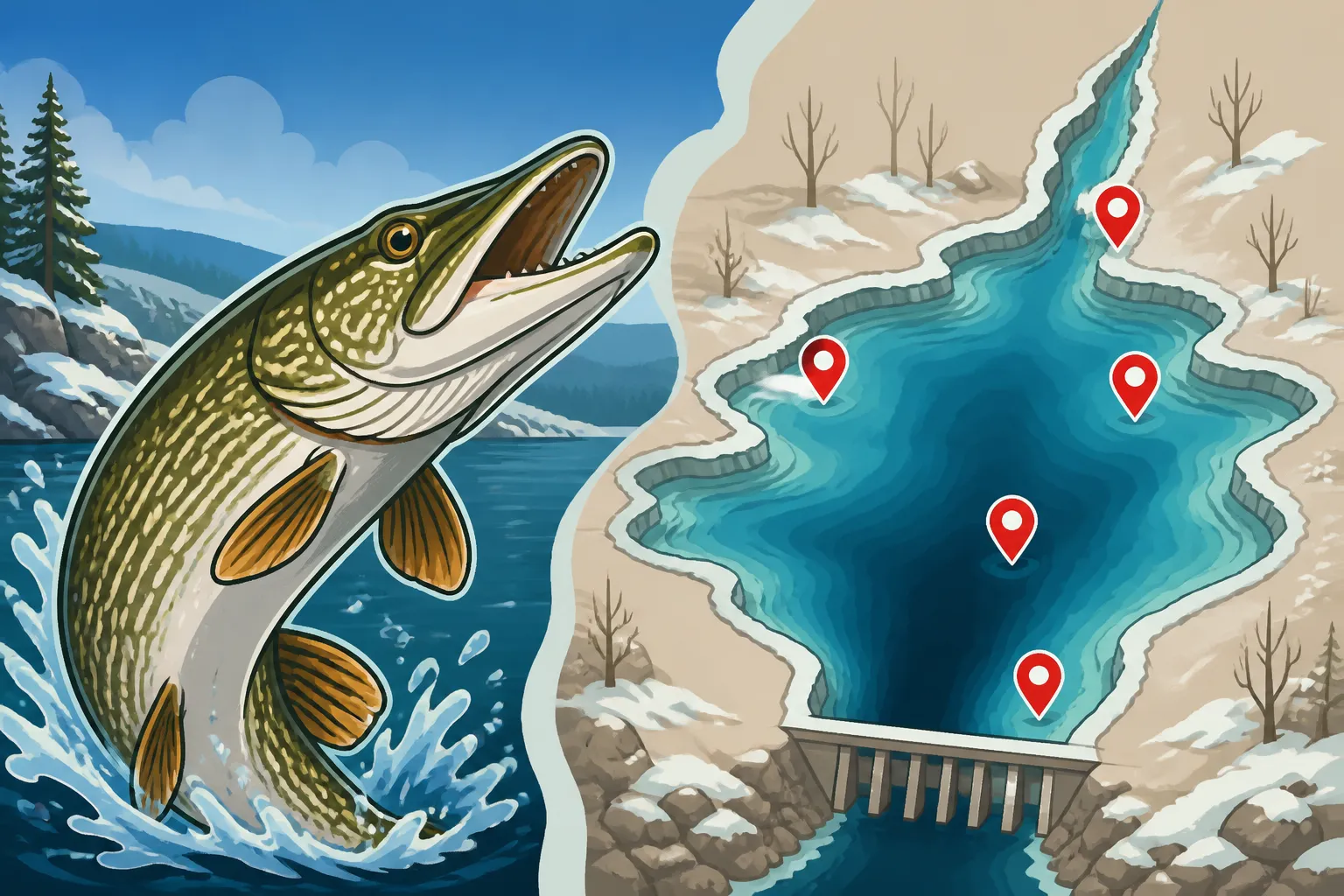
When you're out on the water, especially in a lesser-known pike fishery, it's crucial to be able to positively identify what you've caught. Northern Pike have a very distinctive look. They possess a long, cylindrical body, often dark green to olive on the back, fading to white on the belly, with lighter, bean-shaped spots along their sides. Their most striking feature is their large, duck-bill-shaped snout, armed with rows of incredibly sharp, needle-like teeth. The dorsal fin is set far back on their body, almost directly above the anal fin, which is a key differentiator from some other species.
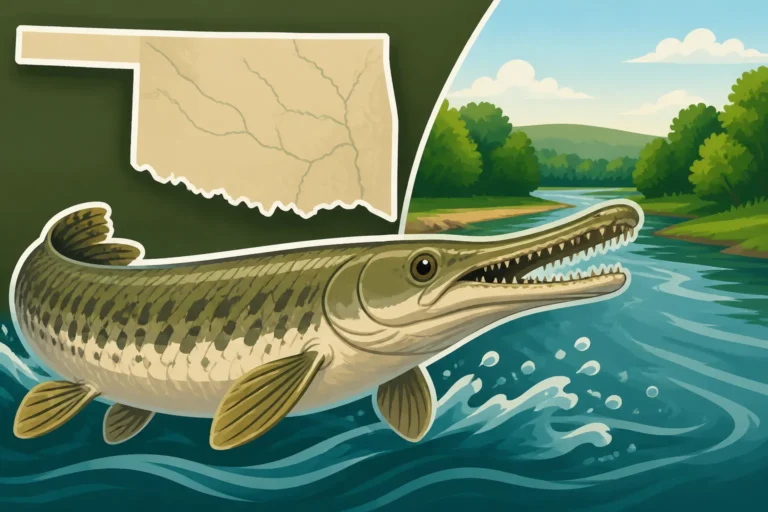
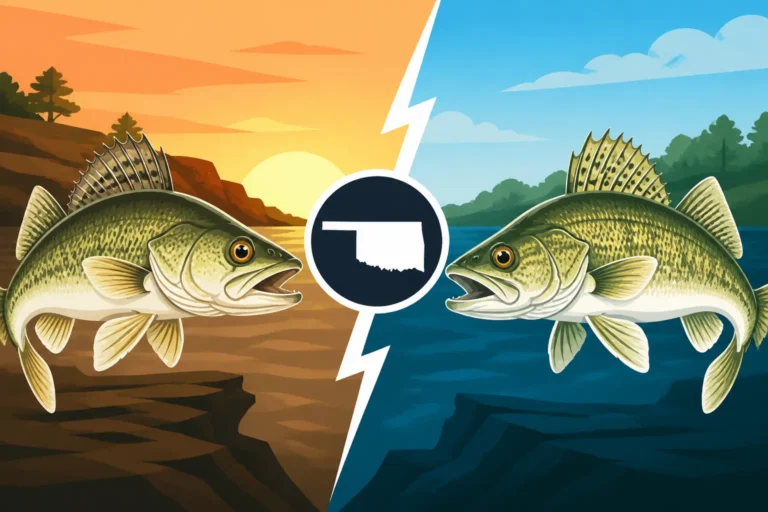
Sometimes, especially for anglers new to targeting pike, they can be confused with other fish, like the walleye, or even some types of gar. Walleye, while also predatory, have a more streamlined head and mouth, and their dorsal fins are much more prominent and separated, not set back like a pike's. Gar, of course, have an even more elongated, almost reptilian snout and a different body shape altogether. If you're curious about the subtle differences between these cold-water predators, our guide on Northern Pike vs Walleye: How to Tell Them Apart provides a fantastic breakdown to ensure you can confidently identify your catch. Knowing what you've got on the end of your line not only helps with proper handling but also ensures you're following any species-specific regulations.
Key Reservoirs Known for Northern Pike
When it comes to Northern Pike in Oklahoma, there's one location that stands out above all others. While the state's fishing reputation generally revolves around its many incredible bass, crappie, and catfish lakes, the quest for pike narrows the focus significantly to a very specific type of environment.
Lake Carl Etling: The Primary Pike Destination
If you're serious about catching Northern Pike in Oklahoma, your pilgrimage will almost certainly lead you to Lake Carl Etling. Tucked away in the far western panhandle, near Black Mesa State Park, this reservoir is truly unique. It’s one of the few places in Oklahoma where pike have been successfully introduced and maintained a population, thriving due to its cooler water temperatures and suitable habitat. This isn't your typical central Oklahoma reservoir; the environment here, while still distinctly Oklahoman, has enough of that northern cold-water feel for these fish to call it home.
The best times to target pike at Lake Carl Etling are generally during the cooler months, from late fall through early spring. During these periods, the water temperature aligns more closely with their preferences, making them more active and accessible. Focus your efforts around areas with submerged vegetation, even sparse patches that might persist in colder water, as these provide ambush points for these keen predators. Inlets and points where structure offers a break in the current or a change in depth can also be highly productive. Anglers often find success working the edges of drop-offs or around any remaining timber or brush piles. While you might not land a record-breaker every time, Lake Carl Etling consistently produces pike in the 20-30 inch range, with larger ones being a distinct possibility. It's a special spot, requiring a bit of a drive for most, but the reward of a hard-fighting pike makes the journey worthwhile.
Other Potential But Less Consistent Cold Reservoirs
While Lake Carl Etling is undoubtedly the superstar for Northern Pike in Oklahoma, the question often arises: are there any other cold reservoirs where an angler might encounter these elusive fish? The honest answer is that while rare, there could be occasional surprises in other parts of the state, but you shouldn't count on them. Pike require specific conditions, namely consistently cooler water and ample ambush cover, which are less prevalent in most of Oklahoma's warmer, often nutrient-rich lakes.
Historically, there might have been some limited stocking in other lakes, or a stray fish could have found its way into an unexpected body of water. However, these occurrences are isolated and don't represent a sustainable, targetable fishery like Carl Etling does. For instance, some of the deeper, clearer lakes in eastern Oklahoma, known for their smallmouth bass populations, might have pockets of cooler water, but they typically lack the extensive, weedy habitat that pike prefer. It's truly a needle-in-a-haystack scenario if you venture outside of the known pike stronghold. If you're looking for consistent fishing action, exploring general Best Fishing Spots in Oklahoma for more common species would be a better bet than banking on a random pike in an unconfirmed location. The focus for any serious pike angler in Oklahoma should remain primarily on Lake Carl Etling, as it offers the highest probability of success and the most reliable habitat. Every now and then, a local might report a unique catch from a less expected spot, but these are exceptions, not the rule.
Tactics for Targeting Pike in Cold Reservoirs
Once you've set your sights on a cold reservoir like Lake Carl Etling, knowing how to fish for Northern Pike is just as important as knowing where. These are aggressive, toothy predators, and your approach needs to be tailored to their specific habits and the gear required to handle them.
Essential Gear and Tackle
Tackling Northern Pike demands a robust setup. These fish are not only powerful fighters but their mouths are filled with razor-sharp teeth that can make short work of standard fishing line. For rods, you’ll want something with a medium-heavy to heavy action, typically in the 7 to 8-foot range. This provides the backbone needed to cast larger lures and control a feisty pike. Paired with this, a reliable baitcasting reel or a stout spinning reel spooled with 30-50 pound braided line is ideal. Braid offers superior strength and sensitivity, crucial for detecting subtle strikes and pulling fish from cover.
However, the most critical piece of tackle for pike is a wire leader. Without it, your line will be severed almost instantly upon a pike's strike. Fluorocarbon leaders of 80-100 pounds can sometimes suffice if very thick, but a multi-strand steel or titanium wire leader is truly the safest bet, ranging from 6 inches to a foot in length. As for lures, pike are visual predators and respond well to aggressive presentations. Large spoons (like Daredevils), spinnerbaits with big blades, jerkbaits, and even larger swimbaits are all excellent choices. Think bright, flashy, and substantial. Before you head out, I always recommend checking out your options. You can find a great selection of high-quality wire leaders, robust rods, and pike-specific lures on Amazon, making it convenient to gear up. For a more general overview of suitable equipment, our guide on Best Rods and Reels for Oklahoma Fishing can give you a starting point, but remember to upsize your gear specifically for pike. Don't forget long-nose pliers and a jaw spreader; these are absolutely essential for safe unhooking!
| Lure Type | Description | Ideal Conditions | Why it Works for Pike |
|---|---|---|---|
| Spoons | Metal, wobbling, reflective lures, often brightly colored. | Clear to slightly stained water, anytime, especially cold. | Mimics wounded baitfish with erratic, flashing action. |
| Spinnerbaits | Wireframe with one or more blades and a skirted hook. | Over and through submerged vegetation, stained water. | Creates vibration and flash, attracts aggressive strikes. |
| Jerkbaits | Hard plastic minnow-shaped lures, suspending or floating. | Clear water, twitch-and-pause retrieve, colder temps. | Emulates an injured baitfish, triggers reaction strikes. |
| Swimbaits | Realistic soft plastic or hard-bodied fish imitations. | Clear water, slower retrieves, targeting larger fish. | Closely mimics natural prey, entices wary big pike. |
Seasonal and Depth Considerations
When you're chasing Northern Pike in Oklahoma, understanding the seasonal movements and preferred depths is paramount. Unlike many warm-water species that get sluggish in the cold, pike are often most active when the water is cool or even downright cold. This means prime pike fishing typically occurs in the late fall, throughout the winter, and into the early spring. During the peak of summer, when Oklahoma's waters heat up, pike will often retreat to the deepest, coolest sections of the reservoir, becoming much harder to find and entice.
In those cooler months, focus your efforts on areas where there's a good transition from shallow to deep water. Look for drop-offs, points that extend into the main channel, and submerged humps. Pike will often patrol these areas, ambushing baitfish moving between different depths. Don't shy away from fishing in deeper sections, sometimes 15-30 feet or more, especially on sunny winter days when they might move up the water column slightly but still remain near cold-water refuges. Even in cold water, active fish still need to eat, and understanding How Water Temperature Affects Fish Feeding Habits is a game-changer. Our state’s guide on Best Time of Year to Fish in Oklahoma can help you align your pike trips with the best overall fishing conditions, though remember pike have their own specific preferences within those broader seasons. When the water gets really cold, a slow, methodical retrieve with a suspending jerkbait or a heavy spoon can be incredibly effective, allowing the lure to linger in the strike zone longer.
Reading the Water for Pike
Finding Northern Pike isn't just about showing up at the right lake; it's about understanding the subtle cues the water gives you. Pike are ambush predators, so they're always looking for structure and cover to hide in, from which they can launch their attacks. In cold reservoirs, this often means focusing on clear water, as pike rely heavily on their sight to hunt.
Look for areas with any remaining aquatic vegetation, even if it's sparse or slightly submerged due to cooler temperatures. Weed lines, submerged grass beds, and even large brush piles or standing timber are prime real estate for pike. Points and coves that have sharp depth changes or rock piles can also hold fish. Pay attention to how the wind is affecting the water; sometimes, a windy bank will push baitfish into a certain area, and where the baitfish go, the pike will follow. Using a good fish finder can be invaluable here. It helps you identify those subtle depth changes, submerged timber, or even schools of baitfish that might indicate pike activity. Investing in a quality unit is a smart move; our article Fish Finder Features That Matter Most on Oklahoma Reservoirs can help you choose the right one. Before you launch your boat, take a moment to scan the shorelines for obvious ambush points and then use your electronics to map out underwater structure. A methodical approach, covering likely pike haunts thoroughly, will significantly increase your chances of success.
Safety and Conservation When Pike Fishing
Hooking into a Northern Pike in Oklahoma is an exciting moment, but it's important to remember that these fish are not only powerful but also quite delicate, despite their fierce appearance. Responsible angling is crucial, especially for a species that isn't widespread in our state.
Handling Pike Safely
The first thing to remember when handling a pike is its mouth. Those needle-sharp teeth are designed for gripping prey and can inflict a nasty wound if you're not careful. Never reach into a pike's mouth with your bare hands. Always have a pair of long-nose pliers and a jaw spreader readily available. A jaw spreader can be inserted to prop open their mouth, giving you safe access to remove the hook without risking your fingers. Using heavy-duty, fish-handling gloves is also a wise precaution.
When you bring a pike to the boat or shore, try to minimize the time it spends out of the water. If possible, unhook it while it's still in the water, especially if you're practicing catch and release. If you must bring it aboard, cradle the fish horizontally, supporting its full body weight, rather than holding it vertically by the jaw or gill plates, which can cause internal injury. Be gentle but firm. After hook removal, quickly get a photo if desired, and then gently release the fish, ensuring it swims away strongly. Before heading out, a quick browse on Amazon for some heavy-duty pliers or a good jaw spreader can save you a lot of hassle and pain in the long run.
Pike Conservation in Oklahoma
Given that Northern Pike are not native to most of Oklahoma and exist in very limited, specialized fisheries like Lake Carl Etling, conservation is key. These populations are often maintained through stocking efforts, and every fish is valuable to the continuation of the fishery. Practicing catch and release, particularly for larger fish, helps ensure a healthy breeding stock and allows other anglers to experience the thrill of catching these magnificent predators. While bag limits exist for various species, for pike in Oklahoma, the true reward often lies in the catch itself rather than keeping the fish.
By minimizing stress during the fight, practicing quick and careful handling, and ensuring a healthy release, you contribute directly to the sustainability of this unique Oklahoma fishing opportunity. It's about respecting the fish and the resource, ensuring that future generations of anglers can also enjoy the challenge and excitement of pursuing Northern Pike in our cold reservoirs. Be mindful of any specific regulations that might apply to pike at Lake Carl Etling or other potential waters, as these can change. Your responsible actions help preserve this special angling experience.
Disclaimer
This article is for general informational purposes only and does not constitute professional advice. Laws, prices and regulations vary by location and change over time. Consult a qualified professional for guidance on your specific situation.