Building a Fishing Trip Around License and Bag Limit Rules
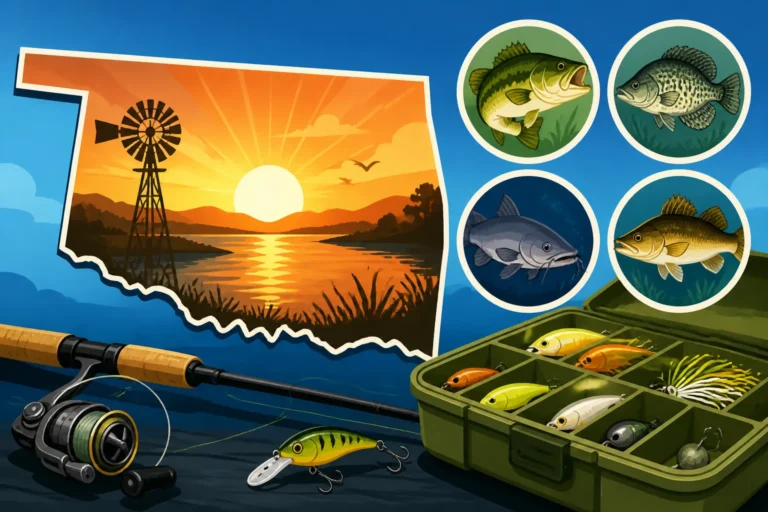
It's incredibly frustrating, isn't it? You get all hyped up for a fishing trip to your favorite Oklahoma lake, bait's ready, gear's packed, and then a nagging thought creeps in: "Do I actually have the right license for this, and what are the rules for keeping fish here?" Nobody wants to be caught off guard by a game warden, or worse, unintentionally break a rule. This guide is all about cutting through that confusion, helping you confidently plan your next Oklahoma fishing adventure with all the license and bag limit rules firmly in your tackle box.
Understanding Your Oklahoma Fishing License Requirements
Before you even think about what lure to tie on, the very first step in planning any legal and enjoyable fishing trip in Oklahoma is making sure your license is in order. It might seem like a no-brainer, but the nuances can trip up even seasoned anglers.
Who Needs a License and What Kind?
Generally speaking, if you're 16 years old or older and you're not a resident 65 or older (who might qualify for a special lifetime license), you'll need a valid Oklahoma fishing license. This isn't just a piece of paper; it's your ticket to enjoying our state's incredible waterways. For Oklahoma residents, there are annual licenses that cover you for a full year from the date of purchase, or if you're just looking for a quick outing, a 1-day option might be the way to go. Non-residents have similar choices, though the prices are, understandably, a bit higher.
It's crucial to understand these distinctions. For instance, a quick trip to Lake Texoma for a long weekend from out of state will require a nonresident license, and possibly even a special Lake Texoma license if you plan to fish specific areas of the lake that straddle the Oklahoma-Texas border. Don't assume your home state license will cut it here; Oklahoma has its own distinct requirements. If you're unsure about the specifics, diving into resources like our guide on Oklahoma Fishing License Costs and Types can be a huge help.
How to Obtain and Carry Your License
Getting your license is easier than ever these days. You can purchase them directly from the Oklahoma Department of Wildlife Conservation (ODWC) website, through their mobile app, or at numerous license vendors across the state, including local sporting goods stores or even some Walmart locations. Personally, I always recommend the online route if you have access; it's quick, you can print it right away, or save a digital copy to your phone. Just make sure your phone is charged and protected in a waterproof case if you're relying on a digital version out on the water! You don't want to get out to a remote spot and realize your battery is dead, or worse, your phone took an unexpected swim. When you're ready to buy, our step-by-step instructions on How to Get a Fishing License in Oklahoma will walk you through the process.
For those considering a long-term commitment, especially our elder anglers, looking into options like the Oklahoma's Senior Fishing License Guide can reveal significant savings with lifetime licenses for eligible residents. And let's not forget the kids! While younger anglers might be exempt, knowing the Fishing License Rules for Kids and Nonresidents in Oklahoma is vital to avoid any surprises, especially if you're bringing along friends or family from out of state. It's truly a bummer to have to cut a trip short or face fines because you overlooked a simple license requirement. Speaking of which, being informed about Penalties for Fishing Without a License in Oklahoma really drives home the importance of being prepared.
Navigating Oklahoma's Species-Specific Bag Limits
Okay, so you've got your license. Excellent! Now comes the fun part: what can you actually keep? This is where many anglers, even experienced ones, can get a little mixed up. Oklahoma has statewide bag limits for popular game fish, but these aren't always set in stone across every single body of water.
Understanding Statewide Limits
The Oklahoma Department of Wildlife Conservation sets daily limits for various species to ensure sustainable fish populations. For instance, if you're chasing bass, there's a specific number you can keep in a day, and often, there are length restrictions too. The same goes for crappie and catfish, which are incredibly popular targets here. These statewide limits are generally quite generous and allow anglers to take home a good dinner while still protecting the fishery for future generations.
It's not just about the number of fish, but also their size. For example, our Oklahoma's Bass Fishing Rules and Limits often include slot limits or minimum length requirements. You might be able to keep a certain number of bass, but only one of them can be over a specific length, or none within a certain size range. These rules are put in place by biologists who study our lakes and rivers closely, trying to find the sweet spot between angler enjoyment and fish conservation. It pays to know these details before you head out, so you're not guessing at the weigh-in or, even worse, releasing a fish you could have legally kept.
Bag Limits for Crappie and Catfish
Crappie fishing is a huge pastime in Oklahoma, and for good reason—they're delicious! The statewide limit for crappie is quite generous, encompassing both black and white crappie. However, like bass, these fish often have length requirements. A similar story plays out for catfish. Our waters are teeming with blue, channel, and flathead catfish, each with its own specific rules. For a detailed breakdown of what you can keep, our guides like Crappie Fishing Rules and Limits in Oklahoma and Oklahoma's Catfish Fishing Rules and Limits are indispensable resources.
It's common to see folks fishing for dinner, and having a clear understanding of these limits prevents any unintended violations. Imagine catching a cooler full of beautiful catfish only to realize you accidentally kept too many blue cats over 30 inches, which has a stricter rule! A quick check of the regulations beforehand saves a lot of headaches later on. Knowing these numbers means you can fish confidently, knowing you're doing your part to keep our fisheries healthy.
The Importance of Locality: Special Lake Regulations
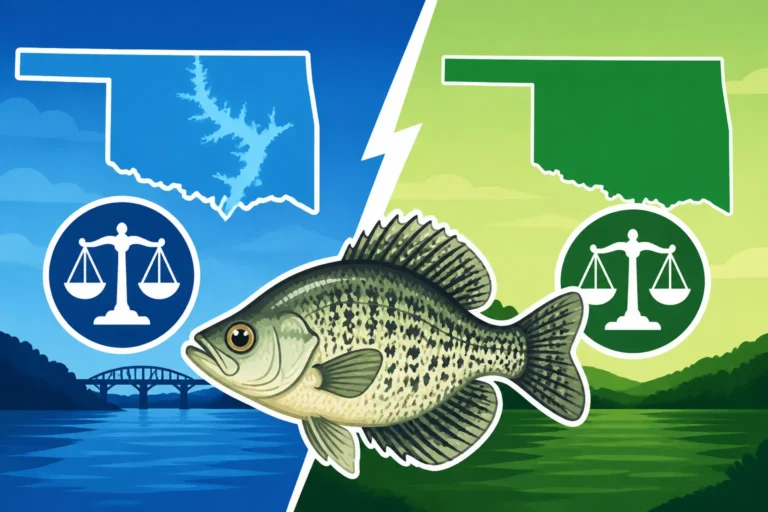
Here's where things can get a little tricky, and it’s arguably the most important detail to remember when building your fishing trip. While statewide bag limits provide a baseline, many of Oklahoma's major lakes and river systems have their own specific regulations that supersede the general rules. Ignoring these can lead to fines, embarrassment, and a spoiled trip.
When Statewide Rules Don't Apply
Think of it like this: the statewide limits are the general highway speed limit, but certain roads (our lakes) might have lower, specific limits due to unique conditions or conservation efforts. For example, several popular crappie lakes in Oklahoma, such as Lake Tenkiller, Lake Arbuckle, and Fort Gibson Lake, have stricter crappie limits, often including a 10-inch minimum length and a reduced daily creel limit compared to the statewide number. This is usually done to protect specific populations or promote bigger fish in those particular bodies of water. Our article, Stricter Crappie Limits at Six Oklahoma Lakes, goes into detail about these specific spots.
It’s not just crappie, either. Some lakes might have different bass limits, or even unique regulations for other species. This is why a quick search for "[Lake Name] fishing regulations Oklahoma" is an absolute must before you launch your boat or cast from the bank. The ODWC website is always the most accurate and up-to-date source for these hyper-local rules. You can find their official fishing guide there, which is updated annually.
Why Local Rules Exist
These localized regulations aren't just there to make your life harder; they're critical conservation tools. Biologists monitor fish populations in each lake, looking at things like spawning success, growth rates, and angler pressure. If a lake is experiencing heavy fishing pressure on a particular species, or if that species isn't reproducing as well, they might implement a stricter limit to give the fish a better chance to thrive. This proactive management ensures that we all have great fishing opportunities for years to come.
Imagine planning a trip to Tenkiller Ferry Lake, known for its beautiful crappie, without knowing about its 10-inch minimum length and reduced bag limit. You could easily find yourself keeping fish that are perfectly legal statewide but illegal on that particular lake. That's why it's so important to consult the regulations for your chosen destination. Understanding Why Bag Limits Change From Lake to Lake can give you a deeper appreciation for these tailored approaches to fisheries management.
To help visualize some common differences, here's a quick comparison of statewide vs. selected lake limits:
| Species | Statewide Daily Limit | Statewide Length Limit | Example Lake | Lake-Specific Daily Limit | Lake-Specific Length Limit |
|---|---|---|---|---|---|
| Bass | 6 (Largemouth, Smallmouth, Spotted) | One over 16 inches (some areas differ) | Skiatook Lake | 6 (Largemouth, Smallmouth, Spotted) | One over 16 inches |
| Crappie | 37 (Black & White combined) | No minimum length | Lake Tenkiller | 15 (Black & White combined) | 10-inch minimum length |
| Catfish | 15 (Blue & Channel combined) | Only one Blue Catfish over 30 inches | Lake Texoma | 15 (Blue & Channel combined) | Only one Blue Catfish over 30 inches |
Note: This table provides general examples. Always check the current ODWC regulations for the most up-to-date and specific information for your chosen fishing spot.
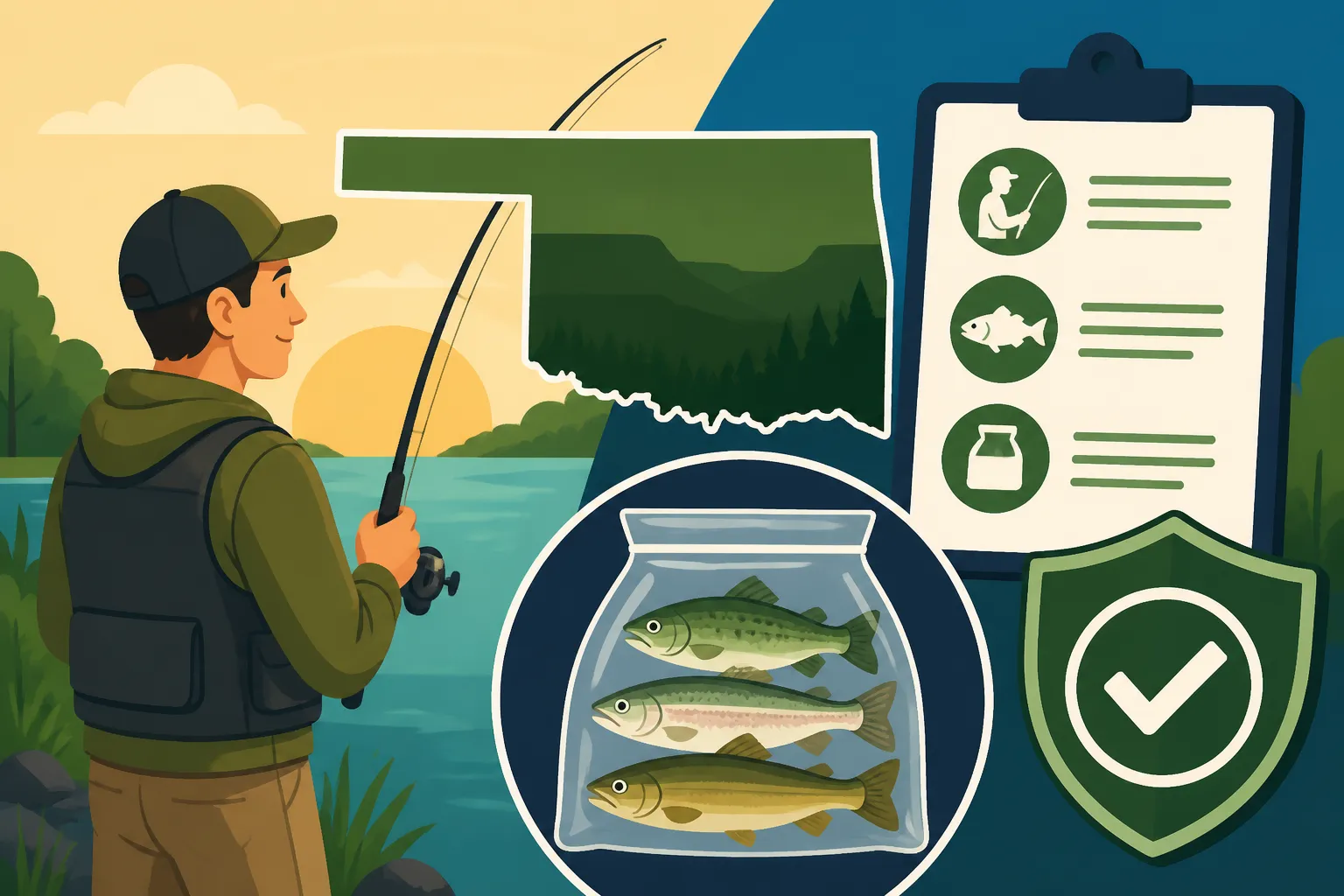
Integrating Rules into Your Trip Planning: A Pre-Trip Checklist
Now that we've covered the individual components, let's talk about how to weave all this knowledge into a seamless pre-trip routine. No one wants their fishing day marred by uncertainty or, heaven forbid, a run-in with a game warden. A little preparation goes a long way to ensure a stress-free and successful outing.
Your Pre-Launch License Check
Before you even load the boat or head to the bank, make it a habit to confirm your license is current and valid. If you bought an annual license, know its expiration date. A simple calendar reminder on your phone can save you a lot of grief. If you're a non-resident, consider the duration of your stay. Is an annual license more cost-effective than multiple 1-day licenses? These are small considerations that make a big difference. Many anglers keep a physical copy of their license in their tackle box, right next to their favorite lures. For digital copies, a screenshot saved to your phone's photo library (in case of no signal) or a dedicated app can be a lifesaver. You can even find waterproof cases on Amazon for your phone, ensuring your digital license stays safe and accessible.
It’s also smart to double-check if any special endorsements are required for the type of fishing you plan to do, although for general rod-and-reel fishing, the basic annual or 1-day license usually covers it. For instance, if you're planning a unique trip like paddlefish snagging on Grand Lake O' the Cherokees, you'll need specific endorsements and be aware of distinct seasons. Always review the main Fishing Regulations You Need to Know in Oklahoma to cover all your bases.
Destination-Specific Bag Limit Review
This is the big one. Once you've picked your lake or river, make it a non-negotiable step to look up its specific regulations. Don't rely on memory from last year, or assume that what applied to Lake Eufaula will apply to Lake Murray. As discussed, local regulations can and do change. The ODWC's online fishing guide is your best friend here. It's usually a downloadable PDF that you can save to your phone or tablet, so you have it even if you lose signal on the water.
Pay close attention to the species you intend to target. If you're going for crappie, search for "crappie limits [lake name]." If it's bass, do the same. Note not only the daily bag limit but also any minimum or maximum length limits. Having a small, flexible measuring tape, or even a ruler marked on your cooler lid, is incredibly useful for on-the-spot verification. If you're buying a new tackle box or cooler, consider checking Amazon for options that might even come with integrated rulers or measurement guides.
Preparing Your Gear and Mindset
Beyond the legalities, a well-planned trip involves having the right gear and a responsible mindset. Make sure your measuring devices are accurate and easily accessible. Consider downloading a fishing app that might include regulation summaries, though always cross-reference with the official ODWC guide. Pack a small, waterproof notebook and pen if you prefer jotting down rules or notes.
Most importantly, approach every trip with respect for the rules and the resource. Game wardens are out there to protect our fisheries and ensure fair access for everyone, not just to hand out tickets. Being knowledgeable and prepared shows respect for their efforts and the environment. Creating a personal License and Limit Checklist Before an Oklahoma Fishing Trip can become a valuable routine, ensuring every outing is legal, responsible, and most importantly, fun! You'll be able to enjoy the peace of the water, the thrill of the catch, and the satisfaction of knowing you did everything right.
Disclaimer
Please note that fishing regulations can change. While this guide provides comprehensive information, it is always the angler's responsibility to consult the most current Oklahoma Department of Wildlife Conservation (ODWC) regulations before heading out to fish. The information presented here is for general guidance and educational purposes only.