Texoma’s Crappie Rules Compared to the Statewide Limit
Oh, the joy and confusion of fishing regulations! You've packed your gear, driven all the way to beautiful Lake Texoma, only to realize the crappie rules you memorized for your local pond don't quite apply here. It's a common frustration, and honestly, it's enough to make anyone scratch their head. This guide is going to clear up that murky water, comparing Lake Texoma's crappie rules directly against the statewide limits so you can fish with confidence and stay on the right side of the law.
Understanding Oklahoma's Statewide Crappie Limit
Let's start with the basics, what most of us learn first. Across much of Oklahoma, the regulations for crappie fishing are pretty consistent. The Oklahoma Department of Wildlife Conservation (ODWC) sets these rules to ensure healthy fish populations for everyone, from seasoned pros to kids just learning to cast a line.
The Standard Daily Bag Limit
For most lakes and rivers in Oklahoma, the statewide crappie bag limit is 37 fish per person per day. This means that once you’ve caught 37 crappie, no matter how small or large (unless there's a specific length limit at that particular body of water), you need to stop fishing for crappie for the day. It's a generous limit, designed to give anglers plenty of action while still protecting the overall crappie population. It’s important to remember that this limit applies to your possession as well; you can't have more than 37 crappie from a single day's fishing trip in your cooler or livewell. If you're wondering, "How Many Crappie You Can Keep in Oklahoma" typically refers to this 37-fish limit.
Black and White Crappie Counted Together
One crucial detail often missed by newer anglers is that this 37-fish limit isn't just for one type of crappie. Oklahoma's regulations explicitly state that both black crappie and white crappie are counted together toward that daily total. So, if you catch 20 black crappie and then 18 white crappie, you've gone over the limit by one! It’s not about keeping 37 of each; it's about the combined total. Understanding that these species are lumped together is key to adhering to the statewide limit. You can delve deeper into how these are managed in the guide, "Black and White Crappie Counted Together."
No Statewide Size Restrictions
Another point of difference to keep in mind is that for most of Oklahoma's waters, there isn't a statewide minimum length limit for crappie. You can keep those smaller "dinks" if you want, as long as you're within your 37-fish daily bag limit. This flexibility is great for folks who just want to fill a cooler for a fish fry without worrying about complicated measuring. However, this is precisely where popular lakes like Texoma often diverge, which is why it's so important to check local rules before you head out. In fact, you might want to review "Crappie Fishing Rules and Limits in Oklahoma" for a broader understanding of statewide guidelines.
The Unique Crappie Regulations at Lake Texoma
Now, let's talk about Lake Texoma. This sprawling body of water, shared by Oklahoma and Texas, is a true fishing paradise. But because it crosses state lines, and because it supports an incredibly robust crappie fishery, it has its own set of rules. These rules are put in place through joint management efforts by the Oklahoma Department of Wildlife Conservation and the Texas Parks and Wildlife Department to ensure the long-term health and productivity of the lake's crappie population.
Texoma's Daily Bag Limit and Size Restrictions
Lake Texoma, unlike most other Oklahoma lakes, has a more restrictive crappie limit. Here, the daily bag limit is 25 crappie per person. This is a significant reduction from the statewide 37 and is specifically designed to manage the high fishing pressure and ensure the crappie population remains robust in such a popular destination.
But it doesn't stop there. Texoma also implements a minimum length limit: all crappie you keep must be at least 10 inches long. This 10-inch minimum length is crucial for allowing crappie to reach reproductive age and contribute to future generations. So, if you catch a crappie that measures 9 ¾ inches, it needs to go back into the water, even if it feels like a nice keeper. It's all about balancing angler enjoyment with ecological sustainability. For specific details about fishing on this border lake, you can check out "Crappie Fishing at Lake Texoma on the Oklahoma Side."
Why Texoma Has Different Rules
You might wonder why Texoma gets special treatment. The reason boils down to a few factors. First, its status as an interstate lake means both Oklahoma and Texas have a hand in managing its fisheries. They collaborate to create consistent regulations that protect the shared resource. Second, Lake Texoma is a premier fishing destination, famous for its crappie, bass, and striped bass. This popularity means it sees immense fishing pressure. Without stricter regulations like the 25-fish, 10-inch minimum, the crappie population could quickly become overfished, diminishing the quality of fishing for everyone. Finally, these rules are often the result of extensive biological surveys and research, determining what limits best support a healthy and thriving crappie fishery in that specific ecosystem. The ODWC and TPWD are constantly monitoring these things. This isn't just about making things complicated; it's about smart, science-based conservation.
Navigating the Differences: What Anglers Need to Know
Moving between different fishing spots in Oklahoma can feel like navigating a maze of regulations. One lake has this rule, another has that rule, and then you cross a state line, and everything changes again. It’s definitely a learning curve, but knowing these differences is what makes you a responsible and successful angler.
Direct Comparison of Limits
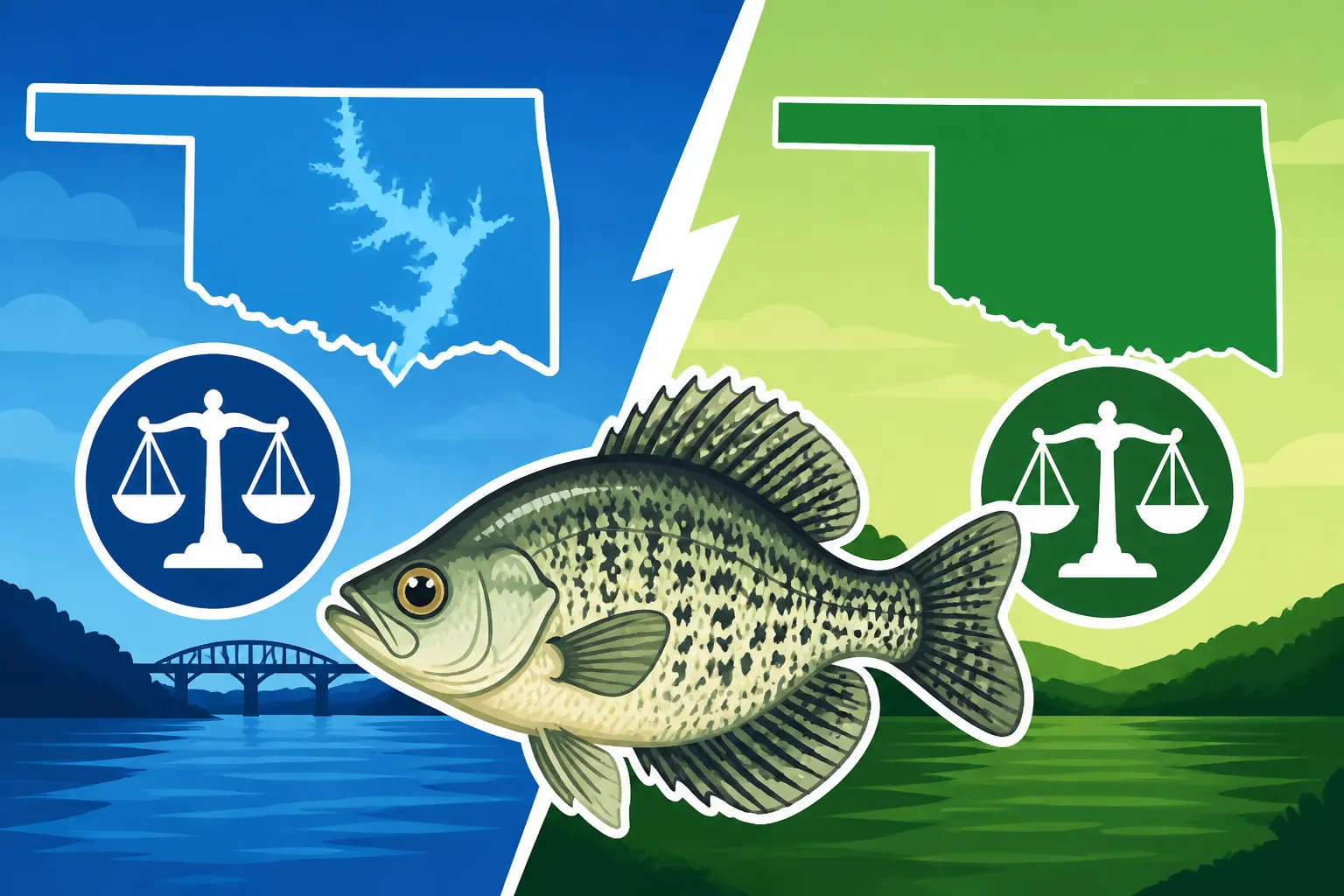
To really hammer home the differences, let's look at them side-by-side. This table should make it super clear:
| Regulation Aspect | Oklahoma Statewide Limit (Most Waters) | Lake Texoma Specific Limit |
|---|---|---|
| Daily Bag Limit | 37 Crappie | 25 Crappie |
| Minimum Length | None (most waters) | 10 Inches |
| Species Counted | Black and White Crappie combined | Black and White Crappie combined |
| Management | ODWC Statewide | ODWC & TPWD Joint Management |
As you can see, the differences are stark. Anglers need to be acutely aware of which body of water they are fishing, especially when on border lakes like Texoma. It's not uncommon for anglers to accidentally violate rules simply because they assumed the statewide regulations applied everywhere.
Practical Advice for Fishing Texoma
So, what does this mean for your crappie trip to Lake Texoma? It means you need to be prepared. Before you even head out, take a moment to double-check the current regulations. The ODWC website is always your best friend for this. You can also swing by a local bait shop; those folks are usually a treasure trove of up-to-date information and local nuances.
When you're out on the water, having a reliable measuring device is non-negotiable. Forget the guesswork; you need to know exactly if your crappie meets that 10-inch minimum. You can find convenient, easy-to-read fish rulers and measuring boards on sites like Amazon that attach right to your boat or tackle box. This way, every fish you catch can be measured quickly and accurately, ensuring you only keep legal fish. Don't forget that if you are fishing other lakes with special rules, such as those with a 10-inch crappie minimum like Tenkiller, you'd apply the same diligence. The article "Stricter Crappie Limits at Six Oklahoma Lakes" provides more context on where these special rules apply.
Avoiding Common Mistakes
One of the most common mistakes is simply forgetting. You get into a good bite, the crappie are hitting, and you just start throwing them in the livewell. Before you know it, you might have too many or too many undersized fish. Always count your keepers and measure every fish, especially if you're not used to a minimum length limit. Another mistake is assuming that because you have an Oklahoma license, all Oklahoma rules apply, even on Texoma's Texas side. While the agencies work together, it's always wise to be familiar with the regulations for the specific state waters you are in. You might be interested in "Does Every Oklahoma Lake Follow the Same Crappie Limit?" for a broader look at varying regulations across the state.
Tips for a Successful Crappie Trip on Lake Texoma
Fishing Lake Texoma for crappie is an absolute blast, especially once you've got the regulations down. The lake is known for producing some fantastic crappie, and understanding the nuances of these specific rules can actually make you a more focused and effective angler.
Adapting Your Technique to the Rules
The 10-inch minimum size limit on Texoma might influence your fishing approach. Instead of just trying to catch as many crappie as possible, you might focus on techniques and locations that tend to produce larger fish. This could mean targeting deeper brush piles, submerged timber, or ledges where bigger crappie often hold. You might even switch up your bait or lure size to naturally select for larger fish. Many anglers find that larger minnows or slightly bigger jigs can help deter the smaller crappie, increasing your chances of landing those legal-sized slabs.
Consider the time of year, too. During the spring spawn, crappie often move shallow, making them easier to catch, but you might encounter a higher proportion of smaller fish. During the colder months, they tend to school up in deeper water, which can be fantastic for finding concentrations of larger, keeper-sized crappie. Investing in a good fish finder, perhaps one you scouted on Amazon, can be invaluable for locating these deeper schools and structures where the bigger fish lurk.
Being a Responsible Angler on Texoma
Beyond just following the rules, being a responsible angler on Texoma means practicing good catch-and-release, especially for those undersized crappie. Handle them gently, minimize their time out of water, and release them quickly so they can grow and contribute to the fishery. Using barbless hooks or crushing the barbs on your jigs can also help reduce harm to released fish. It's not just about staying out of trouble; it's about doing your part to ensure that Lake Texoma remains a premier crappie fishing destination for years to come. Remember, the goal of these regulations is conservation, and our actions as anglers directly impact the future of the fishery. Always respect the limits and the fish. If you're planning a multi-species trip or just need a refresher on general limits, the guide "Oklahoma's Bag Limit Rules by Species" can be very helpful.
Gear and Resources
Having the right gear makes all the difference when you're trying to hit those specific Texoma crappie regulations. A good measuring board, like those durable plastic ones readily available on Amazon, is a must-have. Keep it easily accessible in your boat or tackle bag. Beyond that, consider a reliable pair of fish scales if you want to track weights, and maybe even a cooler dedicated to your legal catch, separate from your bait or lunch. Knowing your limits, quite literally, is the first step to a successful and stress-free fishing adventure on Lake Texoma! And always, always consult the current ODWC regulations guide or app before you head out, as rules can occasionally change.
Disclaimer
Always consult the official Oklahoma Department of Wildlife Conservation (ODWC) regulations before fishing, as rules and limits can change. This guide provides general information and should not be considered a substitute for the official regulations.