Fort Gibson Lake’s 15-Fish Crappie Limit
It can be incredibly frustrating to head out for a fantastic day of crappie fishing, only to realize you're unsure about the specific rules for the lake you're on. Bag limits and size restrictions can vary wildly from one body of water to another in Oklahoma, making it a real headache to stay legal. If you're planning a trip to Fort Gibson Lake with visions of a cooler full of delicious crappie, you're in the right place. This guide will meticulously break down the exact crappie limits for Fort Gibson, helping you fish with confidence and avoid any unwanted surprises.
Understanding Fort Gibson Lake's Unique Crappie Limit
Oklahoma is blessed with an abundance of fantastic crappie fisheries, and Fort Gibson Lake stands out as a true gem for many anglers. However, what makes it unique in some ways are its specific regulations designed to keep the fishery healthy and productive. It’s not a one-size-fits-all situation across the state, and knowing these nuances is key.
The Specific 15-Fish Daily Bag Limit at Fort Gibson
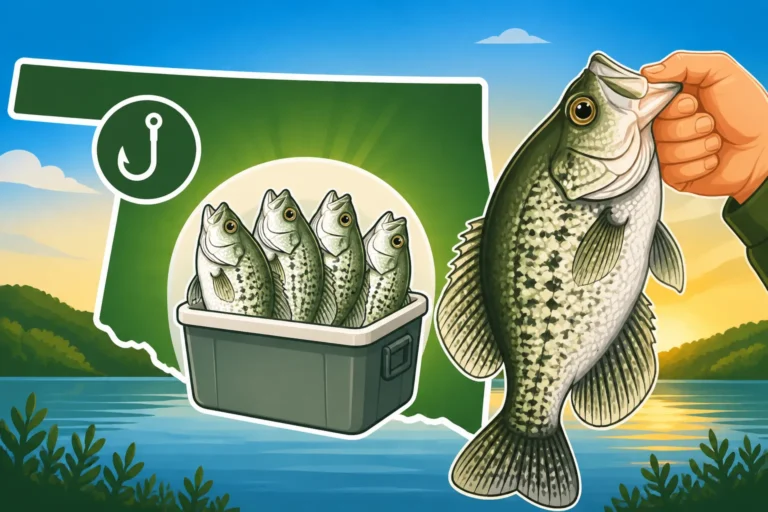
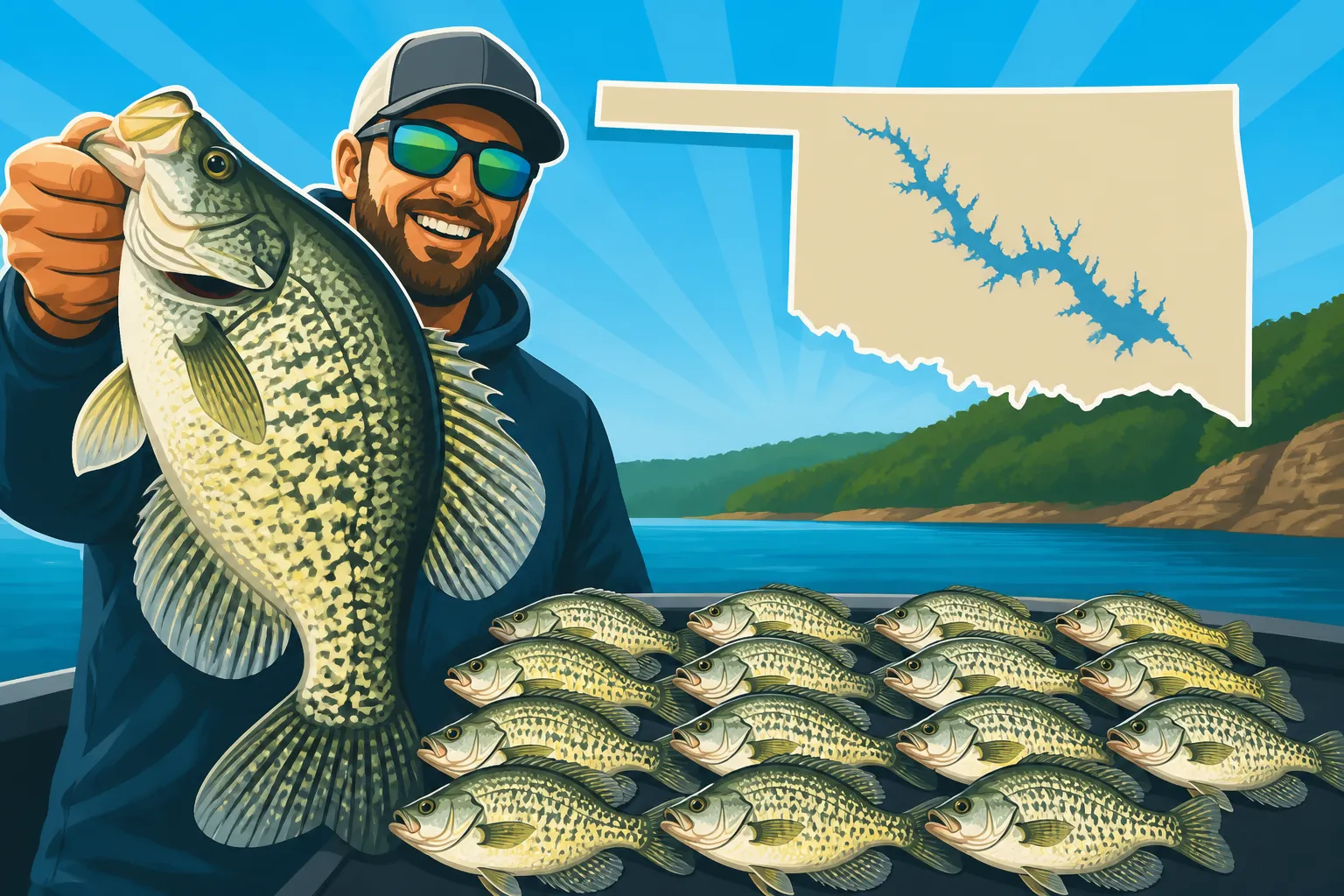
When you're out on Fort Gibson Lake, whether you're chasing those speckled slabs from a boat or enjoying some quiet time from the bank, you need to remember the daily crappie bag limit: 15 fish per person. This is a hard number, and it means that once you've kept fifteen crappie, regardless of their size, your crappie fishing for the day is done. It doesn't matter if you caught them all in the first hour or painstakingly picked them up throughout the day – that's your cap.
This specific limit often comes as a surprise to anglers accustomed to the more generous statewide crappie bag limit, which currently sits at a whopping 37 fish. You might be used to filling a cooler to the brim on other lakes, but Fort Gibson asks for a bit more restraint. The reasoning behind this is almost always rooted in local fisheries management, aiming to distribute the catch among more anglers and ensure a sustainable population for future generations of fishing enthusiasts. It's a prime example of why you can't just assume the rules are the same everywhere; always check the specific lake regulations before you cast your first line.
Imagine you've hit a hot spot near a brush pile or a submerged timber line on a crisp spring morning, and the crappie are practically jumping into the boat. It's exhilarating! But in that excitement, it’s easy to lose track. You reel in one after another, beautiful Black Crappie and White Crappie alike. Suddenly, you realize you've got a stringer full, and a quick count reveals you're at 16 or 17. At that point, you're technically over the limit, and if a game warden happens by, you could be facing a citation. It’s always a good practice to keep a mental (or even written) tally, especially on lakes with more restrictive limits. A small hand clicker or simply keeping your crappie separated until you clean them can help you stay compliant.
No Minimum Size Limit at Fort Gibson Lake
Another crucial detail that sets Fort Gibson Lake apart for crappie anglers is the absence of a minimum size limit. While many popular crappie lakes in Oklahoma, such as Lake Tenkiller or Lake Hudson, enforce a strict 10-inch minimum size, you won't find that restriction here. This means that if you catch a crappie, no matter how small, it counts towards your 15-fish daily bag limit.
This lack of a size limit offers a different kind of flexibility for anglers. Some folks really enjoy catching and keeping the "plate-sized" crappie, those delicious smaller fish that are perfect for a quick meal. On lakes with a 10-inch minimum, these smaller fish would have to be released, even if they were hooked deeply. At Fort Gibson, if you want to keep those tasty 8-inch crappie, you absolutely can, as long as you don't exceed your 15-fish total.
However, this also means anglers need to exercise personal responsibility and conservation-minded thinking. Just because you can keep every crappie doesn't always mean you should. Many experienced anglers still choose to release smaller crappie, allowing them to grow into larger fish that contribute more to the breeding population. It's a personal choice, but understanding that there's no legal obligation to measure them can change your fishing strategy. This flexibility is particularly appealing to families with children, as they can enjoy the excitement of catching and keeping more fish without the added complication of constant measuring, assuming they stay within the 15-fish bag limit.
Why Special Regulations Exist for Fort Gibson Crappie
It’s easy to sometimes feel like regulations are put in place just to make our lives harder, but there’s always a method to the madness, especially when it comes to wildlife management. The specific 15-fish crappie limit at Fort Gibson Lake isn't arbitrary; it's a carefully considered decision rooted in science and a desire to maintain a thriving fishery.
Protecting and Managing Fort Gibson's Crappie Population
The Oklahoma Department of Wildlife Conservation (ODWC) is the authority responsible for these decisions. Their fisheries biologists are constantly monitoring the health of fish populations in lakes like Fort Gibson. This involves conducting surveys, assessing spawning success, analyzing angler catch rates, and studying the overall age and size structure of the crappie population. When they implement a special regulation like a reduced bag limit, it’s typically because they've identified a need to protect the crappie population from overharvest or to allow specific year classes of fish to mature.
For instance, if surveys indicate that a particular year's spawn was not as strong, or if there's significant fishing pressure leading to a decline in larger, breeding-size crappie, a reduced bag limit can act as a crucial management tool. It helps spread the catch out among more anglers and ensures enough fish remain in the lake to reproduce successfully. It’s all about balance – providing ample opportunity for anglers to enjoy the sport while safeguarding the future of the fishery. Understanding the "why" behind these rules often helps anglers appreciate their importance and feel more connected to the conservation effort. The ODWC relies on data, and sometimes, even angler reports about dwindling catches can factor into these important decisions.
Comparing Fort Gibson's Rules to Other Oklahoma Lakes
Fort Gibson Lake is certainly not alone in having unique crappie regulations. In fact, many of Oklahoma's premier crappie destinations have their own sets of rules, which can make planning a multi-lake fishing trip quite the logistical puzzle. This highlights the importance of checking each lake's specific guidelines before you go. For example, if you fish Lake Tenkiller regularly, you're accustomed to a 10-inch minimum length limit for crappie, on top of a 15-fish daily bag limit. Similarly, places like Lake Arbuckle and Hudson Lake also impose that 10-inch minimum, meaning any crappie caught under that size must be immediately released, regardless of how healthy they look.
Here’s a quick glance at how Fort Gibson's crappie regulations stack up against a few other well-known Oklahoma crappie fisheries:
| Lake Name | Daily Crappie Bag Limit | Minimum Size Limit | Notes |
|---|---|---|---|
| Fort Gibson Lake | 15 Fish | None | Allows keeping smaller crappie. |
| Statewide Limit | 37 Fish | None | Applies to most other lakes without special rules. |
| Lake Tenkiller | 15 Fish | 10 inches | Stricter size and bag limit. |
| Lake Arbuckle | 15 Fish | 10 inches | Similar to Tenkiller with size restriction. |
| Hudson Lake | 15 Fish | 10 inches | Another lake with size and bag limits. |
| Lake Eufaula | 37 Fish | None | Follows statewide limits, no size restriction. |
| Grand Lake | 37 Fish | None | Follows statewide limits. |
This table clearly illustrates the variations. The goal is always the same: ensuring a healthy, sustainable fishery. While Fort Gibson allows you to keep smaller crappie, its lower bag limit serves the same conservation purpose as a higher bag limit with a size restriction on other lakes. Anglers planning to fish any of these locations should always refer to the current ODWC regulations guide, which can be found easily online or at license vendors. This helps prevent accidental violations and ensures you're fishing responsibly. Learning about these specific rules is crucial for any angler who wants to explore different fishing opportunities across the state, such as those you'd find in a comprehensive guide to Oklahoma's Statewide Crappie Bag Limit.
Practical Tips for Crappie Anglers on Fort Gibson
Understanding the regulations is one thing, but putting that knowledge into practice on the water is another. There are a few practical considerations that can make your crappie fishing trip to Fort Gibson Lake not just compliant, but also more enjoyable and productive.
Ensuring Compliance and Avoiding Penalties
The best way to avoid any issues with game wardens is to simply know and follow the rules. Before every fishing trip to Fort Gibson, take a moment to confirm the current regulations. While these limits are generally stable, things can change, and it's your responsibility as an angler to stay informed. You can easily find the most up-to-date information on the official Oklahoma Department of Wildlife Conservation website or by picking up a current regulations guide wherever fishing licenses are sold in Oklahoma. Printing out a summary or saving a digital copy on your phone can be a smart move, especially if you're venturing to multiple lakes with differing rules.
Imagine you're deep in a cove, the fish are biting, and you're having a blast. Suddenly, a game warden pulls up alongside your boat. This isn't a moment to dread if you're prepared. They’ll typically ask to see your fishing license (which you should always have with you, whether physical or digital) and may check your cooler or livewell for compliance with bag limits. If you've been diligently counting your crappie and you're within the 15-fish limit, you'll have nothing to worry about. However, getting caught over the limit or without a valid license can lead to significant penalties, including fines and potentially even confiscation of your catch and gear. These are real consequences that no angler wants to face. It's much easier to take a few moments to understand Crappie Fishing Rules and Limits in Oklahoma than to deal with the aftermath of a violation.
Remember, even though Fort Gibson doesn't have a size limit for crappie, the 15-fish bag limit is strictly enforced. If you’re fishing with a buddy or family members, each licensed angler has their own 15-fish limit. However, you can't pool your limits. For example, two anglers can't keep 30 fish between them if one person caught 20 and the other caught 10. Each individual angler must adhere to their personal 15-fish limit. This is a common misunderstanding that can lead to problems, so it's good to clarify with your fishing partners beforehand.
Gear and Strategy Considerations for Fort Gibson Crappie
Since there's no minimum size limit at Fort Gibson, it means you can effectively target crappie of all sizes. This broadens your fishing strategy considerably. You might encounter days where smaller crappie are more active, and you can keep them without worry. Conversely, if you're specifically after those larger slabs, you can still focus your efforts on techniques and locations known to hold bigger fish.
For crappie fishing, light tackle is almost always the way to go. A light-action spinning rod paired with a small reel spooled with 4-6 lb test line is perfect for feeling those subtle crappie bites. Jigs, minnows, or a combination of both are standard fare. Many anglers swear by small 1/16 to 1/8 ounce jigs, often tipped with a live minnow, fishing around submerged brush, docks, or standing timber. Electronics, particularly a good fish finder, can be invaluable for locating these crappie-holding structures in deeper water. If you're looking to stock up on new gear, you can find a wide variety of crappie jigs, rods, and reels on Amazon that are perfect for Fort Gibson.
When planning your trip to Fort Gibson, consider the season. Spring is famous for the crappie spawn when fish move into shallower waters, making them more accessible, even for bank anglers. During summer, they'll typically move to deeper, cooler waters, often suspending over brush piles or around bridge pilings. Fall can see them return to shallower feeding grounds, while winter crappie fishing often involves targeting deep structure. No matter the season, local bait shops around Fort Gibson Lake are often excellent sources of up-to-date information on where the fish are biting and what baits they prefer. Checking online fishing forums or local Facebook groups specific to Best Crappie Fishing Spots on Fort Gibson Lake, Oklahoma can also give you a head start on where to find the best action and how other anglers are approaching the 15-fish bag limit.
Fort Gibson Lake is a fantastic fishery, and with a clear understanding of its 15-fish crappie limit and the absence of a size restriction, you can plan your next outing with confidence. Tight lines and happy fishing!
Disclaimer
Please remember that fishing regulations, including bag limits and size restrictions, can change. Always consult the most current Oklahoma Fishing Regulations Guide published by the Oklahoma Department of Wildlife Conservation (ODWC) before your fishing trip. This article is intended for informational purposes only and should not be considered a substitute for official regulations.