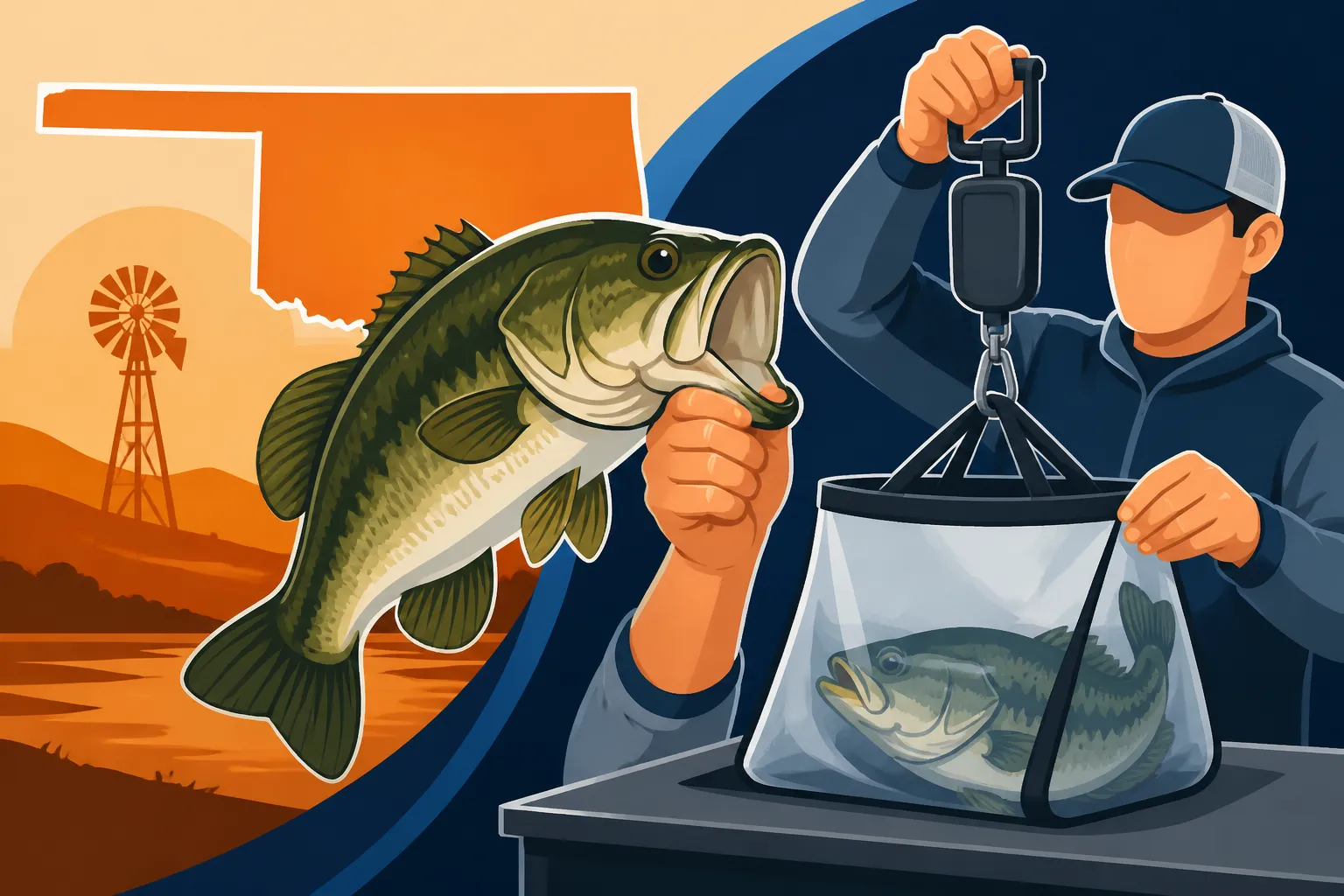
Weigh-In Rules for Bass Fishing Tournaments
There's nothing quite like the rush of a bass tournament in Oklahoma, but that excitement can quickly turn to anxiety when you start thinking about the weigh-in line. Many anglers, especially those new to competitive fishing, find the rules and processes surrounding the scales incredibly intimidating, worried they might make a costly mistake. This guide aims to demystify the weigh-in rules for bass fishing tournaments in Oklahoma, helping you navigate the process with confidence and ensure your hard-earned catch counts.
Understanding the Basics of Tournament Weigh-Ins in Oklahoma
Stepping up to the scales is the culmination of a long day's work, but it's not just about showing off your biggest bass. There's a precise system in place to ensure fair play, fish health, and adherence to regulations. Knowing these fundamentals before you even launch your boat can make a huge difference in your tournament experience.
Livewell Management and Fish Care
The journey from hookset to the weigh-in stage is critical for the survival of your bass. Most tournaments, especially in Oklahoma's warmer months, emphasize fish care heavily. Your livewell isn't just a holding tank; it's a life support system. A poorly managed livewell can lead to stressed or dead fish, resulting in penalties that could cost you the win. Modern livewells are designed with aeration systems, but it's up to the angler to ensure they are functioning optimally throughout the day. This means checking water temperature, adding fresh water periodically, and often using livewell additives to reduce stress and help maintain oxygen levels. Imagine you've just hauled a beautiful 5-pounder out of Lake Texoma; the last thing you want is for it to perish in your livewell before it can be weighed. It’s a testament to your sportsmanship and respect for the fish to keep them alive and healthy. Investing in a quality livewell system or learning how to properly manage the one you have is crucial for any serious tournament angler. For more details on maintaining your catch, check out our guide on the Best Livewell Setup for Bass Tournaments.
The Culling Process Explained
When the tournament rules allow for a specific number of fish to be weighed (often five bass in Oklahoma), and you catch more than that limit, you'll need to "cull" or release the smallest fish to keep your five biggest. This process, if done incorrectly, can also lead to penalties. The key here is quick, efficient, and gentle handling. Many anglers use a culling system, which typically involves individual clips or tags that attach to each fish's lip, often with floats. This allows you to quickly identify and compare the weights of your fish. For instance, if you have five fish and catch a sixth that you think is heavier than your smallest, you'll weigh the new fish and your current smallest. If the new fish is heavier, you replace the smallest with the new one. Always use a legal culling beam or digital scale for accurate comparison. Devices like the T-H Marine Wave Tamer or similar products available on Amazon help ensure your fish stay healthy during this critical process. Improper culling – such as having more than the legal limit of fish in your livewell, even temporarily, without immediately releasing the smallest – can result in disqualification or severe penalties.
The Role of the Weigh Master
The weigh master and their assistants are the ultimate authorities at the scales. They are responsible for accurately weighing your fish, checking for rule compliance, and ensuring the health of the fish before release. When you bring your fish to the weigh-in line, they will typically be transferred into a weigh-in bag filled with water. The weigh master will inspect your fish, often checking for legal length, general health, and any signs of tampering or foul play. They will then zero out the official scale and weigh your catch. Any disputes or questions about rules are typically handled by the weigh master or a designated tournament official. Their decisions are usually final, underscoring the importance of understanding the rules beforehand. It's not uncommon to see tournament directors or weigh masters give a quick educational moment if an angler is unaware of a specific rule. Their goal, beyond determining a winner, is to uphold the integrity of the sport and promote fish conservation.
Key Regulations and Sportsmanship at the Scales
Tournament fishing in Oklahoma is more than just catching fish; it's about adhering to a strict code of conduct and respecting the resource. The weigh-in is where these principles are put to the test.
Bag Limits and Size Restrictions
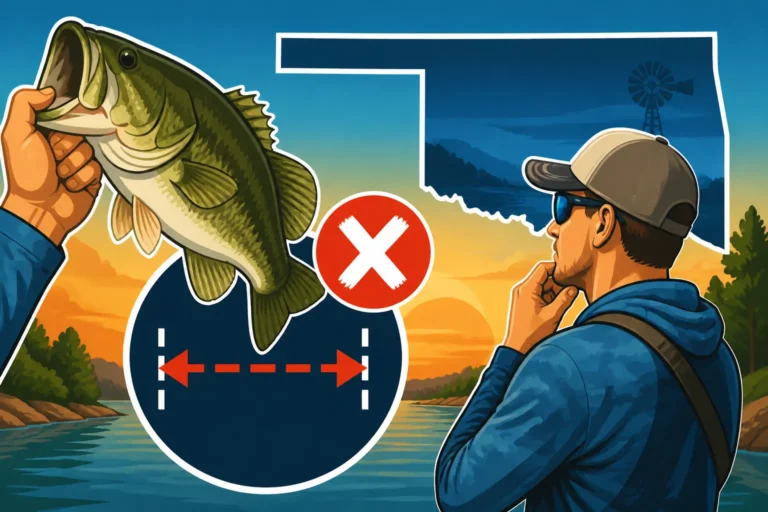
Every bass tournament in Oklahoma will operate under specific bag limits and size restrictions, which often mirror or are even stricter than the statewide regulations. For instance, many tournaments follow the standard "five-fish limit" for black bass (largemouth, smallmouth, spotted bass combined). Beyond the number, there are usually minimum length requirements. While the statewide bass bag limits in Oklahoma typically specify certain minimum lengths, tournament organizers often set their own, usually higher, minimums (e.g., 14 inches or 15 inches) to promote the growth of larger fish. It's your responsibility to know these specific tournament rules. Imagine you're fishing a circuit on Grand Lake O' the Cherokees, and the tournament mandates a 15-inch minimum, but you mistakenly keep a 14-inch bass that would be legal for everyday fishing. That "short fish" could lead to a significant penalty or even disqualification. Always measure your fish carefully with a certified bump board. Remember, Oklahoma's 6-fish bass limit for Largemouth and Smallmouth, and the specific regulation known as The One 16-Inch Bass Rule Anglers Miss are crucial details that tournament anglers must always be aware of.
Maintaining the Health of Your Catch
The well-being of the fish is paramount. Modern bass tournaments operate under a "catch-and-release" philosophy, making live release a critical component. Besides a well-maintained livewell, proper handling is key. Avoid holding fish by their lower jaw at extreme angles, especially larger fish, as this can dislocate their jaw. Use wet hands when handling fish to protect their slime coat, which is their primary defense against disease. At the weigh-in, carry your fish in a generously sized weigh-in bag filled with fresh, aerated water. Minimize the time your fish are out of water. Some tournaments even have designated "fish care teams" to help revive stressed fish before releasing them back into the lake. This commitment to conservation is a cornerstone of competitive bass fishing. Factors like how cold fronts change fishing patterns on Oklahoma lakes can also impact fish stress, requiring even more vigilant livewell management.
Fair Play and Ethical Conduct
Sportsmanship extends beyond the water and into the weigh-in line. This means being honest about your catch, not attempting to alter fish, and respecting fellow competitors and tournament officials. Any attempt to "doctor" a fish (e.g., adding weights, stretching a short fish) is a severe ethical breach and will result in immediate disqualification and potentially a lifetime ban from the circuit. It's also about courtesy; be patient in line, listen to instructions, and don't create unnecessary delays. Tournament fishing is a competitive sport, but it's built on a foundation of mutual respect and integrity. You'll find that most anglers are happy to share tips on how they keep their fish healthy, fostering a community spirit even amidst fierce competition. This aligns with the broader Tournament Angler Rules in Oklahoma, which emphasize ethical conduct.
Common Penalties and How to Avoid Them
No one wants to hear those words: "You've been penalized." Understanding the most common infractions and how to steer clear of them is essential for any tournament angler looking to make their mark on Oklahoma's fishing scene.
Dead Fish Penalties
This is perhaps the most common and frustrating penalty for anglers. Most bass tournaments impose a significant weight deduction for each dead fish brought to the scales. This penalty is often a fixed amount, like 4 ounces (0.25 pounds), or even 8 ounces (0.50 pounds) per dead fish, which can quickly turn a winning bag into a losing one. For example, if you have a 15-pound limit with two dead fish, and the penalty is 8 ounces per fish, your total drops to 14 pounds. You want to avoid this at all costs. The best defense is a proactive offense: ensure your livewell is running efficiently, use livewell additives, monitor water temperature, and handle your fish minimally and gently throughout the day. If you see a fish struggling, take immediate steps to revive it or consider culling it if you have a healthier replacement. Knowing how to properly maintain your livewell system, especially when facing high temperatures, is critical for tournament success.
Short Fish and Over-the-Limit Penalties
As discussed, tournament organizers often set minimum length requirements for bass. Bringing a "short fish" (one that doesn't meet the minimum length) to the scales will almost always result in a penalty. This isn't just a deduction for the short fish itself; often, the short fish will be removed from your total bag, and an additional penalty will be applied. For example, if you have a five-fish limit with one short fish, that fish might be removed, leaving you with only four fish, and then a further deduction applied to your total weight. Similarly, if you accidentally bring more than the allowed number of fish to the scales, you'll be penalized, usually by removing the largest fish and applying an additional deduction. This highlights the importance of precise measuring and diligent culling throughout the day. Always double-check your measurements, especially if a fish seems close to the legal limit.
Disqualification Offenses
While penalties are unwelcome, disqualification is the worst-case scenario. Disqualification usually occurs for serious rule violations, intentional deception, or blatant disregard for tournament ethics. Examples include:
- Tampering with fish: This is a zero-tolerance offense. Any attempt to alter a fish's weight or length, such as stuffing lead weights into its gullet or attempting to stretch its body, will lead to immediate disqualification and potential banning from future events.
- Fishing in illegal areas: Entering off-limits areas or fishing before official start times can lead to disqualification.
- Operating an unsafe vessel or reckless behavior: While not directly weigh-in related, unsafe boating practices can reflect poorly on an angler and lead to a ban from tournaments.
- Having too many fish in possession during the culling process: Some tournaments have strict rules about how many fish you can have in your livewell at any given moment. For example, if the limit is five, and you have six in your livewell for an extended period without immediately culling, it could lead to disqualification.
Always read the tournament rules carefully, attend the pre-tournament meetings, and ask questions if anything is unclear. Ignorance of the rules is rarely accepted as an excuse. For those considering their first competitive outing, reviewing resources like Entering a Bass Tournament on an Oklahoma Lake can provide a solid foundation.
Preparing for a Successful Weigh-In Experience
Preparation is key, not just for catching fish, but for the weigh-in itself. A smooth, penalty-free weigh-in adds to the satisfaction of a good day on the water.
Pre-Weigh-In Checklist
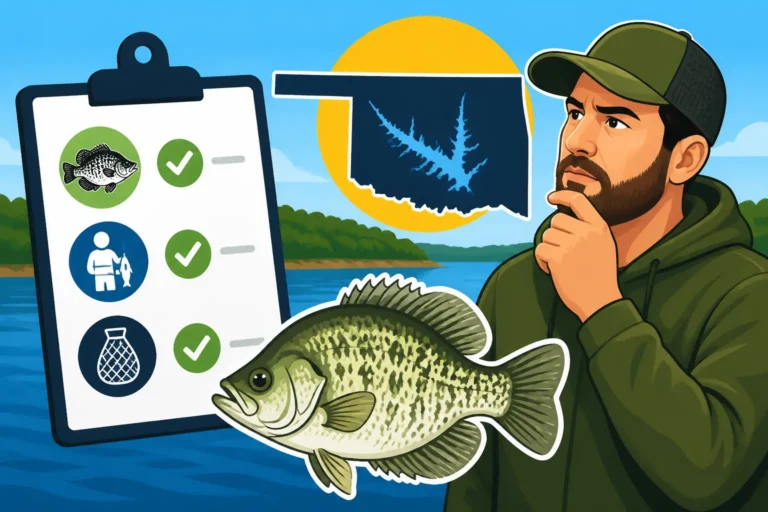
Before you head to the ramp or the tournament headquarters, run through a mental (or physical) checklist:
- Fish Count: Do you have exactly the legal number of fish in your livewell? Double-check.
- Fish Health: Are all your fish lively and healthy? Add more fresh water if needed, use additional livewell treatment, and run your aerator on high.
- Measurements: Have you double-checked all your fish against the tournament's minimum length requirement?
- Weigh-In Bag: Is your weigh-in bag clean, free of holes, and ready to be filled with water?
- Cooler/Ice: Is your cooler full of ice for drinks, or, if permitted, for an emergency fish transfer (though typically not allowed for weigh-in)? Remember, if you are planning a trip to one of the Best Bass Fishing Lakes Across Oklahoma, being prepared for the weigh-in is just as important as the fishing itself.
- Team Communication: If you’re fishing with a partner, ensure both of you are aligned on the fish count and health.
Having this checklist ingrained in your routine will help prevent last-minute mistakes and reduce stress when you're under pressure.
Essential Gear for the Scales
You don't need a lot of extra gear specifically for the weigh-in, but what you do need is important.
- Weigh-In Bag: This is non-negotiable. A sturdy, waterproof bag designed to hold fish and water is crucial. Look for bags with reinforced handles and a wide opening to minimize fish stress during transfer. You can find excellent options on Amazon from brands like Frabill or Fish Grips.
- Culling System: If you anticipate catching more than your limit, a reliable culling system with individual floats and a digital scale is invaluable. This allows for quick and accurate comparisons, letting you make swift culling decisions. A good digital scale, whether it's part of a culling system or a standalone unit, is a tournament angler's best friend.
- Measuring Board: A legal bump board is essential for accurate fish measurements. Make sure it's clean and easily accessible. Many anglers keep a small, soft towel nearby to wet down the board before measuring a fish to protect its slime coat.
Making sure your gear is in top shape is just as important as your fishing rods, like those recommended in Best Rods for Oklahoma Largemouth Bass.
Learning from the Pros
The best way to master the weigh-in process is to observe and learn. Attend local tournaments, even if you're not competing, and watch how experienced anglers handle their fish at the scales. Pay attention to how they manage their livewells, cull their fish, and interact with the weigh master. Don't be afraid to ask questions! Most veteran anglers are happy to share their knowledge, especially when it comes to fish care and ethical practices. Many professional circuits, like those of Bassmaster or Major League Fishing, also offer extensive resources and videos demonstrating proper weigh-in procedures. Learning from those who have been there before will shorten your learning curve and boost your confidence immensely. After all, the goal is to enjoy the sport, and a smooth weigh-in is part of that enjoyment.
Weigh-In Rule Checklist for Bass Tournaments
To help you keep track, here's a quick reference for common weigh-in rules and precautions:
| Category | Rule/Precaution | Penalty Risk (Common) |
|---|---|---|
| Fish Count | Verify you have exactly the legal limit (e.g., 5 bass) | Disqualification / Removal of largest fish + penalty |
| Fish Length | Ensure all fish meet the tournament's minimum length requirement | Short fish removed + weight penalty (e.g., -1 lb) |
| Fish Health | Maintain livewell with aeration, fresh water, and additives | Dead fish penalty (e.g., -0.25 to -0.50 lbs per fish) |
| Culling | Use a legal culling system; immediately release smallest fish after replacement | Disqualification for over-the-limit possession |
| Handling | Use wet hands, avoid excessive jaw stress, minimize time out of water | Increased stress, potential for dead fish penalties |
| Integrity | No tampering, stretching, or altering fish in any way | Immediate Disqualification / Lifetime Ban |
| Equipment | Use a durable, water-filled weigh-in bag and a certified measuring board | Delays / Difficulty in measuring / Fish stress |
| Sportsmanship | Follow instructions, be patient, respect officials and fellow anglers | Verbal warning / Potential penalty for severe cases |
| Rules Knowledge | Read tournament rules thoroughly; attend pre-tournament meetings | All penalties apply |
This table provides a generalized overview. Always consult the specific rules for the tournament you are participating in, as regulations can vary.
Disclaimer
The information provided in this guide is for general informational purposes only and does not constitute legal advice. Fishing regulations and tournament rules in Oklahoma are subject to change. Always consult the official Oklahoma Department of Wildlife Conservation (ODWC) regulations and the specific tournament rules and organizers for the most accurate and up-to-date information before engaging in any fishing activities.