Why a 14-Inch Bass Caught in a Creek Might Be Illegal to Keep
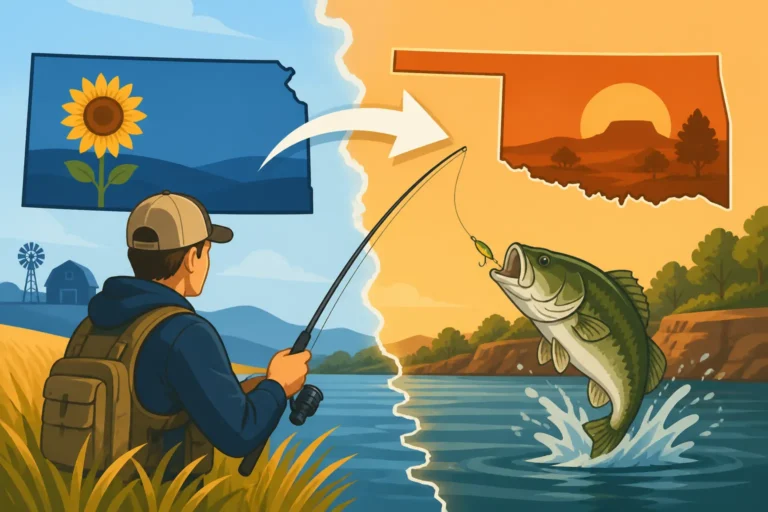
There's nothing quite like the thrill of feeling that solid thump on your line, setting the hook, and reeling in a feisty bass. You get it to the bank or into the boat, and it looks like a keeper. But here in Oklahoma, a fish that seems perfectly legal at first glance, especially a 14-inch bass, might actually be illegal to keep depending on where you caught it. This can be incredibly frustrating and confusing for anglers, leading to accidental violations if you're not absolutely dialed into the specific regulations for every body of water. This guide is here to unravel that mystery, explaining why that 14-inch bass from a creek might need to go back in the water.
Understanding Oklahoma's Standard Bass Regulations
Oklahoma's fishing regulations are designed to protect our fish populations and ensure healthy fisheries for years to come. While some rules are pretty straightforward, like needing a valid fishing license, the nuances of length limits can sometimes feel like trying to solve a puzzle. The key often lies in distinguishing between general statewide rules and specific, localized exceptions.
The General Six-Fish Daily Limit
Let's start with the basics that many anglers are familiar with. Across most public waters in Oklahoma, the daily aggregate bag limit for black bass—which includes Largemouth, Smallmouth, and Spotted Bass—is six fish. This means that, regardless of the species, you can only keep a total of six black bass in any given day. It's not six largemouth, six smallmouth, and six spotted; it's six total of any combination.
Now, within this six-fish limit, there’s another crucial detail: you can only keep one bass that is 16 inches or longer. This "one over 16 inches" rule is a conservation measure, aiming to protect larger, mature bass which are vital for spawning and maintaining healthy genetics in the population. So, if you catch a 17-inch largemouth, that's your one big fish for the day. Any other bass you keep must be under 16 inches, and you can only have five more of those if they meet the minimum length requirements. This is where it starts to get tricky, because that minimum length can vary wildly. For most reservoirs, there's no minimum length on the other five fish, as long as they aren't your "one over 16." But that's where the creek part of our discussion comes in. It's a system designed to encourage anglers to release the biggest breeders while allowing for harvest of smaller, more abundant fish.
The 14-Inch Minimum Applies Differently
This is where the rubber truly meets the road, and where many anglers can get tripped up. While the "one over 16 inches" rule is consistent for black bass, the minimum length requirement can change drastically depending on whether you're fishing a lake or a flowing body of water like a creek or a river. It's a distinction that often gets overlooked, and it’s why a 14-inch bass that would be a perfectly legal keeper in some lakes could land you in hot water if caught in a creek.
For most public lakes and reservoirs in Oklahoma, there isn't a statewide minimum length limit for black bass other than the "only one over 16 inches" rule. This means if you're fishing a place like Lake Eufaula or Grand Lake O' the Cherokees, and you catch a 14-inch bass, it's typically a legal fish to keep as long as you haven't already kept your one fish over 16 inches. However, the rules change significantly when you venture into rivers and streams.
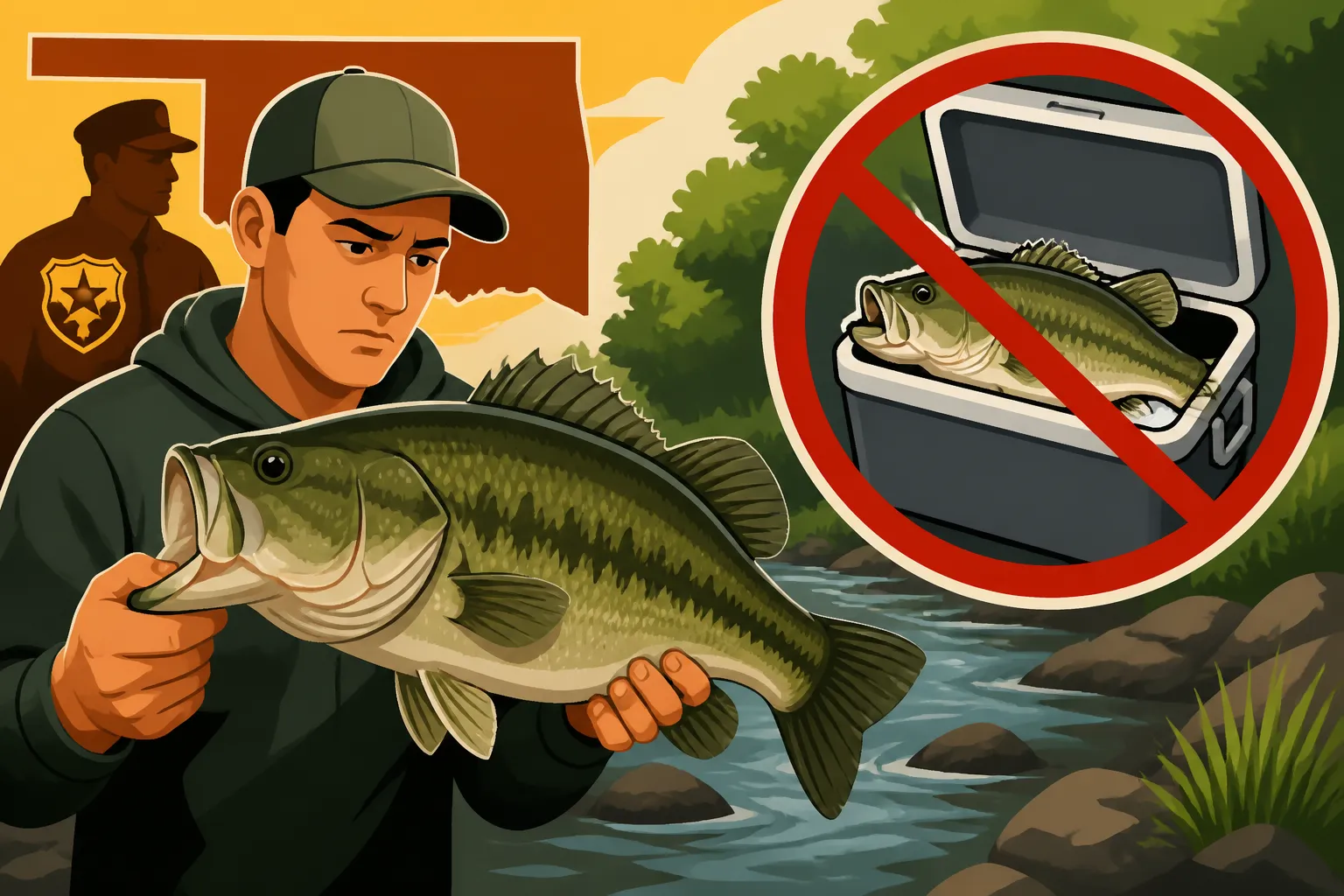
The Oklahoma Department of Wildlife Conservation (ODWC) has a specific regulation for black bass in rivers and streams: there is a 14-inch minimum length limit. This means any black bass, whether it's a largemouth, smallmouth, or spotted bass, caught in a river or stream must be at least 14 inches long to be legally kept. If you pull a 13.5-inch bass out of a creek, it must be immediately released, even if it looks like a nice eating size. The rationale behind this stricter rule in flowing waters often relates to the slower growth rates fish experience in rivers compared to the nutrient-rich, often warmer waters of large reservoirs. Protecting these fish for a longer period helps ensure they have a chance to reproduce and contribute to the population before being harvested. This is a critical piece of information for anyone who enjoys bank fishing or float trips on Oklahoma's smaller waterways. You can dive deeper into these specifics by checking out the article on Black Bass Rules for Oklahoma Rivers and Streams.
The Crucial Distinction: Lakes vs. Rivers and Streams
It's easy to assume that fishing regulations are uniform across an entire state, but Oklahoma's diverse aquatic environments necessitate different approaches. The rules are not arbitrary; they are carefully crafted based on biological data and conservation goals for specific types of fisheries.
Why River Bass Limits Differ From Lake Limits
The biological reasons behind differing regulations for lakes and rivers are quite compelling. Fish populations in rivers and streams, especially for species like bass, often exhibit different growth patterns and reproductive behaviors compared to their lake-dwelling counterparts. Rivers can be more dynamic environments with fluctuating water levels, varying food sources, and often cooler temperatures or faster currents that can affect fish metabolism and growth.
For instance, a bass in a smaller creek might take longer to reach a certain size than a bass in a large, fertile reservoir. By implementing a 14-inch minimum length limit in rivers and streams, the ODWC aims to allow these fish more time to grow, mature, and spawn at least once before they become legal for harvest. This strategy helps to bolster the reproductive success of riverine bass populations, ensuring a sustainable fishery for the future. Without these distinctions, overharvesting could quickly deplete local populations in sensitive stream environments. It really shows how much thought goes into managing our precious natural resources. Understanding the "why" behind the rules can help you be a more informed and responsible angler.
Special Rules for Smallmouth Bass in Rivers
If you're specifically targeting smallmouth bass in Oklahoma's rivers and streams—and many anglers do, because they put up an incredible fight—there's an even more stringent rule you absolutely need to know. Beyond the general 14-inch minimum length limit for all black bass in flowing waters, the ODWC also limits anglers to keeping only one Smallmouth Bass per day from rivers and streams.
This particular regulation is a testament to the fact that smallmouth bass, while incredibly popular, can be more vulnerable to fishing pressure in certain environments. Smallmouth are often prized for their fighting spirit and tend to inhabit clearer, rockier, cooler stream habitats. Limiting their harvest to just one per day, in addition to the 14-inch minimum, provides an extra layer of protection for these prized fish in their native riverine habitats. So, if you catch a beautiful 14.5-inch smallmouth in a rocky creek, you can keep it, but that's your one smallmouth for the day from that flowing water. Any other smallmouth you catch from a river or stream, no matter the size, must be released. It’s an easy rule to forget, especially when the fishing is hot, so always double-check the regs. You can read more about Only One Smallmouth Bass a Day in Oklahoma Rivers to stay fully informed.
Navigating Specific Water Body Regulations and Exceptions
Just when you think you've got the statewide rules down, Oklahoma throws in a few curveballs with highly localized regulations. These exceptions are critical to know because they often represent unique conservation efforts for specific, valuable fisheries.
When Local Rules Override Statewide Limits
While the statewide 14-inch minimum for black bass in rivers and streams is a good general guideline, there are specific water bodies that have even more restrictive or entirely different regulations. These are often implemented to protect trophy fisheries or to manage populations in heavily fished areas. The most common type of overriding rule you'll encounter is a "slot limit."
A slot limit means that fish within a certain size range cannot be kept. For example, some lakes or river sections might have a 13 to 16-inch slot limit. What does this mean for your 14-inch bass caught in a creek? It means that bass, falling squarely within that 13-16 inch slot, would be illegal to keep, even though it meets the statewide river/stream minimum. This is precisely why your 14-inch creek bass might be illegal! One prominent example is the Lower Mountain Fork River in southeastern Oklahoma, known for its excellent smallmouth and brown trout fishing. While trout regulations are different, the bass rules there are specific. Always check the current ODWC Fishing Guide for precise details on any specific body of water you plan to fish. These local rules are typically posted prominently at boat ramps and access points, but it's always best to come prepared with the information beforehand. It pays to do your homework before you ever cast a line.
The Importance of Checking Regulations Annually
Fishing regulations are not set in stone; they can and do change from year to year. Conservation efforts evolve, fish populations fluctuate, and new scientific data can lead the Oklahoma Department of Wildlife Conservation to adjust bag limits, length limits, or even specific seasonal rules. Relying on what you remember from a few years ago, or even last year, can lead to unintentional violations.
That's why it is absolutely essential to check the current Oklahoma Fishing Regulations Guide every single year, before your first trip out. This guide is available for free online on the ODWC website, or you can pick up a physical copy at most sporting goods stores or license vendors. Think of it as your angler's bible; it contains all the up-to-date information on statewide limits, specific lake and river regulations, possession limits, and even details on specialized fishing methods. Ignoring this annual check is like driving without ever looking at road signs – you're bound to miss something important. Being proactive with your knowledge not only keeps you legal but also helps you contribute to responsible resource management. For a broader overview of all the rules, be sure to review Oklahoma's Bass Fishing Rules and Limits.
Here's a quick comparison of common black bass length rules in Oklahoma:
| Water Type | General Daily Bag Limit (Black Bass) | Length Limit for Black Bass (Largemouth, Spotted) | Length Limit for Smallmouth Bass in Rivers/Streams | Notes |
|---|---|---|---|---|
| Most Public Lakes | 6 (aggregate) | Only one may be 16 inches or longer; no minimum on others. | N/A | Check for specific lake exceptions (e.g., slot limits). |
| Rivers and Streams | 6 (aggregate) | 14-inch minimum length limit. | 14-inch minimum, plus only one may be kept per day. | Applies to most flowing waters; check for specific river exceptions. |
| Specific Slot Limit Waters (e.g., Lower Mountain Fork River) | 6 (aggregate) | Varies, example: 13 to 16-inch slot where fish in this range cannot be kept. | Varies, example: 13 to 16-inch slot. | Crucial: A 14-inch bass is illegal in a slot limit where 13-16" must be released. |
Practical Tips for Responsible Anglers
Navigating these detailed regulations can feel overwhelming, but a few simple habits and tools can make all the difference. As a veteran angler, I’ve seen enough folks get ticketed (or worse, unknowingly break the rules) to know that preparation is key.
Proper Measurement and Release Techniques
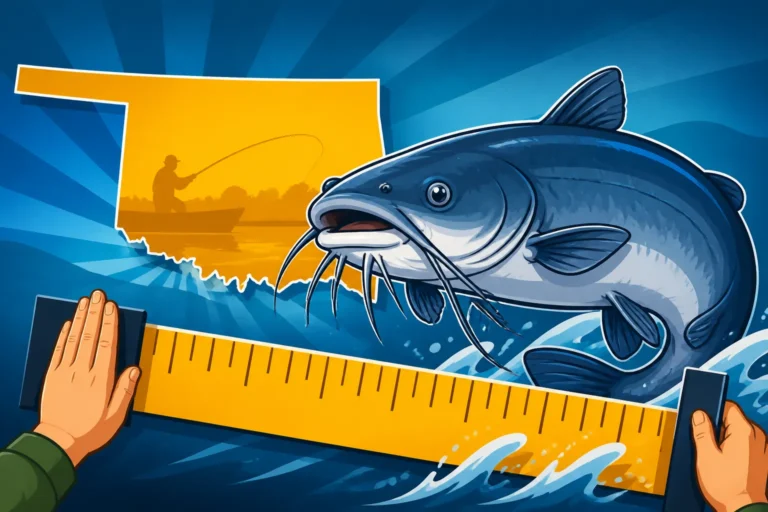
Even when you're sure you know the rules, accurately measuring your catch is paramount. A fish that looks "close enough" might actually be undersized, leading to a violation. Always carry a reliable measuring device on your boat or in your tackle bag. A simple, flat measuring board can be a lifesaver. When measuring, lay the fish flat on its side against the board with its mouth closed and touching the end stop. Pinch the tail to get the longest possible measurement. Don't measure along the curve of the body; measure the straight-line distance from the tip of the jaw to the tip of the tail.
If a fish is undersized or falls within a slot limit that requires release, knowing how to properly release it significantly improves its chances of survival. Handle the fish as little as possible, and always with wet hands to protect its slime coat. Use needle-nose pliers or a hook remover to gently back out the hook. If the fish is deeply hooked, especially in the gills, it might be better to cut the line as close to the hook as possible rather than tearing vital organs. Support the fish upright in the water until it's strong enough to swim away on its own. For really fast measurements, a stiff measuring tape from a brand like Amazon can be easily affixed to your cooler or boat. Learning Best Fishing Techniques for Beginners often starts with these fundamental skills.
Using the ODWC Fishing Guide and App
In today's digital age, there's no excuse for not having access to the most current regulations. The Oklahoma Department of Wildlife Conservation makes it incredibly easy. Their official website is a treasure trove of information, hosting the most current annual fishing regulations guide as a downloadable PDF. You can even save it to your phone or tablet for quick reference on the water, even if you don't have cell service in remote areas.
Beyond the PDF, the ODWC also offers a fantastic mobile app, often called "Go Outdoors Oklahoma." This app is designed for convenience, allowing you to not only purchase and store your fishing license digitally but also access real-time regulations, check bag limits for specific bodies of water, and even report your harvests. Imagine being on a new lake or creek, unsure about the bass limits. A quick tap on the app can tell you exactly what you need to know, preventing a potentially costly mistake. It's truly an indispensable tool for any angler in Oklahoma and is a key way to avoid issues like those covered in Penalties for Fishing Without a License in Oklahoma. By having these resources at your fingertips, you become a more informed, responsible, and ultimately, more successful angler.
Conclusion
The intricacies of Oklahoma's bass fishing regulations, particularly the varying length limits between lakes and rivers/streams, can certainly be a source of confusion. A 14-inch bass caught in a big reservoir might be a perfectly legal addition to your cooler, while the very same sized fish caught from a small creek could be an illegal catch due to a 14-inch minimum length limit for flowing waters, or even a specific slot limit for that particular stream section.
The key takeaway here is simple: never assume that the rules for one body of water apply to all. Always check the current Oklahoma Fishing Regulations Guide for the specific lake, river, or stream you plan to fish. Pay close attention to the details regarding black bass, smallmouth bass, and any special area regulations. By doing your homework, using proper measurement and release techniques, and taking advantage of the resources provided by the ODWC, you can enjoy your time on the water confident that you're fishing legally and contributing to the health of Oklahoma's incredible fisheries. Tight lines, and may your future catches always be legal!
Disclaimer
Please remember that fishing regulations can change. While every effort has been made to provide accurate and up-to-date information, it is ultimately the angler's responsibility to consult the current Oklahoma Fishing Regulations Guide published by the Oklahoma Department of Wildlife Conservation before fishing. This content is for informational purposes only and should not be considered legal advice.